
1. Blasting loud music at a quiet campground
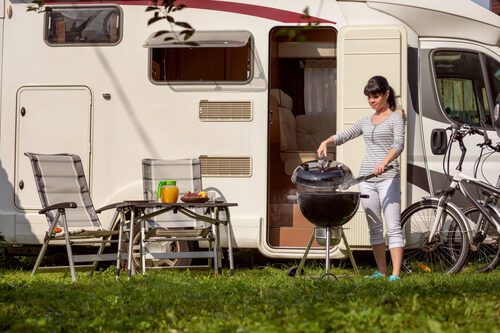
Blasting loud music at a quiet campground is one of the fastest ways to irritate your neighbors. Most RV parks advertise quiet hours specifically to protect everyone’s downtime. Ignoring that social contract signals that your fun matters more than the shared space. People notice that imbalance immediately.
RVers expect a baseline of courtesy because sites are packed closely together. Sound travels easily through thin walls and open windows. When someone keeps the volume high, others feel trapped in your soundtrack. That resentment can form before you’ve even introduced yourself.
2. Letting trash pile up outside your rig
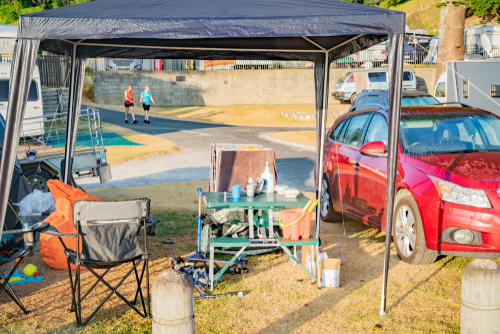
Letting trash pile up outside your rig sends a message that cleanliness is optional. Campgrounds rely on guests to manage their own waste responsibly. Overflowing bags attract animals and insects surprisingly quickly. That creates problems for everyone nearby.
Fellow campers read messy sites as a lack of respect for shared facilities. Even a small food scrap can invite raccoons or ants. Once pests learn a site is rewarding, they keep returning. Your neighbors end up dealing with the consequences.
3. Cutting through other people’s campsites
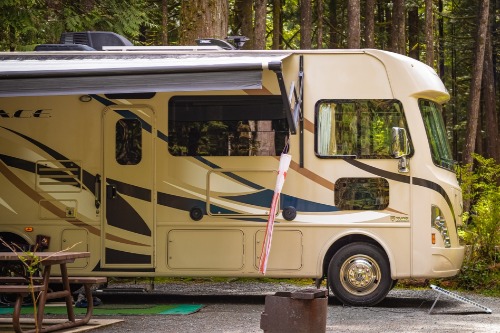
Cutting through other people’s campsites feels like walking through their living room. RV sites are temporary homes with an implied boundary. Ignoring that boundary can make others feel exposed. It breaks an unspoken rule of campground etiquette.
Many campers set up chairs, grills, and personal gear in those spaces. Unexpected foot traffic increases the chance of accidents. It also interrupts private conversations and downtime. A simple detour preserves goodwill.
4. Running a generator at inappropriate hours
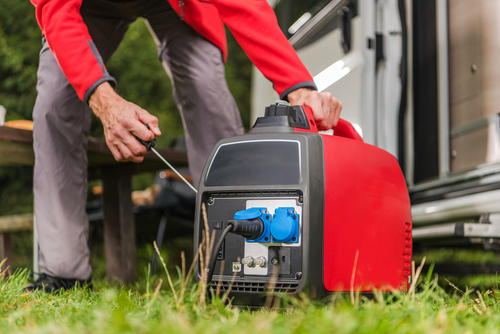
Running a generator at inappropriate hours quickly tests everyone’s patience. Generators produce a steady mechanical hum that carries far. Most parks restrict their use for a reason. Violating those limits stands out immediately.
Campers choose certain areas specifically for peace and quiet. Prolonged noise can disrupt sleep and relaxation. People may assume you didn’t bother to read the rules. That assumption colors every later interaction.
5. Allowing pets to roam off leash
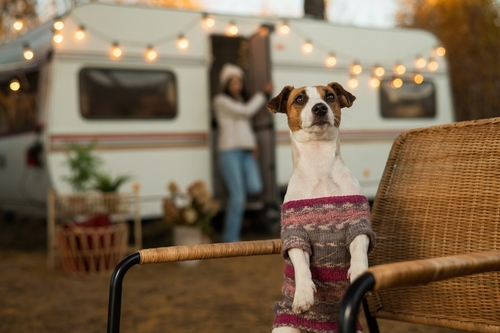
Allowing pets to roam off leash raises safety concerns right away. Not every camper or animal is comfortable with surprise encounters. Leash rules exist to prevent conflicts and injuries. Ignoring them feels dismissive of others’ boundaries.
Even friendly dogs can behave unpredictably in new environments. Wildlife and unfamiliar smells can trigger sudden reactions. Nearby campers may worry about their kids or pets. That tension erodes trust fast.
6. Hogging shared amenities
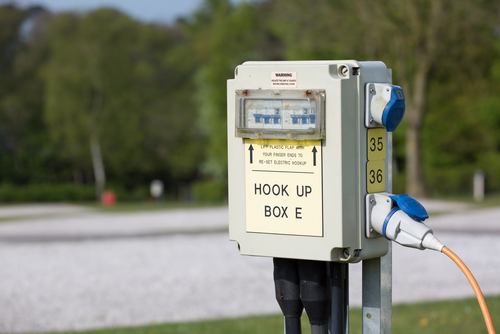
Hogging shared amenities suggests you think rules don’t apply to you. Dump stations and water spigots are designed for quick turnover. Lingering unnecessarily creates visible bottlenecks. People in line notice every extra minute.
Campground systems work best when everyone is efficient. Delays can disrupt travel plans for others. Courtesy means preparing before you pull in. Skipping that prep reads as inconsiderate.
7. Ignoring posted speed limits

Ignoring posted speed limits inside parks puts everyone on edge. Campgrounds are full of pedestrians, bikes, and children. Higher speeds reduce reaction time dramatically. That risk feels personal to nearby families.
Dust and gravel kicked up by fast driving add to the annoyance. Slow speeds signal awareness and care. Speeding implies you’re in a hurry at others’ expense. First impressions form in seconds.
8. Leaving bright exterior lights on all night
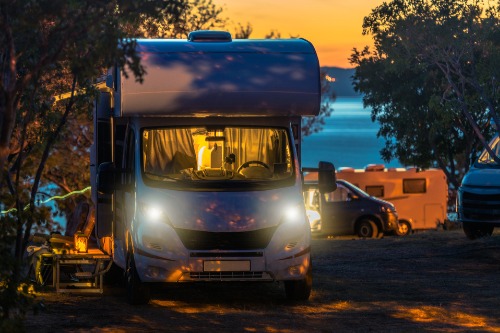
Leaving bright exterior lights on all night disrupts the shared atmosphere. Many campers value dark skies and natural lighting. Excessive illumination spills into neighboring sites. It can make sleeping difficult.
RV windows rarely block all incoming light. Constant glare changes the feel of the campground. Neighbors may hesitate to ask you to dim them. The irritation lingers quietly.
9. Doing loud repairs at your campsite
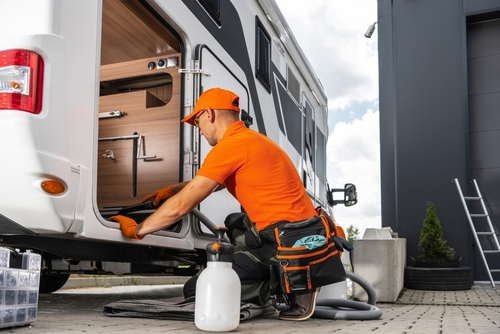
Playing amateur mechanic with loud tools at your site draws attention fast. Maintenance is sometimes necessary but timing matters. Prolonged hammering or revving echoes through the park. It breaks the expectation of leisure.
Campers typically plan repairs for designated areas when possible. Sudden noise interrupts reading, naps, and conversations. Others may assume you’re ignoring community norms. That perception sticks.
10. Failing to supervise children in shared spaces
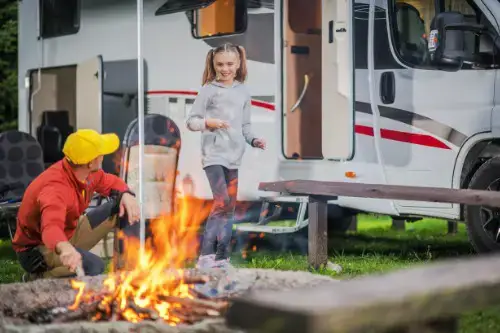
Failing to supervise children in shared spaces raises safety flags. Campgrounds mix vehicles, equipment, and unfamiliar terrain. Unchecked play can lead to close calls. Nearby adults feel forced into vigilance.
Most campers are happy to share space with kids. They just expect basic oversight. When supervision is absent, stress levels rise. Goodwill fades under that pressure.
11. Getting defensive about campground rules
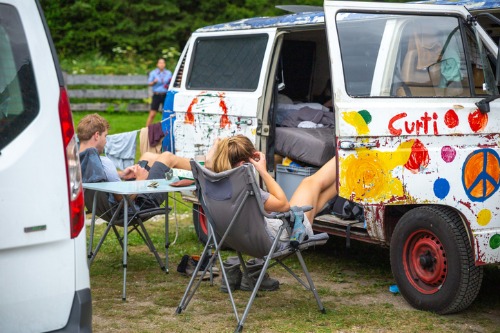
Being dismissive when corrected about rules creates instant friction. Campground policies are there to balance many needs. Responding defensively escalates simple situations. Others read that as disrespect.
A calm acknowledgment usually resolves minor issues quickly. Staff and neighbors appreciate cooperation. Resistance suggests future conflicts are likely. That reputation spreads faster than you think.
This post Why Some RVers Instantly Lose Goodwill was first published on Greenhouse Black.
