
1. TV Timelines Aren’t Real Life

House flipping TV shows compress months of work into a single hour, which quietly distorts expectations. You end up believing timelines are flexible when they are actually tight and unforgiving. Real projects involve inspections, permits, and contractor scheduling that simply cannot be rushed. That mismatch is often the first shock new flippers experience.
The reason this matters is that timeline errors directly increase carrying costs like interest and utilities. Every extra week you hold a property eats into your margin. Delays also compound because one late task pushes every other trade back. Understanding the real clock helps you budget both time and money more honestly.
2. Renovation Budgets Almost Always Drift
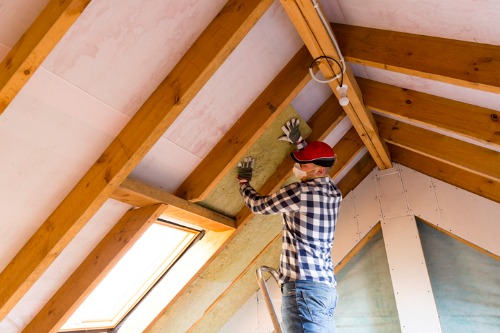
On paper, renovation budgets look neat and controlled. In practice, material prices fluctuate and labor estimates shift as the work unfolds. Even small upgrades tend to snowball when you open walls or floors. New flippers often underestimate how quickly a tidy spreadsheet can unravel.
This is critical because profit lives or dies in your margin discipline. A five percent overrun can erase a large portion of your expected return. Budget drift also forces rushed decisions that may compromise quality. Building a realistic contingency fund protects both your finances and your sanity.
3. Hidden Damage Is More Common Than You Think
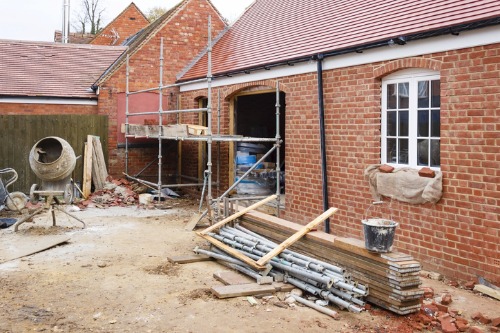
Cosmetic issues are easy to spot during a walkthrough. Structural or system problems often hide behind finished surfaces. Things like outdated wiring, plumbing leaks, or rot rarely announce themselves upfront. Discovering them mid-project can completely reset your plan.
The reason this is so impactful is that hidden repairs are rarely optional. Safety and code compliance demand that you address them immediately. These surprises can halt progress while you secure additional funds or permits. Planning for the unknown helps you avoid panic-driven decisions.
4. Permits and Codes Add Real Complexity

Many beginners assume renovations are mostly cosmetic. In reality, electrical, plumbing, and structural work frequently require permits. Local codes dictate what you can change and how it must be executed. Skipping this step can trigger fines or forced rework.
This matters because noncompliant work can delay your sale or kill a deal entirely. Buyers and lenders often require proof of permitted improvements. Fixing unapproved work typically costs more than doing it right the first time. Respecting the process protects your timeline and resale value.
5. Contractor Management Is a Skill, Not a Detail
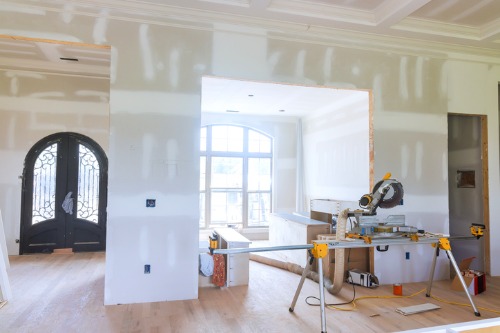
Hiring contractors feels like checking a box. Managing their schedules, scopes, and communication is an ongoing responsibility. Different trades depend on each other in a precise sequence. Misalignment can stall an otherwise solid project.
The reason this deserves attention is that labor coordination directly affects cost and quality. Poor communication leads to rework and missed expectations. Each correction adds time and expense. Strong project management keeps your renovation moving in the right direction.
6. Financing Isn’t Just About the Purchase Price

Many first-time flippers focus heavily on acquisition costs. They overlook the structure and terms of renovation financing. Interest rates, draw schedules, and fees shape your cash flow. Those details influence how long you can comfortably hold the property.
This is important because financing costs accumulate daily. A project that runs long becomes significantly more expensive to carry. Cash flow pressure can push you into accepting lower offers. Understanding your funding mechanics helps you make calmer decisions.
7. Markets Can Shift Mid-Project

Real estate markets are not static. Interest rates, buyer demand, and inventory levels can change during your renovation. A neighborhood that looked hot three months ago may cool unexpectedly. That volatility affects your exit strategy.
The reason this matters is that your resale assumptions drive every budget decision. If comparable sales soften, your margin shrinks instantly. You may need to adjust pricing or upgrade plans to stay competitive. Building flexibility into your projections reduces risk.
8. Scope Creep Sneaks In Quietly
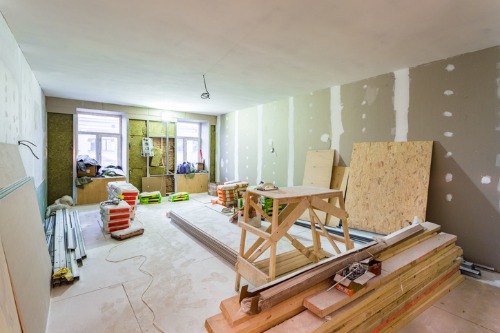
Once demolition starts, it is tempting to add “just one more” improvement. Upgraded finishes and layout tweaks feel small in isolation. Collectively, they expand your timeline and budget. Many flippers drift away from their original plan without noticing.
This is risky because added scope rarely guarantees proportional resale value. Buyers may not pay extra for every premium choice. Each change also introduces new coordination challenges. Staying disciplined preserves your intended profit window.
9. DIY Limits Show Up Fast

Doing some work yourself can look like easy savings. Renovation tasks often require specialized tools and experience. Learning on the fly slows progress considerably. Mistakes can undo earlier work.
The reason this matters is that time is a real project cost. Extended timelines increase carrying expenses and opportunity cost. Fixing DIY errors may require hiring professionals anyway. Knowing when to step back protects your schedule and budget.
10. Inspections and Appraisals Have Real Power
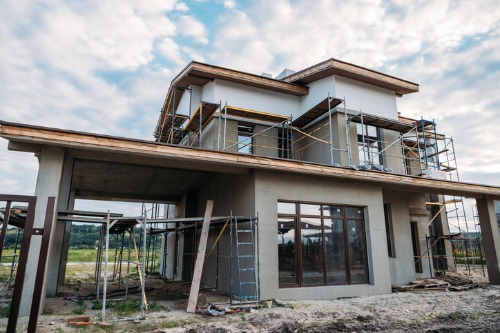
You might assume a beautiful renovation guarantees a smooth sale. Buyer inspections frequently uncover items you thought were resolved. Appraisals can come in below your target price. Both introduce last-minute negotiation pressure.
This is significant because deals can hinge on these third-party evaluations. Repair requests may force additional spending before closing. A low appraisal can require price adjustments or buyer financing changes. Preparing for scrutiny helps you avoid surprises.
11. Neighborhood Comparables Set Hard Limits
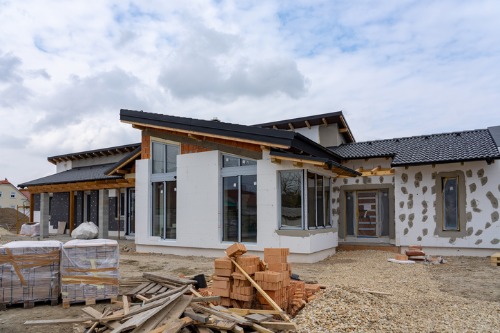
It is easy to fall in love with high-end finishes. The surrounding market ultimately caps what buyers will pay. Comparable sales define a realistic ceiling. Over-improving rarely translates to higher returns.
The reason this is crucial is that resale value is data-driven, not emotion-driven. Spending beyond neighborhood norms compresses your margin. Buyers shop by comparison, not by your renovation story. Aligning upgrades with local standards keeps expectations grounded.
12. Selling Costs Eat Into the Headline Profit
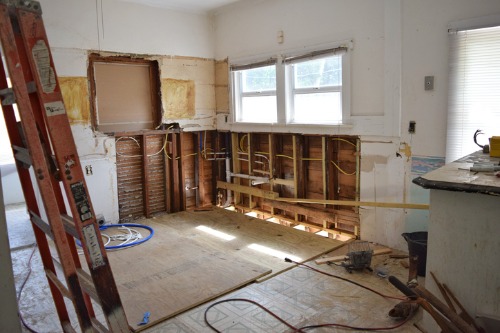
Many projections focus on buy and rehab numbers. Selling introduces agent commissions, closing costs, and staging expenses. Marketing and holding costs continue until the deal closes. These line items are easy to underestimate.
This matters because net profit is what remains after every fee. A strong gross margin can shrink quickly once selling costs are applied. Miscalculating these expenses leads to disappointing returns. Accurate exit math gives you a clearer picture from day one.
13. Emotional Stress Is Part of the Equation

House flipping looks like a purely financial exercise. In reality, it demands constant decision-making under uncertainty. Delays, surprises, and negotiations test your patience. Emotional fatigue can cloud judgment.
The reason this deserves attention is that stress influences financial choices. Rushed decisions often prioritize relief over profitability. Maintaining perspective helps you stick to your plan. Treating flipping like a marathon instead of a sprint improves outcomes.
This post Why House Flipping Looks Easy—Until It Isn’t was first published on Greenhouse Black.
