
1. Glassware stored for “special occasions”
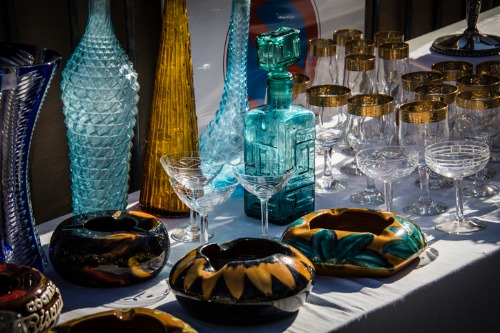
Reserved glassware often spends more time in cabinets than in use. Owners associate it with celebrations, not collectibility. Minor scratches accumulate slowly. Sets get separated over the years.
Certain manufacturing techniques or discontinued lines draw collector attention. Matching sets in good condition are especially appealing. Maker marks etched into the base tell important stories. Celebration pieces can carry secondary-market value.
2. Old hardcover books on a forgotten shelf
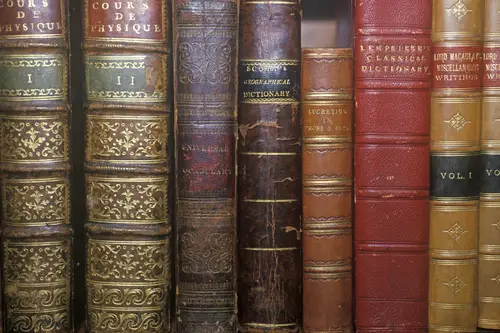
A dusty hardcover often reads as sentimental clutter rather than anything special. Many households inherit books and never examine print details. Jackets get lost, and editions blur together over time. That casual storage is why sleepers sometimes survive unnoticed.
First printings, book club variants, or limited runs can be surprisingly collectible. Publisher markings and number lines tell a story most owners never read. Condition, including intact dust jackets, dramatically affects value. A quiet shelf staple can turn out to be a desirable edition.
3. Vintage kitchenware tucked in cabinets
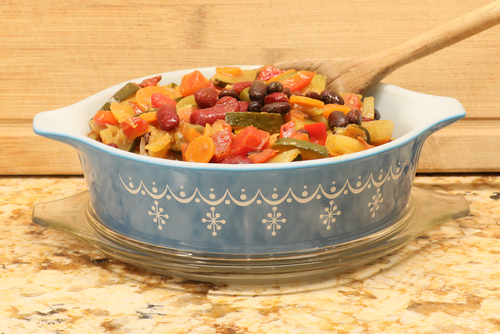
Old mixing bowls or cookware often stay in rotation for decades. Families keep them because they’re sturdy, not because they’re collectible. Patterns fade into the background of everyday use. Familiarity makes them easy to overlook.
Certain discontinued patterns or manufacturing eras attract strong collector interest. Matching sets or rare color variations increase desirability. Chips, cracks, and repairs influence market value. A dependable kitchen tool can double as a niche collectible.
4. Costume jewelry in a tangled box
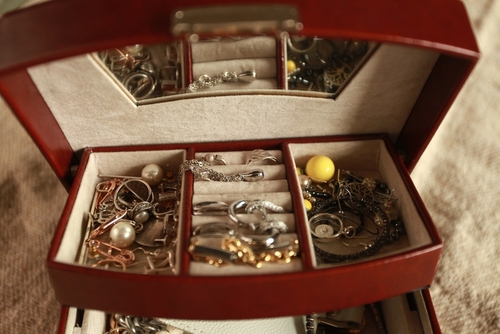
Mixed jewelry boxes usually look like a pile of sentimental odds and ends. Pieces get tossed together without labels or history. Tarnish and wear disguise craftsmanship. That chaos hides details collectors care about.
Signed pieces, early plastics, or unusual materials can elevate value. Clasps, stamps, and construction methods help identify makers. Even costume jewelry can reflect design movements with dedicated followings. A messy box can reward patient inspection.
5. Old board games stacked in a closet

Board game boxes often survive long after their pieces scatter. Families keep them for nostalgia, not condition. Tape repairs and scribbled score sheets are common. That wear tells a story collectors sometimes appreciate.
Complete sets with original components are the real prize. Early editions or discontinued versions can attract hobby collectors. Rule sheets, inserts, and packaging matter more than most people expect. A rainy-day game can become a catalog-worthy item.
6. Analog cameras in storage drawers
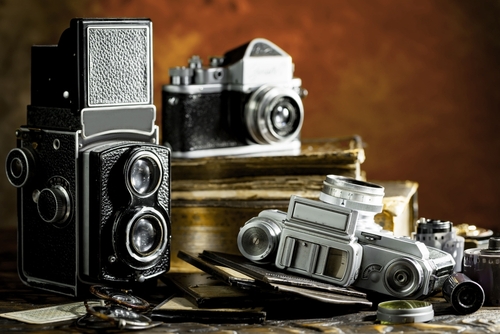
Old cameras frequently get retired when phones take over. They sit unused, assumed obsolete. Dust and dried straps make them look past their prime. Appearances can be misleading.
Mechanical cameras appeal to film enthusiasts and collectors alike. Working shutters, original lenses, and clean glass add value. Certain manufacturing periods are especially desirable. A “dead” camera can still be a sought-after piece of engineering.
7. Vinyl records in a milk crate
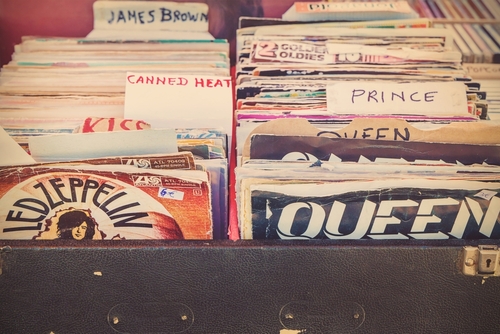
Records often linger as décor or nostalgia pieces. Many owners assume streaming made them irrelevant. Sleeves get worn, and storage conditions vary widely. Yet rarity isn’t always obvious from the cover.
Pressing variations, small-label releases, or early runs can matter. Matrix numbers and label details help identify collectible editions. Condition of both vinyl and sleeve plays a major role. A casual music stash can hide audiophile gems.
8. Handwritten letters and postcards
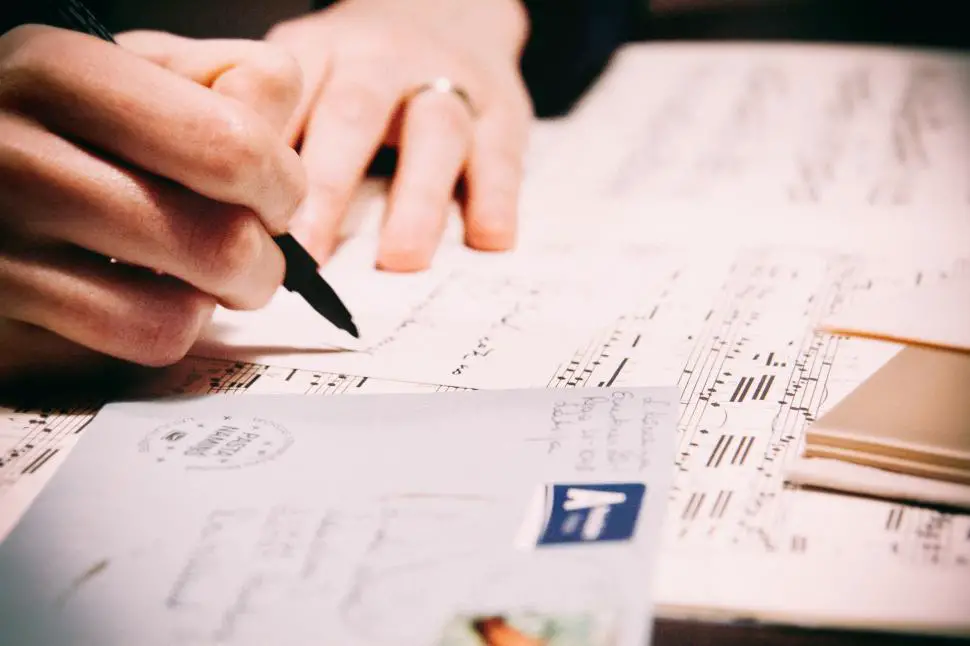
Bundles of old correspondence tend to feel purely sentimental. Families save them for emotional reasons, not market value. Paper yellows, and envelopes stick together over time. Their age alone doesn’t reveal their significance.
Historical context, notable senders, or wartime content can increase interest. Postmarks and stamps add another layer of collectibility. Archivists and niche collectors value well-preserved examples. Personal mail can double as social history.
9. Sewing kits and fabric boxes
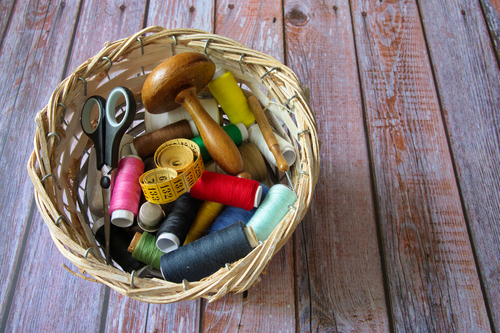
Sewing supplies often pass through generations unchanged. Buttons, patterns, and fabric scraps accumulate without inventory. Most people see only craft leftovers. Hidden within can be specialized materials.
Discontinued patterns or vintage textiles attract hobby historians. Certain buttons and trims are no longer manufactured. Complete pattern envelopes are particularly desirable. A practical craft box can serve as a miniature archive.
10. Old holiday decorations
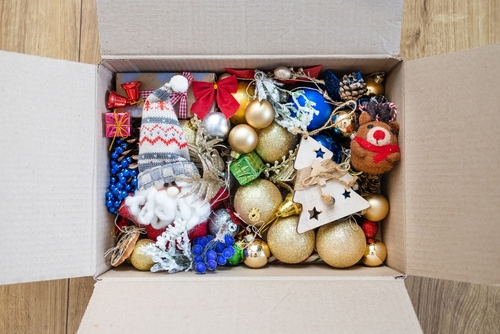
Seasonal décor gets reused year after year without much thought. Storage wear is common, and packaging disappears. Families keep them for tradition, not rarity. That continuity helps older pieces survive.
Early manufacturing styles or materials can interest collectors. Original boxes or sets increase appeal. Handmade or limited-run decorations carry additional charm. Festive clutter can evolve into curated collectibles.
11. Tools inherited from relatives
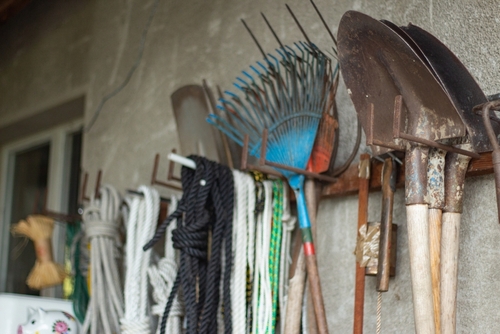
Garage tools often look like purely functional metal objects. They’re kept because they still work. Surface rust or patina can mask age. Few owners examine maker marks closely.
Older manufacturing methods sometimes signal higher craftsmanship. Specialty tools or discontinued brands attract enthusiasts. Original handles and parts matter to collectors. A utilitarian object can represent industrial history.
12. Photo albums and slides
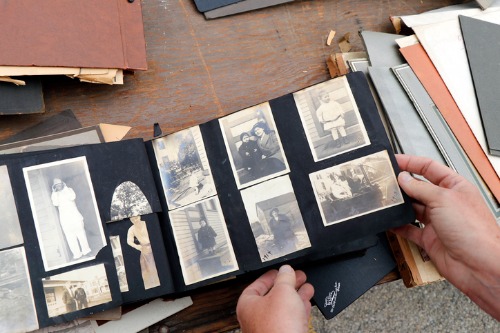
Family photo collections are usually treated as private memory banks. Slides and negatives feel technologically outdated. Storage conditions vary, affecting longevity. Their visual content is often overlooked beyond nostalgia.
Images capturing historic locations or everyday life can interest researchers. Original labeling adds context collectors value. Well-preserved film formats are increasingly appreciated. A personal archive can hold broader cultural relevance.
13. Old jars filled with pocket change
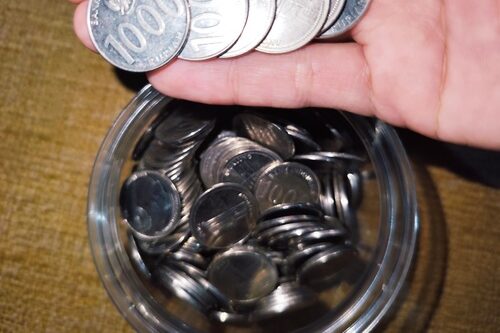
A jar of coins on a dresser usually feels like financial background noise. People toss in spare change without thinking twice about dates or mint marks. Over years, those coins quietly span multiple eras of circulation. That accidental time capsule is what makes them worth a closer look.
Certain coins contain silver, minting errors, or low-production years that collectors actively seek. Even common-looking coins from before the mid-1960s can carry metal value above face value. A single overlooked piece can outweigh the rest of the jar financially. What feels like clutter can hide a small, researchable windfall.
14. Old instruction manuals and packaging

Manuals and boxes are usually the first things people discard. They feel like clutter once an item is in use. Survivors often stay tucked in drawers by accident. Their rarity grows precisely because they were meant to be thrown away.
Collectors prize original paperwork that completes an item’s history. Packaging can significantly boost resale value when paired with the object. Print details help confirm authenticity and production era. Ephemera meant for the trash can become a finishing touch collectors chase.
This post Items That Look Ordinary — Until They Become Priceless was first published on Greenhouse Black.
