
1. Leveling Your Rig Like a Pro on the First Try
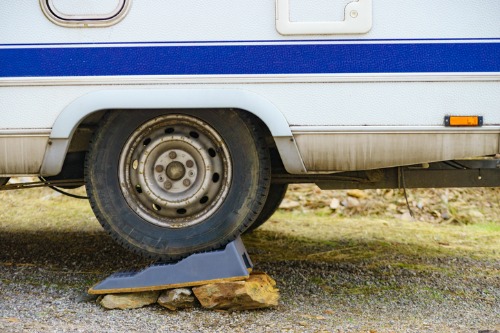
Pulling into a site and calmly leveling your RV without a lot of back-and-forth instantly sets a relaxed tone. Neighbors notice when someone seems prepared instead of flustered. It signals experience and consideration because you’re not revving the engine over and over. That smooth arrival helps keep the campground peaceful.
There’s also a practical side to this that people appreciate. A properly leveled rig prevents door slams, fridge issues, and late-night adjustments. Nobody wants to hear someone re-leveling after dark. Getting it right early shows you respect shared quiet time.
2. Managing Your Generator Hours Thoughtfully
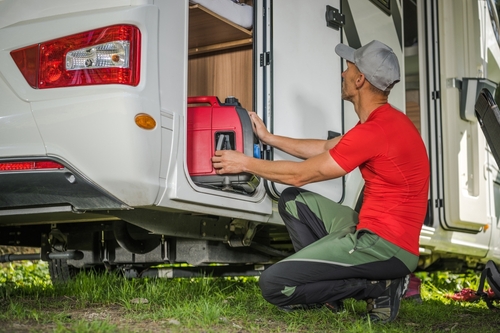
Running a generator at reasonable times is one of the fastest ways to earn goodwill. Most campers understand generators are sometimes necessary. The key is timing and duration. When you’re mindful, neighbors feel like their comfort matters.
Campgrounds often have posted quiet hours for a reason. Even outside those hours, long generator runs can wear on people. Keeping sessions short and predictable reduces tension. It creates an atmosphere where everyone feels heard without a word being spoken.
3. Parking With Space Awareness
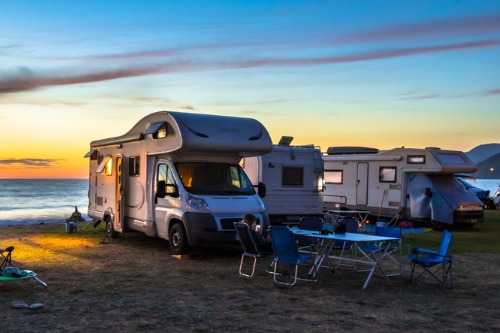
How you position your rig says a lot about your camping style. Leaving breathing room whenever possible makes shared spaces feel less crowded. Neighbors appreciate not having their windows stare directly into yours. It keeps the vibe friendly instead of cramped.
Thoughtful parking also improves safety and accessibility. Clear walkways prevent awkward squeezes between rigs. It shows you’re thinking beyond your own footprint. That small gesture contributes to a more cooperative campground rhythm.
4. Keeping Outdoor Lighting Soft and Directional
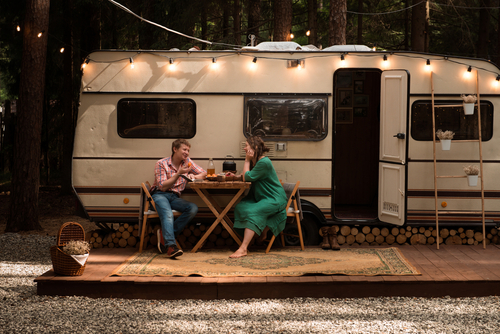
Bright floodlights can accidentally turn a campsite into a stadium. Using warm, low-intensity lighting preserves the cozy nighttime atmosphere. Neighbors can still enjoy stargazing or quiet conversations. It keeps the communal mood relaxed.
Directional lights are especially helpful. They illuminate your space without spilling into someone else’s window. This balance shows awareness of shared darkness. Good lighting choices subtly communicate campground etiquette.
5. Setting Up Camp Efficiently

A smooth setup routine minimizes disruption for everyone nearby. Fewer loud bangs, dropped gear, and frantic searching reduce stress. Neighbors feel like they’re sharing space with someone organized. That calm energy spreads quickly.
Efficiency also means you’re not blocking roads or paths longer than necessary. Other campers can move freely without delays. It’s a practical courtesy that people remember. A clean setup signals respect for communal flow.
6. Managing Pets With Clear Boundaries

Well-managed pets instantly ease neighbor concerns. Keeping dogs leashed and supervised prevents surprise encounters. Campers feel more comfortable relaxing outside. It reinforces a sense of shared responsibility.
Cleaning up promptly matters just as much. Nobody wants to navigate unpleasant surprises around their site. Consistent pet etiquette builds trust fast. It shows you value everyone’s enjoyment of the space.
7. Controlling Music and Outdoor Audio
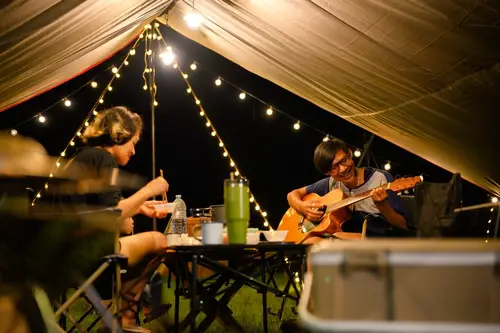
Music can enhance a campsite, but volume is everything. Keeping sound levels personal instead of broadcast preserves campground harmony. Neighbors can enjoy their own quiet or conversations. That mutual respect shapes the social tone.
Portable speakers carry farther than many people expect. Regularly checking your volume prevents accidental disturbance. It demonstrates awareness of your surroundings. Small adjustments make a big difference in shared environments.
8. Practicing Clean Camp Habits
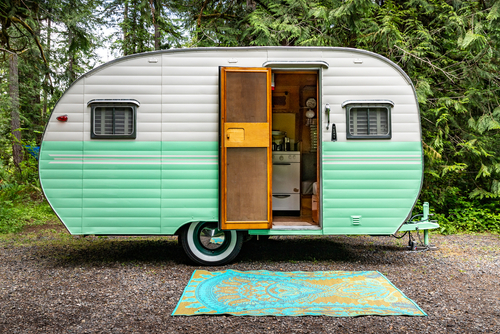
A tidy campsite sends a welcoming signal. Secured trash and organized gear prevent visual clutter. Neighbors appreciate spaces that feel intentional. It contributes to an overall sense of care.
Clean habits also deter wildlife and pests. That protects not just your site but nearby campers too. Shared cleanliness reduces campground headaches. It’s a practical courtesy with community-wide benefits.
9. Respecting Walkways and Shared Roads

Keeping gear and vehicles clear of common paths helps traffic flow smoothly. Other campers don’t have to weave around obstacles. It lowers frustration before it starts. People notice when movement feels easy.
This awareness also supports safety. Clear routes help emergency access if needed. It’s a quiet but meaningful consideration. Thoughtful spacing keeps the campground running smoothly.
10. Timing Outdoor Chores Wisely
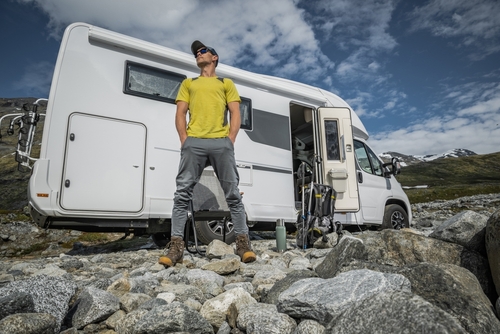
Activities like hammering stakes or running power tools carry sound. Doing them during daytime hours prevents unwanted wake-up calls. Neighbors appreciate predictable noise windows. It protects the campground’s rest periods.
Even routine maintenance can wait for appropriate times. Planning ahead reduces rushed, noisy fixes. This foresight signals strong camping etiquette. It keeps shared quiet hours intact.
11. Greeting Neighbors Without Overcrowding Them
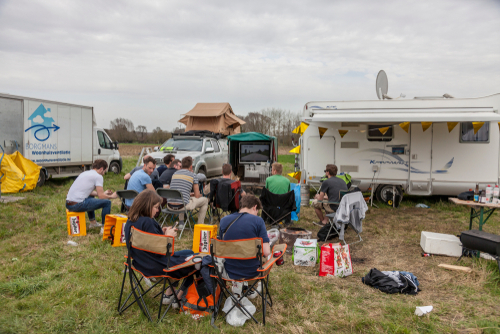
A friendly hello sets a positive tone immediately. It opens the door for goodwill without pressure. Most campers appreciate simple acknowledgment. It humanizes the shared space.
At the same time, reading social cues matters. Not everyone wants long conversations. Respecting boundaries maintains comfort for all. Balanced friendliness helps everyone feel welcome without intrusion.
This post RV Moves That Change Neighbor Energy was first published on Greenhouse Black.
