
1. YMCA
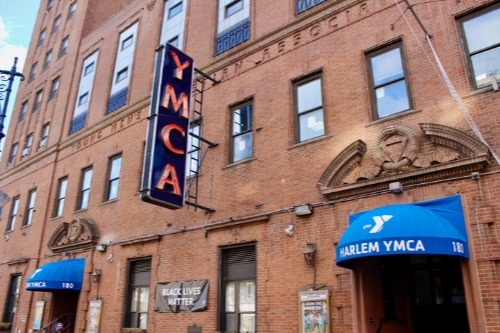
Community centers like the YMCA have long blended fitness, education, and social services under one roof. Families, seniors, and teens share facilities in overlapping schedules. That intergenerational mixing reinforces the idea that wellness is communal, not isolated. It reflects a social norm that values collective health and accessibility.
Modern programming has expanded to include inclusion-focused initiatives and community outreach. Adaptive sports, language classes, and social programs are integrated into everyday operations. This signals a broader expectation that shared spaces should actively support equity. The building itself becomes a tool for social cohesion.
2. Central Park
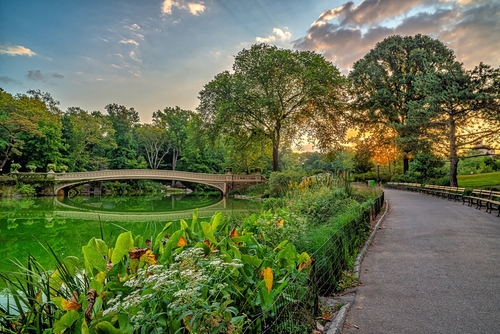
When people talk about shared American space, Central Park is practically the opening chapter. Designed in the 19th century as a democratic landscape, it intentionally mixed social classes in one public setting. Today, you’ll see joggers, chess players, picnickers, and street performers overlapping in ways that feel organic. That constant mixing reflects a long-running American experiment: can public design encourage social equality?
What’s changed is how the park is used as a platform for expression and identity. Cultural festivals, protests, and large-scale art installations now coexist with casual recreation. The park has become a socially accepted venue for visible difference, not just quiet leisure. Its evolution mirrors a broader norm shift toward public life that welcomes diversity and collective voice.
3. Starbucks
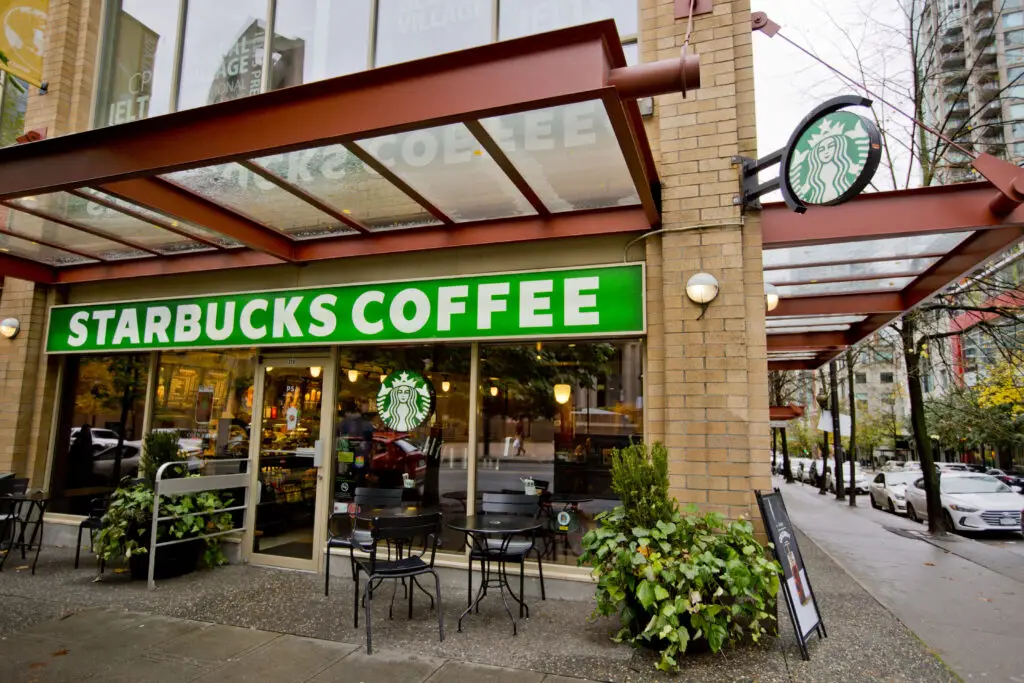
Coffee shops used to be quick stops, but Starbucks helped normalize lingering in commercial space. The company popularized the idea of the “third place,” somewhere between home and work. Customers routinely treat these cafés as offices, meeting rooms, or study halls without social friction. That behavior signals a cultural comfort with semi-private work happening in public.
This shift reflects changing expectations around productivity and visibility. Working in public is no longer seen as unprofessional or distracting. Instead, it suggests flexibility and modern work culture. The café becomes a socially sanctioned hybrid zone where personal, social, and professional boundaries blur.
4. WeWork
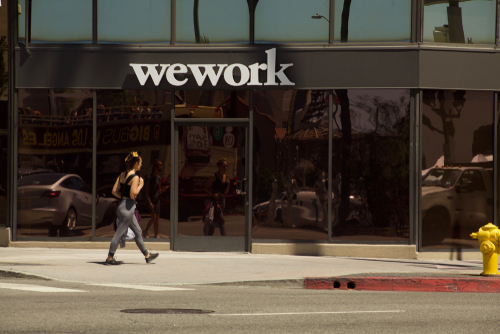
Coworking spaces like WeWork reframed the office as a shared social ecosystem. Freelancers and startups now routinely operate side by side with strangers. That proximity encourages casual networking and collaboration that traditional offices rarely allowed. It reflects a norm shift toward openness and fluid professional identity.
The popularity of coworking signals changing attitudes about ownership and status. Having a private office is no longer the ultimate symbol of success. Shared infrastructure is seen as efficient, social, and even aspirational. The workplace becomes a community setting rather than a closed hierarchy.
5. Burning Man
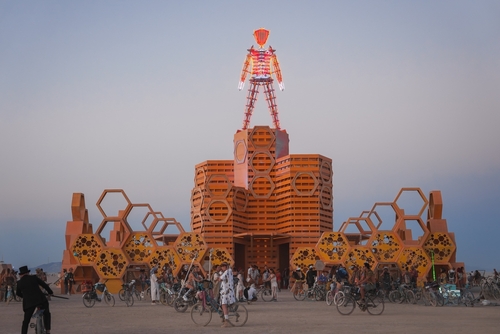
Burning Man temporarily transforms desert land into a participatory city. Attendees are expected to contribute art, labor, or performance rather than passively consume. That model flips the usual spectator dynamic of public gatherings. It reflects a growing cultural value placed on co-creation and radical self-expression.
The event also normalizes experimental social rules like gifting economies and communal responsibility. Participants negotiate shared resources in real time. This creates a living test case for alternative social norms. The popularity of the festival suggests Americans are increasingly curious about collaborative living models.
6. High Line
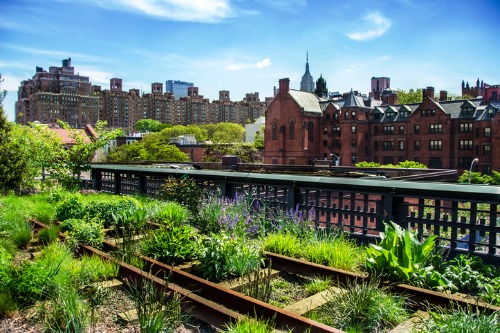
The High Line repurposed an elevated rail line into a linear public park. Its design encourages slow walking, observation, and spontaneous social encounters. Visitors share tight pathways that invite polite negotiation of space. That choreography reflects an urban norm favoring density with civility.
The park’s success influenced cities to rethink underused infrastructure. Industrial remnants are now seen as opportunities for shared cultural space. This shift signals a preference for sustainability paired with public access. Urban design becomes a conversation about how people want to gather.
7. Mall of America
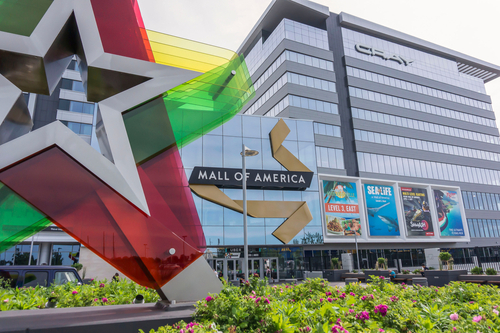
Mega-malls like the Mall of America function as climate-controlled town squares. People visit for entertainment, dining, and socializing as much as shopping. Teen hangouts, family outings, and casual strolling all coexist in one environment. This reflects a norm where commercial space doubles as social infrastructure.
The mall’s evolution into an experiential venue mirrors changing consumer expectations. People increasingly value shared experiences over simple transactions. Attractions and events are designed to encourage lingering and interaction. Retail space becomes a stage for collective leisure.
8. Airbnb
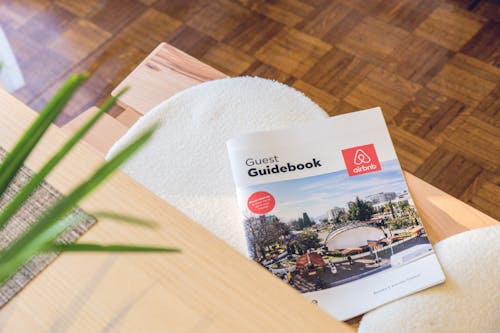
Airbnb blurred the boundary between private homes and public hospitality. Travelers now routinely inhabit residential neighborhoods as temporary guests. This practice normalizes a rotating cast of strangers within community spaces. It reflects a social shift toward trust mediated by digital platforms.
Neighborhoods have had to renegotiate expectations around privacy and belonging. Hosts, guests, and neighbors navigate shared norms in real time. The platform forces conversations about regulation, community identity, and access. Housing becomes part of a broader dialogue about shared resources.
9. SoulCycle
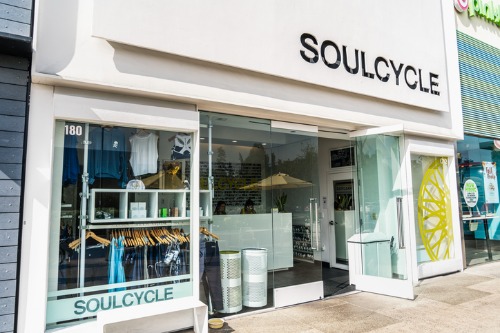
Boutique fitness studios like SoulCycle frame exercise as a collective ritual. Participants ride in synchronized classes that emphasize emotional release and group energy. The shared intensity fosters a sense of belonging among strangers. This reflects a norm where wellness is social and performative.
The studio environment encourages openness about personal growth and motivation. Instructors often blend coaching with community-building language. That tone mirrors broader cultural comfort with public vulnerability. Fitness becomes a shared narrative rather than a solitary task.
10. Chelsea Market
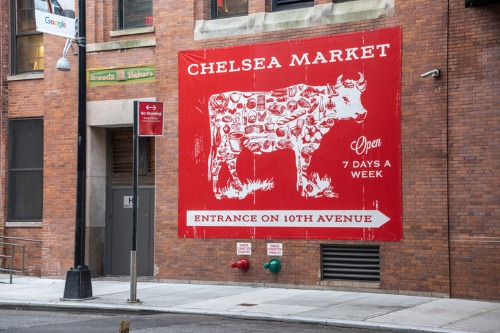
Food halls like Chelsea Market gather diverse vendors under one roof. Diners share communal seating regardless of what they ordered. This setup encourages casual cross-cultural encounters over meals. It reflects a norm that celebrates culinary diversity as social glue.
The layout prioritizes browsing and conversation over formal dining. People negotiate space, lines, and seating in cooperative ways. That choreography reinforces everyday social skills in crowded environments. Eating becomes a low-stakes form of public participation.
11. NYC Pride March
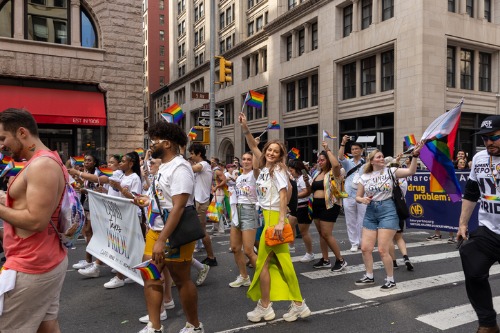
Large public celebrations like the NYC Pride March transform streets into spaces of affirmation. Participants and spectators share visibility in a highly expressive environment. The event normalizes identity celebration in mainstream public space. It reflects a societal shift toward recognizing LGBTQ+ presence as civic life.
The march also demonstrates how protest and celebration can coexist. Corporate groups, activists, and families all occupy the same route. That mix shows how social norms evolve through collective participation. Streets temporarily become platforms for redefining belonging.
This post How American Shared Spaces Reflect Changing Social Norms was first published on Greenhouse Black.
