
1. New York City
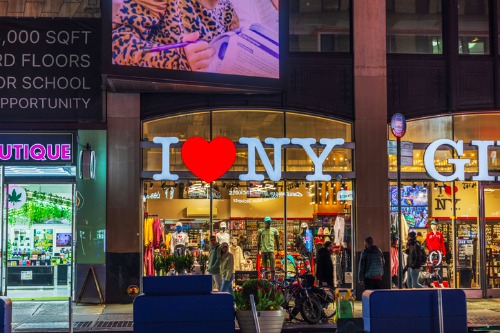
Shopping in New York City feels like moving through a stack of wildly different mini-cities. Fifth Avenue luxury sits a short walk from niche boutiques in SoHo and vintage spots in the East Village. That density means your sense of price, style, and pace keeps shifting block by block. You’re constantly recalibrating what counts as everyday shopping.
Street markets, sample sales, and pop-ups add a treasure-hunt layer to daily life. Weekend browsing at flea markets turns shopping into a social sport. That culture makes wandering feel intentional, even when you’re not buying anything. The city ends up feeling like a rotating retail stage where discovery is part of the identity.
2. Los Angeles
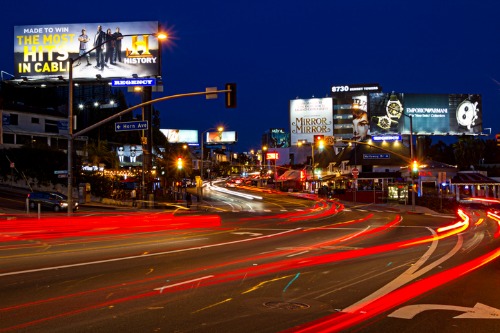
Shopping in Los Angeles is spread across open-air malls, neighborhood strips, and destination districts. Places like outdoor lifestyle centers blur the line between errands and leisure. Boutique-heavy neighborhoods give each area its own fashion personality. The city’s scale makes shopping feel like a choose-your-own-adventure.
Car-centric retail changes how people plan their days. Farmers markets and pop-up events become weekly rituals that anchor neighborhoods. That mix of convenience and curation encourages slower, more intentional stops. Los Angeles ends up feeling like a collection of retail villages stitched together by highways.
3. Chicago
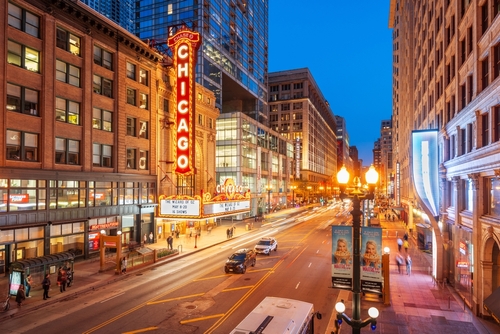
Chicago’s shopping patterns mirror its strong neighborhood identities. The Magnificent Mile delivers polished flagship retail while local corridors showcase independent shops. Crossing from one area to another feels like switching style languages. The city reveals itself through what each neighborhood chooses to sell.
Seasonal markets and indoor shopping arcades keep retail active year-round. Winter browsing becomes part of the social fabric rather than a chore. That resilience shapes how people gather and linger. Chicago ends up feeling grounded, practical, and proudly local in its commerce.
4. San Francisco
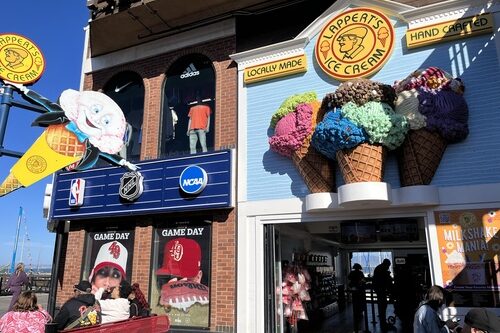
San Francisco shopping reflects the city’s tech-forward and artisanal streak. High-end boutiques coexist with maker-focused shops and specialty grocers. Walking between them feels like toggling between innovation and craft. Retail becomes a window into the city’s values.
Compact neighborhoods make shopping intensely walkable. Farmers markets and eco-conscious stores reinforce a culture of mindful consumption. That emphasis nudges shoppers toward quality over quantity. The city ends up feeling curated, intentional, and slightly experimental.
5. Seattle
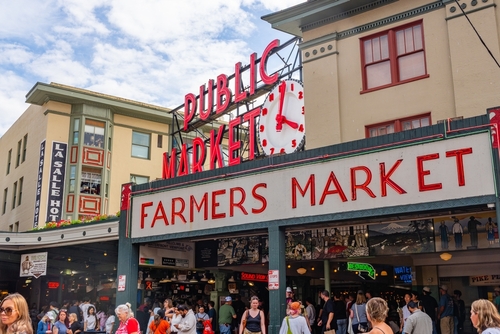
Seattle’s retail culture leans heavily into local makers and outdoor lifestyle brands. Independent bookstores, coffee shops, and gear stores cluster in walkable districts. Browsing often feels tied to hobbies and weather-ready living. The shopping landscape mirrors the city’s practical creativity.
Public markets and neighborhood shopping streets act as community anchors. People treat errands as chances to socialize and linger. That habit softens the pace of urban life. Seattle ends up feeling cozy and community-driven through its commerce.
6. Austin
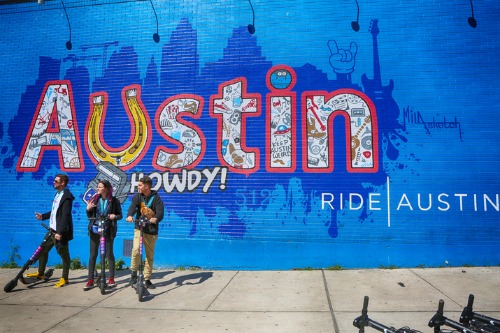
Austin shopping thrives on small businesses and quirky specialty stores. Vintage shops and handmade goods reflect the city’s creative reputation. Retail districts feel like extensions of the local music and art scenes. Browsing becomes part of the city’s personality.
Weekend markets and festival pop-ups blur shopping with entertainment. Locals often plan outings around these rotating retail events. That rhythm keeps commerce playful and social. Austin ends up feeling spontaneous and maker-focused.
7. Miami
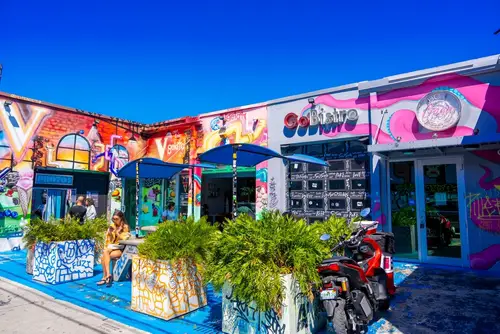
Miami shopping is shaped by fashion-forward districts and international influence. Luxury malls sit alongside Latin-inspired boutiques and open-air markets. The variety reflects the city’s global connections. Retail feels expressive and image-conscious.
Waterfront promenades and design districts encourage strolling as much as buying. Shopping becomes part of a lifestyle performance. That emphasis on presentation influences how neighborhoods feel. Miami ends up vibrant, glossy, and social through its retail culture.
8. Las Vegas
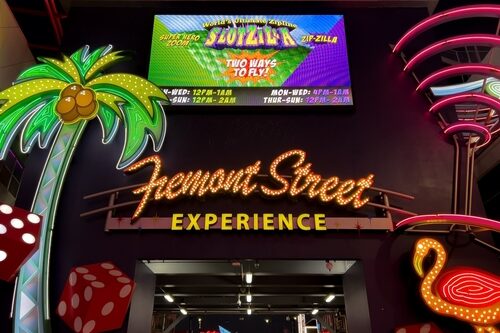
Las Vegas shopping is built into entertainment complexes and themed resorts. High-end retail corridors sit steps away from casinos and shows. Buying something feels like part of the spectacle. Commerce is designed to impress.
Late-night shopping keeps retail aligned with the city’s 24-hour energy. Visitors browse as part of their nightlife routine. That constant activity blurs time and purpose. Las Vegas ends up feeling theatrical and immersive through its shopping design.
9. Nashville
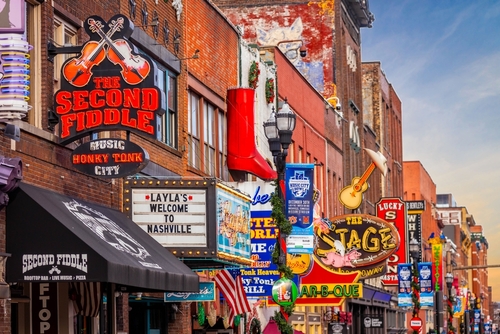
Nashville’s shopping scene mixes Southern boutiques with music-driven retail. Specialty shops sell everything from boots to vinyl records. Each district reflects a slice of the city’s cultural identity. Shopping becomes a storytelling device.
Local markets and artisan fairs highlight regional makers. Shoppers often meet the people behind the products. That personal connection shapes how commerce feels. Nashville ends up warm, narrative, and proudly local.
10. Boston
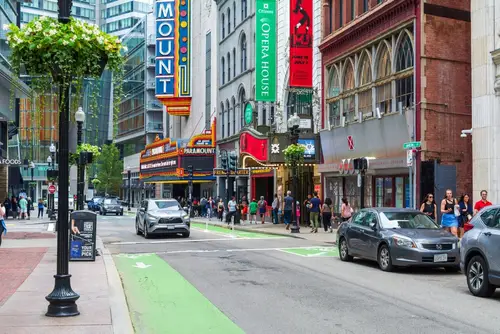
Boston shopping blends historic streets with modern retail centers. Cobblestone corridors host independent shops beside national brands. The setting adds a sense of continuity to everyday buying. Commerce feels layered with history.
Neighborhood shopping squares double as social gathering spots. Seasonal events keep foot traffic lively year-round. That consistency reinforces community identity. Boston ends up feeling intimate and tradition-aware through its retail patterns.
11. Denver
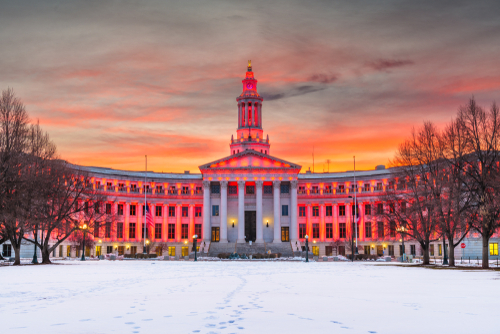
Denver’s retail reflects its outdoor culture and growing urban core. Gear shops, breweries, and boutiques cluster in revitalized districts. Shopping trips often connect to recreation plans. The city’s priorities show up in what fills storefronts.
Open-air shopping streets encourage walking and casual browsing. Weekend markets tie retail to local food and craft scenes. That integration makes errands feel social. Denver ends up energetic and lifestyle-driven.
12. Portland
Portland shopping leans heavily into independent businesses and niche specialties. Bookstores, vintage shops, and handmade goods define many corridors. Browsing feels like supporting a creative ecosystem. Retail becomes an expression of values.
Neighborhood markets and maker fairs reinforce local loyalty. Shoppers often seek uniqueness over convenience. That mindset shapes how districts evolve. Portland ends up feeling curated, quirky, and community-centered.
13. San Diego
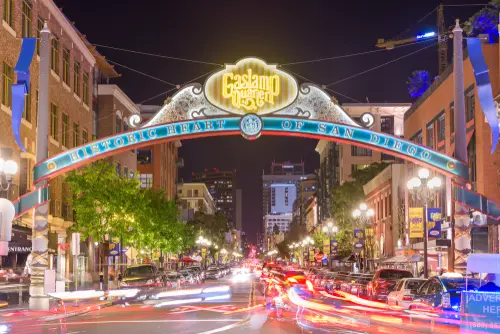
San Diego shopping reflects its coastal lifestyle and laid-back vibe. Surf shops, outdoor malls, and neighborhood boutiques dominate retail zones. Buying often feels tied to leisure and sunshine. The environment influences what people prioritize.
Beach-adjacent shopping districts encourage slow strolling. Visitors mix dining, browsing, and people-watching in one outing. That fluid rhythm softens the commercial edge. San Diego ends up relaxed and lifestyle-oriented.
14. Atlanta
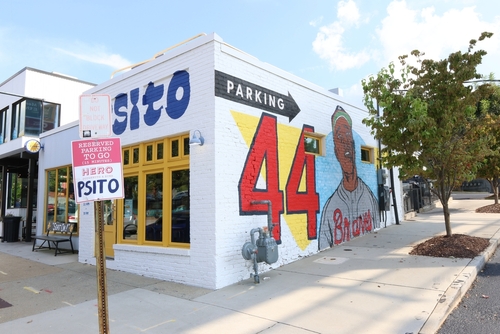
Atlanta’s shopping spans upscale malls, historic markets, and neighborhood boutiques. Each area showcases a different slice of Southern urban culture. Moving between them highlights the city’s diversity. Retail becomes a map of identity.
Large shopping centers coexist with locally driven retail corridors. Community events frequently revolve around these spaces. That overlap turns commerce into gathering infrastructure. Atlanta ends up dynamic and socially anchored through its shopping patterns.
This post Why Shopping Patterns Change How These 14 Cities Feel was first published on Greenhouse Black.
