
1. Moab
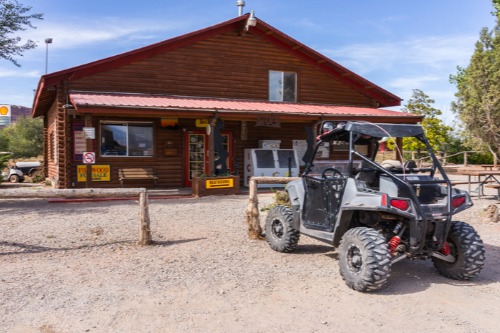
Moab feels purpose-built for travelers who live out of their rigs. RV parks are clustered close to trail access and town, so you can switch from red-rock adventures to a hot shower quickly. The landscape itself creates a shared sense of awe among campers. That shared experience makes people more likely to chat and connect.
Local operators are deeply familiar with off-roaders and road-trippers. Many parks offer oversized sites and gear-friendly amenities that show they understand your needs. Staff regularly swap trail conditions and sunrise tips with guests. You feel supported rather than just parked.
2. Asheville
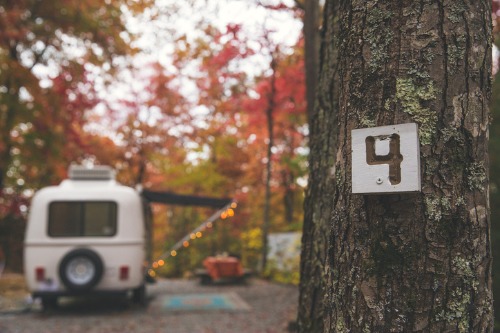
Asheville has a long-standing outdoor culture that makes RV travelers feel like regulars, not outsiders. Many campgrounds sit minutes from breweries, trailheads, and live music venues, so you’re never isolated. The nearby Blue Ridge Parkway gives easy scenic drives right from your campsite. That mix of access and attitude creates a laid-back, welcoming vibe.
Campground owners here are used to hikers and vanlifers rolling in year-round. You’ll often see communal fire pits designed to spark conversation between sites. Staff typically share local tips instead of generic brochures. It feels less transactional and more like joining a neighborhood.
3. Traverse City
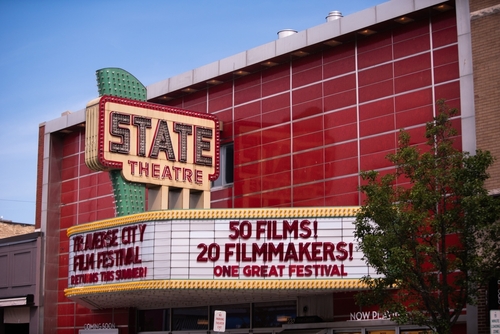
Traverse City blends lake-town charm with RV-friendly infrastructure. Campsites often sit near beaches and cherry orchards, giving you instant vacation energy. The compact downtown is easy to access without unhooking your whole setup. That convenience lowers stress and raises friendliness.
Campgrounds here lean into community events during peak season. You’ll find potlucks, movie nights, and casual meetups by design. Hosts are used to multi-generational travelers and plan accordingly. The result is a social, family-style atmosphere.
4. Bend
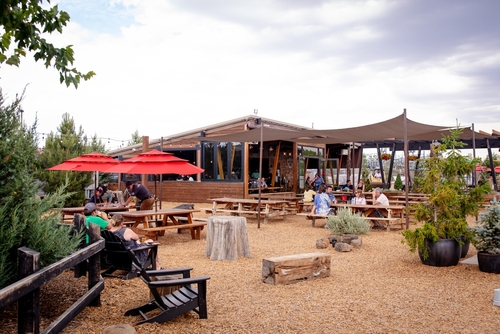
Bend attracts outdoor lovers who naturally appreciate the RV lifestyle. Many campgrounds sit near the Deschutes River and extensive trail systems. You can paddle, bike, and hike without long drives. That easy access creates a relaxed, adventure-ready mood.
Operators here tend to cater to active travelers with gear wash stations and bike storage. Staff often double as unofficial guides to local routes. Campers swap recommendations like neighbors comparing notes. The environment encourages connection through shared hobbies.
5. Bar Harbor
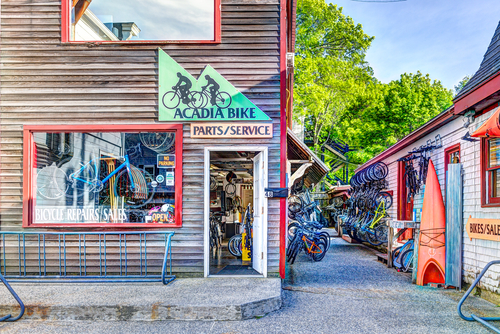
Bar Harbor is a gateway town where RV travelers arrive with a sense of anticipation. Campgrounds are strategically placed for quick access to Acadia National Park’s scenic loops. The coastal setting gives every stay a vacation feel. That excitement makes people more open and friendly.
Local campground teams are accustomed to first-time visitors navigating big rigs. Many provide shuttle info and park tips to simplify logistics. Fellow campers bond over sunrise hikes and tidepool stories. The shared bucket-list energy is contagious.
6. Jackson
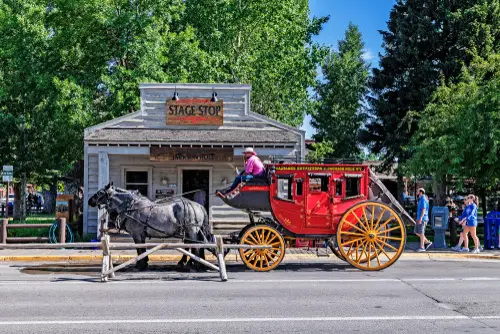
Jackson draws RV travelers chasing big landscapes and wildlife sightings. Campgrounds serve as comfortable basecamps for trips into nearby national parks. Wide-open views naturally slow everyone down. That pace helps strangers become quick acquaintances.
Staff are used to guests planning early-morning park entries and scenic drives. Many parks provide practical amenities like dump stations designed for high turnover. Campers trade wildlife tips over coffee. The culture feels collaborative rather than competitive.
7. Sedona
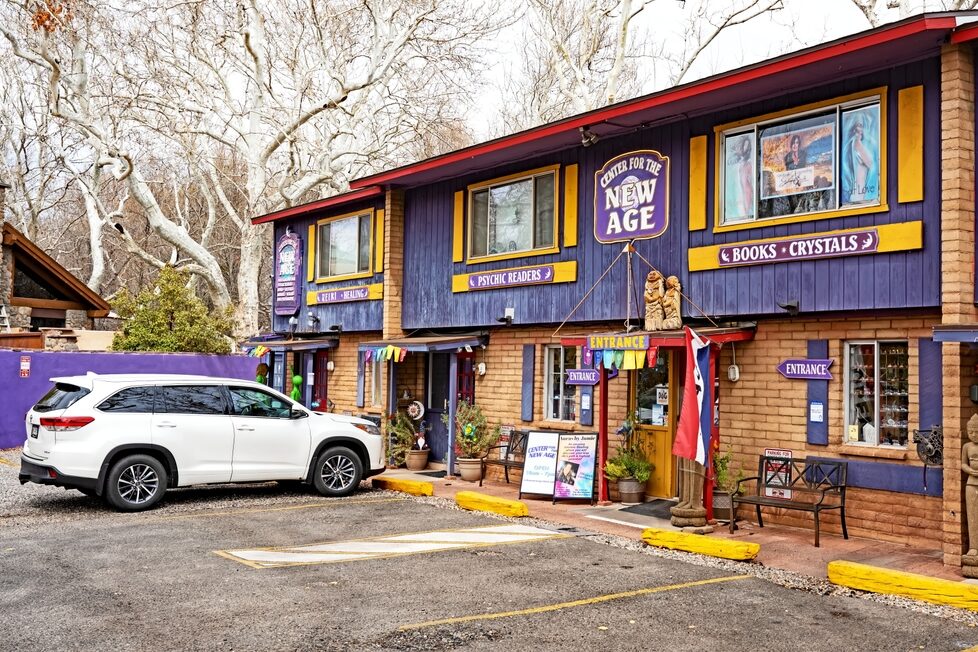
Sedona’s red rock scenery creates an instant sense of wonder. RV parks are positioned to maximize views and trail access. Morning hikes and sunset overlooks become daily rituals. Those shared routines spark easy conversation.
Campgrounds here attract travelers interested in nature and wellness. It’s common to see informal yoga sessions or group stargazing. Hosts often highlight lesser-known scenic spots. The atmosphere feels intentional and welcoming.
8. Gatlinburg
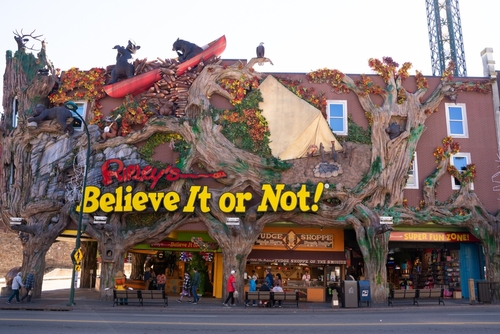
Gatlinburg sits right at the doorstep of mountain adventures. RV parks cluster along rivers and wooded corridors near the national park. The sound of water and forest air sets a calming tone. That setting naturally softens social boundaries.
Campground communities here are used to family road trips and repeat visitors. Seasonal decorations and themed weekends add personality. Neighbors quickly become porch-chat companions. It feels festive without being overwhelming.
9. Door County
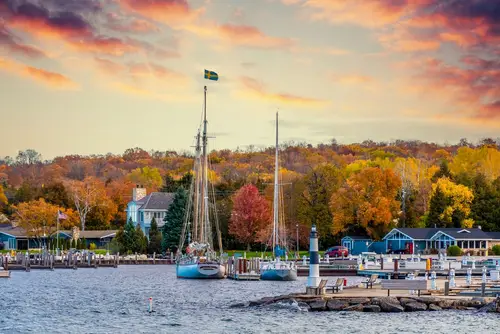
Door County combines shoreline scenery with small-town hospitality. Many RV campgrounds are close to lighthouses, beaches, and orchards. You can explore multiple villages without long drives. That convenience encourages lingering and conversation.
Camp hosts often organize simple social gatherings during peak months. Travelers share ferry plans and sunset viewing spots. The region’s slower pace promotes neighborly interactions. It feels like a lakeside community rather than a stopover.
10. Santa Fe
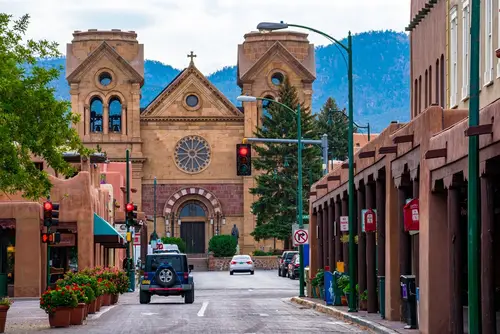
Santa Fe offers a blend of culture and high-desert calm that suits RV travel. Campgrounds provide easy access to art districts and scenic drives. The altitude and open skies give evenings a quiet magic. That atmosphere invites reflection and friendly chats.
Operators here cater to travelers exploring galleries and historic sites. Many parks emphasize peaceful layouts and shaded gathering spaces. Campers swap restaurant tips as readily as trail advice. The vibe is curious and welcoming.
11. Rapid City
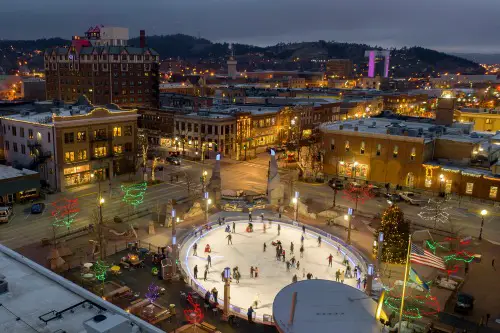
Rapid City is a practical hub for exploring iconic regional landmarks. RV parks are built with road-trippers in mind, offering spacious pull-through sites. Easy logistics remove a lot of travel stress. Relaxed travelers tend to be friendlier travelers.
Campgrounds see a steady mix of cross-country visitors. That diversity sparks plenty of storytelling around picnic tables. Staff are skilled at helping guests map efficient sightseeing routes. The environment feels supportive and social.
12. Lake Tahoe
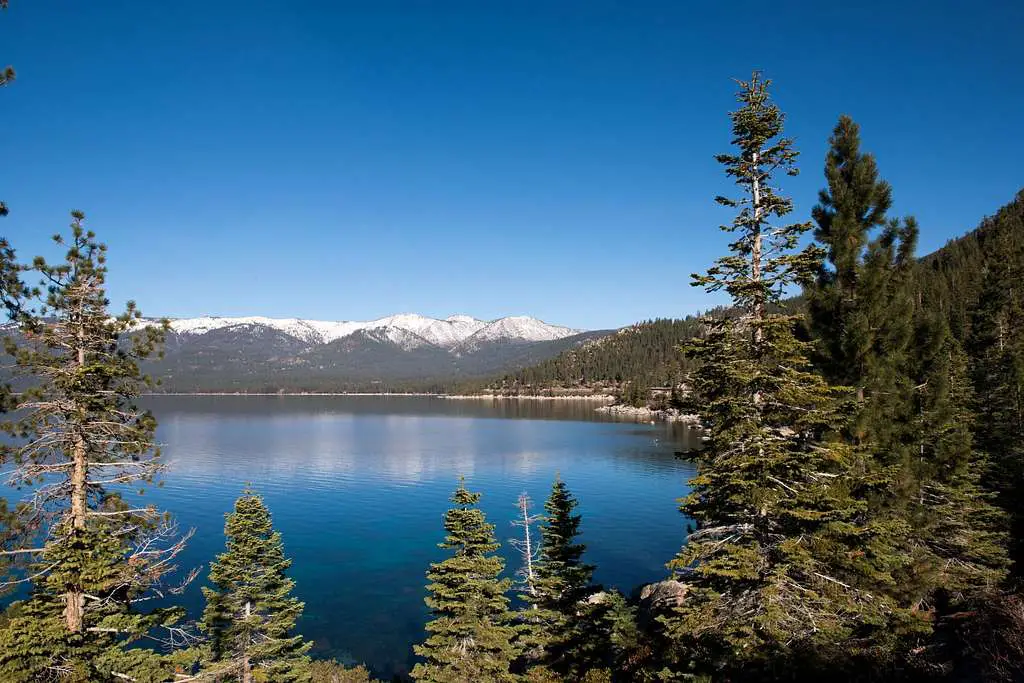
Lake Tahoe’s alpine setting makes every campsite feel like a retreat. RV parks sit near beaches, forests, and mountain trails. You can shift from kayaking to campfire evenings with minimal effort. That variety keeps moods light and sociable.
Campground culture here leans toward outdoor recreation and shared experiences. Travelers compare trail routes and water conditions. Staff typically highlight seasonal activities to maximize your stay. The energy is upbeat and communal.
13. Key West
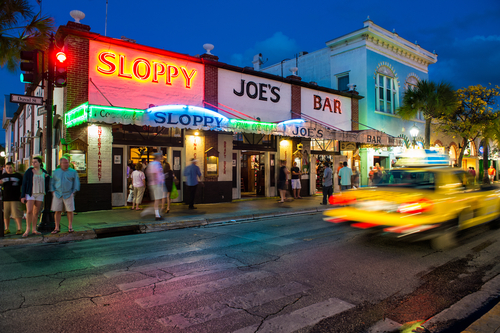
Key West delivers a tropical endpoint vibe that feels celebratory. Waterfront RV parks place you steps from ocean breezes and sunsets. The island pace encourages lingering conversations. People arrive ready to relax and connect.
Campgrounds cater to travelers treating their stay as a reward. Social spaces are designed for sunset viewing and casual mingling. Guests trade snorkeling tips and local favorites freely. The mood is friendly, festive, and unmistakably welcoming.
This post Campsites Feel More Welcoming in These Places for a Reason was first published on Greenhouse Black.
