
1. Tire sidewalls tell a maintenance story
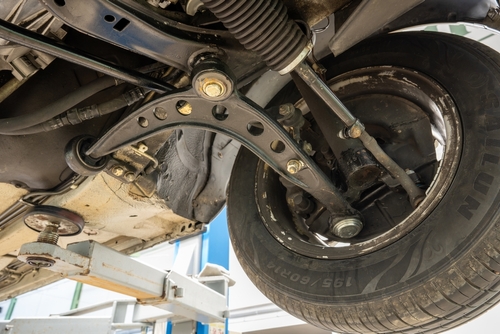
Experienced RVers notice tire sidewalls before anything else. They scan for weather cracking, uneven wear, or bulges. These clues reveal maintenance habits and storage conditions. Small visual cues can hint at bigger mechanical risks.
Tires age out long before they wear out on many rigs. Sun exposure and underinflation accelerate hidden damage. Catching this early prevents blowouts and costly roadside repairs. That is why veterans instinctively look low before they look inside.
2. How the rig sits reveals weight and suspension issues
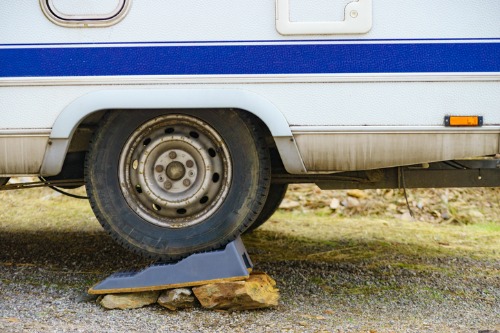
Seasoned campers immediately check how a rig sits on its suspension. A sagging corner suggests overloaded storage or worn components. Uneven stance often predicts alignment or weight distribution problems. These details affect towing stability and tire life.
Proper leveling protects appliances and structural joints. Chronic imbalance stresses frames over thousands of miles. Experienced eyes connect stance with long term durability. It is a fast visual shortcut to overall care.
3. Slide-out movement exposes hidden wear

Veteran RVers listen to slide-out operation right away. Grinding or jerky motion signals maintenance neglect. Smooth travel indicates lubricated tracks and healthy motors. Sound alone tells a story about usage patterns.
Slide systems carry significant weight every cycle. Friction and misalignment compound damage over time. Early detection avoids bent rails and seal failures. That is why the first extension is a diagnostic moment.
4. Interior smell can signal water trouble

Experienced travelers sniff for moisture the moment they enter. Musty air often points to hidden leaks or past water intrusion. Odor lingers even after cosmetic cleaning. Smell becomes a quick integrity test.
Water damage weakens wood, insulation, and adhesives. Mold growth can spread behind finished panels. Repairs escalate quickly once rot sets in. A simple breath check protects against expensive surprises.
5. Roof sealant condition predicts longevity
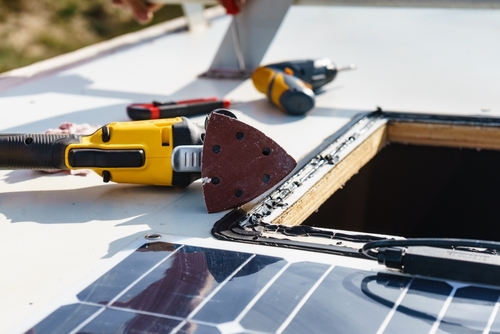
Skilled RVers inspect roof sealant lines without hesitation. Cracked or peeling caulk reveals deferred maintenance. Clean seams suggest routine resealing schedules. The roof quietly determines the lifespan of the coach.
UV radiation breaks down sealants every season. Gaps invite water into structural layers. Preventive resealing is cheaper than structural repair. Veterans know the roof is the first line of defense.
6. Battery compartments reflect electrical care
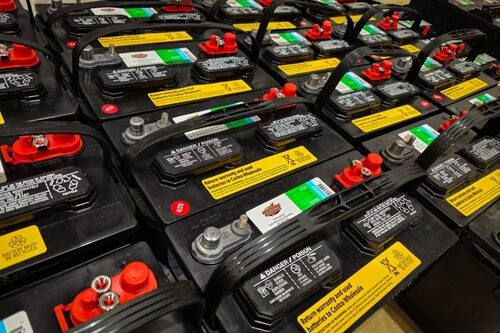
Experienced owners glance at battery compartments early. Corrosion or mismatched batteries hint at electrical neglect. Clean terminals suggest regular inspection habits. Power health affects every onboard system.
Poor connections create voltage drops and heat. Batteries fail faster when improperly charged or paired. Electrical issues cascade into appliance problems. A quick check predicts reliability off grid.
7. Cabinet behavior mirrors road stress
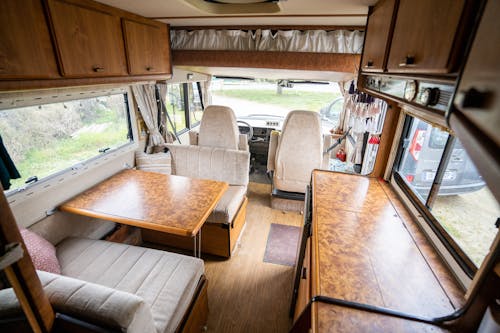
Seasoned RVers watch how cabinet doors and drawers behave. Loose hardware signals vibration damage or rushed repairs. Tight alignment reflects attentive upkeep. Interior wear mirrors travel stress.
Road vibration gradually loosens fasteners. Ignored movement accelerates joint fatigue. Small fixes prevent larger structural failures. Veterans read cabinetry like a maintenance log.
8. Water pump sound reveals plumbing health
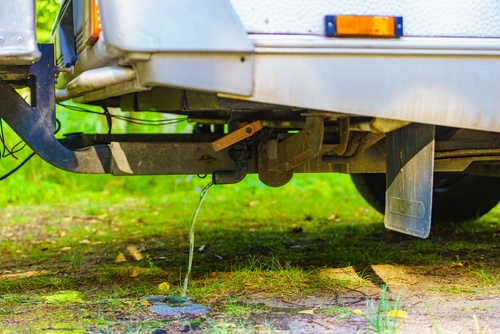
Experienced campers test water pressure and pump noise. Pulsing flow suggests air leaks or worn diaphragms. Smooth delivery indicates healthy plumbing. Sound and feel reveal system condition.
Plumbing faults can hide behind walls. Leaks cause slow structural damage. Early detection reduces water waste and repair cost. Listening saves time and materials.
9. Propane components hint at safety practices
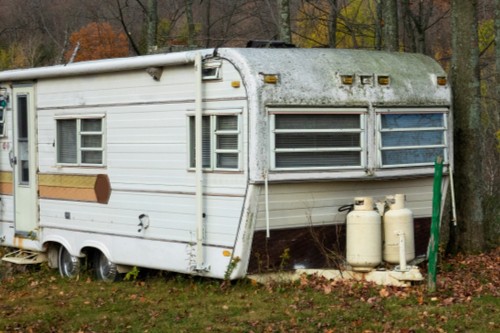
Veteran travelers check the age of propane components. Brittle hoses or dated regulators raise safety flags. Fresh fittings imply proactive replacement. Gas systems demand strict attention.
Rubber degrades from heat and UV exposure. Leaks increase fire and explosion risk. Scheduled replacement maintains safe pressure control. Experienced eyes prioritize fuel safety instantly.
10. Entry door alignment reflects structural integrity

Skilled RVers observe how the entry door seals. Light gaps or resistance suggest frame shift or seal wear. A snug close indicates proper alignment. Door behavior reflects body integrity.
Seals keep water, dust, and pests outside. Misalignment hints at structural flex. Early adjustment prevents progressive damage. Veterans treat the door as a structural indicator.
11. Service records reveal the real history

Experienced owners examine service records or labels right away. Missing documentation implies inconsistent maintenance. Detailed logs show disciplined care. Paper trails reveal usage history.
Regular servicing extends component lifespan. Documentation supports warranty and resale value. Patterns in records expose recurring issues. Veterans trust evidence over appearances.
This post Signals That Experienced RVers Catch Immediately was first published on Greenhouse Black.
