
1. Pyrex Patterned Mixing Bowls
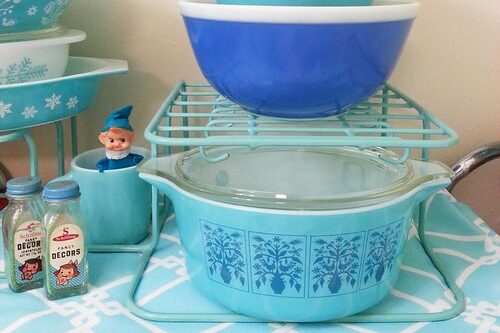
If you grew up in a mid-century kitchen, chances are you’ve seen brightly colored glass bowls stacked in a cabinet like edible rainbows. Those cheerful sets from Pyrex were originally just durable kitchen workhorses meant to survive daily baking chaos. Nobody buying them in the 1950s or 60s was thinking about resale value. They were simply practical, affordable, and pretty.
Today, certain discontinued patterns command serious attention from collectors who obsess over condition and completeness. Rare colorways like Pink Daisy or Butterprint can sell for hundreds when the set is intact. The appeal is nostalgia mixed with industrial design history. What was once a flour-dusted staple is now a display-piece trophy.
2. First-Generation Pokémon Cards
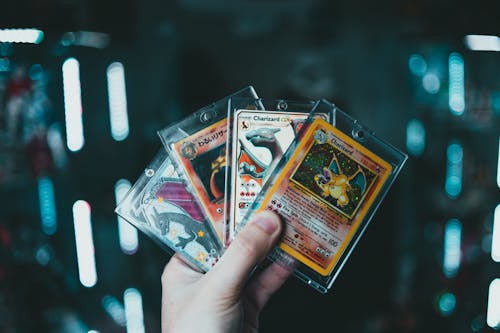
Kids traded them on playgrounds without a second thought, often bending corners or stuffing them into pockets. Early print runs from Pokémon Red and Blue fueled a card craze that felt disposable at the time. Most parents saw them as cardboard clutter. Few imagined they’d ever be treated like fine art.
Mint-condition holographic cards from the late 1990s are now auction-house darlings. Scarcity plus pop-culture impact turned childhood collectibles into investment-grade assets. Grading services have formalized their value like coins or comics. That crumpled binder from elementary school might contain a small fortune.
3. Cast Iron Skillets
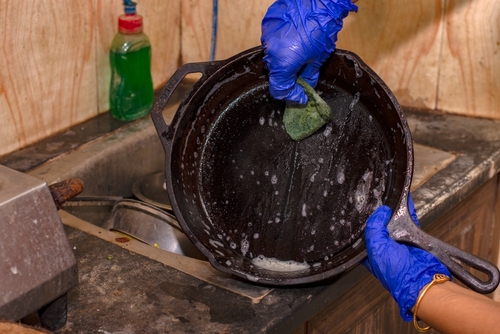
For decades, cast iron pans were passed down because they were indestructible, not collectible. Brands like Griswold Manufacturing produced skillets meant for everyday cooking, not glass cases. Families seasoned them through generations of breakfasts and stews. They were tools first and heirlooms by accident.
Collectors now hunt for specific logos, eras, and manufacturing marks. Early smooth-finish pans are prized for performance and craftsmanship. Restoration culture has added another layer of appreciation. What once hung quietly on a kitchen hook is now cataloged and curated.
4. VHS Horror Tapes
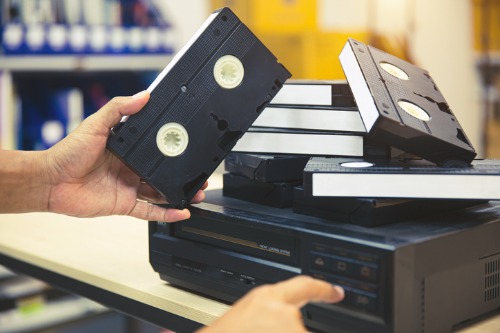
Video rental stores once treated horror tapes as disposable inventory. Titles from studios like Vestron Video flooded shelves with lurid cover art designed to grab attention. Most copies were played to death or discarded during the DVD transition. Nobody expected them to age into artifacts.
Today, collectors chase original clamshell releases for their artwork and scarcity. Cult horror fans value the tactile experience as much as the film itself. Certain tapes sell for surprising sums when sealed. They’ve become time capsules of analog movie culture.
5. Vintage Lunchboxes
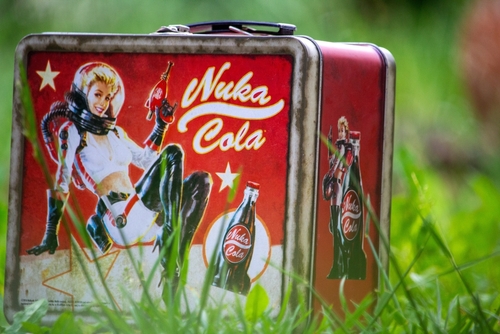
Metal lunchboxes were everyday kid gear, often dented within weeks of purchase. Designs featuring characters like Superman were marketed as fun, not future collectibles. They carried sandwiches and thermoses, not investment potential. Most were heavily used and eventually tossed.
Surviving examples in good condition are now highly collectible. Pop-culture branding and condition dramatically influence value. Collectors appreciate the graphic design and cultural snapshot they provide. A scratched lunch companion is now museum-worthy nostalgia.
6. Mechanical Wristwatches from the Quartz Era
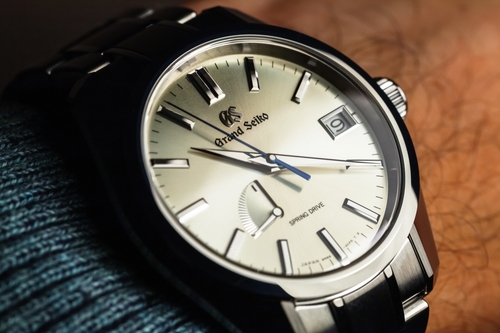
When quartz watches arrived, many people shelved their old mechanical pieces. Brands like Seiko helped popularize accurate battery-powered timekeeping. Mechanical watches suddenly felt outdated and fussy. Plenty ended up forgotten in drawers.
Collectors later rediscovered the craftsmanship of hand-wound and automatic movements. Vintage mechanical watches now represent engineering artistry. Limited production runs and historical context drive desirability. That “obsolete” watch became a symbol of enduring design.
7. Early LEGO Sets
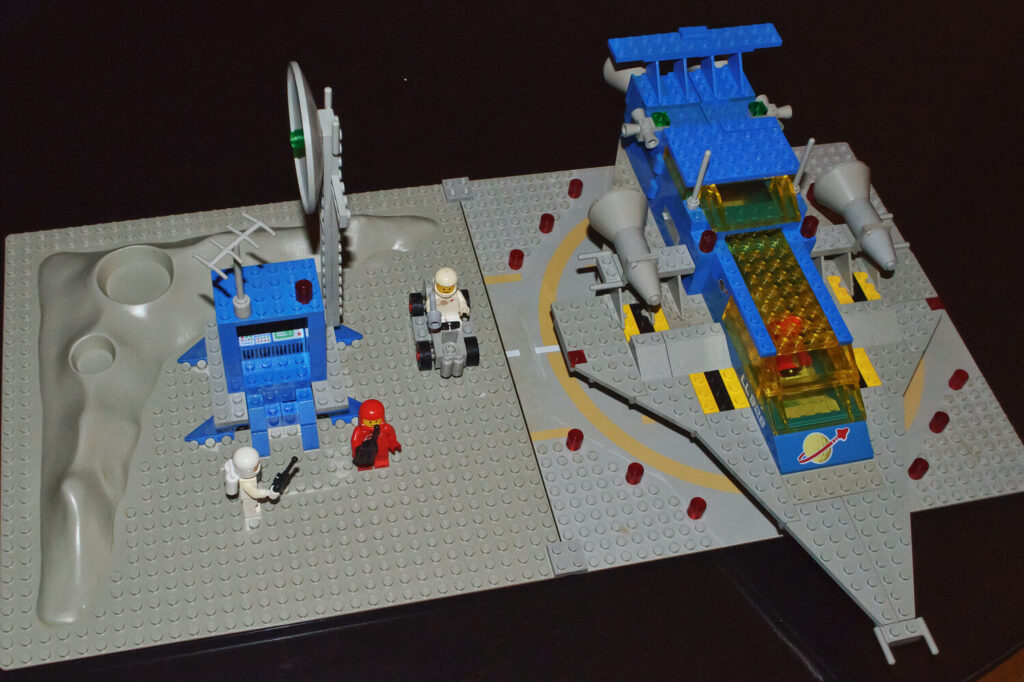
Children once mixed all their bricks into giant bins without preserving original sets. Early boxed releases from LEGO were simply creative fuel, not display collectibles. Instructions were lost and pieces swapped freely. Play value mattered more than completeness.
Today, intact vintage sets with boxes and manuals are highly sought after. Collectors value them for design evolution and rarity. Even partial sets can fetch strong prices. Those scattered bricks represent the history of a global toy icon.
8. Concert T-Shirts from the 70s and 80s
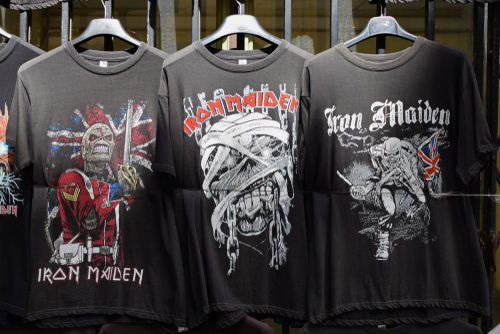
Fans bought tour shirts as souvenirs, then wore them into threadbare comfort. Merchandise tied to bands like The Rolling Stones was never intended as long-term collectibles. They were badges of attendance and fandom. Most were washed into oblivion.
Vintage shirts in wearable condition are now fashion grails. Original graphics and tour dates add provenance. Collectors prize authentic aging and fabric feel. A faded tee can now outprice modern designer wear.
9. Early Home Video Game Cartridges
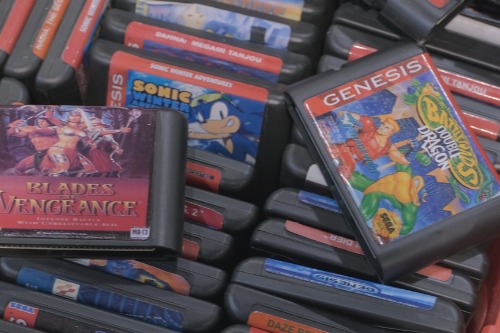
Cartridges were once treated like replaceable entertainment. Systems tied to Nintendo encouraged swapping games constantly with friends. Labels peeled and boxes disappeared quickly. Preservation wasn’t on anyone’s mind.
Complete-in-box copies now anchor serious collections. Rarity, print variants, and condition heavily influence value. Gaming historians view them as cultural milestones. What was once casual fun is now archival material.
10. Mid-Century Modern Furniture
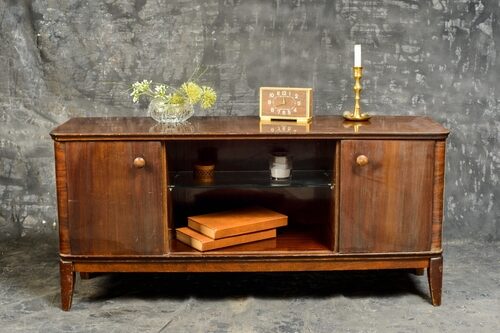
Many families bought sleek furniture simply because it was affordable and contemporary. Designers associated with brands like Herman Miller emphasized function and clean lines. Owners used these pieces hard in everyday living. They weren’t treated as gallery items.
Decades later, mid-century aesthetics became design gold. Original pieces are valued for craftsmanship and historical significance. Restoration markets thrive around authentic components. Yesterday’s living room staple is today’s collector centerpiece.
11. Comic Books from the Bronze Age
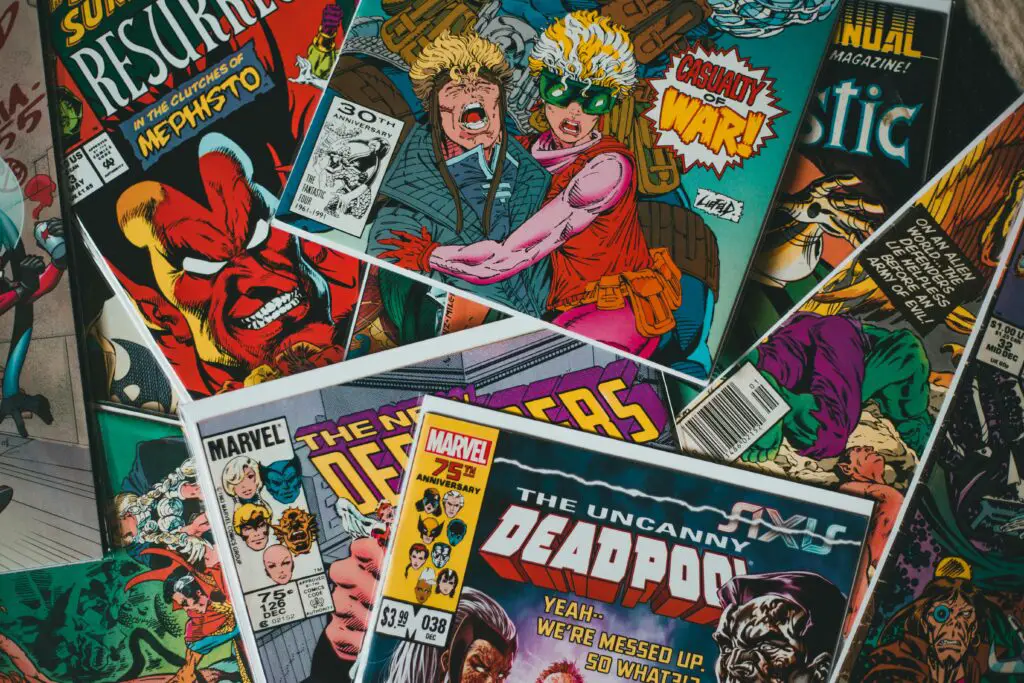
Readers once folded comics into backpacks and traded them freely. Publishers such as Marvel Comics produced massive runs meant for mass entertainment. Condition rarely mattered to young fans. Stories were the priority, not preservation.
Certain Bronze Age issues now command premium prices. Key first appearances and limited print runs drive collector demand. Grading culture transformed casual reading copies into assets. Those dog-eared comics became pieces of pop history.
12. Film Cameras from the Analog Era
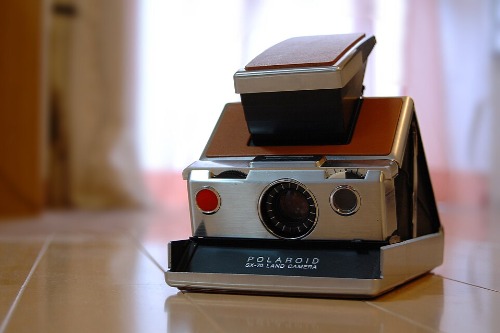
As digital photography surged, many film cameras were boxed up or sold cheaply. Iconic manufacturers like Polaroid symbolized a fading technology. Instant photos felt quaint compared to memory cards. Countless cameras sat unused.
Renewed interest in analog photography changed their fate. Collectors and artists value the tactile process and vintage optics. Functional models are increasingly scarce and desirable. Yesterday’s outdated gear is now creative treasure.
13. Disposable Cameras That Refused to Stay Disposable
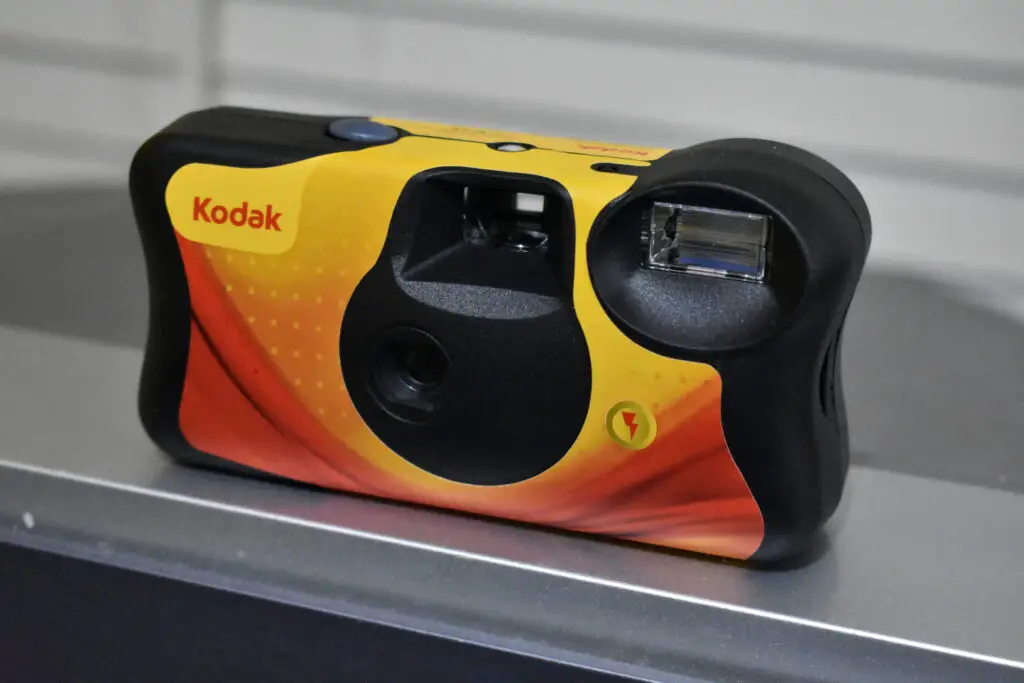
Drugstores once stacked single-use cameras near the checkout line, marketed for beach trips and birthday parties. Brands like Fujifilm and Kodak made them cheap, cheerful, and nearly thoughtless purchases. Most were dropped off for development and promptly forgotten in drawers. No one imagined their plastic shells would outlast entire digital albums.
As film photography resurged, even unopened disposable cameras started drawing attention online. Collectors prize certain discontinued colorways and special-edition prints. The lo-fi aesthetic they produce feels authentic in a hyper-edited world. What was once a last-minute convenience buy has quietly become analog currency.
14. Old School Trapper Keepers
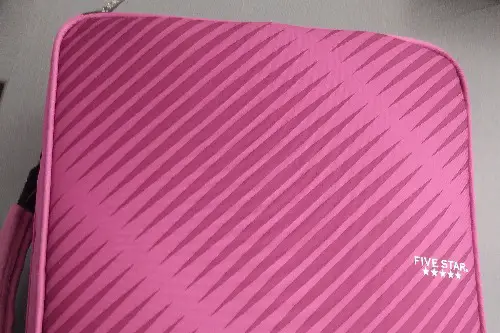
In the 1980s and 90s, students stuffed homework into colorful binders without a second thought. Trapper Keeper designs featured neon graphics, race cars, and geometric explosions. They were tools for surviving algebra, not future auction lots. Most were covered in doodles and replaced every school year.
Surviving examples in crisp condition now stir intense nostalgia. Collectors look for intact Velcro closures and unfaded interiors. The bold graphic design captures a very specific pre-digital classroom era. Yesterday’s homework organizer has become a snapshot of youth culture.
15. Apple iMac G3 Computers
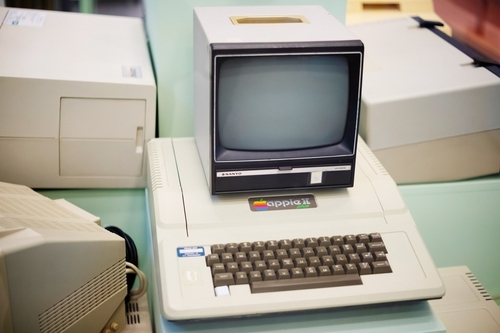
When the translucent candy-colored iMac G3 debuted, it was simply a family computer with flair. Buyers chose between Bondi Blue and other bright hues to make homework feel futuristic. As technology advanced, most units were relegated to basements or recycled. Few predicted that bulky CRT monitors would ever be desirable again.
Today, working models in rare colors attract design enthusiasts and tech historians alike. Collectors value the machine as a turning point in Apple Inc.’s visual identity. Its all-in-one form reshaped expectations for home computing aesthetics. What was once outdated hardware is now a museum-worthy design object.
16. Beanie Babies with the “Wrong” Tags
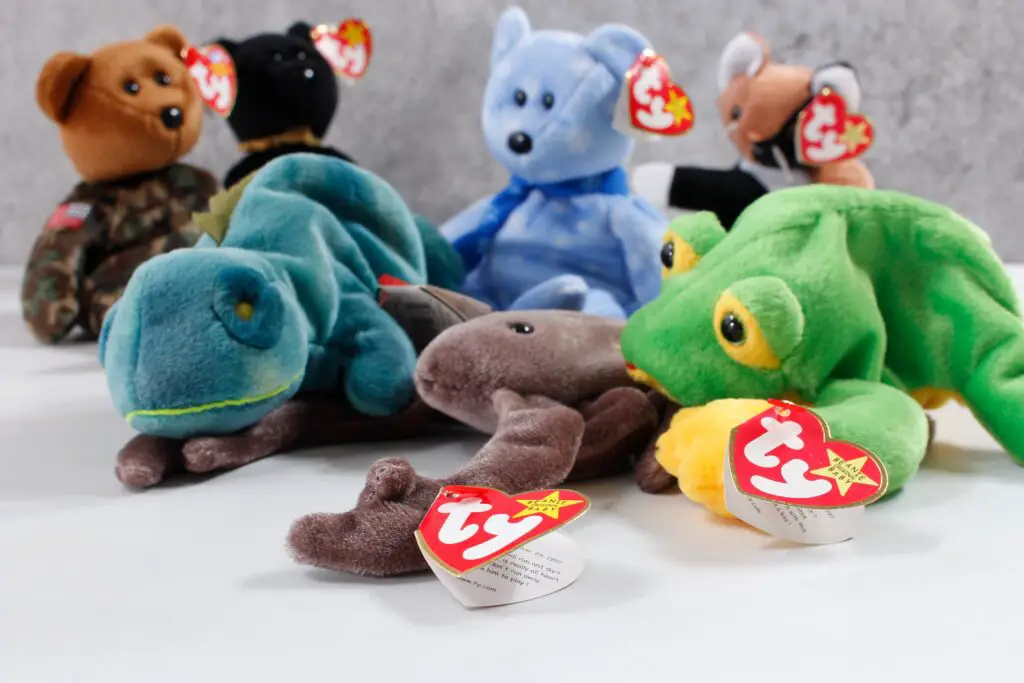
During the late 1990s frenzy, kids clipped heart-shaped tags off plush toys to make them easier to cuddle. Beanie Babies were impulse buys at gift shops and pharmacies. Parents viewed them as harmless fads destined for yard sales. Most wound up in toy chests with bent tags and missing pellets.
Now, specific production quirks and tag errors fuel collector interest. Early-generation releases in pristine condition can command surprising sums. Online marketplaces dissect stitching patterns and hang-tag poems in obsessive detail. Those floppy stuffed animals quietly crossed into collectible folklore.
17. Vintage Band Tour Programs
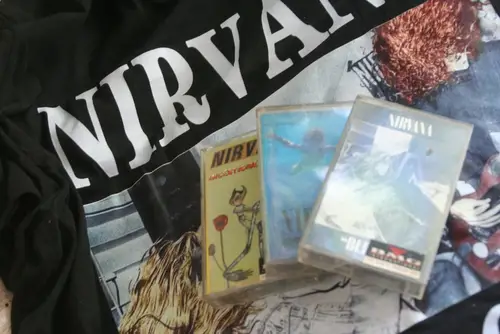
Concertgoers once bought glossy tour booklets as souvenirs to flip through on the ride home. Acts like David Bowie and Madonna sold programs packed with stylized photos and lyrics. Most ended up creased from being stuffed into backpacks. They were mementos, not investments.
Today, complete programs in good condition are increasingly scarce. Fans value them for behind-the-scenes photography and original artwork. They document stage design and fashion choices frozen in time. What seemed like paper ephemera has become archival gold for music historians.
18. McDonald’s Happy Meal Toys
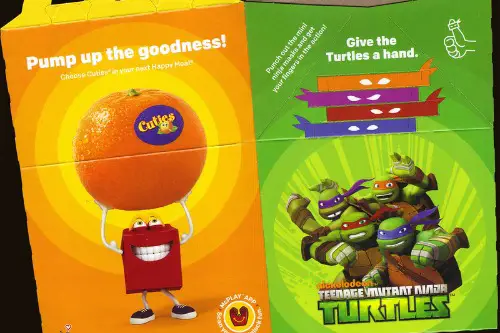
Fast-food toys were once treated as disposable distractions for the drive home. McDonald’s rotated themes constantly, often tied to blockbuster films. Kids tore open the bags and lost pieces within days. Parents rarely kept the packaging, let alone the full set.
Decades later, complete collections from certain promotions draw serious collector attention. Unopened toys with original bags can fetch notable prices. The crossover of food marketing and pop culture gives them unexpected historical weight. Those tiny plastic figures now chart the evolution of mass entertainment.
19. Early Starbucks City Mugs

Travelers once picked up city-branded mugs as casual souvenirs from airport locations. Starbucks released limited runs featuring skylines and landmarks. Most were used daily until chipped or faded in the dishwasher. Few buyers considered saving them in pristine condition.
Now, discontinued designs from specific cities are surprisingly hard to find. Collectors seek complete geographic series with original boxes. The mugs capture a moment in global branding expansion. What started as a caffeine companion quietly became a worldwide scavenger hunt.
20. Original Polly Pocket Compacts
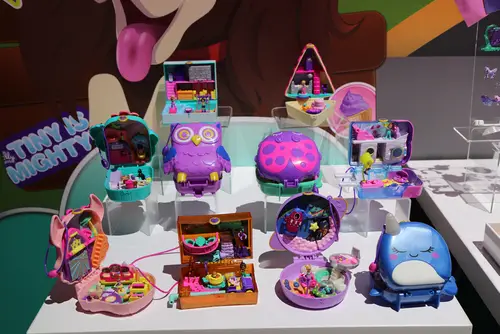
Tiny plastic playsets from Polly Pocket once lived at the bottom of toy bins. Their miniature dolls were easy to lose between couch cushions. Children snapped open the pastel compacts without preserving packaging. They were beloved but rarely protected.
Today, intact vintage sets with original figures are increasingly valuable. Collectors admire the intricate molded details and mechanical charm. Later redesigns make the earliest versions feel distinct and finite. Those palm-sized worlds evolved from playthings into precision collectibles.
21. Early Edition Paperback Fantasy Novels

Mass-market fantasy paperbacks were once tossed into beach bags and bent at the spine. Series by authors like J.R.R. Tolkien were printed in huge quantities for casual readers. Cover art varied wildly between printings and publishers. Condition seemed irrelevant as long as the story was intact.
Now, specific early print runs with distinctive cover illustrations are hotly pursued. Collectors scrutinize ISBN numbers and publisher marks. The artwork itself has become as important as the text. What was once a dog-eared vacation read now sits carefully sleeved on collector shelves.
22. Retro Board Games with Complete Pieces
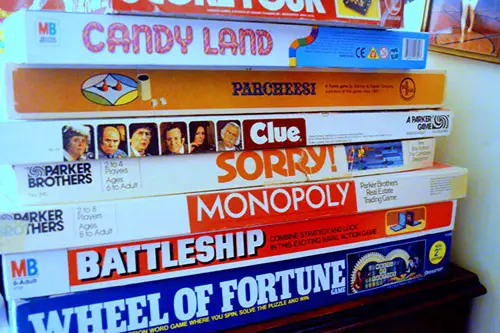
Family board games were staples of rainy afternoons and holiday gatherings. Titles from companies like Parker Brothers were opened, mixed, and sometimes cannibalized for spare parts. Missing tokens were replaced with coins or buttons. Boxes showed wear from years of closet storage.
Today, fully complete vintage editions in sturdy boxes are increasingly rare. Collectors value original inserts, unpunched pieces, and first-edition artwork. The tactile components reflect graphic design trends of their era. What once sparked casual family competition now commands careful cataloging.
This post Vintage Items That Became Collectibles Without Anyone Noticing was first published on Greenhouse Black.
