
1. Architectural Salvage
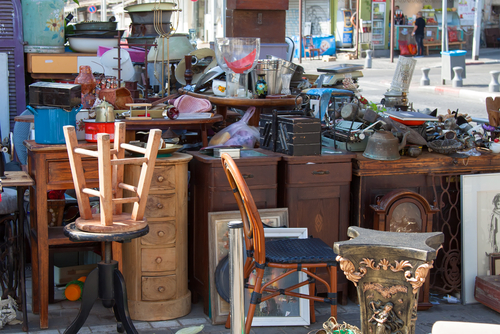
Professionals make a beeline for architectural salvage because it’s where the irreplaceable pieces hide. They’re hunting for solid oak five-panel doors from early 20th-century homes, cast-iron radiator covers with ornate grilles, and genuine stained glass transom windows with intact leading. Original brass doorknobs with glass knobs, porcelain push-button light switches, and heavy cast-iron floor registers are especially prized. These aren’t just decorative accents—they’re functional pieces with materials and workmanship that are difficult to reproduce today.
Designers check for mortise-and-tenon joinery on doors, solid wood cores instead of veneers, and maker’s marks on hardware that help date a piece. A real salvaged marble fireplace surround will have weight, natural veining, and wear consistent with age rather than a resin mold. They’ll also look for matching hinge sets or complete hardware groupings, because full sets command higher resale and design value. Even something as specific as reclaimed heart pine floorboards can be a major find if the tongue-and-groove edges are intact and the wood hasn’t warped.
2. Vintage Lighting
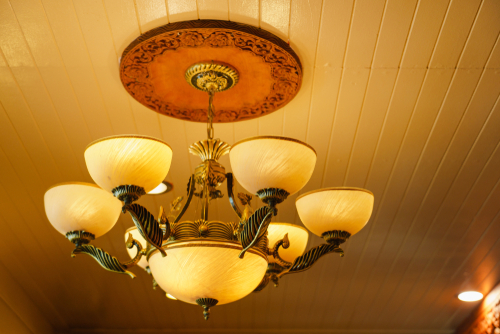
Lighting pros never skip tables piled with old fixtures because authentic vintage lighting is in constant demand. They’re searching for brass banker’s lamps with green glass shades, mid-century globe pendants, porcelain enamel industrial shades, and early Art Deco slip-shade sconces. Original milk glass schoolhouse lights with intact fitter rims are another hot commodity. These pieces add character that modern reproductions often fail to capture.
Professionals immediately inspect wiring, sockets, and insulation, knowing most older fixtures will need rewiring for safety. They check for original canopy hardware and matching ceiling plates, which are often lost over time. A genuine 1930s fixture will usually have heavier gauge metal and real glass instead of acrylic. Even if rewiring is required, the value lies in the authentic construction and period-correct detailing.
3. Antique Tools
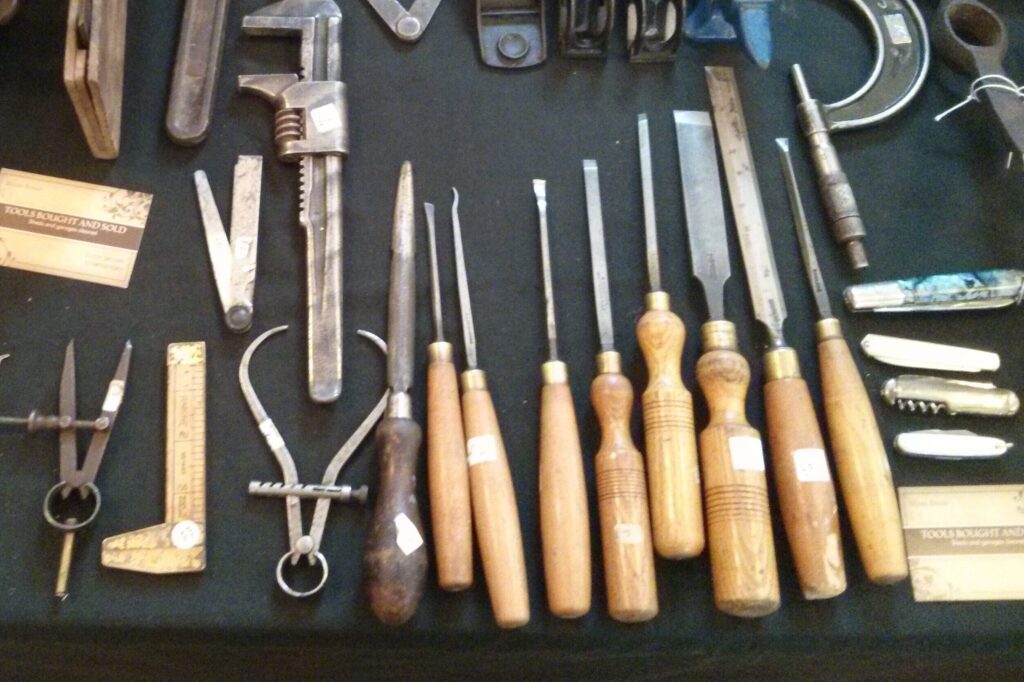
Dealers and stylists alike dig through old tool crates with real purpose. They’re looking for wooden-handled Stanley hand planes, cast-iron vises with intact crank handles, and hand-forged blacksmith tongs. Leather-wrapped tool rolls and dovetailed wooden tool chests are also major draws. These objects offer both functional value and strong decorative appeal.
Professionals flip tools over to check for maker’s marks like Stanley’s cast-in logos or patent dates. A cracked wooden handle lowers value, but original patina is often preferred over heavy restoration. They also test moving parts, making sure adjustment knobs and blade clamps still operate smoothly. Complete sets, like a matched set of chisels with legible size stamps, are especially desirable.
4. Vintage Textiles
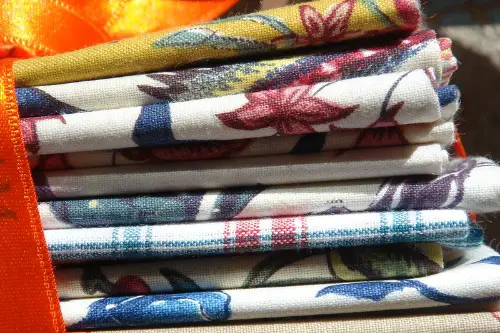
Textile specialists know flea markets can yield exceptional fabric finds. They search for hand-stitched quilts with visible quilting patterns, grain sacks with intact stenciled markings, and heavy European linen sheets with monograms. Authentic Turkish kilim runners and Persian wool rugs with natural vegetable dyes are also top targets. These textiles carry craftsmanship and materials that are hard to replicate at scale.
Pros inspect stitching consistency, backing fabric, and edge binding to confirm age and handwork. They’ll check rugs for tight knots and even wear rather than machine-made uniformity. Fading from sunlight is expected, but brittle fibers or dry rot are red flags. Original tassels, selvedge edges, and visible hand-sewn seams add to both authenticity and value.
5. Ephemera and Paper Goods

Graphic designers and collectors head straight for boxes of old paper. They’re hunting for pre-1950s travel posters, hand-lettered store signs, vintage seed packets, and early advertising tins with intact lithography. Old maps with original fold lines and unused postcards with period stamps are also highly collectible. Paper items offer design inspiration and resale potential.
Professionals check for water damage, excessive foxing, and trimmed edges that reduce value. They look for printer’s marks, publication dates, and original mounting rather than later reprints. Color saturation is key, since older inks often have a depth that’s hard to fake. Even small items like unused ticket stubs or ration books can hold historical interest when dates and print details line up.
6. Mid-Century Furniture
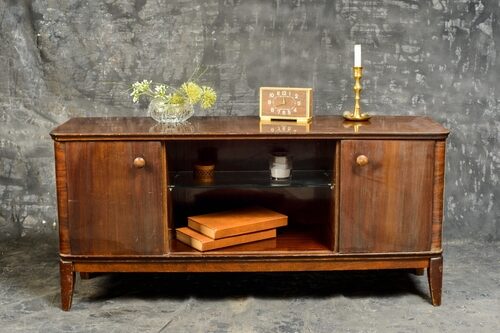
Furniture flippers and interior designers never overlook mid-century pieces. They’re specifically seeking walnut credenzas with tapered legs, Danish-style teak dining chairs with paper cord seats, and low-profile platform coffee tables. Sculptural lounge chairs with molded plywood frames are especially popular. Clean lines and quality hardwood construction define this category.
Professionals check for dovetail joints in drawers and solid wood backs instead of particleboard. They inspect veneer for bubbling or deep chips that are costly to repair. Original manufacturer labels or branded stamps inside drawers add credibility and value. Even worn upholstery can be acceptable if the frame is structurally sound and well-designed.
7. Cast Iron and Cookware
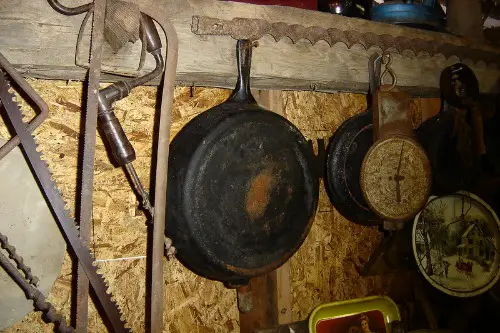
Chefs and collectors head straight for old cookware bins. They’re looking for cast-iron skillets from Griswold or Wagner with smooth cooking surfaces and legible logos. Enameled Dutch ovens with intact interiors and vintage carbon steel pans with natural seasoning are also prime finds. Older cast iron is often lighter and smoother than many modern versions.
Pros flip pans over to identify size numbers and manufacturer markings cast into the base. They check for cracks, warping, or pitting that can affect performance. A smooth interior surface usually indicates pre-1960s manufacturing methods. Even surface rust is manageable, but structural damage is a dealbreaker.
8. Vinyl Records

Music resellers head directly to crates of vinyl. They search for first pressings of classic rock albums, original jazz LPs from labels like Blue Note, and early Motown releases with intact sleeves. Picture sleeves and inserts significantly increase value. Condition is everything in this section.
Professionals inspect vinyl under light for scratches and spindle marks. They verify catalog numbers and label variations to confirm pressing editions. A first pressing will often have specific matrix numbers etched near the center. Even a slightly worn cover can be acceptable if the vinyl itself plays cleanly.
9. Vintage Cameras

Photography enthusiasts comb through old camera cases with trained eyes. They’re searching for 35mm film cameras like the Leica M series, Rolleiflex twin-lens reflex cameras, and early Polaroid folding models. Original leather cases and lens caps add significant value. Mechanical precision makes these items desirable.
Professionals test shutter mechanisms and inspect lens glass for fungus or haze. They check serial numbers to confirm model and production period. A camera with intact leatherette and functioning dials is far more valuable than one needing heavy repair. Even non-working models can be collectible if rare.
10. Vintage Jewelry
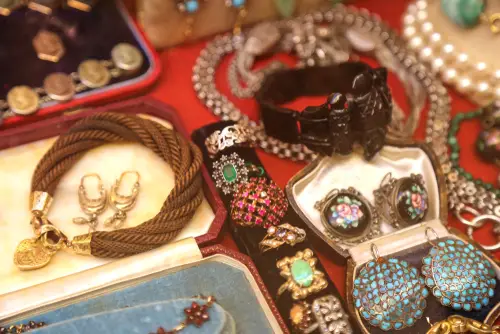
Jewelry dealers scan trays quickly but carefully. They’re looking for signed costume pieces from brands like Trifari, sterling silver bangles with hallmarks, and genuine Bakelite bangles that pass weight and sound tests. Art Deco filigree rings and mid-century rhinestone brooches are also common targets. Authentic materials and signatures matter here.
Professionals look for stamped marks indicating metal purity or maker identity. They check clasps and prongs to ensure stones are secure. Bakelite can be tested through weight, smell when lightly rubbed, or documented color patterns common to the era. Even minor chips can reduce value, so condition is assessed closely.
11. Advertising and Signage
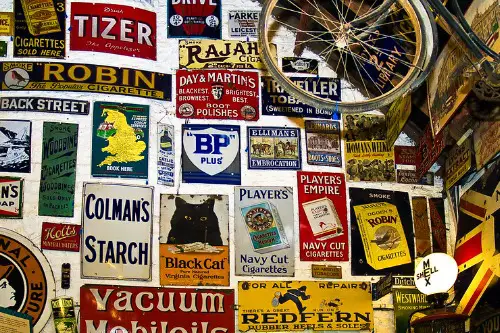
Vintage signage is a magnet for decorators and collectors alike. They search for porcelain enamel gas station signs, embossed tin soda advertisements, and hand-painted wooden shop boards. Original Coca-Cola button signs and metal license plates with clear dates are particularly desirable. Bold graphics make these pieces statement-makers.
Pros examine the back for manufacturer stamps and check mounting holes for authenticity. Real porcelain signs are heavier and have layered enamel rather than printed surfaces. They look for consistent aging, including edge wear and minor rust. Reproductions often lack the depth and weight of original materials.
12. Books and First Editions

Book dealers never ignore dusty book tables. They’re looking for first edition novels with intact dust jackets, early printings with correct number lines, and illustrated children’s books from the early 20th century. Signed copies with verifiable autographs carry added value. Condition and printing details make all the difference.
Professionals check copyright pages for stated first editions and full number lines. They examine dust jackets for price clipping and restoration. Tight bindings and clean endpapers increase desirability. Even lesser-known titles can become valuable when the edition and condition align perfectly.
This post The Flea Market Sections Professionals Never Skip was first published on Greenhouse Black.
