
1. Old-Growth Lumber
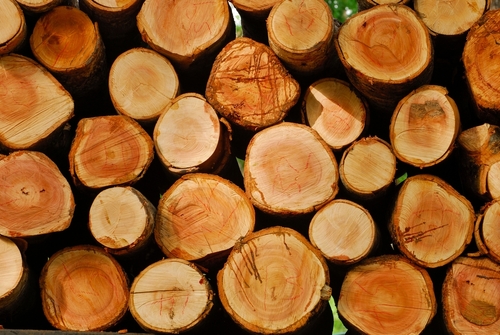
Old-growth lumber once formed the backbone of American homes. These boards came from trees that had grown slowly for centuries, creating tight grain patterns that modern plantation timber cannot match. The density made the wood stronger, more rot-resistant, and less prone to warping. When you handle a salvaged beam today, you can feel the weight and stability that set it apart.
By the early twentieth century, most of the primeval forests in North America had been logged. Second-growth trees grow faster and wider, which means their rings are looser and their fibers less compact. That difference affects everything from nail holding power to long-term durability. Because old-growth forests are protected or simply gone, builders cannot truly recreate that material at scale.
2. Historic Slate Roofing
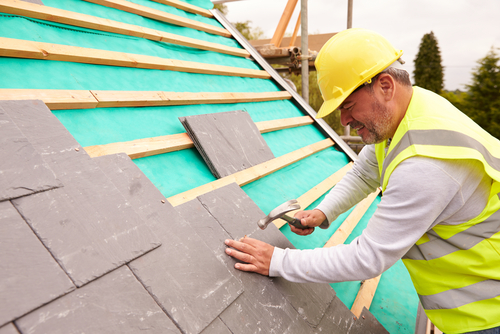
Traditional slate roofing was split by hand from dense stone quarries. The best slate, such as that from Vermont or Wales, could last well over a century. Its low water absorption and natural cleavage made it both durable and beautiful. Many historic homes still carry their original tiles after 100 years of weather.
Many of the historic quarries have closed or produce at much smaller volumes. Modern roofing often relies on thinner slate or synthetic substitutes. Those products can look similar from the street but do not share the same geological density. Once the old quarries are exhausted, the exact stone they yielded cannot be duplicated.
3. Antique Heart Pine
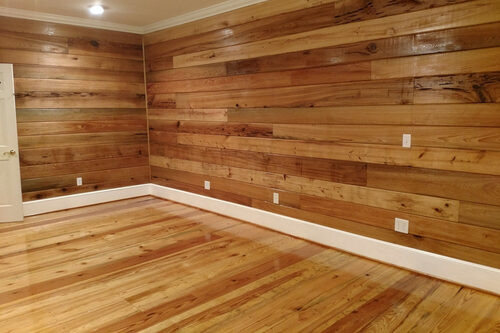
Heart pine flooring came from the inner core of longleaf pine trees that grew across the American South. These trees often stood for 200 to 500 years before being harvested in the nineteenth century. The heartwood was saturated with resin, giving it a rich amber color and impressive hardness. Walk across a reclaimed heart pine floor and you will notice its tight grain and subtle glow.
Most of the original longleaf pine forests were cleared by the early 1900s. New longleaf plantations exist, but they have not had centuries to develop the same dense heartwood. That means modern boards simply do not contain the same proportion of resinous core. Without old trees, true antique heart pine can only come from salvage.
4. Lime Plaster with Horsehair
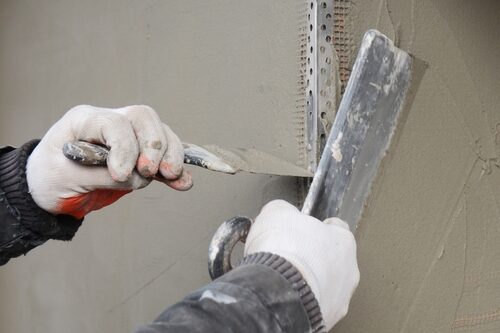
Before drywall, interior walls were often finished with lime plaster reinforced with horsehair. The lime cured slowly by absorbing carbon dioxide, creating a hard yet slightly flexible surface. Horsehair fibers helped bind the plaster and reduce cracking. The result was walls that could last for generations with minimal maintenance.
Modern gypsum drywall sets quickly and is far cheaper to install. Skilled plasterers who understand traditional lime mixes are now relatively rare. Even when lime plaster is used today, the hair and long curing times are often omitted. That shift in materials and labor makes authentic historic plaster difficult to reproduce exactly.
5. Solid Wood Interior Doors
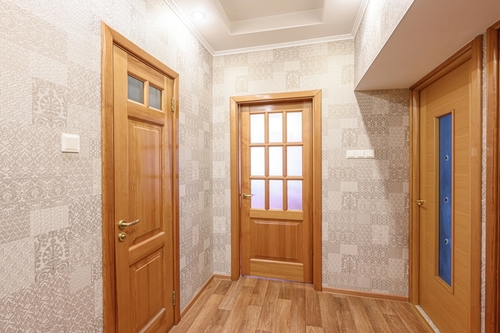
Many older homes featured solid wood doors made from single slabs or thick laminations of dense timber. These doors were heavy, sometimes weighing over 100 pounds. Their mass provided sound insulation and a satisfying sense of permanence. Close one and you hear a deep thud instead of a hollow rattle.
Today most interior doors are hollow core with thin veneers over engineered frames. The change keeps costs and weight down but sacrifices density. Old-growth lumber large enough for wide stiles and rails is no longer widely available. As a result, the feel of a true antique solid door is rarely replicated in new construction.
6. Early Leaded Glass Windows
Early twentieth century leaded glass windows were assembled by hand from individually cut panes. The glass itself often contained subtle waves and bubbles from older manufacturing methods. Those imperfections scattered light in a way that feels warm and alive. In certain historic homes, the windows become part of the architecture’s personality.
Modern float glass is manufactured to be extremely flat and uniform. While that precision is practical, it lacks the organic distortions of earlier sheets. Artisans can mimic the look, but the original glass chemistry and production methods have largely vanished. That makes genuine period glazing difficult to reproduce with total accuracy.
7. Traditional Linoleum
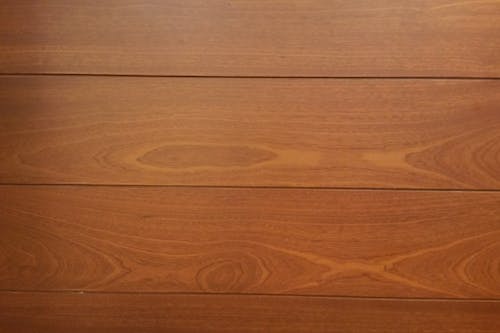
True linoleum was made from linseed oil, cork dust, wood flour, and natural pigments pressed onto burlap. It was resilient underfoot and developed a soft patina over decades of use. Unlike many modern vinyl floors, it contained no plastic. In older kitchens, it often aged gracefully rather than peeling or cracking.
By the mid twentieth century, sheet vinyl largely replaced traditional linoleum. Vinyl is cheaper and easier to mass produce. Although linoleum is still manufactured, many historic colorways and formulations disappeared. The exact look and feel of early twentieth century linoleum floors is therefore hard to match today.
8. Ornate Cast Iron Radiators
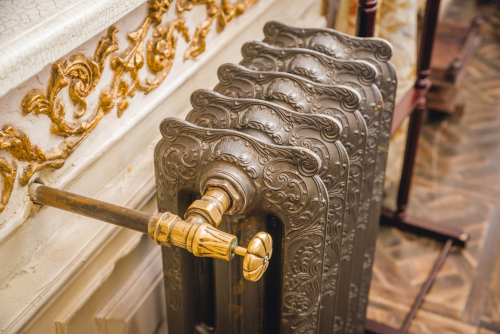
Victorian and early twentieth century homes frequently relied on massive cast iron radiators for heat. Each unit was poured in molds that sometimes featured ornate patterns. The thick iron retained heat for long periods, providing steady warmth. Many of these radiators are still functioning after a century.
Modern heating systems favor lightweight steel panels or forced air. While efficient, they do not have the same thermal mass. Foundries capable of producing highly detailed cast iron sections are far less common. That combination of craftsmanship and material heft is difficult to recreate economically today.
9. Glazed Architectural Terra Cotta
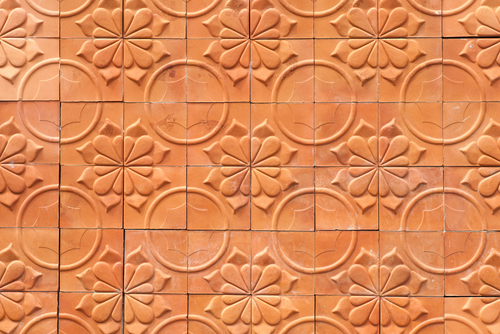
In the late nineteenth and early twentieth centuries, glazed architectural terra cotta adorned many urban buildings. Factories produced intricate cornices, columns, and facade panels from molded clay. The material was fire resistant and could be finished in bright glazes. Cities like Chicago and New York still display these elaborate details.
Many of the original terra cotta manufacturers closed during the mid twentieth century. The specialized molds and techniques were often lost. Contemporary replacements can be made, but they require custom fabrication at high cost. As a result, exact replicas of historic pieces are rare and expensive.
10. Handmade Brick
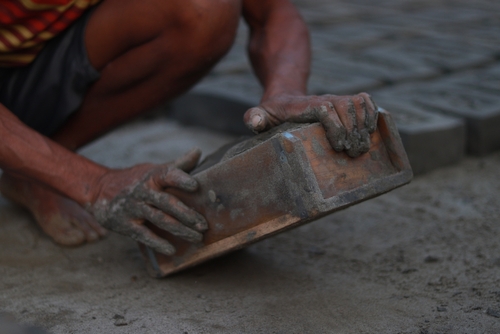
Handmade bricks were once formed individually in wooden molds and fired in small kilns. Because the process was less standardized, each brick varied slightly in size and color. Those irregularities gave old walls a textured, lively appearance. Run your hand across a nineteenth century brick facade and you can feel that variation.
Modern bricks are typically extruded or machine pressed for uniformity. They are consistent and efficient to produce. However, the clay sources and firing methods have changed over time. That makes it challenging to recreate the exact dimensions, tones, and surface character of early handmade brick.
11. Old-Growth Cypress
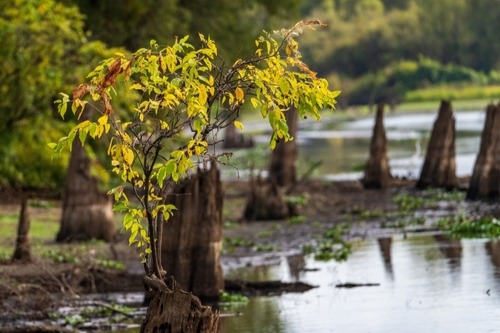
Old-growth cypress, especially the so-called sinker cypress recovered from riverbeds, was prized for its rot resistance. Much of it came from massive trees logged in the nineteenth century and lost during transport. The wood’s tight grain and natural oils made it ideal for siding and exterior trim. Historic coastal homes often relied on it to withstand humidity and insects.
Today most remaining cypress forests are protected or consist of younger trees. Salvaged sinker logs can still be milled, but the supply is finite. You cannot speed up the centuries it took those trees to mature. That is why authentic old-growth cypress remains nearly impossible to reproduce on demand.
This post The Forgotten Home Materials That Are Nearly Impossible to Replicate Today was first published on Greenhouse Black.
