
1. Respect Quiet Hours Like They’re Sacred
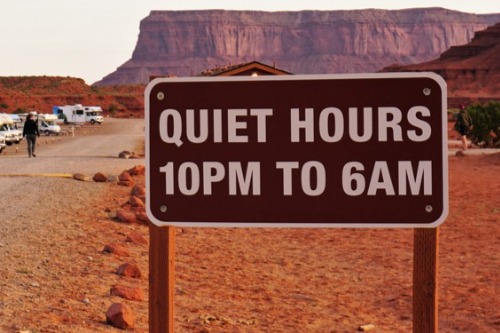
Most RV parks set official quiet hours, often from around 10 p.m. to 7 a.m., and they’re not just suggestions. Even if the campground feels lively after dark, experienced RVers know that noise carries far in open spaces. Slamming doors, blasting music, or running a loud generator late at night can disturb dozens of people at once. Thin RV walls and close site spacing mean everyone hears more than you think.
The reason this rule matters is simple: people choose RV parks to relax, not to relive a tailgate party. Many travelers are on long road trips and need real sleep before driving again. Others may have kids who go to bed early or pets that react to sudden noise. Respecting quiet hours keeps the park pleasant and prevents awkward conversations the next morning.
2. Don’t Cut Through Someone Else’s Campsite
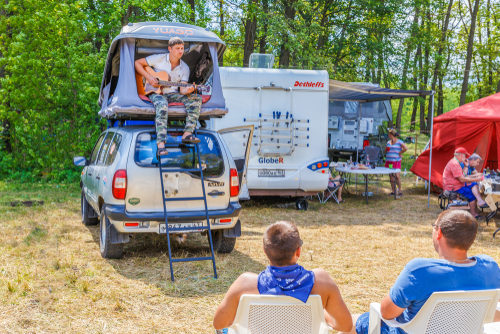
It might seem harmless to shave a few steps off your walk to the bathhouse, but walking through someone’s site is a big no-no. An RV site is considered a temporary home, and most campers treat the pad and picnic table area as private space. Stepping between their chairs or across their outdoor rug crosses an unspoken boundary. Even letting your kids or dog wander through can make neighbors uncomfortable.
This matters because campsite layouts are designed with roads and walkways for a reason. Cutting through can also create safety issues, especially if someone has grills, fire pits, or electrical cords set up. Campers may have gear laid out that’s easy to trip over or damage. Sticking to designated paths shows respect for both personal space and property.
3. Keep Your Generator Use Minimal and Within Posted Hours
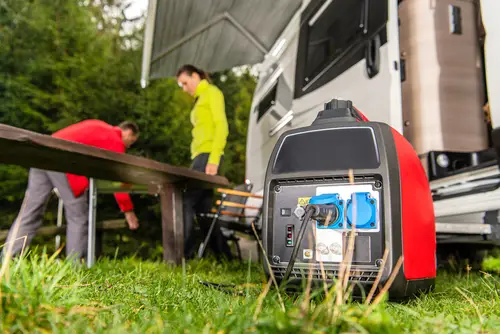
In parks without full hookups, generators are sometimes necessary, but they should be used sparingly. Most RV parks have specific generator hours posted at the office or on their website. Running one outside those hours is widely frowned upon, even if no one says anything directly. The steady hum can travel far beyond your own site.
The reason is practical: generators are significantly louder than standard campground background noise. They disrupt conversations, naps, and that peaceful outdoor atmosphere people pay for. Some campers rely on solar or battery power specifically to avoid noise. Following posted generator rules keeps the peace and avoids complaints to management.
4. Manage Your Pets Responsibly
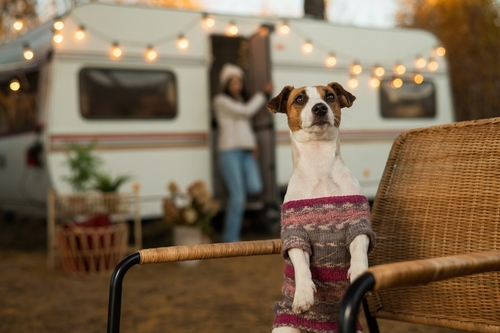
Bringing a dog along is common in RV parks, but pet etiquette is serious business. Dogs should be leashed according to park rules, which typically require a physical leash no longer than six feet. Even the friendliest dog can make others nervous, especially around children or other pets. And yes, picking up after your pet is non-negotiable.
This matters because many RV parks are densely packed communities. Unattended barking, particularly when owners leave dogs alone in the RV, can quickly irritate nearby campers. Waste left behind creates health concerns and unpleasant smells. Responsible pet ownership keeps parks pet-friendly instead of leading to stricter rules or outright bans.
5. Arrive and Set Up Before Dark When Possible
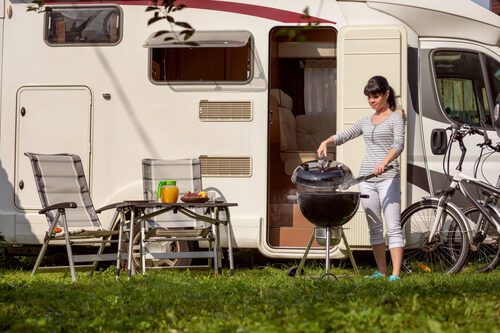
Seasoned RVers try to arrive during daylight hours whenever they can. Backing into a site or navigating narrow internal roads is much easier with good visibility. Setting up after dark often requires bright headlights or exterior lights that shine directly into neighboring rigs. The process can also be noisier than you realize.
The reason this is important is courtesy and safety. Late-night arrivals can wake sleeping campers with engine noise, leveling jacks, and slamming compartments. You’re also more likely to make mistakes in the dark, like misjudging distances or hitting obstacles. Planning your arrival time reduces stress for both you and your neighbors.
6. Keep Your Outdoor Setup Contained to Your Site
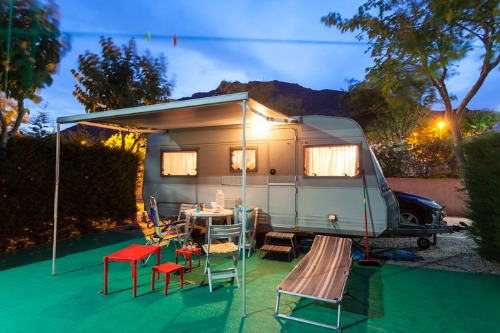
It’s tempting to spread out, especially if there’s open space between rigs. However, experienced campers keep chairs, mats, grills, and bikes within the boundaries of their assigned pad. Most parks clearly define site limits with gravel, concrete, or utility hookups marking the edges. Expanding beyond that space can crowd your neighbor.
This rule matters because space in RV parks is carefully measured for safety and access. Emergency vehicles need clear roads, and slide-outs often extend close to property lines. Encroaching on another site can block access to hookups or doors. Staying within your footprint avoids territorial tension and keeps things orderly.
7. Dump Tanks Properly and Clean Up After Yourself
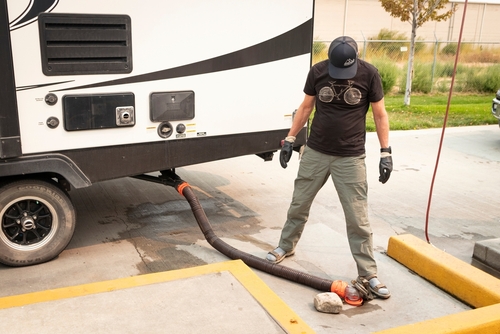
Using a dump station or sewer hookup comes with specific expectations. You should always use a proper sewer hose with a secure connection and follow park instructions. If you’re at a shared dump station, move your rig promptly after finishing so others can use it. And if there’s a spill, clean it up immediately and notify staff if needed.
This rule is about sanitation and respect. Waste management is a core part of RV life, but no one wants to see or smell someone else’s mistakes. Leaving a mess can create health hazards and unpleasant conditions for the entire park. Handling it correctly keeps facilities safe and functional for everyone.
8. Observe Speed Limits Inside the Park

Most RV parks post low speed limits, often around 5 to 10 miles per hour. These limits aren’t arbitrary; parks are full of pedestrians, kids on bikes, and pets on leashes. Large rigs also have significant blind spots that make quick stops harder. Driving slowly reduces the risk of accidents in tight quarters.
The reason this is emphasized among seasoned campers is safety. Gravel roads can kick up dust that settles on neighboring outdoor setups. Fast driving also creates unnecessary noise and can feel intimidating to others walking nearby. Keeping speeds low protects people, pets, and property.
9. Be Mindful of Campfires and Smoke
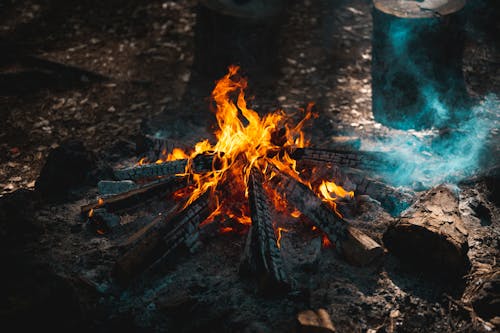
If campfires are allowed, they usually must stay within designated fire rings or pits. You should check local burn restrictions and park rules before lighting anything. Using only approved firewood and keeping flames controlled is standard practice. Letting a fire smolder unattended is a serious breach of etiquette and safety.
This matters because smoke drifts directly into nearby RV windows and vents. Some campers have respiratory issues that make heavy smoke more than just an annoyance. Uncontrolled fires pose real risks, especially in dry regions. Responsible fire use keeps everyone safe and avoids potential fines or evacuations.
10. Keep Common Areas Clean
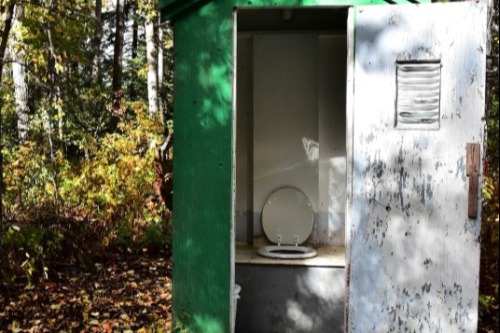
Laundry rooms, bathhouses, and clubhouses are shared spaces that rely on collective responsibility. That means wiping down surfaces, removing your laundry promptly, and throwing away trash. Leaving belongings behind to “hold” machines for hours is widely frowned upon. These facilities are meant for everyone’s use.
The reason this is understood but rarely explained is simple fairness. RV parks operate more like small neighborhoods than anonymous hotels. A messy common area reflects on the community as a whole. Keeping shared spaces tidy ensures they remain available and pleasant for the next person.
11. Follow the Park’s Posted Rules — Even the Small Ones
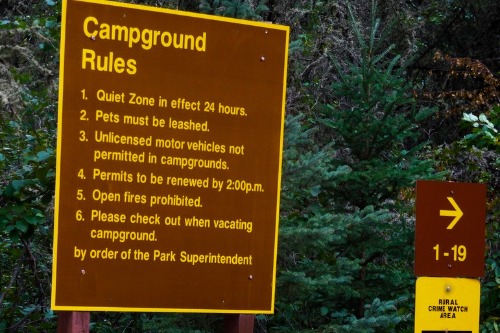
Every RV park posts specific policies, whether about parking extra vehicles, displaying vehicle passes, or limiting visitors. These rules may seem minor, but seasoned campers know they exist for logistical or insurance reasons. Ignoring them can put staff in awkward positions. It can also inconvenience other guests.
The bigger reason is that RV parks operate on mutual cooperation. Management balances safety, utility capacity, and fairness across dozens or hundreds of sites. When guests follow posted rules without being reminded, the entire stay runs more smoothly. It’s the kind of quiet courtesy that everyone notices — especially when it’s missing.
This post RV Park Etiquette Rules No One Explains — But Everyone Knows was first published on Greenhouse Black.
