
1. Kitchen Cabinets
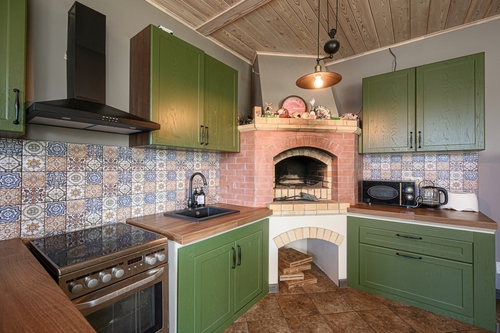
It’s tempting to rip out perfectly good kitchen cabinets and replace them with something ultra-trendy, especially after scrolling through renovation inspiration online. But cabinets are one of the first things buyers mentally calculate when they walk into a kitchen. If you swap classic wood or neutral finishes for bold colors or highly customized layouts, you narrow your buyer pool fast. What feels “elevated” to you can feel expensive to undo for someone else.
Most real estate agents will tell you that neutral kitchens tend to appeal to the widest audience. A dramatic navy, forest green, or two-tone cabinet scheme may photograph beautifully, but buyers often factor repainting or refacing costs into their offers. Even open shelving upgrades can hurt resale because many people prefer enclosed storage. Keeping cabinetry timeless rather than trendy usually protects your home’s value.
2. Lighting Fixtures
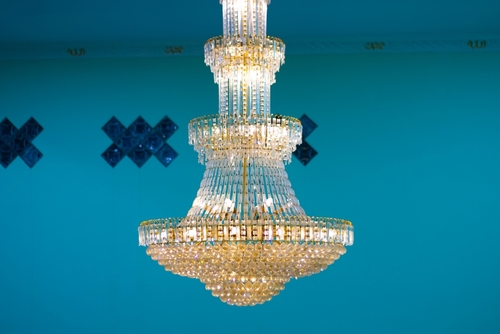
Statement lighting can be stunning, but not every chandelier or sculptural pendant adds resale value. If you install highly stylized fixtures, buyers may immediately see them as something they’ll have to replace. That mental “to-do list” chips away at how much they’re willing to pay. Simple, widely appealing fixtures tend to age better.
For example, swapping basic fixtures for something industrial, ultra-modern, or vintage-inspired can limit appeal. While upgrading from builder-grade to quality lighting is usually fine, going too niche is risky. Buyers care more about good brightness and functionality than dramatic design. Safe, neutral lighting keeps your home feeling move-in ready.
3. Garage Doors
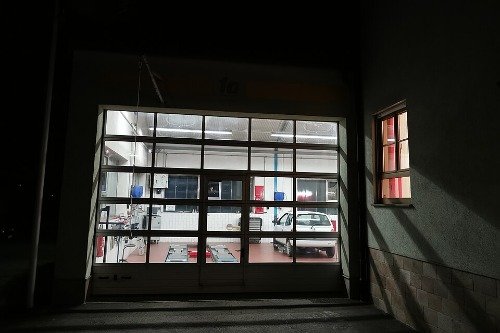
Upgrading a garage door is often smart when it improves curb appeal with a classic design. But replacing a standard door with something overly decorative or custom can backfire. Carriage-style doors with ornate hardware or bold colors don’t suit every house. If the design clashes with the home’s architecture, buyers notice.
Garage doors are expensive to replace, so buyers factor that into their budget if they dislike yours. According to remodeling industry data, basic, high-quality replacements usually recoup more value than flashy custom designs. Sticking with neutral tones and simple lines is safer. Overpersonalizing the exterior can reduce broad appeal.
4. Bathroom Fixtures
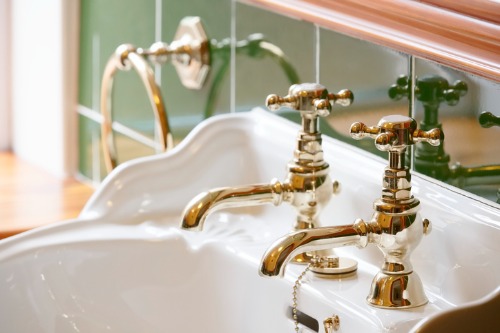
Upgrading bathroom fixtures sounds harmless, but ultra-luxury or unconventional choices can limit resale. Vessel sinks, waterfall faucets, or matte black everything may feel spa-like to you. To another buyer, they can feel trendy or harder to maintain. Not everyone wants to worry about water spots or specialized cleaning.
Buyers generally prefer bathrooms that feel fresh, clean, and timeless. Chrome and brushed nickel finishes remain popular because they’re durable and easy to match. If you choose niche finishes like rose gold or highly ornate designs, replacements may be difficult later. Neutral updates keep your bathroom market-friendly.
5. Built-In Electronics
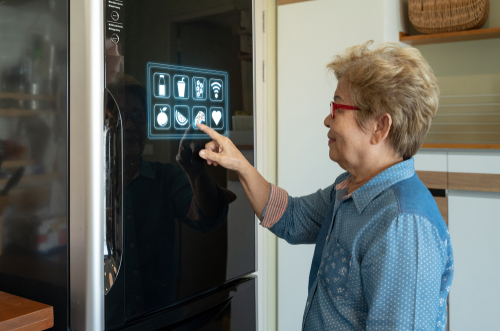
Installing built-in speakers, wall-mounted tablets, or integrated entertainment systems can feel futuristic. But technology changes quickly, and what’s cutting-edge today can look dated in a few years. Buyers often prefer flexible spaces where they can install their own systems. Hardwired tech can actually feel like a liability.
Homebuyers also worry about repair and compatibility issues. A built-in media wall designed around a specific TV size can age poorly as screen dimensions evolve. Removing outdated wiring can be costly and invasive. Portable, upgradeable electronics are usually a safer bet than permanent installations.
6. Closet Systems
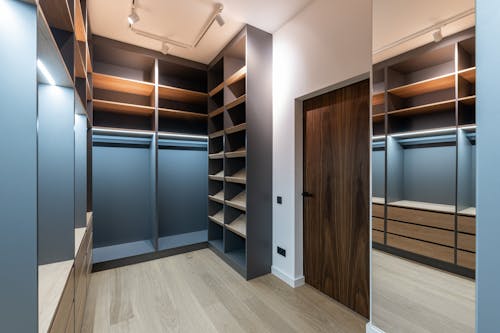
Custom closet systems are popular upgrades, especially in primary bedrooms. But extremely tailored designs don’t always fit the next owner’s wardrobe or lifestyle. If you convert hanging space into rows of shoe shelves or specialty drawers, that layout might not work for someone else. Flexibility matters more than personalization.
Buyers often appreciate a clean, adjustable closet rather than one built around a specific collection. Systems with fixed components can require costly reconfiguration. Neutral shelving and adjustable rods appeal to more people. Over-customization can limit perceived usability.
7. Landscaping Features

It’s easy to assume that elaborate landscaping always adds value. However, highly customized features like koi ponds, large water fountains, or intricate topiary gardens can turn buyers off. Many people see them as maintenance headaches. High-maintenance yards often reduce buyer enthusiasm.
While basic curb appeal improvements are smart, dramatic additions can shrink your audience. Removing a pond or water feature can be expensive. Buyers may also worry about safety or insurance concerns. Simple, low-maintenance landscaping usually has broader appeal.
8. Flooring Materials

Upgrading flooring is common, but not all materials help resale. Replacing hardwood with patterned tile or bold-colored carpet can hurt value. Hardwood floors are consistently popular with buyers. Highly specific patterns or colors can feel dated quickly.
Luxury vinyl plank and neutral hardwood tones tend to age better. Trend-heavy choices like gray-washed wood or unusual stains can fall out of favor. Buyers often prefer classic oak or similarly timeless finishes. Keeping floors neutral helps future-proof your home.
9. Smart Home Systems

Smart thermostats and video doorbells are generally safe additions. But installing complex, proprietary systems that only work with specific platforms can limit appeal. Buyers may not want to inherit a subscription-based security setup. Compatibility concerns can create hesitation.
For example, ecosystems tied tightly to brands like Google or Apple may not align with every buyer’s preferences. Not everyone uses the same devices or operating systems. Hardwired smart systems can be expensive to replace. Simpler, widely compatible upgrades are usually safer.
10. Interior Paint Choices

Paint is one of the easiest “upgrades,” but bold color choices can hurt resale. Deep reds, dark purples, or neon accent walls often require repainting before a sale. Buyers frequently prefer light, neutral shades that make spaces feel bigger. Dramatic palettes can make rooms feel smaller or highly personalized.
Even trendy shades can date a home quickly. Soft whites, warm beiges, and light grays tend to have broader appeal. Repainting costs time and money, which buyers factor into offers. Keeping walls neutral preserves flexibility.
11. Bathroom Conversions
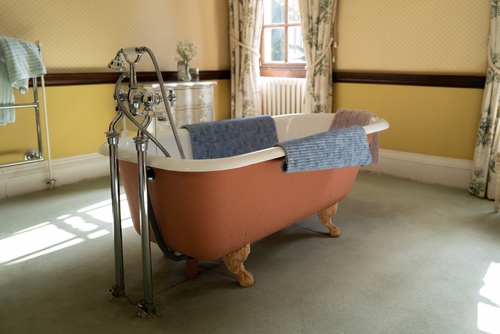
Converting a bathtub into a walk-in shower may suit your lifestyle perfectly. However, many buyers—especially families with young children—want at least one tub. Removing the only bathtub in a home can significantly reduce your buyer pool. What feels like a luxury upgrade to you may feel like a downgrade to someone else.
Real estate professionals often recommend keeping at least one functional bathtub. Reinstalling a tub later can be expensive and complicated. A balanced bathroom layout usually appeals to more households. Over-customizing for a single lifestyle can hurt resale.
12. Built-In Furniture
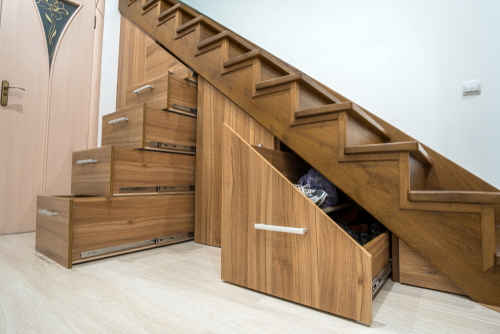
Built-in desks, window seats, and entertainment centers can look polished. But permanent furniture reduces flexibility in how a room can be used. A built-in office setup may not suit a buyer who needs a nursery or guest room. Fixed features can limit imagination.
Removing built-ins often requires drywall repair and repainting. Buyers may mentally subtract renovation costs when they see immovable furniture. Freestanding pieces offer more versatility. Keeping rooms adaptable protects resale value.
13. Appliances in Niche Finishes
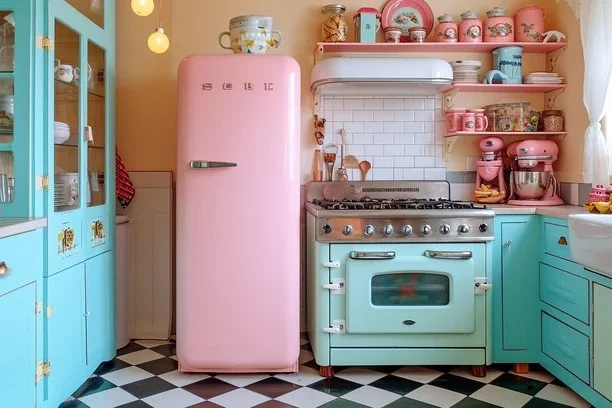
Upgrading appliances is usually smart when improving functionality. However, choosing niche finishes like bright colors or unusual metals can be risky. While stainless steel remains widely accepted, bold hues may not match a buyer’s style. Appliances are expensive to replace.
For example, colorful retro-style units inspired by brands like Smeg can look charming but very specific. If a buyer doesn’t love the look, they may plan to swap them out immediately. Neutral finishes appeal to a broader market. When resale matters, classic tends to win.
14. Window Treatments
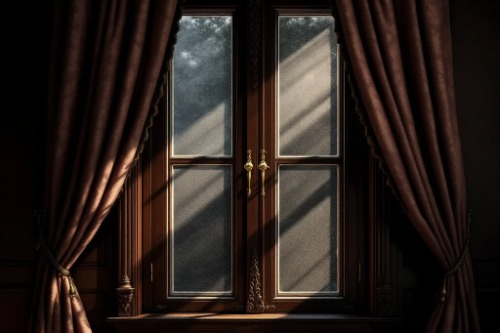
Custom drapes, roman shades, or high-end blinds can make a room feel luxurious. However, overly personalized window treatments may not suit the next owner’s taste or furniture layout. Bold patterns or heavy fabrics can make rooms feel smaller or dated. Buyers often see them as another replacement cost to factor in.
Neutral, simple curtains or shades generally appeal to the widest audience. Basic roller shades or light, airy drapes let buyers envision their own style. Upgrading to motorized or ultra-premium treatments may not recoup the expense. Keeping window coverings classic and versatile protects resale potential.
15. Outdoor Kitchens
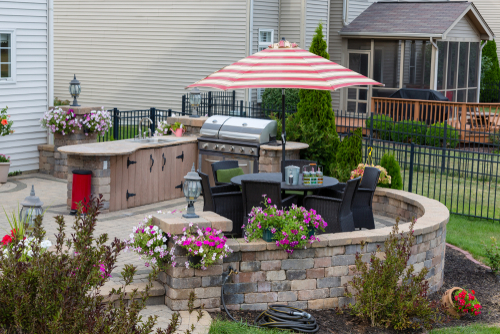
Installing a full outdoor kitchen with built-in grills, pizza ovens, and bars can be exciting for personal enjoyment. But most buyers don’t want the hassle of maintaining elaborate outdoor cooking spaces. Specialized layouts and high-end appliances may not match the next homeowner’s needs. Such features can feel like a chore rather than an asset.
Basic patios and simple grill areas tend to have broader appeal. Outdoor kitchens often require plumbing, gas, and electrical work that some buyers may see as liabilities. Removing or updating them is expensive if tastes don’t align. A low-maintenance, flexible backyard usually sells better.
16. Home Gyms
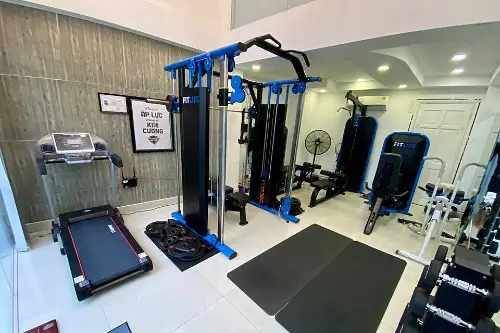
Converting a spare room or basement into a full gym may seem practical. Yet most buyers prefer multifunctional spaces that can adapt to offices, playrooms, or guest rooms. Fixed equipment and specialized flooring can make a space feel permanent and less versatile. Personal fitness choices vary, so what you love may not appeal to the next owner.
Lightweight or portable gym setups avoid limiting functionality. Buyers appreciate the ability to repurpose rooms without extra work. Heavy installations, mirrors, or custom mats can feel like obstacles. Keeping exercise areas flexible preserves both usability and resale value.
17. Ceiling Treatments
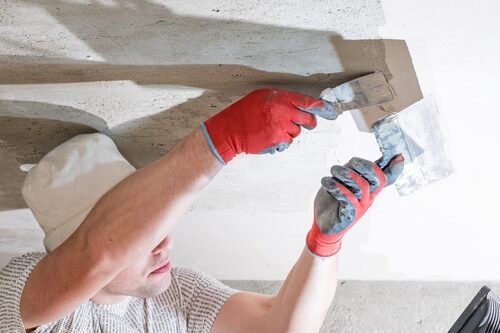
Coffered ceilings, bold paint, or intricate plasterwork can elevate a room’s look. But highly decorative ceilings can polarize buyers. Some may find them dated, ostentatious, or difficult to maintain. Overly unique designs risk making the room feel smaller or cluttered.
Simple, classic finishes tend to appeal to more people. A standard painted ceiling or subtle molding adds elegance without restricting taste. Buyers often prefer a blank canvas to personalize. Neutral treatments ensure a timeless and marketable look.
18. Fence Upgrades

Replacing a basic fence with ornate wrought iron, bright colors, or unique patterns can improve curb appeal in the short term. However, extreme designs may not suit all buyers’ preferences or neighborhood standards. High-maintenance fencing can be seen as an added expense. Bold choices could even violate HOA rules or require modification later.
Standard wooden or vinyl fences are generally safer for resale. They provide privacy and security without overpersonalizing the property. Buyers often value durability and low upkeep over style. Neutral fencing preserves the home’s broad appeal.
19. Staircase Modifications
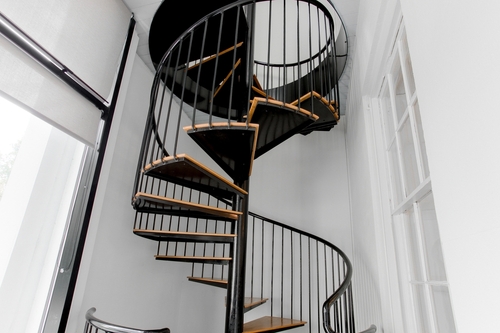
Custom staircases with elaborate railings, glass panels, or floating treads make a dramatic statement. But highly stylized stairs can clash with the home’s overall aesthetic. Safety concerns may arise for families or older buyers. Renovating them later is costly and disruptive.
Classic wood railings and neutral finishes work better long-term. They feel timeless and accommodate multiple design preferences. Buyers tend to appreciate functionality paired with understated elegance. Keeping stairs traditional ensures they enhance, not hinder, resale.
20. Fireplaces
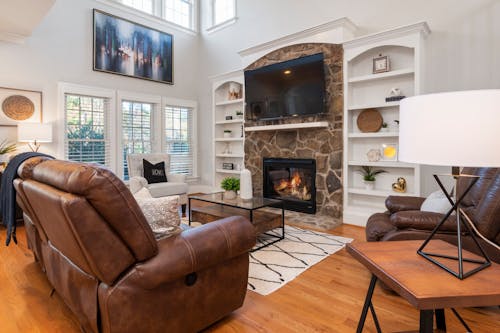
A modern or themed fireplace can transform a living space. However, overly trendy materials, colors, or built-ins may not appeal to everyone. Some buyers may see it as a costly feature to replace. Unique designs can limit the room’s versatility.
Classic stone, brick, or neutral mantel finishes typically have broader appeal. A simple fireplace adds warmth without dominating style choices. Buyers can more easily envision their own décor around a neutral focal point. Timeless fireplaces maximize marketability.
21. Room Additions
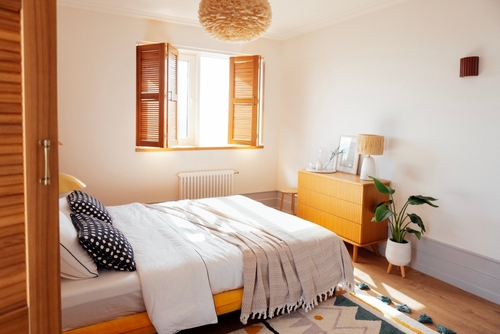
Adding a new room or bump-out can be exciting, but it often won’t recoup costs if it’s highly specialized. Extra bedrooms or offices are safer, but hobby rooms, sunrooms, or media dens can feel excessive. Layout disruptions may confuse potential buyers. Unusual additions can narrow your audience significantly.
Permits, construction quality, and integration with existing space are critical. Buyers notice poorly matched materials or awkward flow. Simple, functional additions are more likely to add value. Over-customization often backfires in resale scenarios.
22. Driveways and Walkways
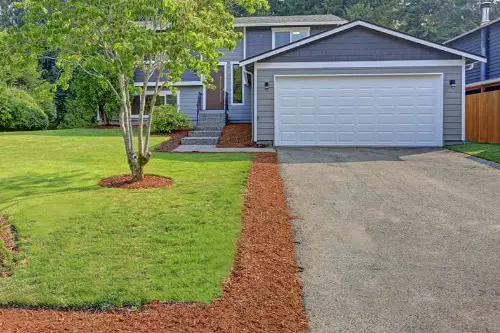
Paving a driveway with intricate patterns, colored concrete, or unusual stone can look impressive. Yet many buyers prefer clean, neutral surfaces. Bold patterns may feel trendy or expensive to replace. A dramatic walkway can unintentionally date your home.
Standard asphalt, concrete, or simple pavers are more universally appealing. They provide functionality without polarizing taste. Maintenance and repair considerations factor heavily in buyer decisions. Keeping exterior surfaces simple maintains broad appeal.
23. Ceiling Fans
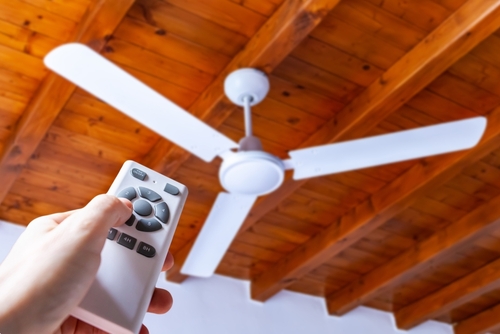
Upgrading ceiling fans to oversized, designer, or novelty styles may suit your decor perfectly. But buyers often see unusual fans as another item to replace. Exotic finishes or shapes can clash with the next owner’s vision. Overly trendy fans can make rooms feel personalized rather than universally attractive.
Classic ceiling fans in neutral finishes tend to appeal more broadly. Simple, energy-efficient models balance functionality and aesthetics. Buyers want lighting and air circulation without extra mental cost. Neutral fans help keep a room market-ready.
This post 23 Ordinary Objects You Should Never “Upgrade” If You Care About Resale was first published on Greenhouse Black.
