
1. Stained Glass Windows
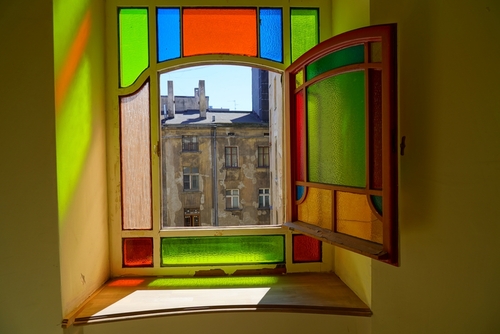
In older homes built in the late 19th and early 20th centuries, stained glass windows were a common decorative feature. You’ll often see them in Victorian-era houses or early Craftsman bungalows, especially in entryways and stairwells. During mid- to late-20th-century remodels, some homeowners removed them in favor of clear insulated glass for energy efficiency. Others felt the colored glass looked dated or blocked too much light.
Today’s buyers often see original stained glass as a rare architectural detail. Custom stained glass is expensive to commission, and antique panels have craftsmanship that’s hard to replicate. When they’re removed and replaced with plain panes, the home can lose a layer of visual interest and history. For character-home shoppers, that missing feature can feel like a real loss.
2. Built-In Cabinets and Shelving
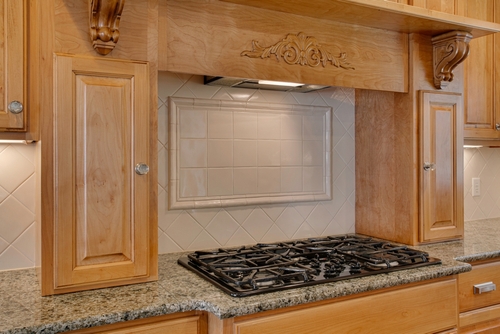
Mid-century and early 20th-century homes often included built-in cabinetry, especially in dining rooms and living spaces. Think glass-front bookcases flanking a fireplace or a full wall of storage in a breakfast nook. During minimalist remodels in the 1990s and early 2000s, many of these were ripped out to “open up” rooms. At the time, freestanding furniture felt more flexible and contemporary.
Today’s buyers often see those original built-ins as craftsmanship they can’t easily replace. Custom millwork is expensive, and older homes frequently featured solid wood construction rather than veneer. Removing them can also make a room feel less anchored and less unique. What once seemed cluttered now reads as charming and functional.
3. Formal Dining Rooms
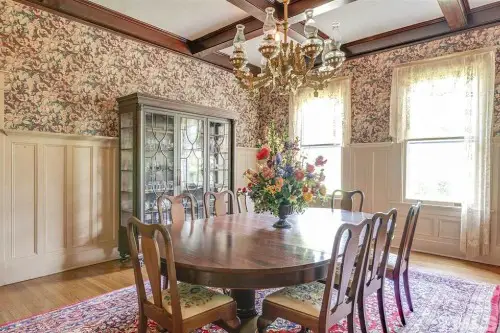
In the push toward open-concept living, many homeowners removed walls that separated kitchens from dining rooms. The idea was to create a big, flowing space for entertaining and casual family life. Formal dining rooms were sometimes absorbed into expanded kitchens or turned into home offices. For a while, that felt practical and on trend.
Now some buyers miss having a clearly defined dining space. Separate rooms help contain noise and cooking smells, and they create a sense of occasion for holidays and gatherings. Not everyone wants guests staring at a sink full of dishes during dinner. As open layouts have become standard, defined spaces are starting to feel special again.
4. Bathtubs in Primary Bathrooms
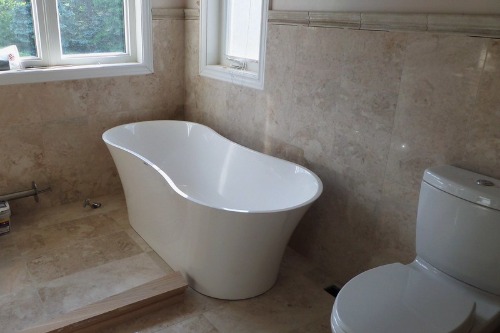
In the early 2000s, oversized jetted tubs were popular in primary bathrooms. Later, many homeowners removed tubs altogether in favor of large walk-in showers. The thinking was that showers were more practical and used more often. In smaller homes, eliminating the tub also freed up square footage.
The downside shows up when families with young children start house hunting. Many buyers specifically want at least one bathtub in the home for bathing kids. Real estate professionals often advise keeping at least one tub for resale value. When every bathroom has only a shower, some buyers see it as an expensive fix waiting to happen.
5. Wood-Burning Fireplaces
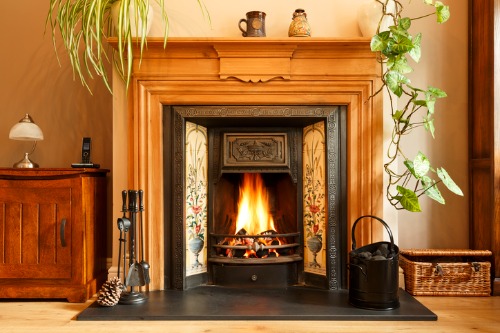
In some renovations, wood-burning fireplaces were removed or sealed off to create more wall space. Homeowners sometimes replaced them with electric inserts or eliminated the hearth entirely. Concerns about maintenance, drafts, and indoor air quality played a role in these decisions. In certain areas, local regulations also tightened around wood burning.
Even so, many buyers still love the look and feel of a real fireplace. A traditional masonry fireplace can serve as a focal point and add architectural character. While not every buyer plans to use it daily, the option matters. When it’s gone, the living room can feel less cozy and less distinctive.
6. Original Interior Doors and Trim
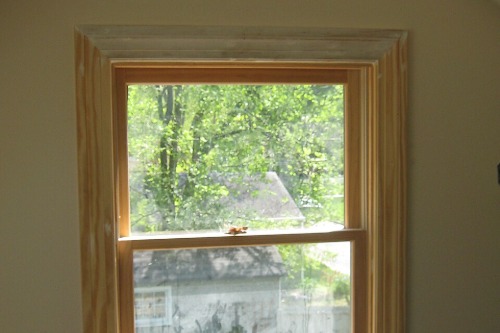
During budget-conscious updates, original solid wood doors were often swapped out for lightweight hollow-core versions. Detailed crown molding and baseboards were sometimes simplified or removed to create a sleeker look. Painted-over trim replaced stained woodwork in many homes. At the time, these changes were seen as clean and contemporary.
Today’s buyers are often drawn to original millwork because it reflects the home’s era and craftsmanship. Reproducing historic trim profiles can be costly and time-consuming. Solid wood doors also feel heavier and more substantial than modern replacements. Once those details are stripped away, it’s hard to fully restore the home’s original character.
7. Vintage Tile in Bathrooms
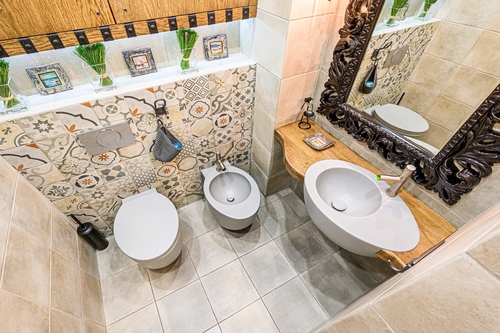
Colorful tile from the 1920s through the 1950s was frequently demolished during bathroom updates. Homeowners eager for a neutral palette tore out pink, mint, or blue wall tiles. In many cases, the tile was structurally sound but considered outdated. Replacing it with large-format ceramic or porcelain felt like an upgrade.
Now, vintage tile is often appreciated as part of a home’s history. In good condition, original tile can be durable and uniquely styled compared to modern mass-produced options. Some buyers even seek out homes with intact retro bathrooms. Once it’s gone, recreating that period look can be surprisingly difficult and expensive.
8. Mature Landscaping
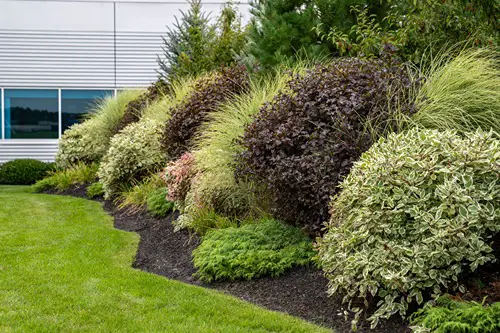
Renovations don’t stop at the front door. Some homeowners remove mature trees and established gardens to simplify yard maintenance or create a blank slate. Others take down large shade trees to reduce leaf cleanup or perceived risk. At the time, a low-maintenance yard can feel like a relief.
But mature landscaping takes years, sometimes decades, to establish. Large trees provide shade, lower cooling costs, and add curb appeal. Many buyers see established greenery as an asset they can’t fast-forward. When it’s been cleared away, the property can feel stark and less inviting.
9. Original Hardwood Floors

A lot of homeowners once thought wall-to-wall carpeting felt modern and cozy, especially in the 1970s through the 1990s. So they covered up original hardwood floors, sometimes without even checking what was underneath. In older homes built before World War II, solid oak or maple floors were common and built to last. Today’s buyers often pull up carpet hoping to find those original planks still intact.
The problem is that years of glue, padding staples, moisture, or pet stains can permanently damage the wood. In some cases, the hardwood was removed entirely to level the floor. Now that solid hardwood is expensive to install new, buyers see original flooring as both a character feature and a cost saver. When it’s gone, they know they’re facing a major investment to recreate that warmth and authenticity.
10. Pocket Doors
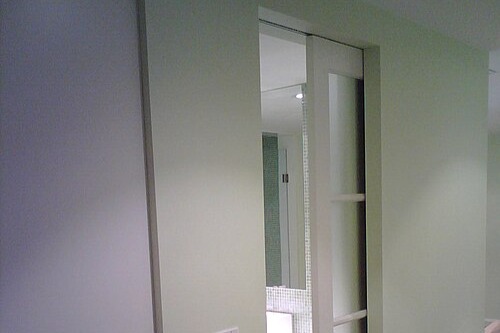
Pocket doors were common in homes built before the 1940s, especially in dining rooms, parlors, and between living spaces. They allowed rooms to be closed off for privacy or opened up for entertaining without taking up swing space. During renovations, many were removed when walls were reconfigured or when the sliding hardware failed. Some homeowners simply drywalled over the opening rather than repairing the mechanism.
Buyers now appreciate pocket doors for their flexibility and space-saving design. In smaller homes, they provide separation without sacrificing square footage. Restoring or reinstalling pocket doors can be complicated and costly, particularly if the original framing was altered. When they’re gone, buyers miss both the function and the period charm they once added.
11. Butcher Block and Solid Wood Countertops
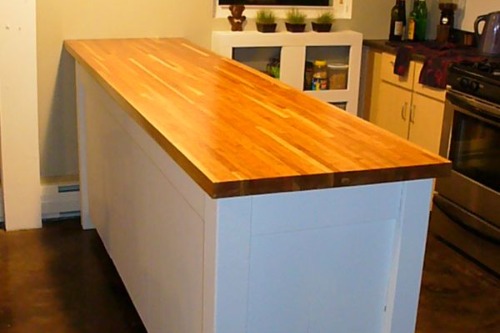
Before stone countertops became widely popular in the 1990s and 2000s, many kitchens featured sections of solid wood or butcher block. These surfaces were especially common in older farmhouses and mid-century homes. During remodels, they were often replaced with laminate, granite, or engineered stone for a more uniform look. At the time, wood counters were sometimes viewed as high-maintenance or old-fashioned.
Now, many buyers appreciate the warmth and natural variation that real wood brings to a kitchen. Quality butcher block can be sanded and refinished, extending its lifespan for decades. In contrast, some modern materials can chip or go out of style more quickly. When original wood countertops are removed, buyers sometimes feel the kitchen has lost a layer of texture and authenticity.
This post Things People Removed During Renovations That Buyers Now Wish Were Still There was first published on Greenhouse Black.
