
1. Vintage Lawn Mowers
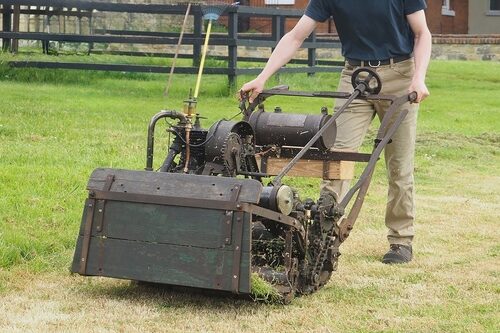
Back in the day, people stored old push mowers and riding lawn tractors in sheds, especially the cast-iron and steel ones from the ’50s and ’60s. These machines were built to last, but as modern plastics and electronics took over, the originals became rare. Finding one that still runs or can be restored is now a mini treasure hunt. Collectors often pay surprisingly high prices for a mower in decent condition.
These vintage lawn mowers aren’t just nostalgia; they show craftsmanship that modern mass production doesn’t replicate. Many have quirky features, like hand-crank starters or ornate decals, that you won’t see on today’s models. People who find them often spend months restoring the engines and blades. That hands-on work is part of why they’re so sought after now.
2. Milk Bottles and Crates
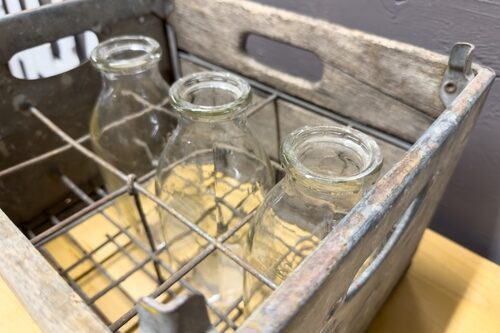
Before plastic jugs, milk was delivered in glass bottles, and people sometimes stored extra bottles and wooden crates in their sheds. They used them for crafts, extra storage, or just in case of a special order. Today, original bottles in good shape are rare because glass was often melted down or thrown away. Wooden crates with original branding are even scarcer and highly collectible.
These crates weren’t just practical; they were advertising for local dairies, often with hand-painted or embossed logos. People now use them as shelves or decorative pieces, but finding one intact is like stumbling on a piece of history. Some bottles even had thick glass bottoms with unique embossing. The combination of nostalgia and rarity makes them surprising finds.
3. Analog Cameras

Film cameras, especially 35mm SLRs and medium-format models, were a shed staple for hobbyists who upgraded every few years. Back then, digital cameras weren’t a thing, so old models piled up. Today, it’s harder to find fully functional analog cameras in working condition, especially those with original lenses. Photography enthusiasts now hunt thrift stores and online auctions just to get one.
These cameras are more than tools; they’re artifacts of pre-digital photography. Many had manual focus, mechanical shutters, and intricate light meters. Collectors often enjoy taking them apart or restoring them, which brings the old technology back to life. Each camera tells a story about how photography used to feel tactile and deliberate.
4. Sewing Machines

Families often stored antique treadle sewing machines in sheds when electric models became popular. These machines, many from Singer or White, were made of cast iron and built to last for decades. Today, functioning treadle machines are rare, and some collectors prize them as both furniture and tools. They were often kept under tarps and eventually forgotten, which makes the survivors unusual.
A treadle machine is more than a tool; it’s a mechanical marvel. You can run it without electricity, and every part clicks and moves with satisfying precision. Restoring one can take patience but offers a unique connection to domestic history. Those who inherit or find them often discover hidden engravings or vintage decals.
5. Typewriters
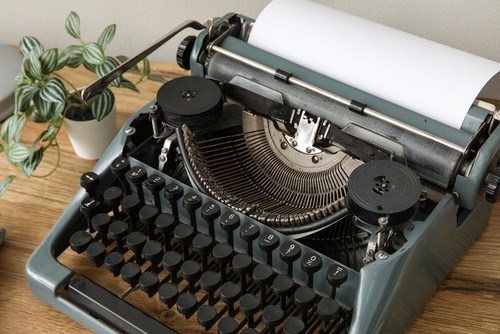
Manual typewriters were shed-bound once computers took over the office. Families kept them “just in case” or as decorative relics. Today, working typewriters, especially mid-century models like Remington or Underwood, are increasingly rare. Finding one without rusted keys or missing parts is a small victory.
Typewriters have a tactile charm that keyboards lack. Each keystroke gives feedback, and the metal mechanisms are surprisingly elegant. Collectors prize fully functional models, sometimes even using them for letters or journaling. These machines represent a hands-on connection to communication that’s hard to replicate today.
6. Rotary Telephones
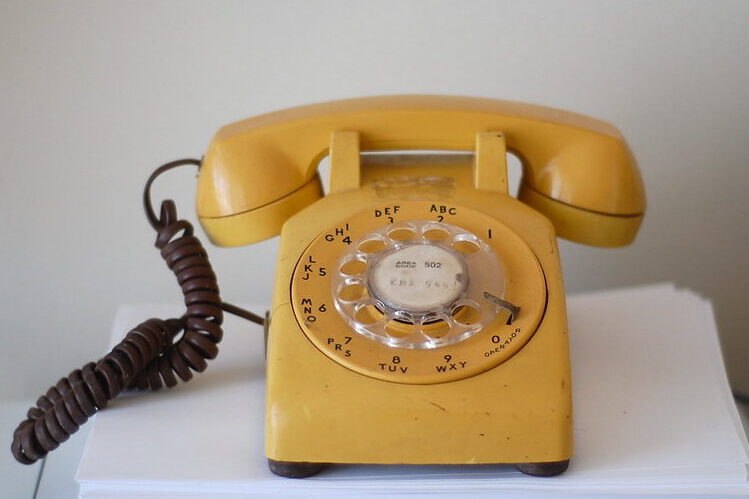
Rotary phones were everywhere in homes and often retired to sheds when push-button and cordless phones came in. People sometimes kept them for emergencies or nostalgia. Today, working rotary phones are uncommon because landlines themselves are fading away. Even finding one with an intact cord and dial can be a challenge.
Rotary phones are more than objects; they’re a symbol of pre-digital life. The tactile dial and audible clicks give them personality. Some enthusiasts rewire them to work with modern lines, but many stay as décor pieces. Their scarcity is part of what makes them charming conversation starters.
7. Metal Signs
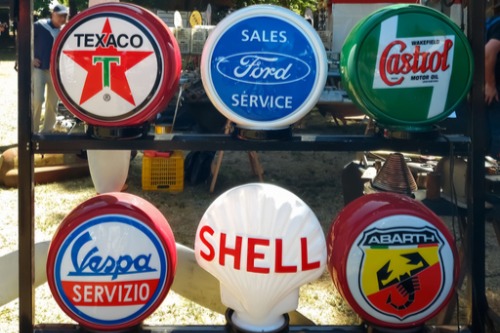
Old metal signs from gas stations, soda brands, or local stores often ended up in sheds once people redecorated. They were durable, so many survived decades in storage. Today, original metal signs from the early 20th century are collectible and sometimes fetch hundreds of dollars. Most reproductions can’t match the weight, paint quality, or lettering of the originals.
Collectors appreciate them for their colors and graphic design. Some feature rare branding or local businesses that no longer exist. These signs were once functional but have become nostalgic art pieces. The hunt for authentic examples can take years.
8. Ceramic Jars and Crocks
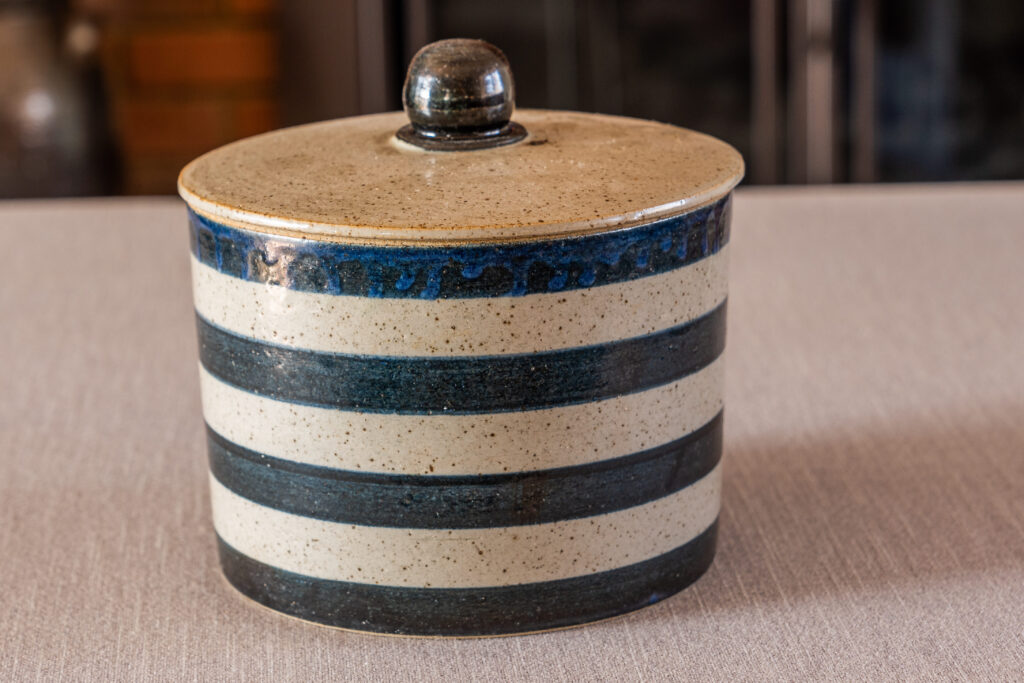
Before plastics, people stored food and preserves in ceramic crocks, often stacked in sheds or pantries. They were used for pickling, fermenting, or just keeping staples cool. Today, intact crocks, especially with unique glazes or markings, are rare. Many were discarded when families moved or switched to modern containers.
Crocks have both practicality and aesthetic appeal. Some have maker’s stamps that date back a century or more. They’re now sought after by collectors, restaurateurs, and decorators. Their size, shape, and history make each one a small piece of domestic heritage.
9. Vinyl Records
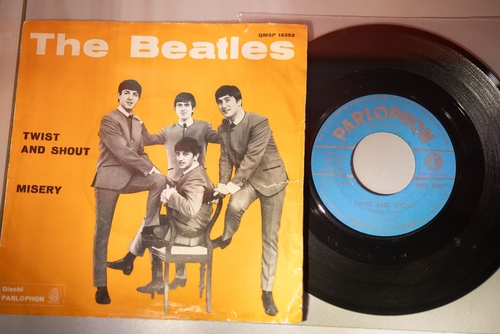
Back when record players were common, people stored large stacks of vinyl in sheds to save space indoors. Some were kept carefully in boxes, others left exposed to dust. Today, original pressings of albums from the 1950s–1980s are highly sought after. Condition matters, and many stored records were damaged or warped over time.
Vinyl has seen a major resurgence, but certain editions are almost impossible to find. First pressings, colored vinyl, and regional releases are particularly prized. Sheds that held these records often become treasure troves for collectors. The mix of music history and physical nostalgia gives vinyl its enduring appeal.
10. Tin Toys
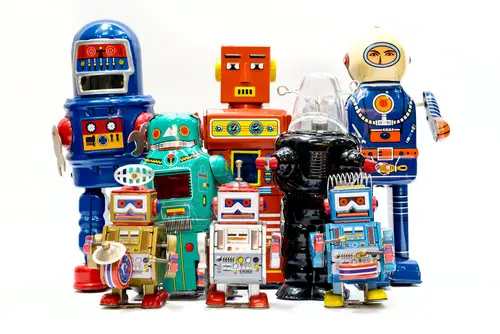
Kids’ tin toys—cars, robots, or wind-up figures—often ended up in sheds once children outgrew them. They were small, durable, and easily stashed away. Today, original tin toys from the early 20th century are rare and highly collectible. Many were painted by hand, so minor imperfections add character and value.
Tin toys are a window into both childhood and industrial design history. Their mechanical movements, bright colors, and quirky shapes are unlike anything mass-produced today. Collectors enjoy displaying or even carefully operating them. The few remaining toys are often in museums or private collections.
11. Old Gardening Tools
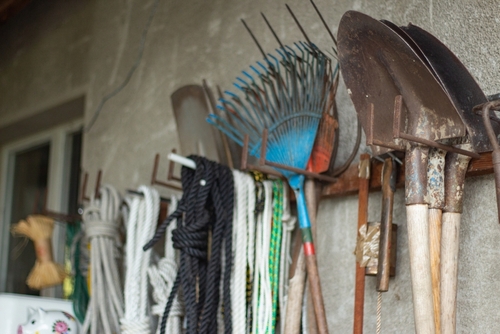
Long-handled spades, cast-iron seeders, and wooden-handled hoes were often shed staples before modern ergonomic tools. Families kept extras “just in case” or because the tools had sentimental value. Today, original tools in usable condition are increasingly rare, replaced by lightweight metals and plastic composites. Finding one with the original markings or craftsmanship is special.
These tools are functional art, with forged edges and sturdy handles built to last decades. They show a hands-on approach to gardening that modern mass production lacks. Some enthusiasts restore them to use or display as rustic décor. They serve as reminders of both history and the tactile pleasure of manual work.
This post Things People Stored in Sheds That Are Now Hard to Find Anywhere was first published on Greenhouse Black.
