
1. Major Kitchen Appliances
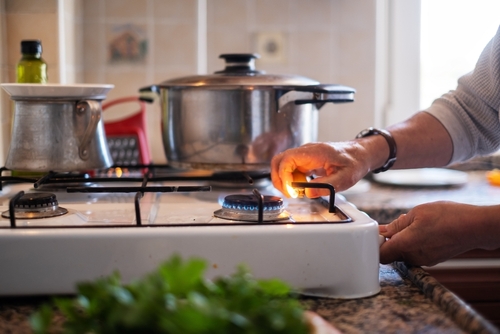
There was a time when replacing a refrigerator or stove felt painful but manageable. Now, walking into a showroom and looking at new models can be genuinely shocking. Brands like Whirlpool and GE Appliances offer reliable machines, but even their mid-range models often cost hundreds more than they did just a few years ago. Add delivery, installation, and haul-away fees, and the total climbs fast.
Appliances have also become more technologically complex. Features like touchscreens, Wi-Fi connectivity, and energy-efficient compressors add to both convenience and price. When one breaks, repair bills can rival a sizable chunk of the replacement cost. It’s no wonder many households try to squeeze out every last year before committing to a new one.
2. Cast Iron Skillets
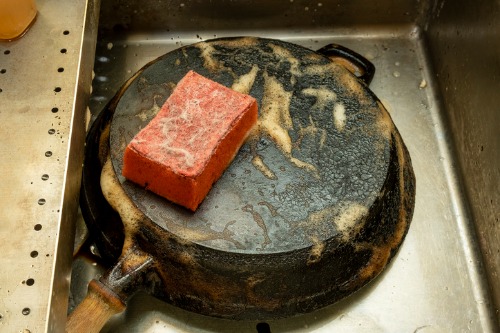
If you’ve owned a cast iron skillet for years, you know it’s practically indestructible. That’s why it stings a little when you see what a new one costs now. A basic 10-inch skillet from brands like Lodge used to feel like a small, practical purchase. Today, even standard models can run significantly more than they did a decade ago, especially specialty finishes or enameled versions.
The irony is that these pans last for generations if you treat them right. Replacing one usually only happens if it’s cracked or badly rusted beyond repair. Because prices have climbed alongside demand for home cooking gear, buying a new one feels less casual than it once did. Suddenly, that heirloom skillet in your cabinet seems priceless.
3. Solid Wood Furniture
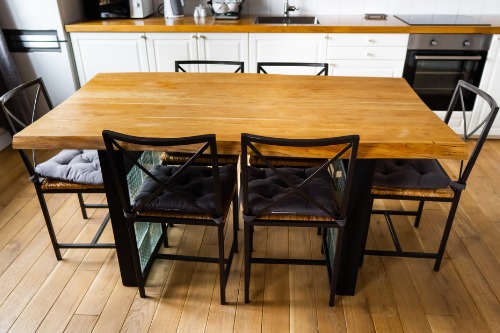
Real wood furniture used to be the standard, not the splurge. Now, a solid oak or maple dining table can feel like a luxury purchase. Retailers such as Pottery Barn often price solid wood pieces well above their particleboard counterparts. The difference reflects both material costs and labor.
As lumber prices have fluctuated and skilled craftsmanship has become more specialized, sturdy furniture has gotten pricier. That wobbly hand-me-down suddenly seems worth tightening a few screws for. Replacing it with something equally durable isn’t cheap. Many people now opt to refinish rather than replace.
4. Mattresses

Buying a mattress used to mean a quick trip to a department store. Today, even online brands like Casper and Tempur-Pedic can easily cost well over a thousand dollars for larger sizes. Hybrid materials, cooling gels, and specialized foams have raised the baseline price. It’s an investment in sleep, but it’s still a big hit to the budget.
Because mattresses are recommended to be replaced every 7 to 10 years, this expense isn’t rare. When the time comes, the sticker shock feels sharper than expected. Delivery fees and old-mattress removal can add more to the bill. Suddenly, flipping and rotating your current one feels like a financial strategy.
5. Power Tools
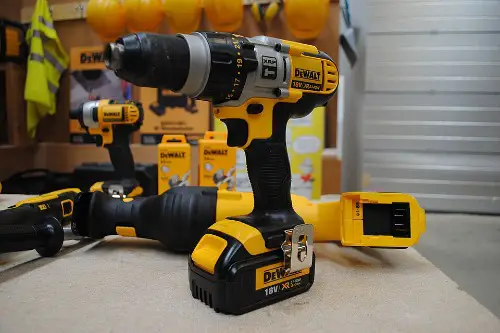
If you bought your drill years ago, you might not realize how much replacement costs have crept up. Modern cordless tools from brands like DeWalt and Milwaukee Tool rely on advanced lithium-ion battery systems. Those batteries alone can be surprisingly expensive. A full kit can cost far more than older corded versions ever did.
Technology has made tools lighter and more powerful, but also pricier. When a battery fails, replacing it can cost nearly as much as buying a new tool. That pushes many homeowners to baby the tools they already own. Suddenly, a dusty old drill in the garage feels like an asset.
6. Quality Cookware Sets
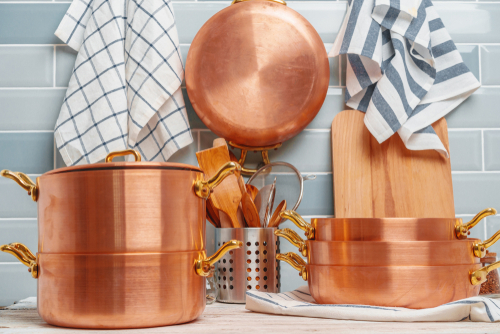
A full cookware set from brands like All-Clad or Calphalon isn’t a casual purchase anymore. Stainless steel and nonstick collections can run into the hundreds or even thousands of dollars. Rising metal costs and premium branding both play a role. Even replacing a single pan can feel expensive.
Because good cookware lasts for years, people tend to forget its replacement value. Scratches or warped bottoms used to mean an easy swap. Now, many households try to re-season, re-coat, or simply live with imperfections. The cost of starting over makes minor flaws feel manageable.
7. Bicycles
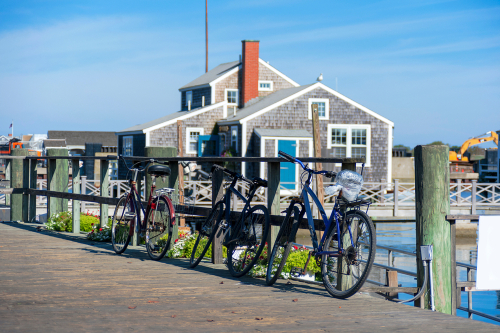
A decent commuter bike used to be relatively affordable. Now, even entry-level models from companies like Trek Bicycle Corporation or Giant Manufacturing can cost several hundred dollars or more. Supply chain issues and increased demand during recent years pushed prices upward. Higher-end materials like lightweight aluminum or carbon fiber add even more.
Replacement parts aren’t cheap either. Tires, chains, and gear components have all seen price increases. When a bike gets stolen or damaged, the financial hit can be significant. That old bike in the garage suddenly looks worth repairing instead of replacing.
8. Vacuum Cleaners
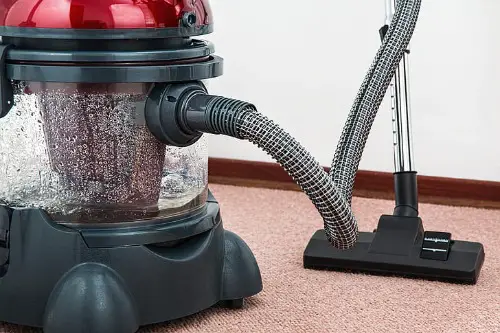
Vacuum cleaners have become far more advanced than the clunky models many of us grew up with. Brands such as Dyson and SharkNinja offer powerful cordless and HEPA-equipped models. These features improve performance but raise the price considerably. Top-tier models can cost several hundred dollars.
Even mid-range vacuums are no longer cheap impulse buys. Replacement filters and batteries add to long-term costs. When a vacuum starts losing suction, many people look for repair tutorials first. The thought of buying a new one often feels like an unwelcome surprise.
9. Lawn Mowers
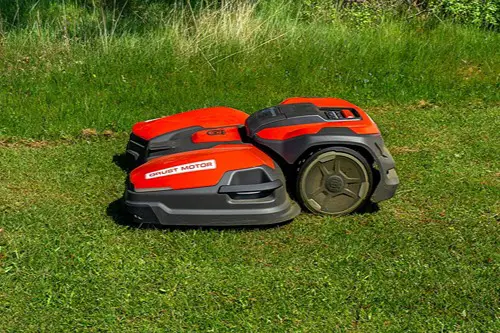
A basic push mower used to be a straightforward purchase. Now, whether you’re eyeing gas, electric, or battery-powered models, prices are noticeably higher. Companies like Honda and Toro produce reliable options, but they’re rarely cheap. Battery-powered mowers especially can cost several hundred dollars or more.
As technology shifts toward quieter, emission-free options, costs have risen. Replacement batteries for electric models can be a major expense. That makes maintaining your current mower feel financially smart. Suddenly, annual tune-ups seem like a bargain.
10. Window Treatments

Curtains and blinds might not seem like major investments at first glance. But once you price out full-home replacements, the total adds up quickly. Retailers like IKEA and Hunter Douglas offer options at very different price points, yet even budget choices aren’t as cheap as they once were. Custom sizing drives the cost even higher.
Fabric prices and manufacturing expenses have climbed over time. Replacing sun-faded or outdated treatments throughout a house can run into the thousands. That realization often leads homeowners to wash, patch, or rehang what they have. What once felt decorative now feels like an investment.
11. Small Kitchen Appliances

Toasters, blenders, and coffee makers used to be quick replacements. Today, higher-end models from Breville or KitchenAid can cost far more than their older counterparts. Even mid-tier versions have crept up in price. Stainless steel finishes and digital controls add to the bill.
When a small appliance fails, the instinct to replace it immediately has faded. Many people attempt minor repairs or look for refurbished units first. The cost difference between basic and premium models is wider than it used to be. That makes the old blender in the cupboard feel worth one more try.
12. Smartphones
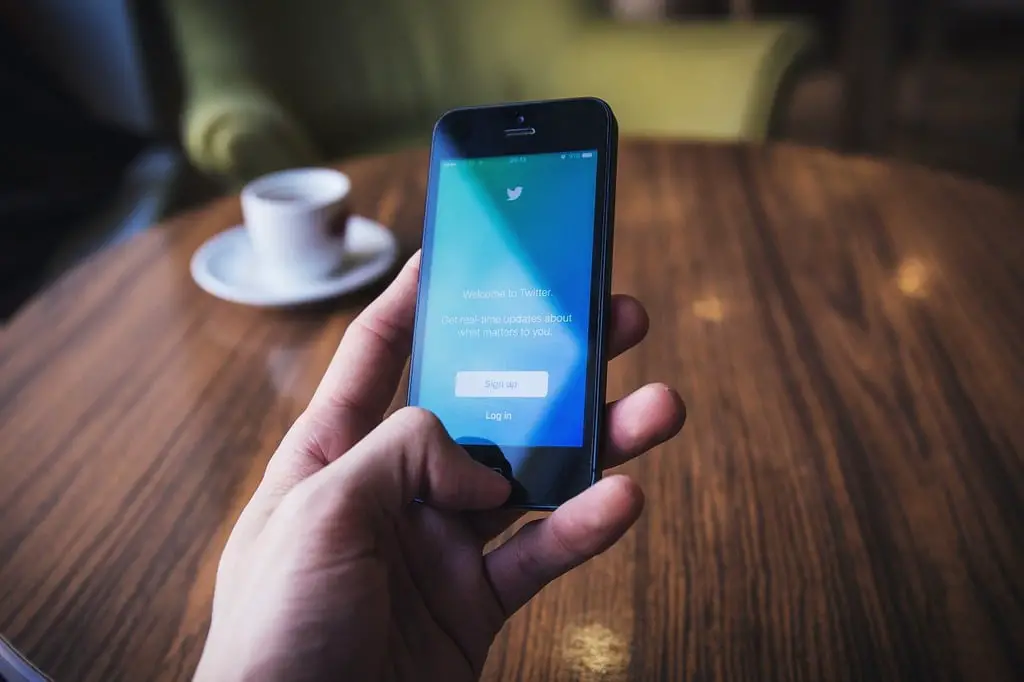
It’s easy to forget that smartphones are household staples now. Flagship models from Apple and Samsung Electronics routinely launch at premium prices. High-resolution displays, advanced cameras, and faster processors all contribute to rising costs. Replacing a broken device can easily exceed a thousand dollars.
Because of that, many households invest in protective cases and extended warranties. Screen repairs alone can cost hundreds, depending on the model. People hold onto their phones longer than they once did. What used to be a routine upgrade now feels like a serious financial decision.
This post Household Items That Quietly Became “Too Expensive” to Replace was first published on Greenhouse Black.
