
1. Metal Ice Cube Trays With Levers
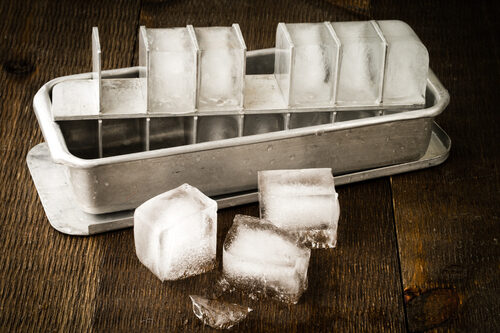
Before flexible silicone trays became common, households used sturdy aluminum ice cube trays with a metal lever. Companies such as General Electric included them in mid-century freezers. The lever would crack the ice free in one satisfying motion. It was a mechanical solution to a simple problem, and it worked.
Modern plastic trays can warp, crack, or absorb freezer odors over time. Silicone versions are easier to twist, but they don’t have the same solid feel. The old metal trays were durable and resistant to staining. There’s something satisfying about a tool that solves a problem with a hinge instead of a redesign.
2. Cast-Iron Skillets

Long before nonstick coatings took over store shelves, cast-iron skillets were the workhorses of American kitchens. Brands like Griswold Manufacturing and Wagner Manufacturing Company produced pans in the late 19th and early 20th centuries that were thinner and lighter than many modern equivalents. Those vintage skillets were often milled smooth on the cooking surface, which made them naturally slick once seasoned properly. That combination of lighter weight and smoother finish is hard to find today without paying a premium.
Modern cast iron is still durable, but it’s usually heavier and rougher straight from the factory. Older pans were designed for daily use on wood stoves, so balance and heat control really mattered. People still hunt for antique pieces because they heat evenly and release food beautifully when seasoned well. It’s telling that a 100-year-old skillet can outperform a brand-new one with no synthetic coating in sight.
3. Safety Razors
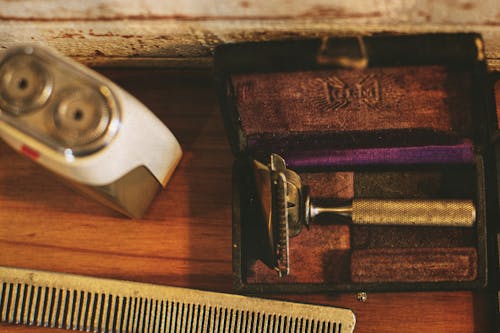
Before multi-blade cartridges dominated the drugstore aisle, men commonly shaved with double-edge safety razors. Companies like Gillette popularized them in the early 20th century, making close shaves affordable and accessible. The design was simple: a solid metal handle and a replaceable blade. With proper technique, they offered an incredibly close shave with minimal irritation.
Modern cartridge razors add more blades and plastic, but they also add cost and waste. Many users report that multi-blade systems can cause ingrown hairs by lifting and cutting hair below skin level. A vintage-style safety razor, often made of brass or steel, can last a lifetime with basic care. It’s hard to argue with a design that’s both mechanically elegant and environmentally sensible.
4. Rotary-Dial Telephones

Rotary phones were once standard in homes across America, especially models made by Western Electric for the Bell System. These phones were heavy, mechanical, and built to endure decades of daily use. The rotary mechanism itself was engineered with precision gears and springs. Many units from the mid-20th century still function perfectly today.
Modern cordless phones and smartphones are undeniably more advanced, but they’re also far more fragile. Drop a contemporary handset once and you may be looking at a cracked screen or internal damage. Rotary phones didn’t rely on software updates or rechargeable batteries. Their reliability during power outages made them especially dependable in emergencies.
5. Manual Push Reel Lawn Mowers
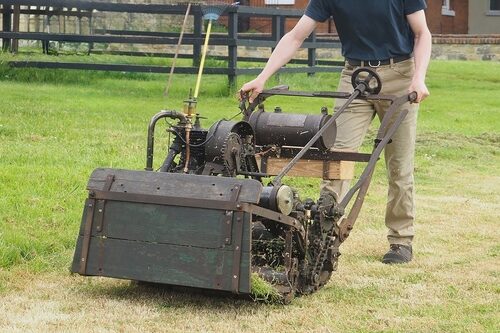
Push reel mowers were once the norm before gas-powered models became widespread. Brands like American Lawn Mower Company produced durable models that required nothing but muscle. The rotating blades sliced grass cleanly, much like scissors. That cutting action is actually healthier for grass than the tearing motion of many rotary mowers.
Today’s gas and battery-powered mowers are convenient, but they’re heavier and more complex. They require fuel, charging, or regular engine maintenance. A well-maintained reel mower can last decades with minimal repairs. For small lawns, the quiet, emission-free design still holds its own.
6. Mechanical Typewriters
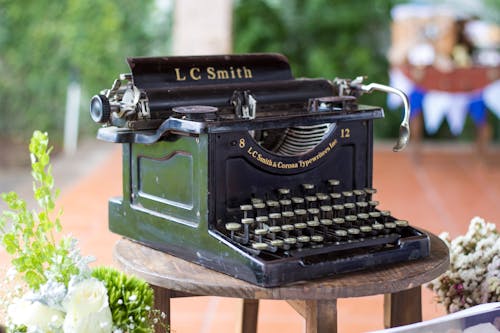
Mechanical typewriters from companies like Smith-Corona and Underwood Typewriter Company were feats of engineering. Each keystroke triggered a precise series of levers and typebars. The tactile feedback made typing a physical, deliberate act. Many writers appreciated how it encouraged focus without digital distractions.
Modern keyboards are faster and quieter, but they lack that mechanical rhythm. A typewriter doesn’t have notifications, internet access, or battery anxiety. Documents produced on them have a distinctive, tactile imprint on the page. There’s a reason some authors still draft on machines built more than half a century ago.
7. All-Metal Hand Tools
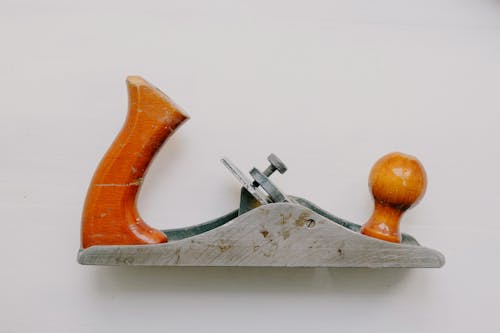
Mid-20th-century hand tools were often made entirely of forged steel. Companies like Stanley Works built planes, hammers, and measuring tools meant to last generations. Wooden handles were replaceable, and metal parts were repairable. These tools were designed with maintenance in mind.
Modern tools often incorporate plastic components to reduce cost and weight. While many are still high quality, they’re not always as repair-friendly. Vintage tools can be restored with basic skills and continue working for decades. There’s a certain trust that comes from using something built before planned obsolescence became common.
8. Glass Milk Bottles

Milk delivery in reusable glass bottles was once a regular part of life in many cities. Dairies would collect empties, sanitize them, and reuse them repeatedly. The thick glass didn’t absorb flavors or odors. It also kept milk cold effectively.
Today’s plastic jugs are lighter and cheaper to transport. However, they are single-use and contribute significantly to waste streams. Glass bottles were part of a circular system long before sustainability became a buzzword. It’s a reminder that older systems sometimes handled reuse better than modern ones.
9. Hand-Crank Egg Beaters
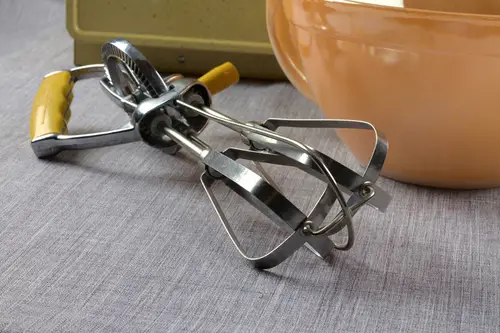
Before electric mixers became common, hand-crank egg beaters handled everything from whipped cream to cake batter. Companies like Dover Stamping Company produced sturdy models with interlocking gears. Turning the crank rotated twin beaters smoothly and efficiently. They required no outlet and rarely broke.
Modern electric mixers are faster, but they’re also noisy and dependent on power. For small tasks, dragging out a large appliance can feel excessive. A well-made manual beater offers control and simplicity. Sometimes a few turns of a handle are all you really need.
10. Steel Thermoses

Early vacuum flasks, popularized by the Thermos LLC brand, used durable steel exteriors and glass or steel interiors. They were designed to keep liquids hot or cold for hours without electricity. Many mid-century models are still functional today. Their vacuum insulation principle remains fundamentally unchanged.
Modern insulated bottles are stylish and effective, but they often feature painted finishes that chip. Some include complex lids with multiple plastic components. Older thermoses relied on straightforward engineering. When something did fail, replacement stoppers were often easy to find.
11. Mechanical Alarm Clocks
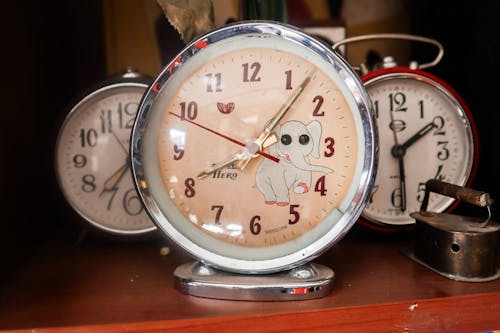
Wind-up alarm clocks were once bedside staples. Brands like Westclox produced models with simple springs and gears. You wound them each night, set the alarm, and trusted the mechanism. They didn’t depend on electricity or software.
Modern smartphones have largely replaced standalone clocks. However, they bring notifications and blue light into the bedroom. A mechanical clock did one job and did it well. There’s something grounding about hearing gears tick instead of a digital buzz.
12. Heavy-Duty Sewing Machines
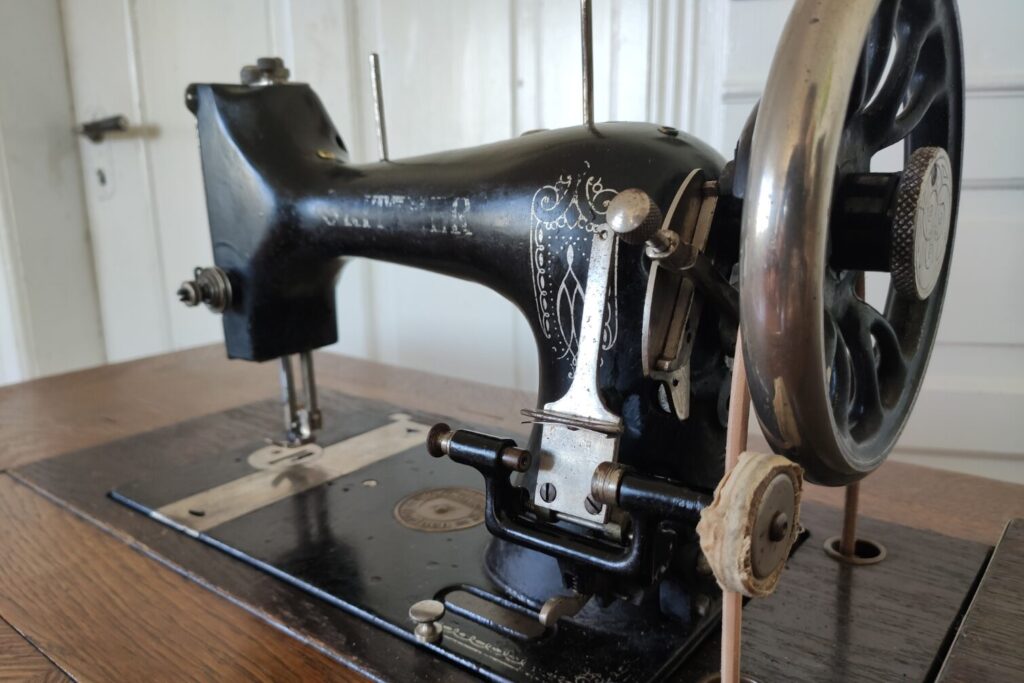
Mid-century sewing machines, such as those made by Singer Corporation, were often built with metal internal components. Many models from the 1940s and 1950s can still stitch through thick denim. They were engineered for repair and long-term ownership. Replacement parts were widely available for decades.
Modern entry-level machines often use plastic gears to reduce cost. While convenient and lightweight, they may not withstand the same heavy use. Vintage machines have a reputation for power and durability. It’s common to find one still running smoothly in a grandparent’s sewing room.
13. Paper Road Maps

Before GPS navigation, drivers relied on printed road maps from companies like Rand McNally. These maps were updated regularly and required users to understand geography. Planning a trip meant tracing routes and noting landmarks. It encouraged spatial awareness in a way turn-by-turn directions do not.
Modern navigation apps are incredibly convenient and accurate. Yet they depend on battery life, signal strength, and software. A paper map never lost service in a remote area. Even today, many seasoned travelers keep one in the glove compartment just in case.
This post Everyday Tools From Decades Ago That Modern Versions Can’t Match was first published on Greenhouse Black.
