
1. Las Vegas, Nevada

Las Vegas offers retirees a dry climate, no state income tax, and relatively affordable housing compared to California. Winter temperatures are typically mild during the day, often in the 50s and 60s. The city provides ample entertainment options beyond casinos, including dining and shows. Master-planned communities cater specifically to active adults.
Yet desert winters can be windy and surprisingly cold at night. Water scarcity concerns and extreme summer heat become more tangible after living there for a season. Healthcare access varies by neighborhood, and some retirees travel for specialized care. The glitter of the Strip can fade when daily life feels more ordinary than expected.
2. Scottsdale, Arizona
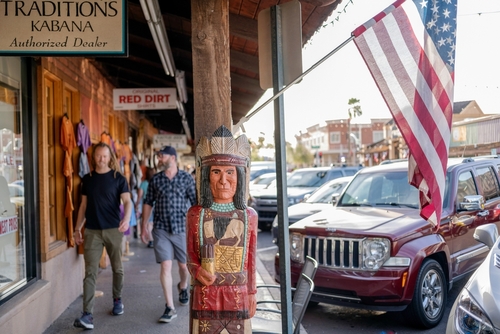
Scottsdale markets itself as an upscale desert retreat with golf resorts, art galleries, and meticulously landscaped communities. Many retirees are drawn to its master-planned neighborhoods and active-adult developments. Winter brings mild weather and a busy social calendar filled with festivals and outdoor events. It’s a place where staying active well into retirement feels built into the culture.
However, the first winter also reveals just how seasonal the population can be. Restaurants and roads become crowded with fellow snowbirds escaping colder states. Housing costs are notably higher than in neighboring areas, and property taxes reflect that demand. Some newcomers begin to question whether the premium price truly matches their day-to-day lifestyle needs.
3. Naples, Florida
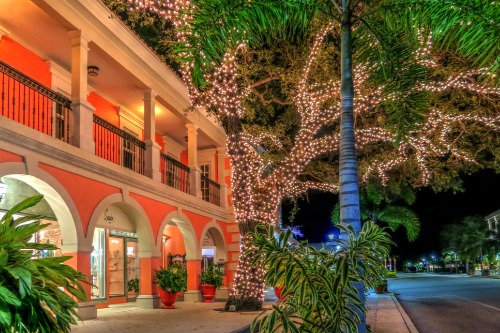
Naples is known for its white-sand beaches along the Gulf Coast and a reputation for affluence. Retirees are often drawn by Florida’s lack of state income tax and the promise of warm winter breezes. The city has a high median age, meaning it caters heavily to retirees with country clubs and waterfront condos. Winter temperatures are typically comfortable, with highs in the 70s.
Yet the first winter can highlight the area’s high cost of living and pricey real estate. Insurance premiums, particularly for homeowners, can be steep due to hurricane risk. Seasonal traffic swells dramatically as part-time residents arrive. Some retirees find that paradise comes with both financial and logistical trade-offs.
4. Sarasota, Florida
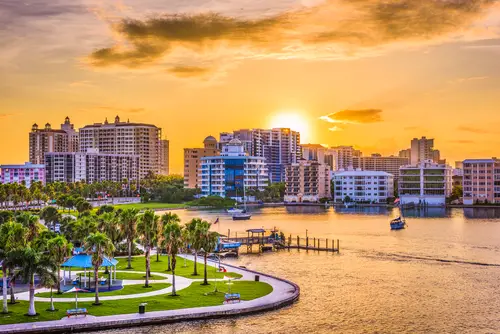
Sarasota blends beaches with a surprisingly strong arts scene, including theaters and museums. It’s a popular retirement destination thanks to its cultural offerings and Gulf Coast sunsets. Winter weather is typically mild and dry, making outdoor dining and beach walks easy habits. The area also has a significant retiree population, which fosters instant community.
During that first winter, though, retirees often notice how busy the roads and restaurants become. Like much of Florida’s west coast, it experiences a surge of seasonal residents. Housing costs have risen significantly in recent years, narrowing the affordability gap. Some newcomers begin to wonder whether a smaller nearby town might offer a calmer pace.
5. Asheville, North Carolina
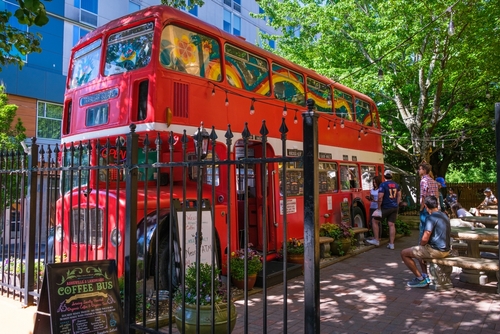
Asheville appeals to retirees who want mountain views and a creative vibe rather than beaches. Nestled in the Blue Ridge Mountains, it offers four distinct seasons and a lively downtown arts scene. Winter temperatures are generally cooler than in Florida, but milder than in much of the Northeast. Many retirees like the idea of light seasonal change without harsh northern winters.
Still, that first winter can include snowfall and icy roads in higher elevations. The mountainous terrain can make driving challenging during storms. Housing prices have climbed as the city’s popularity has grown. Some retirees discover they underestimated both the cold snaps and the competitive real estate market.
6. Charleston, South Carolina
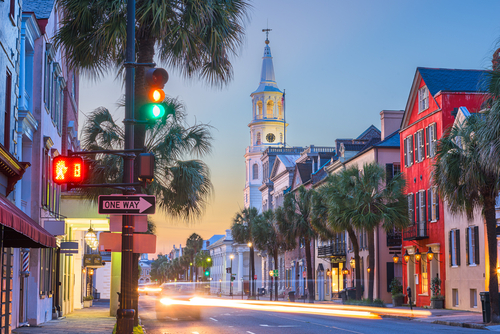
Charleston charms retirees with its historic architecture, coastal setting, and renowned food scene. Winters are typically mild, with average highs in the 50s and 60s. The walkable historic district and waterfront views feel romantic and relaxed. Many see it as a graceful alternative to Florida’s more resort-heavy vibe.
But humidity and occasional cold rain can make winter feel chillier than the thermometer suggests. Flooding concerns are real in certain low-lying areas. Housing costs in the historic core are high, and insurance can be costly near the coast. That first winter sometimes prompts retirees to reconsider how much they’re paying for charm.
7. Austin, Texas

Austin attracts retirees who want warm winters without Florida’s humidity. The city has no state income tax, a vibrant music scene, and abundant outdoor spaces. Winter temperatures are generally mild, often in the 50s and 60s. Many retirees appreciate the blend of urban energy and access to nature.
However, winter cold fronts can occasionally bring ice storms that disrupt power and travel. Property taxes in Texas can be higher than newcomers expect. Rapid population growth has increased traffic congestion significantly. Some retirees find that the city’s youthful pace doesn’t always align with their vision of retirement.
8. Phoenix, Arizona

Retirees flock to Phoenix for its dry heat, abundant sunshine, and relatively affordable housing compared to coastal California. Winter daytime temperatures typically hover in the 60s and 70s, which feels like paradise after decades of shoveling snow. Golf courses, planned communities, and a large retiree population make it easy to build a social life quickly. It’s long been one of the fastest-growing big cities in the country, in part because of retirees seeking warmth.
But that first winter can bring surprises, especially when nighttime temperatures dip into the 30s and the desert cold feels sharper than expected. The sheer sprawl of the metro area often means you need to drive everywhere, even for basic errands. Air quality can also be an issue at times due to dust and pollution trapped by the surrounding mountains. Some retirees realize they traded snow for car dependence and desert chill they didn’t quite anticipate.
9. Tucson, Arizona
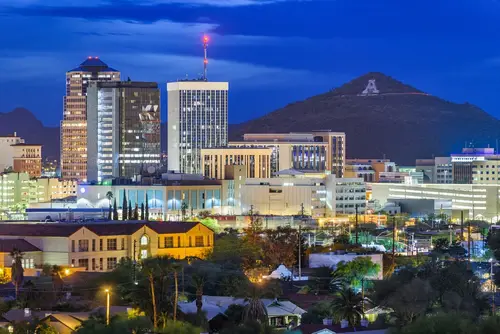
Tucson appeals to retirees who want Arizona sunshine without Phoenix’s size. It offers a strong arts culture and proximity to national parks and desert landscapes. Winter temperatures are generally pleasant, often in the 60s during the day. The slower pace feels manageable compared to larger metro areas.
Still, Tucson’s desert nights can dip into freezing temperatures. Public transportation options are limited, making a car essential. Some neighborhoods are far from major medical centers. The first winter can prompt retirees to think carefully about convenience versus quiet charm.
10. Orlando, Florida
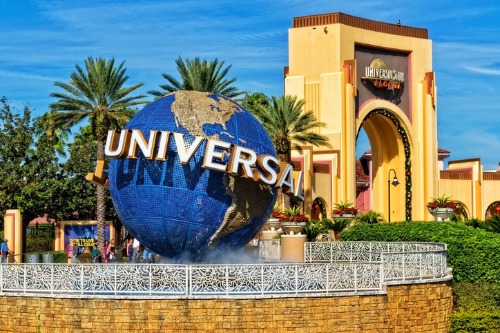
Orlando isn’t just for theme parks; it’s also home to numerous retirement communities. Winter weather is warm and generally drier than summer’s humid stretch. Florida’s tax structure remains a major draw for retirees on fixed incomes. There’s also a wide range of healthcare facilities in the metro area.
However, tourism never really pauses, even in winter. Traffic congestion can be constant near major attractions. Home insurance rates can be high due to storm exposure. Some retirees realize they prefer a quieter coastal town to a bustling inland hub.
11. St. George, Utah
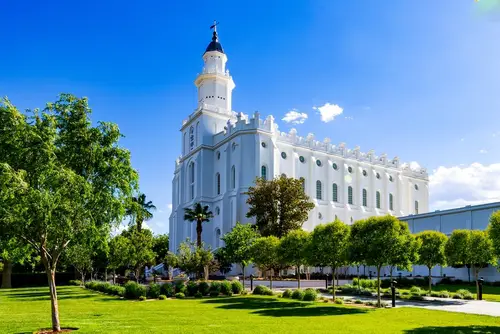
St. George has become a popular retirement destination thanks to its red rock scenery and mild winters. Daytime temperatures often sit in the 50s and 60s during winter months. Outdoor enthusiasts appreciate easy access to hiking and national parks. The city’s population has grown steadily as retirees discover southern Utah.
Yet winter nights can be cold, and snowfall is possible. The area is smaller, so specialized healthcare may require travel. Summer heat can exceed 100 degrees, which looms large after experiencing a full seasonal cycle. Some retirees begin to reconsider whether desert living suits them year-round.
12. Myrtle Beach, South Carolina
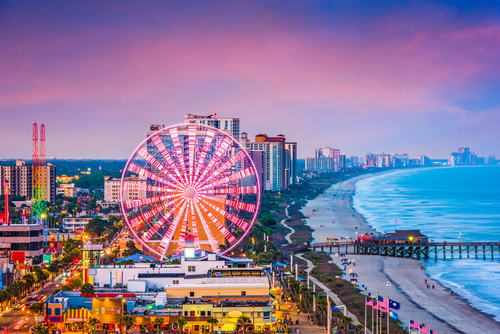
Myrtle Beach attracts retirees with its affordable coastal housing and golf courses. Winters are relatively mild compared to northern states. The oceanfront lifestyle feels like a permanent vacation at first. Many appreciate the lower cost of living compared to larger East Coast cities.
But winter can be gray and windy along the Atlantic coast. The area’s economy is heavily tied to tourism, which creates seasonal fluctuations. Hurricane risk influences insurance costs. That first winter sometimes reveals that beach life isn’t always sunny and serene.
13. Palm Springs, California
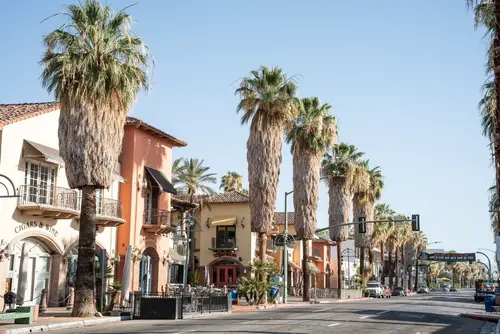
Palm Springs is iconic for mid-century architecture and winter sunshine. Many retirees are drawn to its desert setting and cultural festivals. Winter daytime temperatures are typically in the 60s and 70s. The city has long been a seasonal haven for snowbirds.
However, California’s cost of living and state income tax can be significant factors. Water restrictions and drought concerns are ongoing realities. Healthcare access is solid but can be costly depending on insurance. Some retirees find that the glamorous image doesn’t fully match everyday expenses.
14. Boise, Idaho
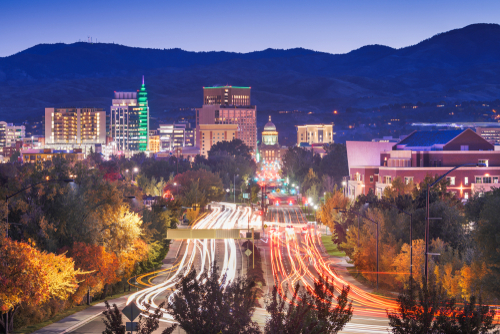
Boise has gained attention for its relative affordability and access to outdoor recreation. Retirees appreciate its small-city feel and proximity to mountains and rivers. Compared to much of the West Coast, housing has historically been more attainable. The community vibe often feels friendly and manageable.
But winters in Boise can include snow and extended cold spells. Heating costs and icy roads are part of the seasonal routine. Rapid population growth has driven up home prices in recent years. For some retirees, that first winter underscores that Idaho still has a true four-season climate.
This post Relocation Choices Retirees Rethink Within the First Winter was first published on Greenhouse Black.
