
1. Las Vegas — Healthcare Access Gaps

Las Vegas appeals with no state income tax and relatively affordable housing compared to some coastal markets. Entertainment options are endless, from shows to dining. But Nevada has historically faced physician shortages, particularly in certain specialties. Retirees with complex medical needs sometimes travel out of state for specific treatments.
Summer heat is intense here as well, with prolonged triple-digit temperatures. Utility bills reflect heavy air conditioning use. Water restrictions can limit landscaping and pool refills. The low-tax environment is attractive, but healthcare logistics require thoughtful planning.
2. Naples — Insurance Sticker Shock

Naples sells the dream of white-sand beaches and peaceful sunsets, and it absolutely delivers on the beauty. What many retirees don’t fully factor in is the cost of homeowners and flood insurance. Premiums in coastal Florida have climbed sharply in recent years, especially in hurricane-prone zones. Even if your mortgage is paid off, insurance alone can rival what you used to pay in property taxes up north.
It’s not just wind coverage either, because some policies exclude flooding and require separate federal flood insurance. Condo owners aren’t immune, since association fees often rise to cover higher master policy costs and stricter reserve requirements. A unit that looked affordable on paper can feel different once HOA dues jump hundreds of dollars a month. That sunny retirement budget can start sweating fast.
3. Asheville — Tourism Traffic and Rising Prices

Asheville’s mountain views and artsy vibe make it a magnet for retirees seeking four seasons. The Blue Ridge Parkway and nearby hiking trails are genuine treasures. But Asheville is also a major tourism hub, especially in fall and summer. That means traffic congestion, packed restaurants, and higher prices during peak seasons.
Property values have risen significantly as demand increased, pushing up home prices and rents. Even everyday expenses like dining out or hiring contractors can cost more in a tourism-driven economy. Short-term rentals have tightened housing inventory in some neighborhoods. Retirees expecting a sleepy mountain town sometimes find a bustling, high-demand market instead.
4. Austin — Property Tax Pressure

Austin’s live-music culture and food scene appeal to active retirees who don’t want to slow down. Texas has no state income tax, which looks fantastic on a retirement spreadsheet. The trade-off is property taxes, which are among the higher effective rates in the country. Rapid home appreciation has also meant rising assessed values.
Even with homestead exemptions for older homeowners, tax bills can climb over time. New construction communities often come with MUD or PID assessments layered on top of standard property taxes. Insurance premiums in parts of Texas have also risen due to severe weather risks. That “no income tax” perk can be partially offset by what you pay to stay in your home.
5. Charleston — Flooding and Preservation Costs
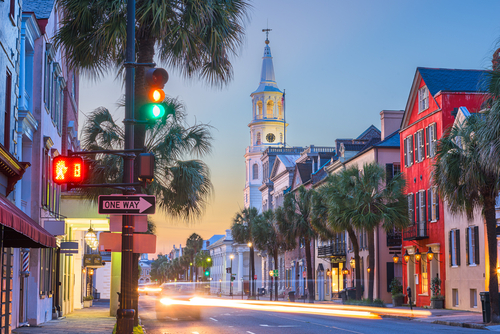
Charleston’s cobblestone streets and historic homes are undeniably charming. Mild winters and coastal breezes add to the appeal. However, the city faces regular tidal flooding in low-lying areas, even on sunny days. Flood insurance and elevation requirements can significantly increase ownership costs.
Owning a historic property also comes with maintenance realities. Strict preservation guidelines can limit renovation choices and increase repair expenses. Older homes may need updated plumbing, electrical systems, or foundation work. The romance of history is real, but so are the upkeep bills.
6. Boise — Rapid Growth Growing Pains

Boise has been praised for its outdoor access and relatively mild four-season climate. It often lands on “best places to retire” lists for affordability and lifestyle. But its popularity has driven substantial home price growth in recent years. Newcomers sometimes find that housing costs are higher than expected compared to historical norms.
Infrastructure has also been playing catch-up with population growth. Increased traffic and competitive healthcare appointments can surprise retirees. Idaho does tax most retirement income, though there are some deductions for certain public pensions. It’s still a scenic and welcoming place, but it’s no longer the bargain it once was.
7. Sarasota — Condo Fee Creep
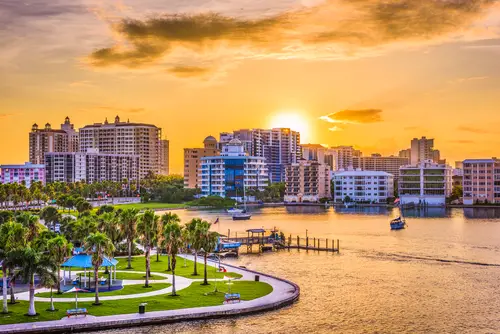
Sarasota’s beaches and cultural institutions make it a retirement favorite. Florida’s lack of state income tax sweetens the deal. Yet many retirees opt for condos, where monthly association fees can rise sharply. New safety regulations and reserve funding requirements have increased costs in older buildings statewide.
Special assessments for structural repairs or storm damage can arrive with little warning. Even well-managed associations must adjust dues to keep up with insurance and maintenance costs. A condo that seemed like low-maintenance living can become a line item you constantly monitor. It’s important to read those association financials as carefully as you’d read your investment statements.
8. Denver — Altitude and Healthcare Considerations

Denver offers sunny winters and easy access to the Rockies. For active retirees, hiking and skiing are right in the backyard. But the city sits about 5,280 feet above sea level. Some newcomers experience shortness of breath or worsened symptoms of heart and lung conditions at higher elevations.
Healthcare access is strong overall, yet demand in popular neighborhoods can mean longer waits for specialists. Colorado also has a flat state income tax that applies to many forms of retirement income, though there are deductions for seniors. Winter snow removal and higher heating costs add seasonal expenses. The lifestyle is vibrant, but the altitude and tax structure deserve a close look.
9. Phoenix — Extreme Heat Adaptation

Phoenix promises dry heat and abundant sunshine. Many retirees appreciate the predictable winters and golf-friendly climate. However, summers regularly bring extended periods above 100°F. That kind of heat can limit outdoor activity for months and increase cooling costs substantially.
Heat also affects everything from car batteries to roofing materials, leading to more frequent replacements. Water conservation measures may restrict landscaping choices. Arizona does tax most retirement income, though Social Security is exempt. Adjusting to desert living can take more time and money than expected.
10. Portland — Winter Realities

Portland’s coastal charm and vibrant food scene attract retirees who love New England character. Summers are gorgeous, with mild temperatures and ocean views. Winters, however, bring significant snowfall and icy conditions. Snow removal, heating oil, and winter home maintenance can add noticeable seasonal costs.
Maine also taxes retirement income, including many pension and IRA distributions, though there are deductions available. Property taxes can be higher than retirees anticipate compared to other parts of the country. Travel disruptions from winter storms are common. The trade-off for lobster rolls and lighthouses is a true four-season commitment.
11. Scottsdale — Desert Utility Bills

Scottsdale draws retirees with golf courses, spa culture, and postcard-worthy desert scenery. Arizona’s lack of state tax on Social Security benefits is another plus. But summer electricity bills can be eye-opening when temperatures regularly soar above 110°F. Air conditioning isn’t optional for months at a time, and peak energy rates add up quickly.
Water costs are another factor in a desert climate. Maintaining even modest landscaping, or filling a backyard pool, increases monthly expenses. Many communities also have HOA fees that cover shared amenities like clubhouses and heated pools. The result is a steady stream of utility and community costs that don’t always show up in relocation brochures.
12. San Diego — Cost of Everyday Living

San Diego’s near-perfect weather is legendary. Ocean breezes and mild temperatures make it easy to stay active year-round. The surprise is how expensive everyday life can be. California’s state income tax applies to most retirement income, and rates can be high depending on your bracket.
Home prices and rents are among the highest in the country. Gas, utilities, and even groceries tend to cost more than national averages. Property taxes are capped under Proposition 13, but the purchase price sets your baseline. It’s an incredible lifestyle, but one that requires a well-padded retirement plan.
13. Nashville — Rapid Appreciation and Insurance Costs

Nashville’s music scene and energetic downtown attract retirees who want culture with a Southern twist. Tennessee has no state income tax, which is appealing. However, strong population growth has pushed housing prices upward. Home insurance premiums have also risen due to severe weather risks in the region.
Traffic congestion has increased as infrastructure adapts to growth. Contractors and home services can charge premium rates in a competitive market. Property taxes are moderate compared to some states, but rising home values can still increase bills. The city’s energy is contagious, yet it’s no longer the low-cost secret it once was.
14. The Villages — Lifestyle Fees Add Up
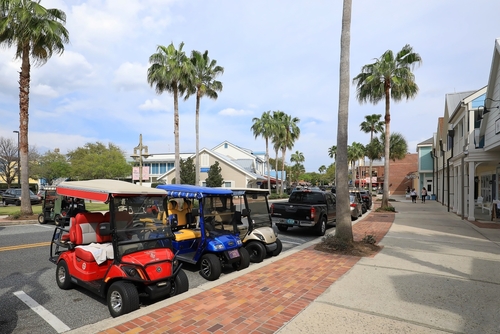
The Villages is practically synonymous with active adult living. Golf carts, recreation centers, and organized clubs create a built-in social network. But the master-planned lifestyle comes with amenity fees and bond payments tied to infrastructure. Those monthly charges are in addition to standard property taxes and insurance.
As the community ages, maintenance and replacement costs for facilities can influence fees. Healthcare demand within the region can also increase wait times for certain providers. While Florida has no state income tax, overall living costs can still climb. It’s a lively and social place to retire, but it isn’t as all-inclusive as it may first appear.
This post Relocation Realities Retirees Don’t Factor Into Their Budget was first published on Greenhouse Black.
