
1. Concert Tickets
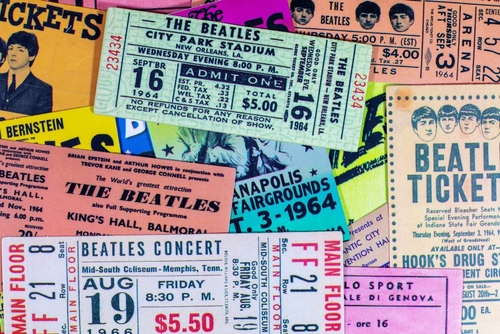
There was a time when seeing a major touring artist cost the equivalent of a nice dinner out. Today, tickets for arena tours by artists like Beyoncé or Bruce Springsteen can easily run into the hundreds of dollars before fees. Dynamic pricing models, platinum seating tiers, and VIP packages have turned basic admission into a stratified marketplace. Even mid-level acts often command prices that would have seemed unthinkable two decades ago.
The reasons are layered, from increased production costs to artists relying more heavily on touring revenue in the streaming era. Ticketing platforms use demand-based algorithms that raise prices in real time. Resale markets further inflate costs, especially for high-profile tours. What used to be a spontaneous night out now often requires budgeting and planning months in advance.
2. Vinyl Records
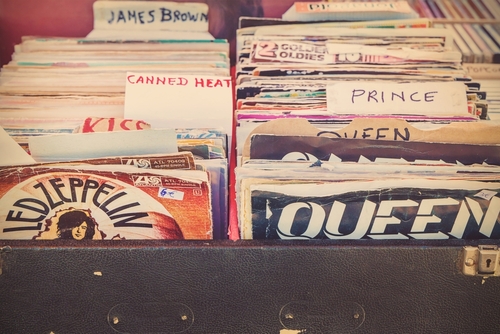
Not long ago, vinyl records were the dusty leftovers of the CD era, stacked in thrift stores for a dollar or two. Now, new pressings regularly cost $30 to $50, and limited editions can climb much higher. Major artists from Taylor Swift to Adele release multiple collectible variants, turning albums into premium merchandise. What used to be a cheap, outdated format has become a carefully curated lifestyle choice.
Part of the shift is production cost, since vinyl manufacturing capacity shrank dramatically in the 1990s and never fully scaled back up. Add heavyweight 180-gram pressings, colored vinyl, and elaborate gatefold packaging, and prices naturally climb. Record Store Day exclusives sell out in hours and reappear online at marked-up prices. For something that was once the budget option, vinyl now feels like a boutique purchase.
3. Sneakers
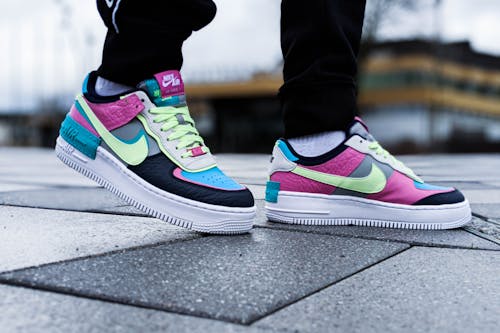
Sneakers were once purely practical footwear, bought to wear until they fell apart. Now, limited-edition drops from brands like Nike and Adidas can retail for well over $200 and resell for far more. Collaborations with designers and celebrities have turned athletic shoes into status symbols. The line between sports gear and luxury fashion has largely disappeared.
Scarcity is carefully engineered, with brands releasing small batches to drive hype. Online raffles and sneaker apps have replaced simple in-store purchases. Secondary platforms resell certain pairs at multiples of their original price. A category once defined by function now operates like a collectibles market.
4. Coffee
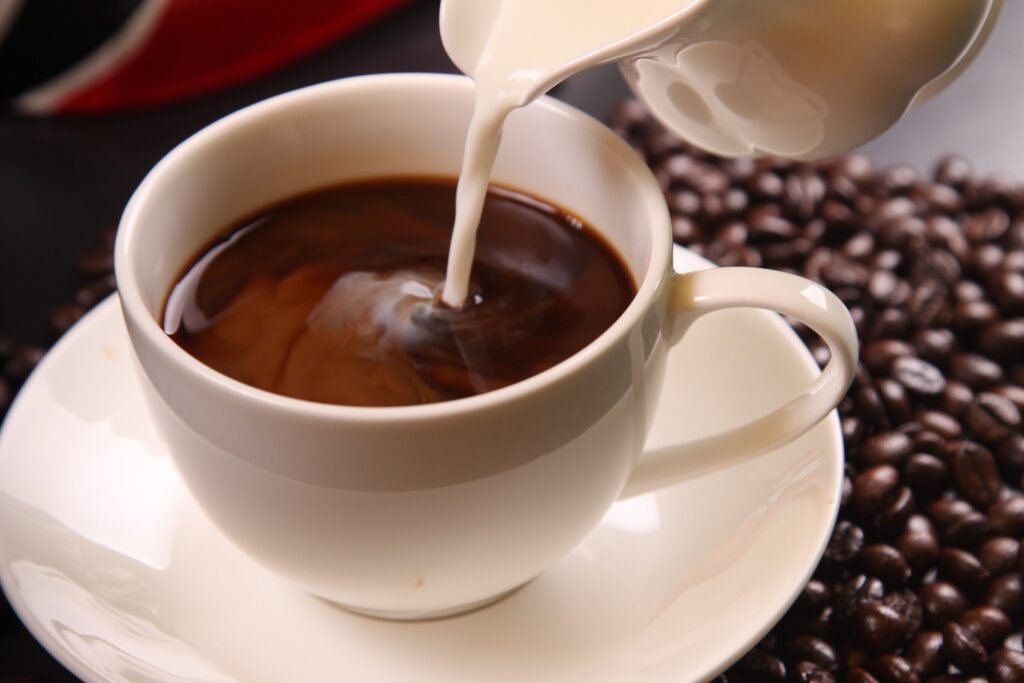
A basic cup of drip coffee used to be the cheapest thing on the menu. Today, single-origin pour-overs and specialty lattes at chains like Starbucks can cost as much as a light meal. Independent cafés often charge premium prices for beans sourced from specific farms and roasted in small batches. Coffee has shifted from commodity to craft.
The rise of third-wave coffee culture emphasized traceability, roasting techniques, and tasting notes. Equipment like home espresso machines and precision grinders can cost hundreds or thousands of dollars. Even grocery store beans now highlight origin stories and processing methods. Paying extra is framed as supporting quality and ethical sourcing, but it still makes your morning ritual noticeably pricier.
5. Bottled Water
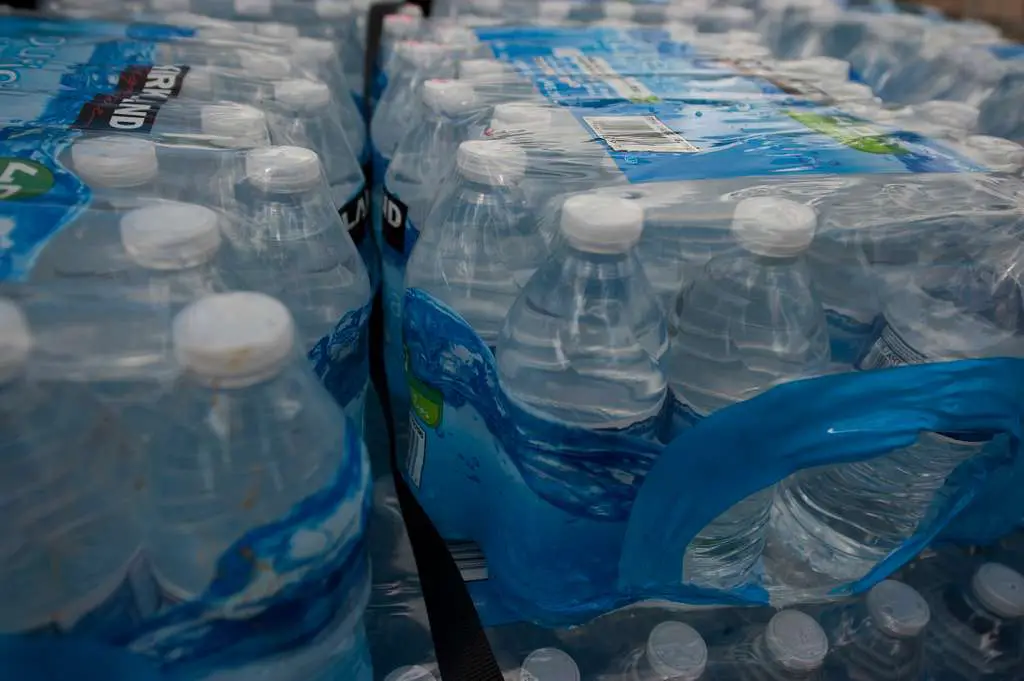
Water is the most basic necessity, yet premium bottled brands have turned it into a luxury purchase. Companies like Fiji Water and Evian market their products based on mineral content and exotic sources. In restaurants and hotels, imported water can cost several dollars per bottle. The branding suggests exclusivity for something that flows from most kitchen taps.
Part of the appeal is perceived purity and taste differentiation. Designer bottles and celebrity endorsements add to the premium aura. In certain settings, ordering bottled water is a subtle social signal. What should be universally accessible has, in many contexts, become aspirational.
6. Candles
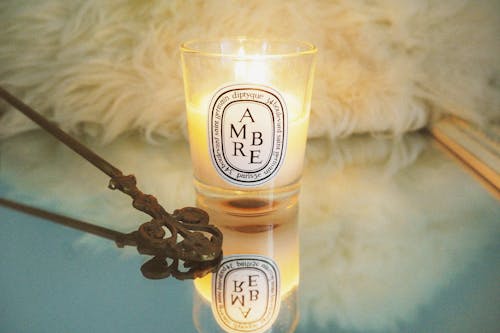
Candles used to be practical household items for power outages or modest decoration. Now, brands like Diptyque sell scented candles for $70 or more. Luxury department stores dedicate entire sections to artisanal wax blends and designer vessels. The humble candle has become a décor statement.
Much of the price comes from branding, fragrance development, and packaging. Limited-edition seasonal scents encourage repeat purchases. Social media aesthetics have made carefully styled candle displays part of home culture. Lighting one is less about necessity and more about curating a mood.
7. Denim
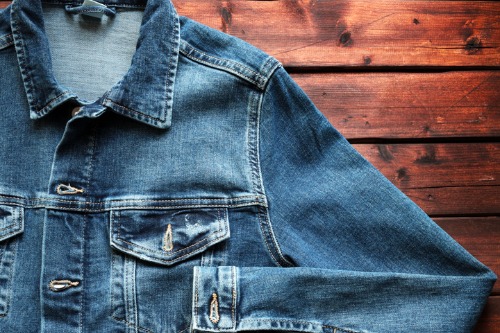
Jeans were originally durable workwear, popularized during the Gold Rush era. Today, premium denim brands can charge $200 to $300 for a single pair. Labels like Levi Strauss & Co. still sell affordable lines, but high-end selvedge versions command steep prices. Designer houses have also embraced denim as a luxury staple.
The difference often lies in fabric weight, loom type, and country of manufacture. Japanese selvedge denim, woven on vintage shuttle looms, is especially prized. Limited production runs and heritage marketing boost exclusivity. What started as practical clothing for laborers now occupies runway shows.
8. Home Exercise Equipment
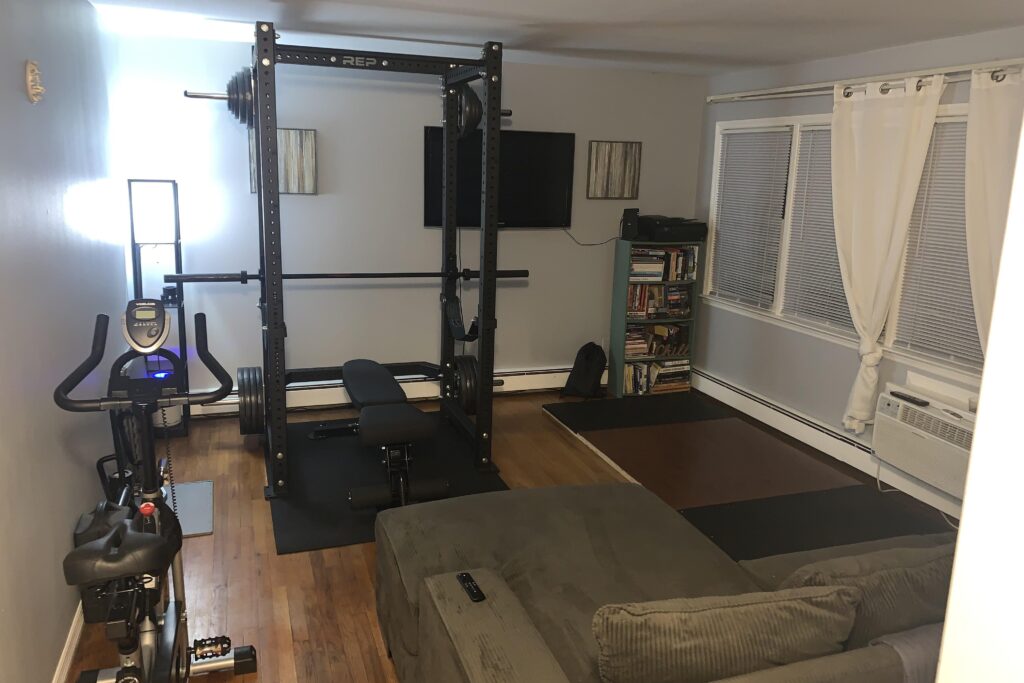
Basic dumbbells and stationary bikes were once simple, relatively affordable purchases. Then connected fitness brands like Peloton introduced bikes costing well over $1,000, plus subscription fees. High-tech treadmills and smart mirrors followed the same model. Working out at home became a premium, tech-enabled experience.
The shift accelerated during the COVID-19 pandemic when gyms closed worldwide. Consumers were willing to invest heavily in equipment that streamed live classes. Integrated screens, performance metrics, and celebrity instructors justified higher price tags. Exercise gear quietly joined the world of luxury electronics.
9. Pet Food

Pet food used to come in a few standard varieties stacked in supermarket aisles. Now, boutique brands offer grain-free, human-grade, or raw diets at premium prices. Companies like Blue Buffalo market specialized formulas that can cost significantly more than generic options. Some services even deliver customized meals to your door.
The change reflects shifting attitudes toward pets as family members. Ingredient sourcing, nutritional research, and branding all factor into the higher costs. Veterinary endorsements and subscription models add to the perception of quality. Feeding your dog or cat has become an exercise in conscious consumerism.
10. Smartphones
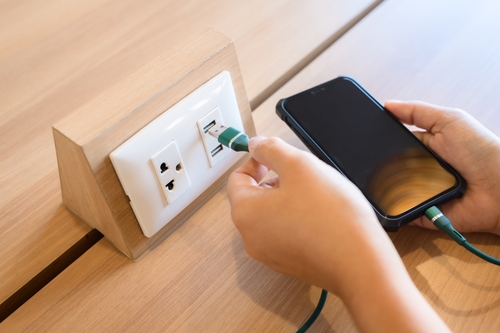
Mobile phones were once simple communication devices offered at low upfront cost with contracts. Flagship smartphones from Apple Inc. and Samsung Electronics now routinely exceed $1,000. Storage upgrades and premium materials push prices even higher. The average consumer is effectively carrying a luxury device in their pocket.
Advanced cameras, high-refresh displays, and custom processors drive much of the expense. Research and development costs are significant, and companies position top models as aspirational products. Financing plans spread out payments, making the price feel less immediate. Still, compared to early mobile phones, the jump is dramatic.
11. Grocery Staples (Olive Oil)

Olive oil used to be a straightforward pantry item with modest price variation. Recently, high-quality extra virgin olive oil has become far more expensive due to climate-related harvest issues in major producers like Spain. Poor harvests have significantly reduced global supply. Shoppers have felt the difference at checkout.
Premium bottles now highlight region, olive variety, and acidity level like fine wine. Specialty stores offer tastings and single-estate selections. Supply constraints and higher production costs have pushed prices upward worldwide. Something once taken for granted now feels like a splurge.
12. Movie Theater Popcorn
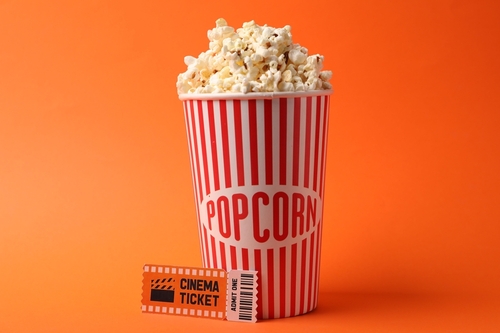
Popcorn kernels themselves remain inexpensive, but buying them at the movies tells a different story. A large popcorn at major chains like AMC Theatres can cost as much as a streaming subscription. Concession prices have steadily climbed over the years. The markup has become part of the shared cultural joke.
Theaters rely heavily on concessions for profit, especially as ticket revenue is split with studios. Combo deals and specialty flavors add to the total. For families, snacks can double the cost of a night out. A simple treat has quietly transformed into a premium add-on experience.
This post Everyday Objects That Quietly Became Luxury Goods was first published on Greenhouse Black.
