
1. Asheville, North Carolina
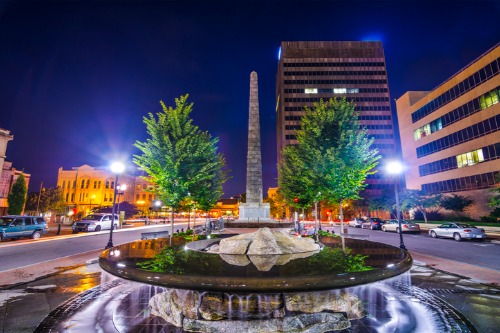
Asheville attracts retirees with its Blue Ridge Mountain views, artsy downtown, and relatively moderate home prices compared to big coastal cities. It feels smaller and more affordable than major metros, which is part of the appeal. However, popularity has driven housing demand and property values steadily upward. Newer developments often include HOA fees that cover landscaping and private roads in hilly terrain.
Utilities can also run higher than expected in mountain homes, especially if heating systems rely on propane. Healthcare access is strong thanks to regional medical centers, but specialized care sometimes requires travel. That travel adds fuel costs and time, particularly if you live outside the city center. Over time, maintenance on sloped lots and older homes can quietly chip away at a fixed retirement budget.
2. Naples, Florida

Naples has long been marketed as a sunny retirement haven with postcard-perfect beaches and no state income tax. At first glance, that sounds like a financial win, especially for retirees living off investments. But once you start touring communities, you quickly discover many neighborhoods are gated and packed with amenities. Those amenities often come with hefty homeowners association fees that can run hundreds — sometimes thousands — of dollars per month.
Beyond HOA dues, golf and country club memberships are often mandatory in certain developments. Flood insurance is another major expense, especially in coastal zones where premiums have risen sharply in recent years. Property taxes are not the highest in Florida, but they’re tied to rising home values in a competitive market. Add it all up, and that “tax-friendly” reputation doesn’t always translate to low monthly costs.
3. Scottsdale, Arizona

Scottsdale is frequently touted as a desert paradise with abundant sunshine and a vibrant retiree community. Compared to parts of California, housing can look like a bargain at first. Many retirees are drawn to 55+ communities with pools, clubhouses, and golf courses. Those perks, though, often come with structured monthly HOA fees and sometimes initiation costs.
Air conditioning is not optional in the Arizona heat, and summer electricity bills can spike dramatically. Water rates and conservation surcharges can also rise during drought conditions. Golf memberships, if not included, can add thousands annually. What begins as a lower sticker price on a home can evolve into a sizable stream of recurring expenses.
4. Hilton Head Island, South Carolina
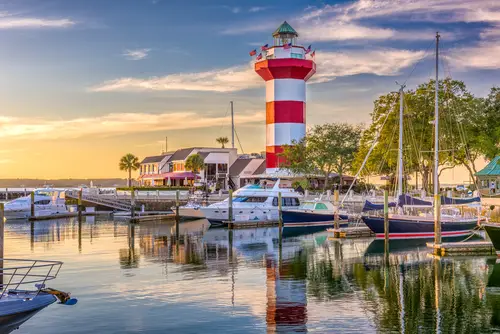
Hilton Head Island feels like a permanent vacation, with Atlantic beaches and carefully maintained communities. Home prices can be competitive compared to some Florida beach towns, which attracts retirees seeking coastal living. But many properties are located inside plantation-style developments with layered HOA structures. It’s not unusual to pay a community fee plus a neighborhood fee.
Hurricane insurance and wind coverage can significantly increase homeowners insurance premiums. Some communities also require flood insurance, depending on elevation. Golf and tennis amenities are a major draw, but membership fees can be substantial. When you tally insurance, dues, and amenity costs, beachfront bliss becomes far more expensive than it first appears.
5. Bend, Oregon

Bend has become a magnet for retirees who love outdoor recreation and scenic beauty. Compared to larger West Coast cities, it can initially look more attainable. However, rapid growth has driven up property values and new construction costs. Many newer subdivisions include HOA fees for shared green space and snow removal.
Oregon also has a state income tax, which can affect retirees with significant taxable income. Winters bring snow, and maintaining a home in colder weather adds heating and upkeep expenses. Wildfire risk in Central Oregon has also led to higher insurance premiums in some areas. The mountain lifestyle is wonderful, but it isn’t always as budget-friendly as it seems.
6. Sarasota, Florida
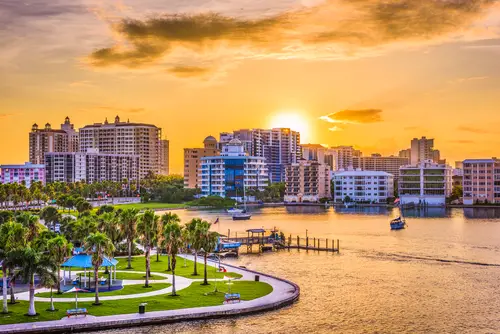
Sarasota is known for its cultural amenities, beaches, and active retiree scene. Like other Florida cities, it benefits from no state income tax, which looks attractive on paper. Yet many desirable properties sit within managed communities that charge monthly HOA dues. Condo associations, in particular, can have significant fees covering reserves and maintenance.
Insurance has become a growing concern in coastal Florida, with rising premiums and storm-related assessments. Special assessments for building repairs can hit condo owners unexpectedly. Property taxes can climb as home values appreciate in a competitive market. The arts scene and waterfront living are appealing, but the recurring costs deserve close attention.
7. Charleston, South Carolina
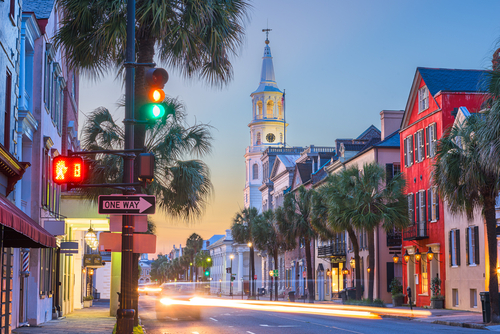
Charleston offers historic charm and a relatively moderate cost of living compared to major East Coast cities. Retirees often find homes that appear reasonably priced in surrounding suburbs. However, newer planned communities frequently include HOA fees for amenities and upkeep. Historic homes downtown can also require costly maintenance due to age and preservation standards.
Flood risk is a real factor in low-lying coastal areas, and insurance costs reflect that exposure. South Carolina does tax some retirement income above certain exemptions, which surprises some newcomers. Humidity and storm seasons can drive up maintenance and utility bills. The Southern charm is real, but so are the hidden financial layers.
8. Boise, Idaho

Boise has built a reputation as a lower-cost alternative to West Coast metros. Housing once felt like a bargain, which drew many retirees relocating from pricier states. In recent years, though, home prices have risen significantly with population growth. Property taxes and insurance costs have followed those increases.
Idaho has a state income tax, which can affect withdrawals from certain retirement accounts. Newer subdivisions often carry HOA fees for community maintenance. Utilities can be higher than expected during cold winters and hot summers. What once felt like an undiscovered deal now requires a more careful look at the math.
9. Palm Springs, California

Palm Springs tempts retirees with mid-century charm and desert sunshine. Compared to coastal California, it may look relatively affordable at first glance. However, California’s overall tax structure includes state income tax and relatively high sales taxes. Property taxes are governed by Proposition 13, but purchase price still sets the baseline.
HOA dues are common in condo communities, especially those with pools and shared landscaping. Water costs can rise during drought restrictions in the Coachella Valley. Air conditioning is essential for much of the year, pushing up electricity bills. The scenery is stunning, but ongoing living expenses can rival more expensive parts of the state.
10. Prescott, Arizona

Prescott markets itself as a cooler alternative to Phoenix with a historic downtown vibe. Home prices can look reasonable compared to larger Arizona cities. But many retirees settle in master-planned communities with monthly HOA dues. Those fees often cover clubhouses, fitness centers, and neighborhood upkeep.
Arizona does have a state income tax, though rates are lower than some states. Water availability concerns can influence rates and long-term infrastructure costs. Insurance premiums in wildfire-prone areas may also rise. Over time, the steady drip of fees and utilities can narrow the gap between Prescott and pricier markets.
11. Traverse City, Michigan

Traverse City attracts retirees with its lake views and small-town charm. Compared to major metropolitan areas, home prices can initially seem manageable. However, waterfront properties come with higher property taxes and maintenance costs. Seasonal weather also brings snow removal and heating expenses.
Michigan has a state income tax, though some retirement income may be partially exempt depending on age and source. Insurance costs near water can be higher due to storm exposure. Tourism-driven demand can increase local prices for dining and services. The beauty of northern Michigan is undeniable, but it isn’t always inexpensive.
12. The Villages, Florida
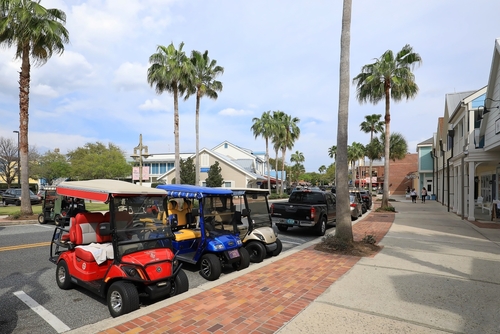
The Villages is one of the largest retirement communities in the country and often promotes an active lifestyle at various price points. Initial home prices can look reasonable compared to private country club communities. However, residents pay monthly amenity fees that cover recreation centers and activities. There are also bond payments on some properties that function like long-term assessments.
Golf cart ownership, a common part of life there, adds insurance and maintenance costs. While Florida has no state income tax, property taxes and community development district fees still apply. Healthcare and services are convenient but can be priced at market rates. What seems like an all-in-one retirement solution can come with more line items than expected.
13. St. George, Utah

St. George draws retirees with its red rock scenery and mild winters. Compared to larger Utah cities, it can look relatively affordable. Yet rapid growth has increased home prices and demand for new infrastructure. Many developments include HOA fees for landscaping and shared amenities.
Utah has a flat state income tax that applies to most retirement income. Water scarcity in the desert climate can influence utility rates. Air conditioning costs add up during hot summers. The dramatic landscapes are inspiring, but retirees should factor in the steady stream of recurring costs.
14. Santa Fe, New Mexico

Santa Fe appeals to retirees seeking art, culture, and high-desert beauty. Home prices can appear moderate compared to larger Southwestern cities. However, many properties feature adobe construction that requires specialized maintenance. That can mean higher repair costs over time.
New Mexico taxes most retirement income, though there are deductions for some seniors. Utilities can be higher in winter months due to heating needs at elevation. Property taxes are moderate, but rising values can increase annual bills. The creative atmosphere is captivating, yet the financial picture deserves a careful second look.
This post Retirement Destination That Looks Affordable — Until the Fees Add Up was first published on Greenhouse Black.
