
1. Metal Gas Cans with Spouts

If you grew up around older garages, you probably remember the heavy red metal gas cans with long, flexible spouts. They were simple, durable, and poured fuel quickly without much fuss. Today, those older-style cans are surprisingly hard to find on store shelves. Modern regulations have required new safety features that changed their design dramatically.
The newer plastic cans are built to meet updated environmental and safety standards, especially around vapor emissions and childproofing. As a result, manufacturers phased out many of the older metal versions. While the changes were made for good reasons, plenty of people still miss how straightforward the old cans were to use. Finding an original metal version now often means searching estate sales or secondhand marketplaces.
2. Wooden Step Ladders

Older garages almost always had a sturdy wooden step ladder leaning against a wall. They were solid, repairable, and often lasted decades with minimal upkeep. These days, most ladders are made of aluminum or fiberglass instead. Wooden ladders have largely disappeared from mainstream hardware stores.
The shift happened because aluminum and fiberglass are lighter and more resistant to moisture damage. Safety standards also evolved, and modern materials are easier to engineer for consistent load ratings. Wooden ladders can still be found, but they are typically specialty items rather than everyday stock. If you see one in good shape in an old garage, it’s likely been there for years.
3. Glass Oil Bottles with Metal Pour Spouts

Before plastic motor oil bottles became the norm, oil was sold in glass bottles with reusable metal spouts. Mechanics would pop a pointed opener into the metal cap and pour it directly into the engine. It was a ritual that defined mid-20th-century service stations. Today, those glass bottles are largely collectibles.
Plastic replaced glass in the 1960s and 1970s because it was cheaper, lighter, and less prone to breakage. Environmental and cost considerations made plastic the practical choice for mass production. The reusable metal spouts disappeared along with the glass containers. Spotting a crate of these bottles in an old garage feels like uncovering a small piece of automotive history.
4. Freon-Based Refrigerant Cans
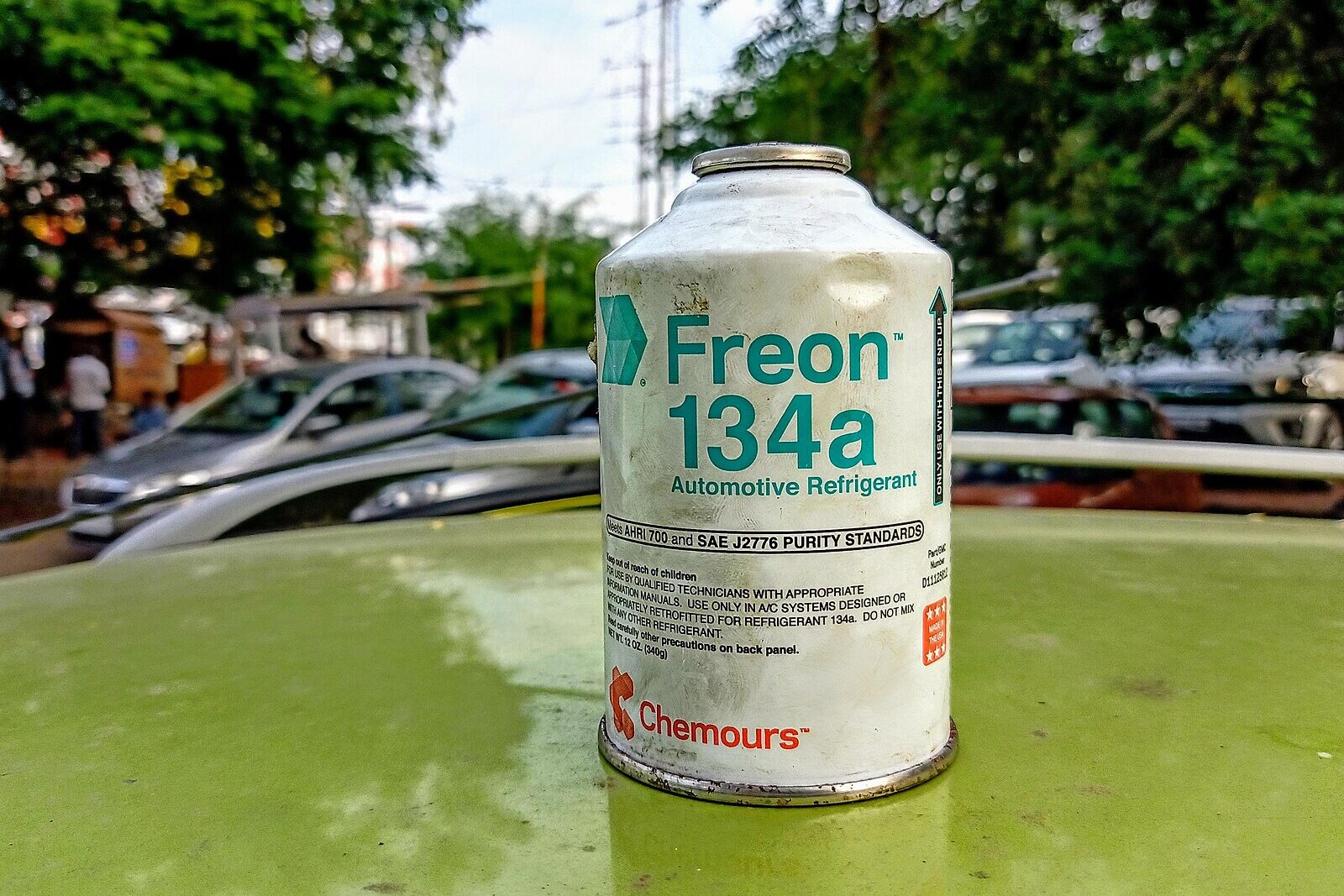
Older garages often had small cans of automotive refrigerant labeled as Freon sitting on a shelf. These were commonly used to recharge car air conditioning systems. The specific chemical, CFC-12 (often referred to as R-12), was once widely available to consumers. Now, it’s tightly restricted.
R-12 was phased out in the 1990s because it was found to damage the ozone layer. Production for most uses was banned under international environmental agreements. Modern vehicles use different refrigerants, and older supplies of R-12 are limited and regulated. That’s why those dusty cans in older garages are no longer something you can casually pick up at a local store.
5. Leaded Gasoline Additives
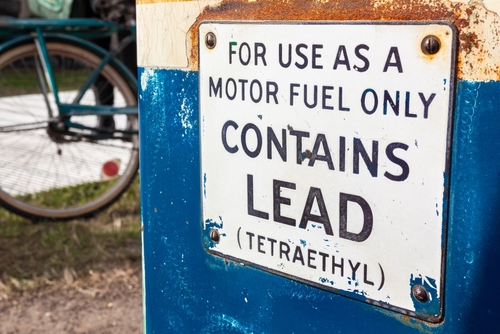
You might find small bottles labeled as lead substitutes tucked into an older garage cabinet. These were used after leaded gasoline was phased out to help protect older engines designed for it. Tetraethyl lead was once added to gasoline to improve engine performance and reduce knocking. Today, leaded gasoline for regular passenger vehicles is no longer sold in the United States.
The phase-out began in the 1970s due to serious public health concerns about lead exposure. By the mid-1990s, leaded gasoline for on-road vehicles was fully banned in the U.S. As a result, demand for lead additives dropped sharply. The leftover bottles sitting in older garages are reminders of a major shift in automotive and environmental policy.
6. Mercury Thermostats
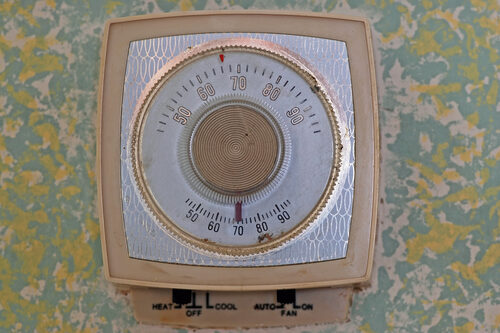
Older garages sometimes housed spare mercury thermostats still in their original boxes. These devices used a small sealed glass vial of mercury to measure temperature. They were simple, accurate, and widely installed in homes for decades. Now, they are difficult to buy new.
Mercury is toxic, and environmental regulations have restricted its use in many products. Most modern thermostats rely on electronic sensors instead. While mercury thermostats can still be found in older homes, new production has largely stopped in many regions. If you find one in a garage, it’s likely a leftover from an earlier installation.
7. Asbestos Heat Shields and Pads
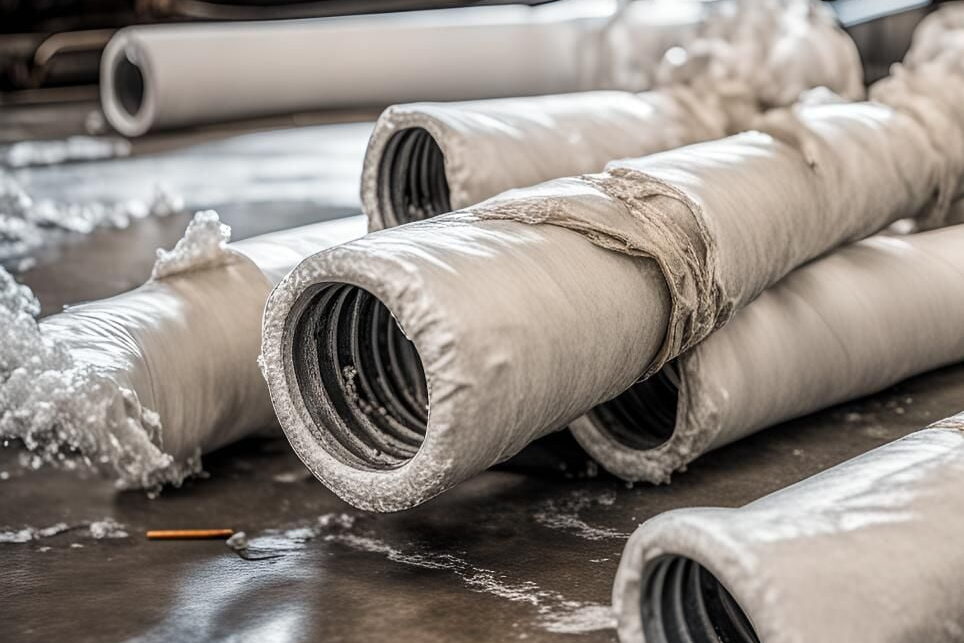
In older garages, especially those connected to home workshops, you might come across heat-resistant pads or panels containing asbestos. Asbestos was once prized for its fire-resistant properties. It was commonly used in insulation, automotive parts, and protective materials. Today, it’s heavily regulated and no longer used in most consumer products.
Medical research established clear links between asbestos exposure and serious lung diseases. Regulations beginning in the 1970s sharply limited its use. Modern heat-resistant materials rely on safer alternatives like fiberglass and specialized composites. That old heat shield in the garage may be a relic from a time before the health risks were widely understood.
8. Steel Lawn Darts

Some older garages still hide a boxed set of steel-tipped lawn darts. These were popular backyard toys in the 1960s and 1970s. The darts were weighted and designed to stick into the ground near a plastic target ring. Unfortunately, they also posed a significant injury risk.
After reports of serious injuries, including to children, the sale of lawn darts with sharp metal tips was banned in the United States in 1988. Safer plastic versions without sharp points replaced them. Because of the ban, original steel lawn darts are no longer legally sold as toys. That’s why finding a set in an old garage feels like stumbling onto a forbidden artifact from another era.
9. Heavy Cast-Iron Bench Vises Made Domestically
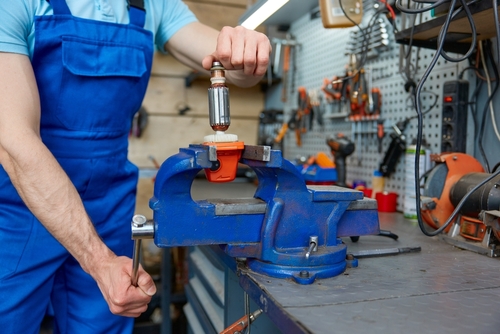
Many older garages feature a massive cast-iron bench vise bolted to a wooden workbench. Decades ago, these were often manufactured domestically and built to last a lifetime. They were thick, heavy, and designed for serious manual work. Comparable new models can be harder to find at big-box retailers.
Over time, manufacturing shifted globally, and many modern vises are made overseas to reduce costs. While high-quality vises still exist, they’re often specialty or industrial purchases. The older ones were frequently overbuilt by today’s standards. That’s why those vintage vises are so prized by hobbyists and restorers.
10. Carburetor Rebuild Kits for Specific Models
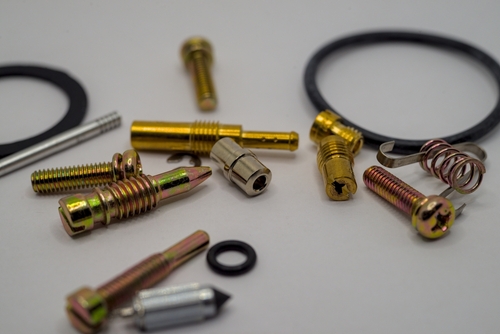
An older garage might contain neatly labeled carburetor rebuild kits for very specific car models. Before fuel injection became standard, carburetors were common and regularly serviced. It made sense to keep kits with gaskets, jets, and seals on hand. Today, those kits are much less common in general auto parts stores.
Most modern vehicles use electronic fuel injection systems instead of carburetors. As carburetors became rare in new cars by the 1990s, demand for rebuild kits declined. Specialty suppliers still carry them, but they’re not everyday shelf items anymore. Finding one for a decades-old engine can now require a bit of dedicated searching.
11. Old-School Incandescent Trouble Lights with Metal Cages

Hanging from a nail in many older garages was a corded trouble light with a metal safety cage around the bulb. They were simple: a long extension cord, a socket, and a hook for hanging under the hood of a car. The warm glow of an incandescent bulb was part of countless DIY repairs. Today, these classic versions are much less common.
Energy efficiency standards have phased out many traditional incandescent bulbs. LED work lights are now more durable and energy-efficient, and they’ve largely replaced the older designs. The metal-caged incandescent trouble lights still exist, but they aren’t as widely stocked as they once were. If you see one in working condition, it’s likely been in that garage for years.
12. Paper Automotive Shop Manuals

Older garages often have grease-stained paper shop manuals stacked on a shelf. These manuals provided detailed diagrams, torque specs, and step-by-step repair instructions. Before the internet, they were essential for anyone working on their own vehicle. Now, printed versions are harder to come by for many modern cars.
Much of today’s repair information is delivered digitally through online databases and subscription services. Manufacturers increasingly rely on electronic service manuals rather than thick printed books. While classic car manuals are still printed in limited runs, they aren’t as universally available as they once were. Those dog-eared manuals in older garages represent a hands-on era of do-it-yourself problem solving.
This post 12 Things in Older Garages That Are Suddenly Hard to Find Anywhere was first published on Greenhouse Black.
