
1. CorningWare’s Cornflower Blue Casserole Dishes

If you grew up eating baked ziti at your grandparents’ house, you probably remember the blue cornflower pattern on white ceramic. Those classic dishes were made by Corning Glass Works, the original company behind CorningWare. In 1998, Corning spun off its consumer products division as World Kitchen, meaning the original maker effectively stepped away from the brand. Yet the dishes themselves are still everywhere—tucked into cabinets, brought to potlucks, and passed down like heirlooms.
They earned their staying power because of their Pyroceram construction, which could handle dramatic temperature swings without cracking. You could move one from freezer to oven without a second thought, and many people did. While the corporate name on the box changed, the original Corning Glass Works no longer manufactures them. The casseroles, though, remain stubbornly present in kitchens decades later.
2. Tupperware’s Vintage Storage Containers
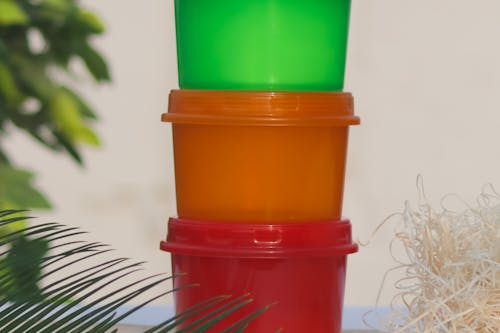
There’s something oddly comforting about snapping shut a slightly stained plastic lid that’s older than you are. Tupperware Brands, once the gold standard of home food storage and party-plan sales, filed for bankruptcy protection in 2024 after years of financial trouble. But the avocado-green and burnt-orange containers from the 1970s are still holding leftovers in fridges across the country.
These pieces were built thick, with lids that made that famous airtight “burp” sound when sealed. Unlike many modern containers, they were designed for repeat use long before sustainability was trendy. Even as the company restructured under bankruptcy, the older containers kept doing their job without complaint. It’s hard to argue with plastic that’s lasted half a century.
3. RadioShack Battery Club Cards
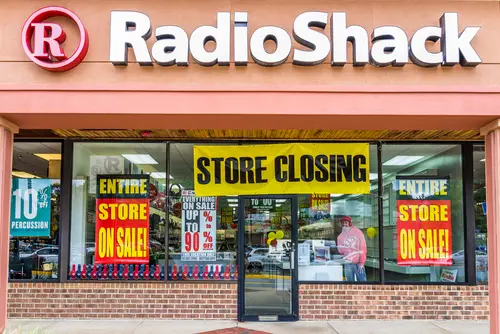
At first glance, a RadioShack Battery Club card doesn’t seem like a “household item.” But open a junk drawer and you might still find one, its little punch circles filled in. RadioShack filed for bankruptcy in 2015 and again in 2017, closing most of its brick-and-mortar stores. The physical retail chain that issued those cards is largely gone.
The cards promised a free battery each month, which was a big deal when everything from remotes to toys relied on AAs. People kept them taped inside cabinets or tucked next to spare bulbs. Even though the original retail empire collapsed, those cards linger as quiet proof of how essential the store once was. They’re small relics of a time when you could fix almost anything with a trip to the mall.
4. Blockbuster Membership Cards
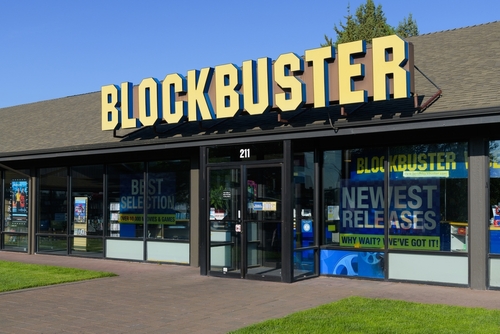
If you’ve still got a blue-and-yellow card with your name in all caps, you’re not alone. Blockbuster LLC filed for bankruptcy in 2010, and nearly all its stores closed in the years that followed. Yet membership cards are still wedged into old wallets and memory boxes.
Those cards were your ticket to Friday-night movie rituals and late-fee anxiety. They represent a physical era of streaming before streaming existed. Even though one franchised store remains in Oregon, the company as a dominant force is long gone. The cards survive as tiny plastic souvenirs of a business model that disappeared almost overnight.
5. Polaroid SX-70 Cameras
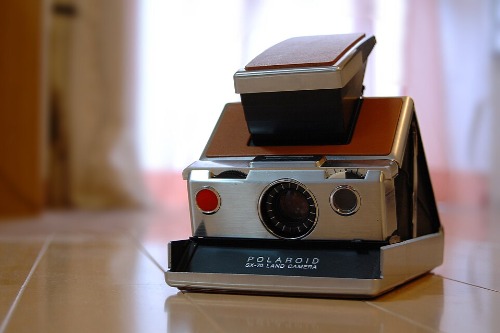
The folding leather-and-chrome Polaroid SX-70 feels like a prop from a design museum, but many are still fully functional. It was made by Polaroid Corporation, which filed for bankruptcy in 2001 and again in 2008. The original corporation that pioneered instant photography no longer exists in its former form.
What makes the SX-70 remarkable is its engineering: it folds flat and ejects developing photos with a soft mechanical whir. Enthusiasts still repair and shoot with them today, decades after their debut in the 1970s. Although the Polaroid brand lives on under new ownership, the original company is gone. The cameras, meanwhile, keep spitting out dreamy square photos like nothing happened.
6. Pyrex Flameware Percolators
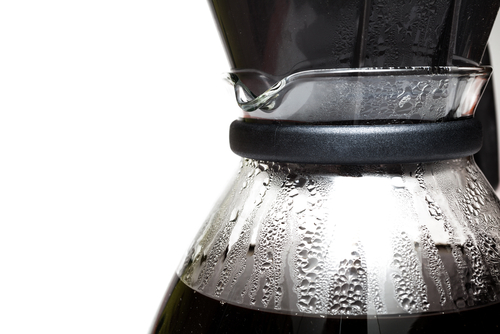
Those clear glass stovetop coffee percolators once symbolized mid-century optimism. They were produced by Corning Glass Works under the Pyrex name. As with CorningWare, the original manufacturer no longer makes consumer kitchenware after spinning off its housewares division in 1998.
Flameware was designed to sit directly on a gas burner, a bold claim for glass. Many of these percolators still bubble away on stovetops or appear at yard sales in perfect condition. The durability of borosilicate glass helped them survive decades of use. The corporate structure changed, but the coffee makers themselves keep brewing on.
7. Anchor Hocking Fire-King Jadeite
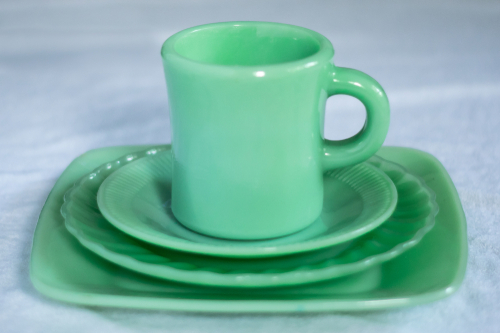
That pale green glassware you see styled on open shelves has serious staying power. It was made by Anchor Hocking, which filed for bankruptcy protection in 2006. The company later emerged from bankruptcy under new ownership, but the original entity that produced much of the mid-century Jadeite is long gone.
Fire-King Jadeite became popular for its durability and cheerful color. Unlike fragile china, it could handle daily use in busy kitchens. Many pieces are still in circulation, used for mixing batter or serving salads. They’ve outlasted corporate turmoil and remain both functional and collectible.
8. Westinghouse Roaster Ovens
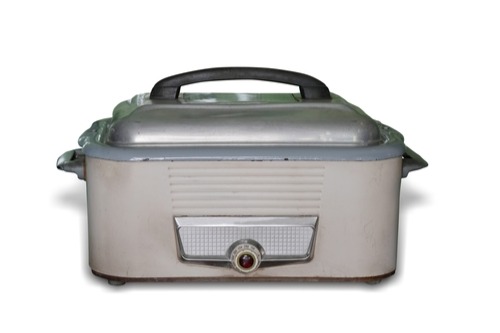
The big enamel roaster oven that shows up every Thanksgiving often carries the Westinghouse name. Westinghouse Electric Corporation went through bankruptcy in 1997 and its original form dissolved as assets were sold off. The brand name survives in various licensed products, but the historic corporation that made many household appliances is no more.
These roasters were built to handle serious volume, from turkeys to church potlucks. Their heavy lids and simple temperature dials rarely fail. Families keep using the same unit for decades because it simply works. Long after the original industrial giant restructured out of existence, its ovens are still roasting holiday dinners.
9. Zenith Console Televisions
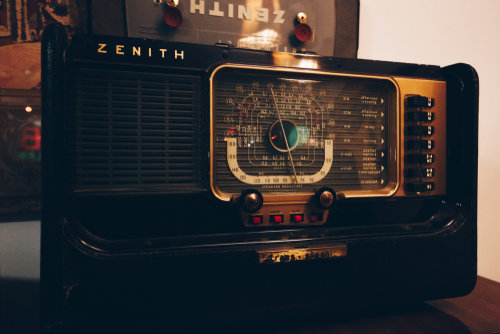
That massive wooden console TV in the basement might still power on. Zenith Electronics, once a major U.S. television manufacturer, filed for Chapter 11 bankruptcy in 1999 before becoming a subsidiary of LG. The independent American company that built many of those consoles effectively ceased to exist.
Zenith sets were known for solid cabinetry and dependable picture tubes. They doubled as furniture, complete with sliding doors and storage shelves. Many families kept them long after upgrading, repurposing them as stands or nostalgic decor. The corporation changed hands, but the hulking TVs remain as monuments to analog living rooms.
10. Corelle Butterfly Gold Dinnerware
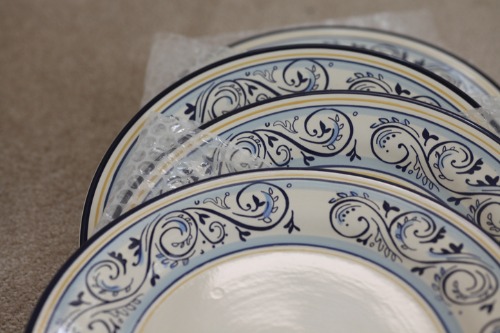
The harvest-gold pattern screams 1970s, and plenty of people still eat off it daily. Corelle was developed by Corning Glass Works before the consumer division was spun off in 1998. That means the original maker behind early Corelle pieces no longer produces them.
The secret to their longevity is Vitrelle, a laminated glass that resists chips and breaks. Plates that have survived decades of dishwashers prove just how tough they are. Even as corporate ownership shifted, the early sets kept circulating through families. They’re lightweight, nearly indestructible, and surprisingly hard to retire.
11. Montgomery Ward Signature Tools
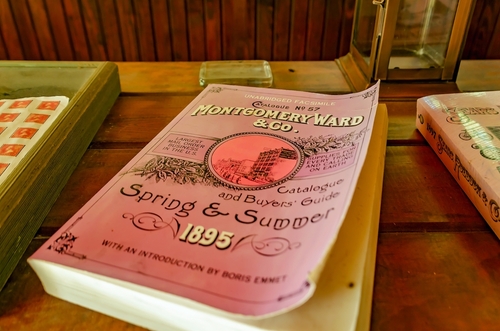
If you’ve inherited a toolbox, there’s a decent chance it includes something labeled “Wards.” Montgomery Ward filed for bankruptcy and closed its stores in 2001. The once-mighty mail-order and department store chain disappeared from malls and main streets.
Its house-brand tools were often manufactured by reputable suppliers and sold at affordable prices. Many have held up for decades in garages and sheds. While the retailer that sold them collapsed, the wrenches and drills keep turning bolts. They’re practical reminders of a catalog empire that faded away.
12. Sunbeam Mixmaster Stand Mixers
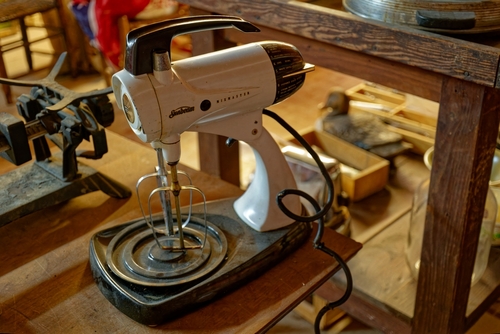
Before modern high-end mixers dominated countertops, the Mixmaster was king. Sunbeam Corporation filed for bankruptcy in 2001 and was eventually absorbed into other corporate structures. The original Sunbeam that popularized many small appliances is gone.
The Mixmaster models from the mid-20th century were built with metal gears and sturdy motors. Many still whip cream and knead dough without hesitation. Owners often say they’ve never needed a repair. Even as the corporate name changed hands, the mixers kept spinning in kitchens everywhere.
13. Kodak Carousel Slide Projectors
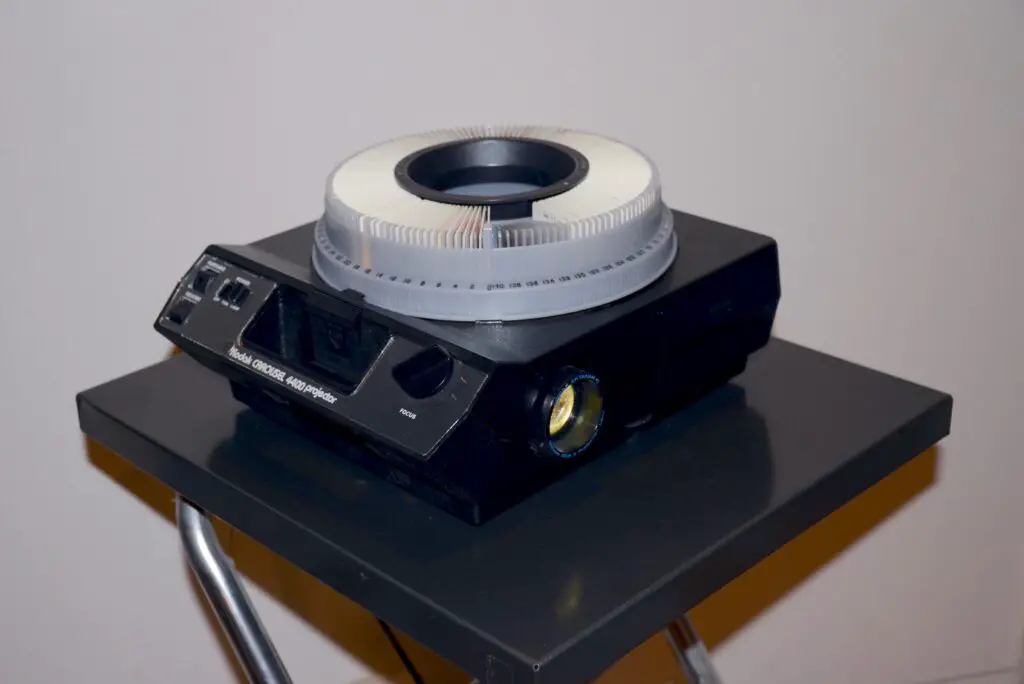
Family gatherings once meant dimming the lights and listening to the soft click of advancing slides. Eastman Kodak filed for Chapter 11 bankruptcy in 2012 amid the digital photography revolution. The historic giant that dominated film photography had to restructure to survive.
The Carousel projectors were known for their circular trays and reliable mechanics. Many still function perfectly, ready to display decades-old vacation memories. Even though the company shrank dramatically from its former glory, the machines endure in attics and closets. They’re mechanical time capsules from photography’s analog age.
14. Black & Decker Spacemaker Appliances
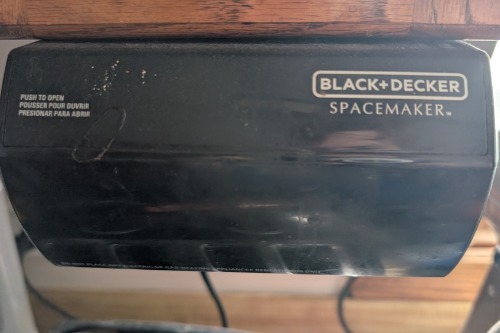
Those under-cabinet coffee makers and can openers saved precious counter space. They were produced by Black & Decker before it merged with Stanley Works in 2010 to form Stanley Black & Decker. The original standalone Black & Decker company effectively ceased to exist after the merger.
Spacemaker units were practical, durable, and cleverly designed for small kitchens. Many are still screwed into cabinets, faithfully brewing morning coffee. Homeowners often leave them in place through multiple renovations. The corporate name on the paperwork changed, but the appliances quietly keep doing their job.
This post Household Items That Quietly Outlived the Companies That Made Them was first published on Greenhouse Black.
