
1. One Room Is Roped Off Until a Specific Time
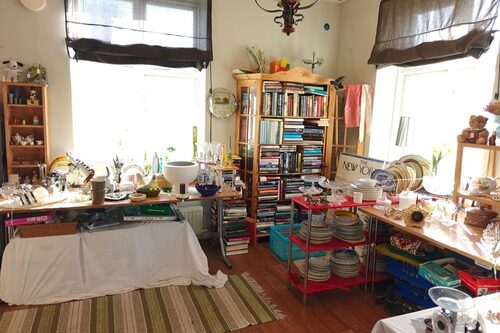
If a room is closed off with tape or a sign saying it opens later, pay attention. Estate sale companies often hold back rooms that contain higher-demand items to control crowds. This is common with jewelry rooms, gun safes, or collections that need staff supervision. The delay builds anticipation and helps prevent theft.
There’s a good reason for the strategy: smaller, high-value items walk away easily. You might see watches, gold jewelry, or coins displayed once the room opens. In many cases, estate liquidators price these closer to market value, but mistakes still happen. Being there when the room opens increases your odds of spotting something overlooked.
2. The Garage Is Packed but the House Is Bare
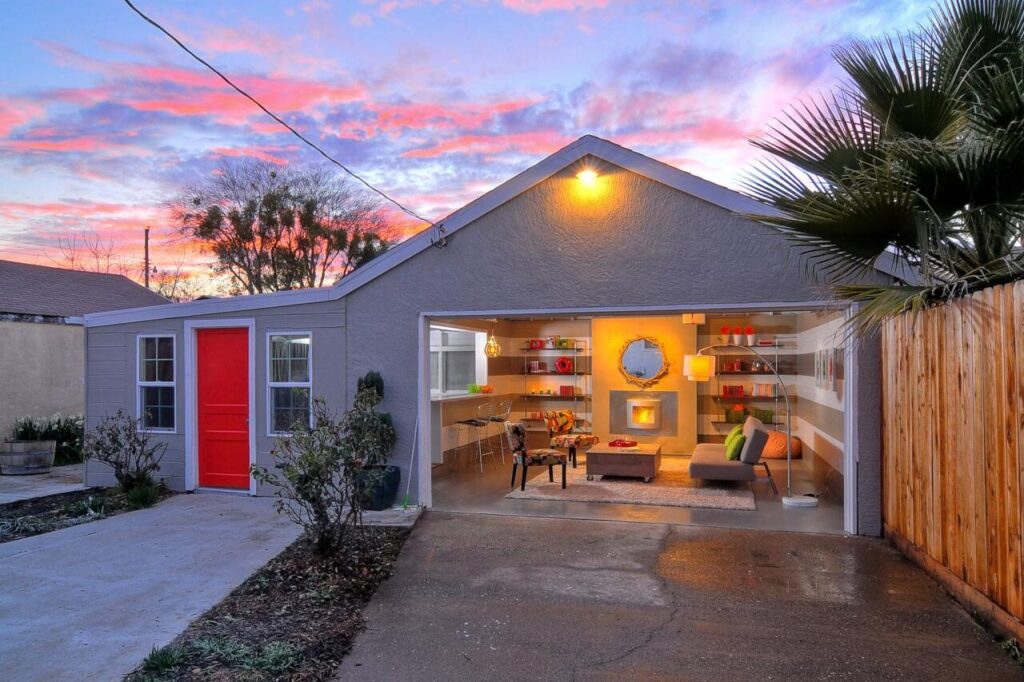
If you walk into a house and it feels strangely empty, but the garage is overflowing, that’s a pattern worth noticing. Families often use garages as long-term storage for tools, workshop equipment, holiday décor, and boxed-up heirlooms. Estate sale companies frequently stage the main rooms first because they photograph better and attract buyers. The overflow, meanwhile, gets pushed to the garage.
That matters because garages tend to hold practical, high-value items that weren’t curated for display. You’re more likely to find vintage hand tools, fishing gear, or mid-century patio furniture hiding there. Older brands like Craftsman tools made in the U.S. are especially sought after by collectors. The garage can look chaotic, but it’s often where the undervalued pieces end up.
3. The Kitchen Is Fully Stocked With Older Packaging
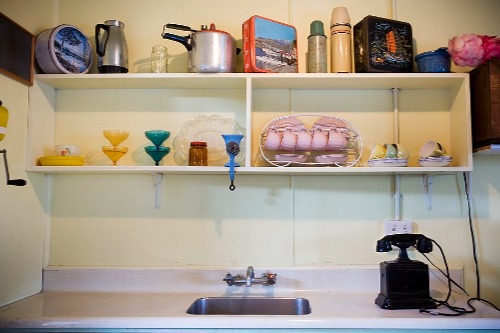
A kitchen that looks frozen in time is more than just nostalgic. If you see decades-old spices, Tupperware, and gadgets still in original boxes, that tells you the homeowner didn’t discard much. People who keep everything in the kitchen often keep everything everywhere. That includes cabinets, pantries, and attic storage.
This pattern suggests there may be untouched items elsewhere in the home. Vintage Pyrex mixing bowls, older CorningWare, and discontinued patterns can have real resale value. For example, certain Pyrex patterns from the 1950s and 1960s are highly collectible. A “time capsule” kitchen is usually a sign to dig deeper.
4. The Basement Has Shelving Labeled by Year

When you see neatly labeled boxes like “Christmas 1978” or “Tax Files 1985,” you’re in an organized home. That kind of record-keeping often extends to collections and important documents. Organized homeowners tend to preserve original boxes, receipts, and certificates. Those details matter for authentication and resale.
Collectors love provenance, especially for items like vintage electronics or signed books. If you find a first edition novel or old stereo equipment with paperwork, it can significantly increase value. Brands like Sony and Pioneer from the 1970s and 1980s are popular among audio enthusiasts. A labeled basement suggests the homeowner valued their belongings enough to keep everything together.
5. There’s a Dedicated Hobby Room

A sewing room, woodshop, or craft studio is rarely picked over on the first pass. Many buyers head straight for furniture and jewelry, overlooking specialty spaces. But hobby rooms often contain high-quality tools and niche supplies. Those can add up quickly in value.
For example, serious sewing enthusiasts may own vintage Singer machines, which can be collectible depending on model and condition. Woodworkers might leave behind specialty hand planes or chisels that are no longer manufactured. Model train collectors sometimes store boxed sets from brands like Lionel. A dedicated hobby room signals depth, not just decoration.
6. The Office Contains Older Tech Still in Boxes

An office filled with outdated electronics might not look promising at first. However, sealed or gently used tech can surprise you. Some vintage devices are collectible, especially if they’re complete with packaging and manuals. Condition and completeness make a big difference.
Early Apple products, like certain Macintosh models, can command high prices among collectors. Even accessories like original keyboards or branded carrying cases add value. Vintage calculators from brands like Hewlett-Packard also have niche appeal. If it’s boxed and documented, it’s worth a closer look.
7. The Jewelry Is Mixed With Costume Pieces

When estate sales lump fine jewelry together with costume pieces, there’s opportunity. Not every company has a gemologist on staff. Sometimes gold or sterling silver slips into trays of inexpensive items. It happens more often than people think.
Look for hallmarks indicating gold purity or sterling silver content. Pieces stamped “14K” or “925” have intrinsic metal value regardless of brand. Occasionally, signed costume jewelry from designers like Trifari can also be valuable. The mix suggests the sorting process may not have been meticulous.
8. Bookshelves That Haven’t Been Curated
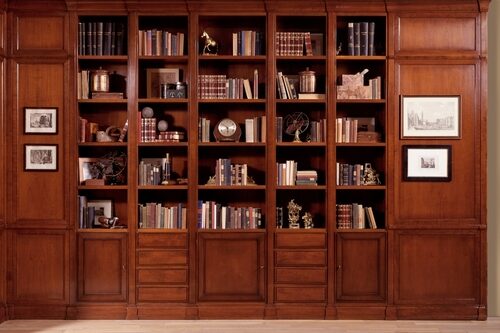
A wall of dusty, tightly packed books tells a story. It usually means the owner was a reader who held onto titles for decades. Estate sale companies don’t always have time to scan every ISBN. That creates room for overlooked gems.
First editions, signed copies, or niche academic texts can be valuable. Certain older book club editions are less desirable, but true first printings can command strong prices. If you spot older hardcovers with intact dust jackets, take a closer look. A full, untouched bookshelf increases the odds that something rare slipped through.
9. The Closet Still Has Dry-Cleaner Tags

Clothing with old dry-cleaning tags or original store tags indicates items were rarely worn. That’s especially important for vintage fashion. Condition drives value in apparel more than almost anything else. Signs of minimal wear can mean higher resale potential.
Look for recognizable labels from designers with lasting demand. Vintage pieces from brands like Levi’s or luxury houses such as Gucci can be worth serious money. Older denim with specific details, like selvedge edges, is particularly collectible. A well-preserved closet can function like a time capsule boutique.
10. There Are Framed Certificates or Awards on the Wall
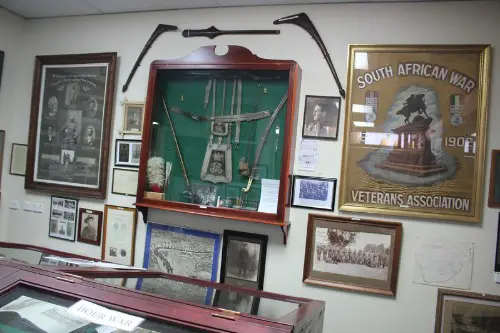
Awards and certificates can reveal the homeowner’s profession or achievements. That context helps you spot valuable specialty items. A framed engineering degree, military commendation, or medical certificate points to related materials nearby. People often store career memorabilia together.
For example, a military service certificate might mean there are medals or vintage uniforms stored in drawers. A diploma from a prestigious university could hint at rare alumni memorabilia or early textbooks. Context clues help you search strategically instead of randomly. The walls sometimes tell you exactly where to look next.
11. The Estate Sale Is Run by a Reputable Company

If the sale is organized by a well-known estate liquidation company, that’s a pattern in itself. Reputable companies typically catalog, stage, and price items systematically. They also advertise featured pieces in advance. That transparency can signal quality inventory.
While prices may be closer to market value, professional companies also handle higher-end estates. You’re more likely to encounter authenticated art, quality antiques, and documented collectibles. The structure helps serious buyers evaluate items efficiently. A professionally run sale often hides the best items in plain sight, waiting for informed shoppers.
This post Estate Sale Patterns That Predict Where the Best Items Are Hiding was first published on Greenhouse Black.
