
1. Cast-Iron Skillets
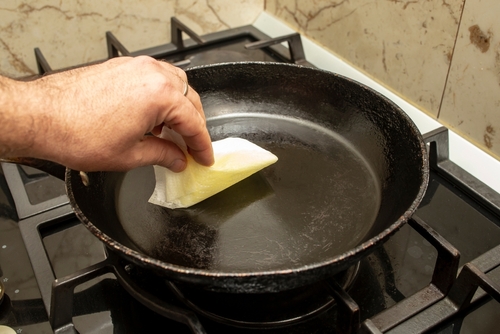
For much of the 19th and early 20th centuries, cast-iron skillets were basic kitchen workhorses found in homes across America. Brands like Lodge and Griswold Manufacturing produced durable pans that families used daily for frying, baking, and even cooking over open flames. They were affordable, nearly indestructible, and often passed down simply because they lasted so long. Nobody displayed them as décor; they hung by the stove because they were practical.
Decades later, those same pans—especially smooth-bottomed vintage Griswold pieces—became prized collectibles. As mass-produced cookware shifted to lighter, coated materials in the mid-20th century, old cast iron developed a reputation for superior heat retention and craftsmanship. Food enthusiasts began hunting for antique pieces at flea markets and estate sales. Today, owning and cooking with a well-seasoned vintage skillet signals both culinary seriousness and an appreciation for heritage tools.
2. Mason Jars
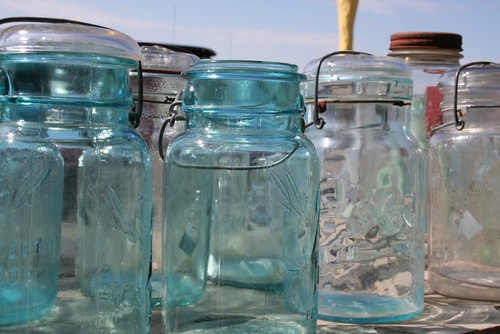
When John Landis Mason patented his screw-top jar in 1858, it was meant to solve a practical problem: safe home food preservation. For generations, Mason jars lined pantry shelves, filled with garden tomatoes, pickles, and jams. They were inexpensive, reusable, and utterly ordinary in rural and suburban households alike. You bought them by the dozen, not to impress anyone, but to get through canning season.
In the 2000s, Mason jars reemerged as icons of rustic chic. Restaurants began serving cocktails and desserts in them, and weddings used them as lanterns and centerpieces. Their association with homesteading and sustainability made them symbolic of a back-to-basics lifestyle. What was once a pantry staple became shorthand for curated simplicity and artisanal taste.
3. Rotary Telephones
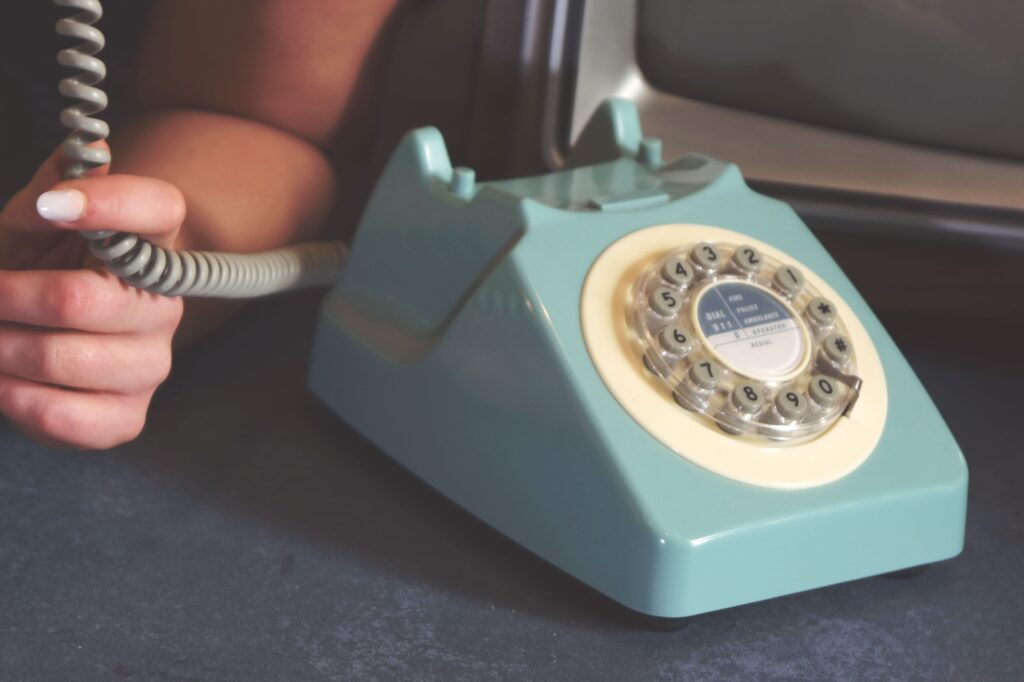
The rotary dial telephone, popularized by companies like Western Electric, was a fixture in 20th-century homes. By the 1940s and 1950s, most American households with phone service had one sitting on a hallway table or mounted to a kitchen wall. It was rented from the phone company and came in limited colors, usually black. It was simply how you made a call.
As push-button phones and later mobile phones replaced them, rotary models quickly felt outdated. But in the 21st century, their solid construction and satisfying dial action began to charm collectors and design lovers. Vintage models, especially in rare pastel hues from the 1960s, are now displayed as statement pieces. Owning one suggests nostalgia for analog living in an era dominated by touchscreens.
4. Pyrex Mixing Bowls
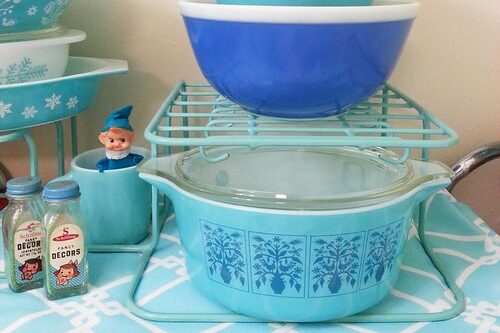
Introduced in the early 20th century by Corning Inc. under the Pyrex brand, heat-resistant glassware revolutionized home cooking. By the 1940s and 1950s, brightly colored Pyrex mixing bowls were common wedding gifts and kitchen essentials. Patterns like Butterprint and Gooseberry were mass-produced and sold in department stores across the country. They were sturdy, affordable, and designed for everyday use.
In recent decades, specific mid-century Pyrex patterns have become highly collectible. Enthusiasts can identify rare colorways and limited production runs that fetch significant sums online. The appeal lies in both their durability and their cheerful, atomic-era designs. Displaying a complete vintage Pyrex set today signals an eye for mid-century modern style and a love of authentic retro kitchenware.
5. Quilts
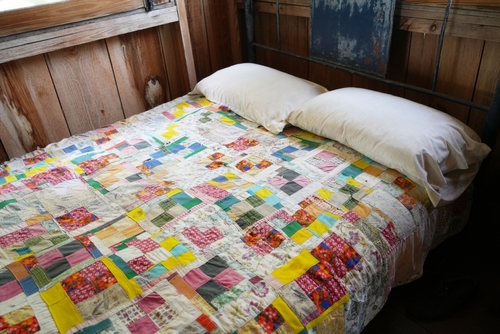
Handmade quilts were once practical bedding, especially in rural America where winters were harsh. Scraps of worn clothing were stitched together to create warmth, and patterns were shared within communities. Quilting bees were social events, but the finished product was meant for daily use. The beauty of the stitching was appreciated, yet functionality came first.
Over time, antique quilts began to be recognized as folk art. Museums and collectors started preserving 19th- and early 20th-century examples for their craftsmanship and historical significance. Intricate patterns and hand-stitching elevated certain quilts into gallery-worthy pieces. What once kept families warm now hangs on walls as a testament to heritage and artistry.
6. Silver Flatware Sets
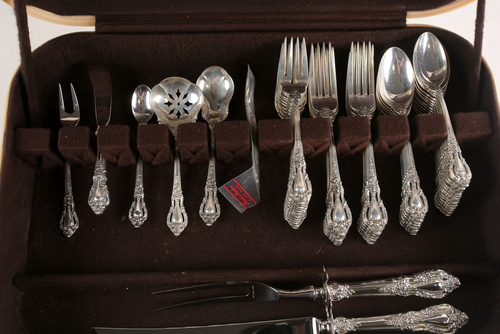
Sterling silver flatware was once a standard wedding gift in the late 19th and early 20th centuries. Companies like Tiffany & Co. and Gorham Manufacturing Company produced patterns that families used for holiday meals and special occasions. Owning a set wasn’t unusual among middle- and upper-middle-class households. It was simply part of formal dining.
As casual dining became more common in the late 20th century, heavy silver sets were used less frequently. Maintaining and polishing them felt cumbersome compared to stainless steel. Yet complete vintage sterling sets in discontinued patterns now command strong resale values. Displaying or using them today suggests old-world elegance and generational wealth.
7. Record Players
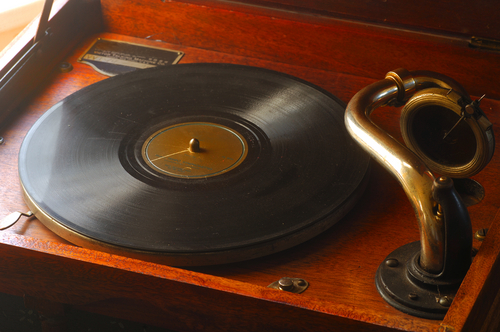
In the mid-20th century, record players were common fixtures in living rooms. Companies such as RCA and Sony manufactured turntables and console systems for mainstream consumers. Families gathered around them to listen to news broadcasts and vinyl records. They were entertainment appliances, not luxury showpieces.
When cassette tapes and CDs rose to prominence in the 1980s and 1990s, many record players were discarded. The vinyl revival of the 2000s changed that perception dramatically. Audiophiles began investing in high-end turntables and hunting for vintage models with superior components. Now, a carefully curated vinyl setup often serves as both a design statement and a marker of refined musical taste.
8. Mechanical Kitchen Scales
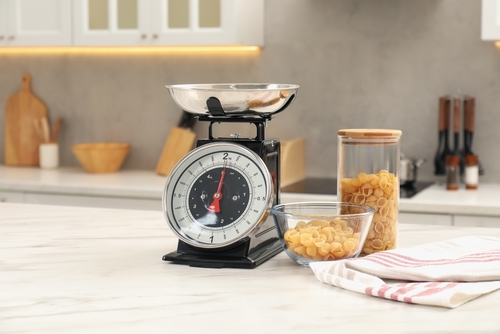
Before digital technology, mechanical kitchen scales were essential for precise baking. Brands like Salter produced sturdy, spring-based models that sat on countertops across Europe and North America. Home cooks relied on them daily to measure flour, sugar, and produce. They were functional tools, often enamel-coated and built to last.
As digital scales became cheaper and more accurate, mechanical versions faded from mainstream kitchens. Yet their analog dials and retro typography began to appeal to design enthusiasts. Restored mid-century models now appear in styled kitchen photos and boutique bakeries. Owning one conveys an affection for tactile, slower-paced cooking.
9. China Cabinets
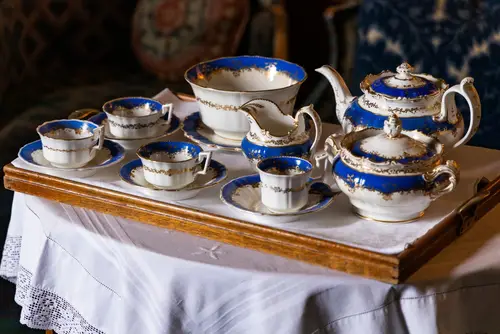
China cabinets were once common dining room furniture, designed to store and display fine dishware. Throughout the 19th and early 20th centuries, they were staples in homes that entertained formally. Glass-front doors allowed families to showcase heirloom plates and teacups. They were practical storage pieces as much as decorative furniture.
As open-concept homes and minimalist tastes grew popular, bulky cabinets fell out of favor. Many were sold off or donated as dining habits became more casual. Recently, antique and mid-century cabinets have been reclaimed as statement pieces. In the right setting, a restored china cabinet now communicates curated tradition rather than clutter.
10. Copper Cookware
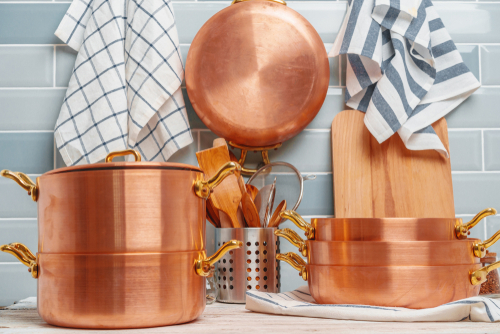
Copper pots and pans were historically valued for their excellent heat conductivity. Professional and home kitchens alike used them throughout the 19th and early 20th centuries. They required regular polishing to prevent tarnish, but they performed exceptionally well. For many households, they were hardworking tools rather than decorative accents.
In modern kitchens dominated by stainless steel and nonstick coatings, vintage copper cookware stands out visually. Hanging polished copper pots has become a hallmark of upscale, design-forward kitchens. Brands like Mauviel have seen renewed interest in traditional craftsmanship. Today, a gleaming set of copper pans signals both culinary ambition and an investment in classic technique.
11. Typewriters
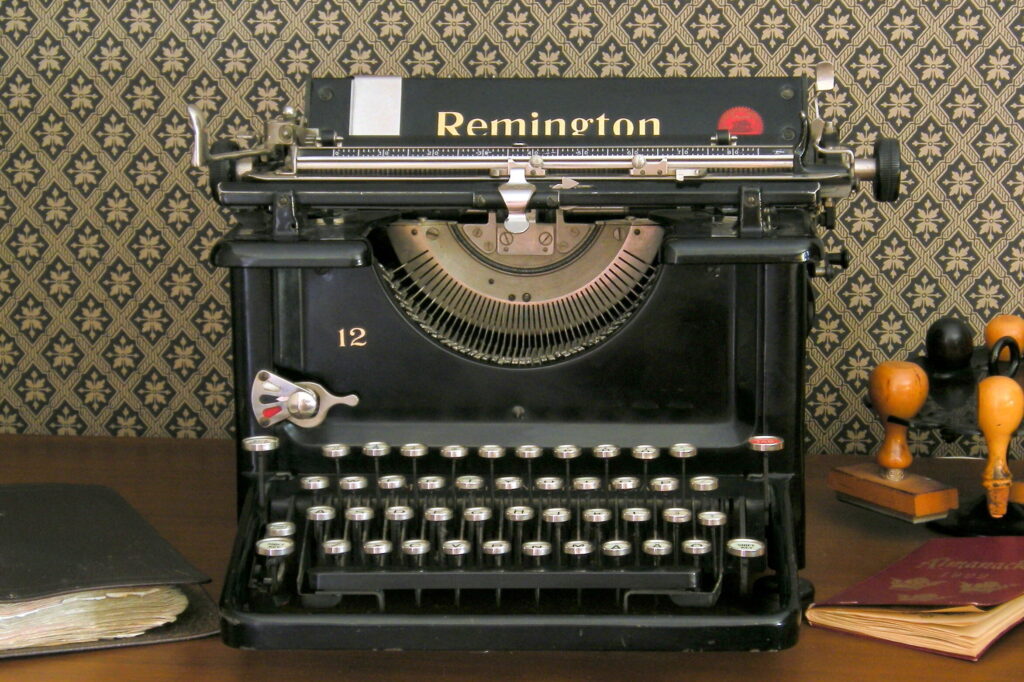
Throughout the early and mid-20th century, typewriters were indispensable office and household tools. Manufacturers such as Remington and Underwood Typewriter Company supplied machines to writers, students, and businesses. They were heavy, mechanical devices built for daily use. Having one at home was practical, not fashionable.
As personal computers replaced them in the 1980s and 1990s, typewriters rapidly disappeared from desks. In recent years, however, vintage models have returned as decorative objects and creative tools. Writers and collectors appreciate the tactile experience and focused workflow they encourage. Displaying a restored typewriter now suggests a romantic attachment to analog creativity in a digital age.
This post Vintage Household Staples That Became Status Symbols Decades Later was first published on Greenhouse Black.
