
1. Gary, Indiana
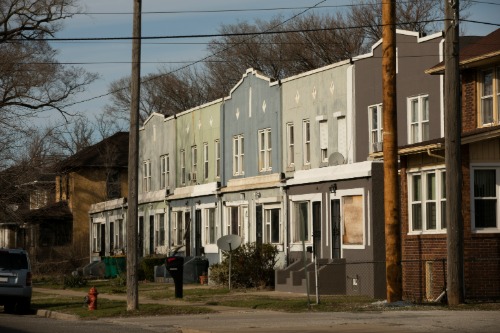
Gary’s housing market collapsed alongside its once-booming steel industry. As jobs disappeared in the late 20th century, thousands of residents moved away. That left entire neighborhoods filled with empty houses whose owners either walked away or could no longer maintain them. Many of those properties sat in tax foreclosure limbo for years.
The city has struggled to process the sheer number of abandoned homes. Some houses cycled repeatedly through tax sales with no buyers. Others had tangled ownership records that prevented redevelopment. Until demolition crews finally arrive, these structures often sit untouched for long stretches of time.
2. Detroit, Michigan
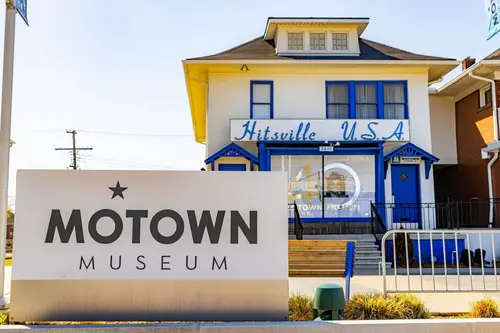
Detroit is famous for its comeback story, but thousands of houses have spent years stuck in legal and financial limbo. After the housing crash and the city’s 2013 bankruptcy, massive numbers of homes fell into tax foreclosure. Properties often cycled through auctions without buyers or sat tangled in ownership disputes. Some structures remained in this uncertain state for a decade or more before demolition or redevelopment.
Even today, some houses linger because the title situation can be complicated. Properties may have unpaid taxes, unclear ownership, or heirs who never formally transferred deeds. That means no one can legally renovate or sell them without sorting out the paperwork. Until that happens, the homes just sit there, frozen between abandonment and revival.
3. Baltimore, Maryland
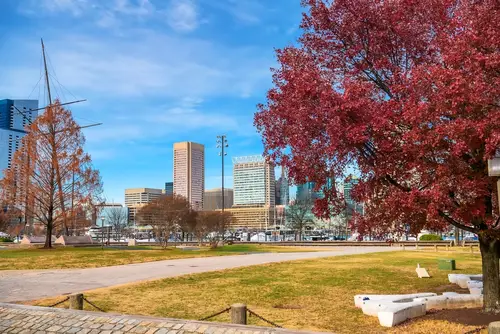
Baltimore has one of the highest concentrations of long-term vacant houses in the United States. Entire rows of brick homes have sat empty for years while the city works through foreclosure and redevelopment programs. In many cases, the legal process to take control of abandoned properties can take years. During that time, the houses exist in a strange limbo—owned on paper but functionally abandoned.
Neighborhoods like Sandtown-Winchester have become symbols of this problem. Some homes have been vacant for decades because owners disappeared or died without transferring property rights. The city has tried tools like receivership to fix the issue. Still, the backlog of properties stuck in legal gray areas remains enormous.
4. Lower Ninth Ward, New Orleans, Louisiana
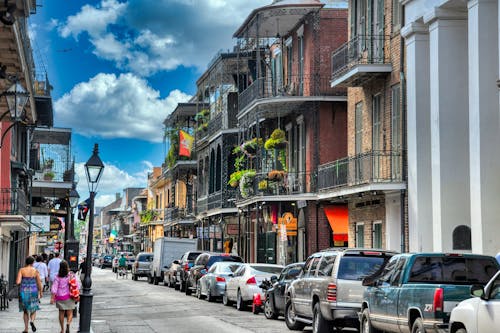
The Lower Ninth Ward is still one of the most striking examples of homes stuck in post-disaster limbo. After Hurricane Katrina in 2005, thousands of houses were destroyed or severely damaged. Some owners never returned, while others became trapped in complicated insurance or rebuilding programs. As a result, empty lots and damaged homes lingered for years.
Programs like the Road Home rebuilding initiative helped many residents return. But disputes over payouts and rebuilding costs slowed recovery dramatically. Some properties sat untouched for more than a decade while ownership and funding questions played out. Even today, the neighborhood still has scattered properties that never fully made it back.
5. Youngstown, Ohio
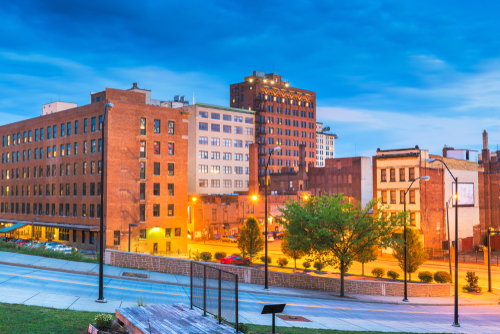
Youngstown’s population once exceeded 170,000, but decades of industrial decline cut that number dramatically. As people left, thousands of homes were abandoned. Some were caught in foreclosure proceedings that dragged on for years. Others simply had no clear owner willing to take responsibility.
The city eventually embraced a strategy known as “right-sizing,” which included demolishing vacant properties. But the process takes time and money, and many houses linger before reaching the demolition list. Legal issues like unpaid taxes and probate disputes can stall things even longer. That leaves some homes stuck in a kind of bureaucratic standstill.
6. Flint, Michigan
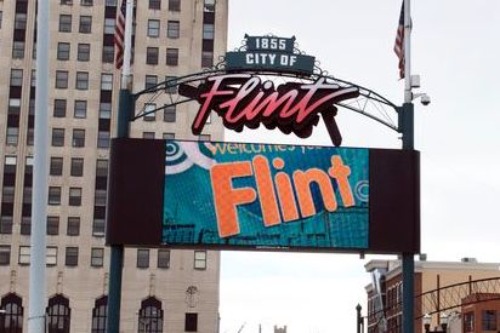
Flint’s housing troubles grew out of both economic decline and the foreclosure crisis. When auto industry jobs shrank and the population dropped, entire blocks began to empty out. Many homes fell behind on property taxes and entered foreclosure. But processing those properties through the legal system often took years.
Some houses bounced from auction to auction with no buyers. Others became tied up in estate disputes after owners died. In the meantime, the buildings just sat there deteriorating. For neighbors still living nearby, it meant watching homes remain in limbo for long stretches.
7. Camden, New Jersey
Camden has long struggled with vacant housing tied to poverty and population loss. Some homes have remained empty for years because ownership records are incomplete or contested. In other cases, banks foreclosed but never followed through with maintaining or reselling the properties. That left houses technically owned but practically abandoned.
The city has worked to clear these backlogs through land banks and redevelopment efforts. Still, legal delays can stretch out the process. Properties may sit untouched while paperwork slowly moves through courts. Until those cases resolve, the houses remain stuck between past and future.
8. Englewood, Chicago, Illinois
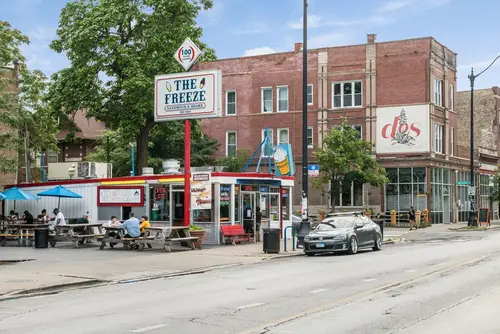
Englewood on Chicago’s South Side has seen thousands of homes fall vacant over the past several decades. The foreclosure crisis hit the neighborhood especially hard in the late 2000s. Some properties ended up in complicated foreclosure cases that dragged on in court. Others were abandoned outright by lenders or owners.
During those long delays, houses sometimes sat boarded up for years. The city has tried programs like large-scale lot sales and redevelopment incentives. But clearing titles and ownership disputes can be slow work. That leaves certain blocks with homes waiting indefinitely for their next chapter.
9. Picher, Oklahoma
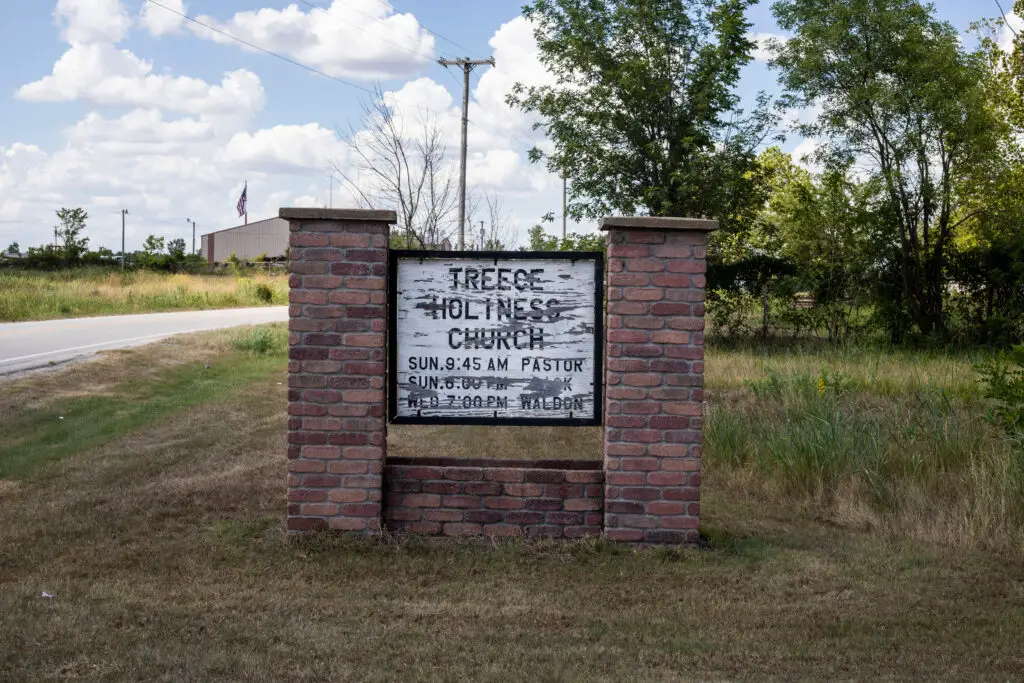
Picher might be one of the most extreme cases of housing limbo in America. The town became heavily contaminated with lead and other mining waste after decades of zinc and lead mining. Eventually the federal government declared the area part of a massive Superfund site. Residents were encouraged—and later required—to relocate.
For years, homes sat abandoned while buyouts were negotiated. Some properties remained standing long after the town was officially dissolved in 2009. Ownership questions and environmental hazards complicated the cleanup process. Even now, the remains of houses mark where a once-busy town stood.
10. Centralia, Pennsylvania
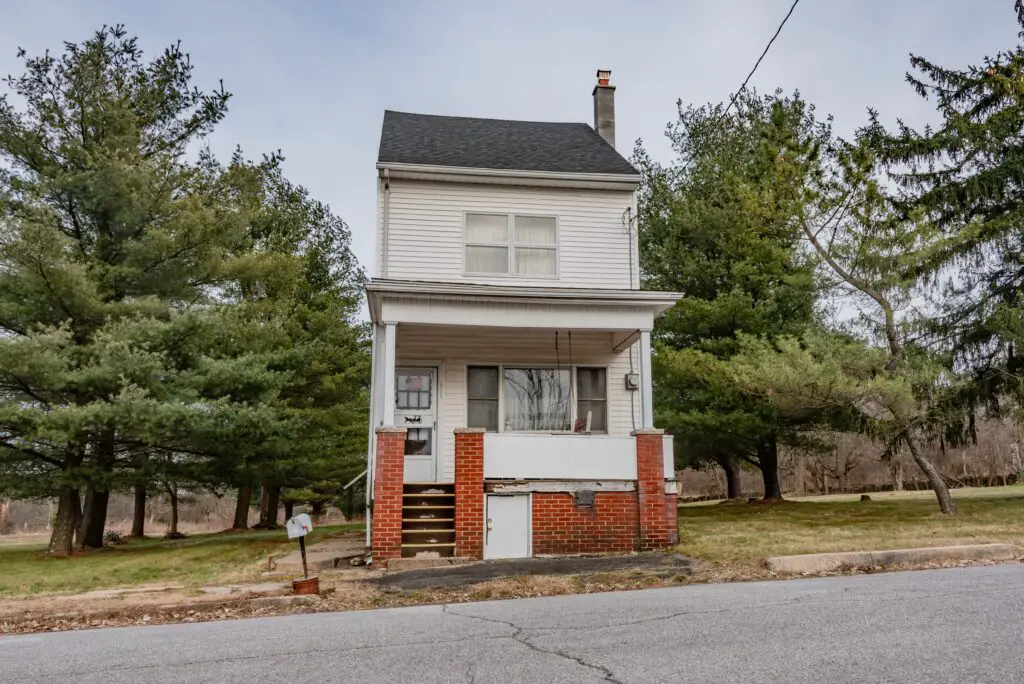
Centralia’s housing limbo started with an underground coal mine fire that began in 1962. As toxic gases and sinkholes threatened the town, the government offered buyouts to residents. Many people left, but some resisted for years. That created a patchwork landscape of abandoned homes and a few holdouts.
Eventually most buildings were demolished as the population dwindled. For decades, though, houses stood empty while relocation battles played out. The fire is still burning underground today. Centralia became a rare case where environmental danger literally erased a town piece by piece.
11. Paradise, California
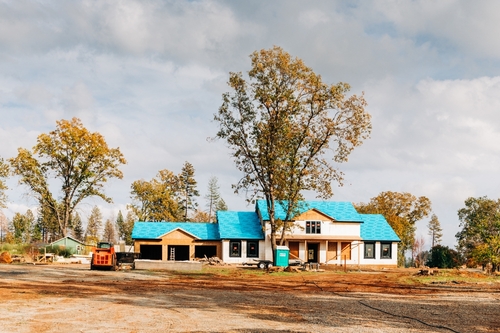
After the 2018 Camp Fire destroyed most of Paradise, thousands of homes vanished overnight. In the aftermath, rebuilding proved far slower than many residents expected. Insurance disputes, contractor shortages, and new building codes all slowed the process. Empty lots replaced entire neighborhoods for years.
Some properties remained untouched because owners couldn’t afford to rebuild. Others waited while debris removal and infrastructure repairs were completed. The town has been steadily recovering, but reconstruction takes time. In the meantime, some parcels still feel caught between destruction and rebirth.
12. Houston Flood Buyout Areas, Texas
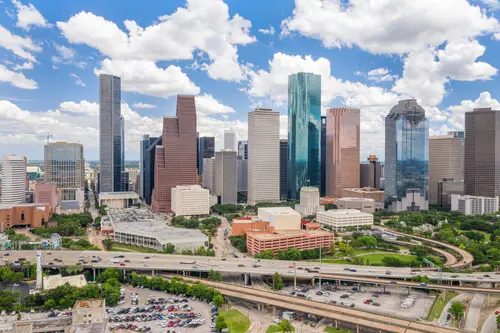
Certain neighborhoods in Houston have homes that sit in limbo because of flood control programs. After major storms like Hurricane Harvey in 2017, the government offered buyouts to repeatedly flooded homeowners. Once a house enters the buyout process, it often takes years before demolition happens. During that time, the property sits empty.
Areas like Meyerland saw clusters of these waiting homes. Owners may have moved out, but the structures remain until the paperwork and funding are finalized. Eventually the houses are removed and the land turned into open space. Until then, they linger as reminders of the floods that changed the neighborhood.
13. Salton Sea Communities, California
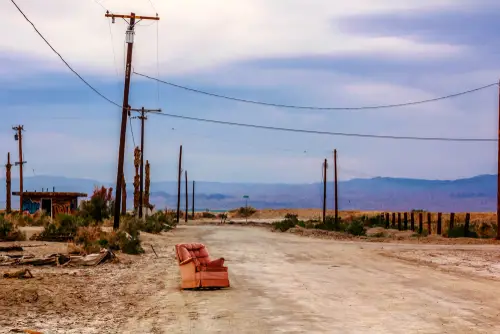
Communities around California’s Salton Sea, like Bombay Beach and Salton City, contain many houses stuck in long-term limbo. The region boomed in the 1950s and 1960s as a desert resort destination. But rising salinity, environmental decline, and economic shifts drove people away. That left behind thousands of empty properties.
Some homes remain technically owned but unused because demand is so low. Others sit half-abandoned while owners hope the area will rebound someday. Environmental issues around the shrinking Salton Sea complicate development plans. As a result, entire streets of houses can remain suspended between abandonment and revival.
This post The American Places Where Houses Sit in Limbo for Years was first published on Greenhouse Black.
