
1. Sequim
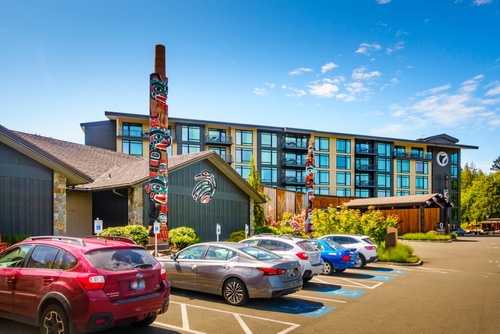
Sequim sells itself as a dream retirement spot on the Olympic Peninsula. The climate is famously sunny for the Pacific Northwest thanks to the Olympic rain shadow, and lavender farms and mountain views don’t hurt either. Over the years, it has attracted thousands of retirees looking for a peaceful place to slow down. What the town gained in retirees, however, it hasn’t always matched in medical capacity.
Sequim doesn’t have a full-service hospital of its own. Most residents rely on Olympic Medical Center about 17 miles away in Port Angeles for hospital care. Primary care appointments can be difficult to schedule, and specialist access is even tighter. For older residents with ongoing health needs, that gap can turn a simple appointment into a half-day trip.
2. Bisbee
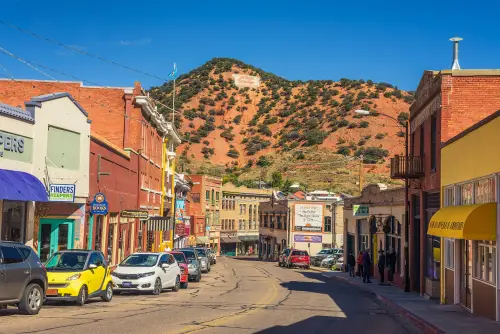
Bisbee is one of those artsy former mining towns that quietly reinvented itself as a retirement haven. Its mild winters, historic homes, and quirky culture draw older transplants from around the country. The catch is that the town is small—fewer than 6,000 residents—and its medical infrastructure never really scaled up for an aging population. Many retirees quickly learn that the local options are limited.
The town’s only hospital, Copper Queen Community Hospital, is a small critical-access facility with limited specialties. Residents frequently travel 80 miles or more to Tucson for cardiology, oncology, and other advanced care. That’s a long drive when you’re dealing with chronic health issues or frequent appointments. For a town increasingly filled with retirees, the distance to specialists can be a real surprise.
3. Green Valley

Green Valley was practically designed with retirees in mind. The community south of Tucson has recreation centers, golf courses, and age-restricted neighborhoods that attract thousands of older adults. Median age here is well over 70, making it one of the oldest communities in the United States. But despite that demographic reality, healthcare options inside town remain surprisingly thin.
Green Valley does not have a full-service hospital. Residents generally travel 25 miles north into Tucson for emergency care, surgeries, and many specialists. Local clinics handle routine care, but wait times can stretch as the retiree population continues to grow. For a place built around aging comfortably, the lack of nearby hospital care often catches newcomers off guard.
4. Eureka Springs
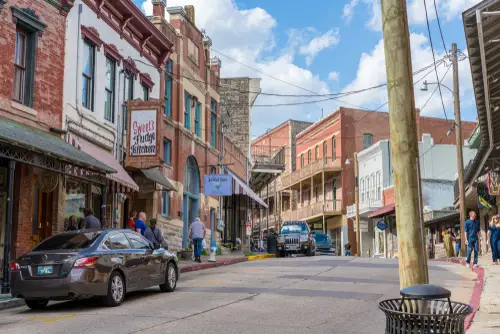
Eureka Springs has long been marketed as a charming Ozark escape for retirees and second-home buyers. Its Victorian architecture, winding streets, and natural springs give it a storybook feel. The town’s population skews older, with many residents drawn by the slower pace and scenic surroundings. But healthcare access took a major hit in recent years.
The town lost its hospital when Eureka Springs Hospital closed in 2019. Since then, residents have had to travel roughly 45 minutes to an hour to reach hospitals in nearby cities like Berryville or Rogers. That might be manageable for younger residents, but it’s a bigger hurdle for seniors. In a community full of retirees, the loss of the hospital still looms large.
5. Hot Springs Village
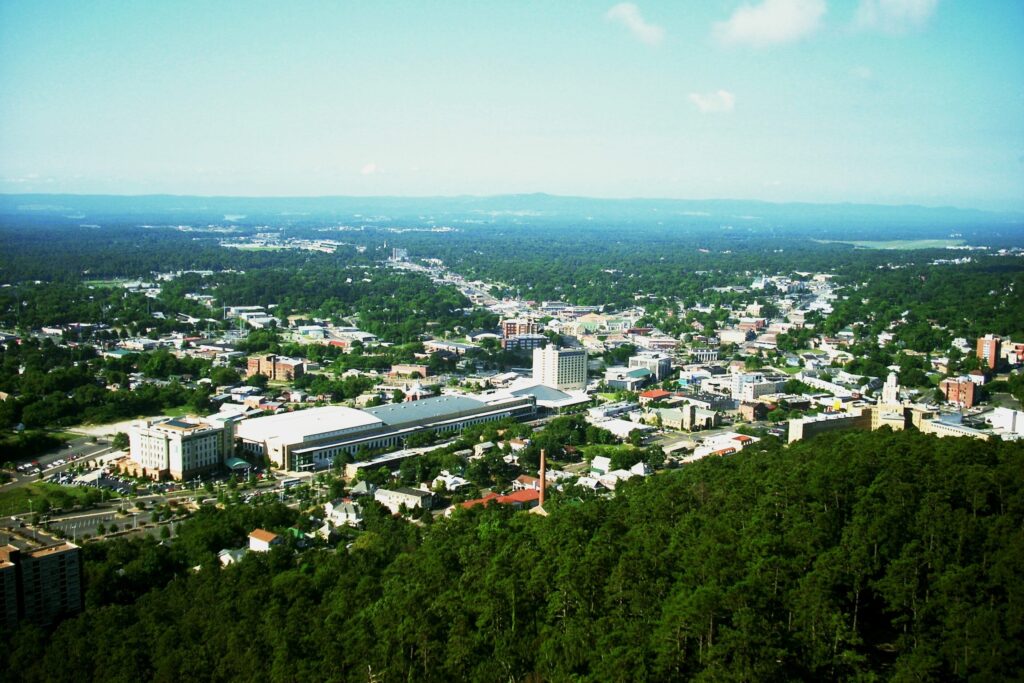
Hot Springs Village is one of the largest gated retirement communities in the country. Spread across tens of thousands of acres, it’s filled with golf courses, lakes, and quiet neighborhoods aimed squarely at older adults. The community attracts retirees looking for an affordable place to stretch their savings. Yet the development itself never included a hospital.
Residents typically rely on hospitals in nearby Hot Springs or Benton, both around 20 to 30 miles away. For everyday healthcare needs, local clinics exist, but specialists are limited. That means frequent drives for cardiology, orthopedics, and other aging-related care. For a community built around retirement living, it’s an infrastructure gap residents feel quickly.
6. Port Townsend
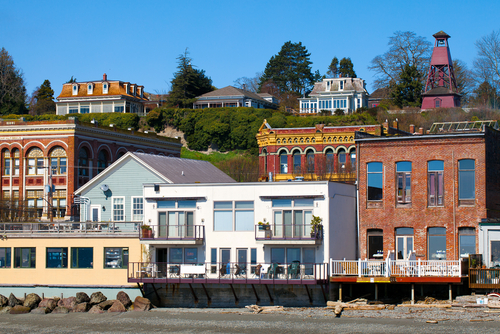
Port Townsend looks like it belongs on a postcard. The Victorian seaport town on Washington’s Olympic Peninsula has become a magnet for retirees drawn to its walkable downtown and coastal scenery. Over time, the population has aged significantly, with many residents well past retirement age. The medical system, however, remains small.
Jefferson Healthcare operates a critical-access hospital in town, but specialist care can be limited. Many patients travel to Seattle or other larger cities for advanced treatment. That often means ferry rides or long drives across the peninsula. For older residents managing multiple conditions, the logistics can be complicated.
7. Truth or Consequences
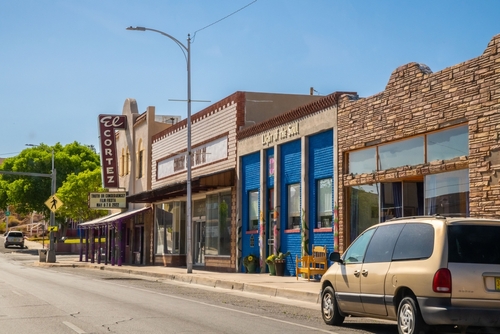
Truth or Consequences—often called “T or C”—has quietly become a retirement destination thanks to its warm climate and famous hot springs. The cost of living is low, which appeals to retirees stretching fixed incomes. The town has a relaxed, small-town feel that attracts people looking to escape bigger cities. But its healthcare system is modest.
Sierra Vista Hospital serves the area, yet it’s a small facility with limited specialty services. Residents often travel to Las Cruces or Albuquerque for more complex care. That can mean drives of 75 to 150 miles depending on the treatment needed. For older residents with ongoing health needs, those distances matter.
8. Taos

Taos is known for its art scene, ski slopes, and dramatic desert landscapes. Over the years it has also become a retirement magnet for people seeking a culturally rich place to settle down. The town’s population includes a large number of older adults who came for the beauty and stayed for the lifestyle. But the medical system hasn’t kept pace with demand.
Holy Cross Medical Center provides hospital care locally. However, many specialists are scarce, and wait times can stretch for months. Patients frequently head to Santa Fe or Albuquerque for more advanced treatment. For retirees expecting big-city healthcare in a scenic town, that gap can be surprising.
9. Silver City
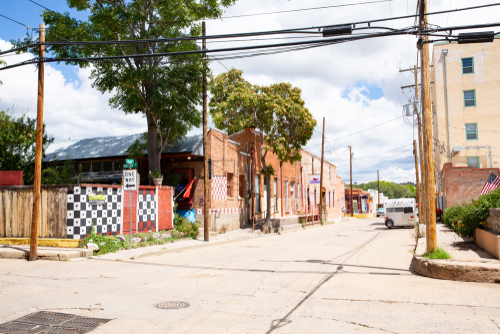
Silver City blends a college town atmosphere with a growing retiree population. Its mild climate and mountain surroundings draw older residents looking for a quieter lifestyle. Many come for the arts scene and outdoor access in the nearby Gila Wilderness. But healthcare capacity remains limited.
Gila Regional Medical Center serves the community, but it’s a relatively small hospital. Specialized care often requires travel to larger cities like Tucson or Albuquerque. That means several hours on the road for certain appointments. For aging residents, those trips can become routine.
10. Sandpoint
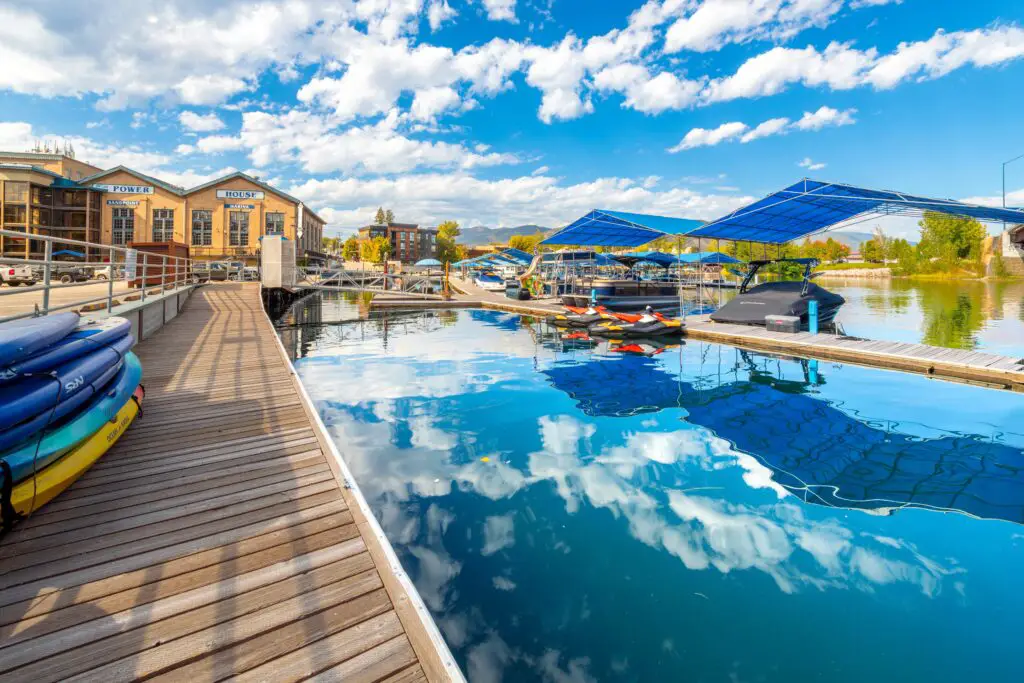
Sandpoint sits on the shores of Lake Pend Oreille and has become a magnet for retirees seeking mountain views and a slower pace. The town’s scenic beauty and small-town feel have steadily drawn newcomers from larger metro areas. Many are older adults who want outdoor recreation close to home. Healthcare access, however, remains a concern.
Bonner General Health runs the local hospital, but specialist shortages have been an ongoing challenge. Recruiting physicians to small rural communities isn’t easy. Residents sometimes travel to Spokane, about 75 miles away, for more advanced care. That distance can loom large when frequent appointments are involved.
11. Ellijay

Ellijay, in the north Georgia mountains, has seen a wave of retirees and second-home buyers in recent decades. The town’s apple orchards, mountain views, and peaceful setting make it especially appealing to older newcomers. As the population ages, demand for healthcare has steadily grown. But the town remains small.
Piedmont Mountainside Hospital in nearby Jasper serves much of the region. While it provides essential care, many specialists are concentrated farther away in larger cities like Atlanta. That can mean an hour or more on the road for certain treatments. For retirees expecting everything close by, the reality can be different.
12. Camden
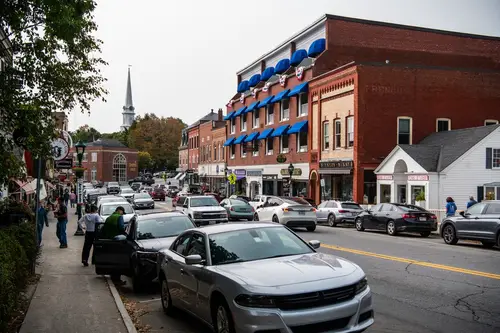
Camden is often described as one of the prettiest towns on the Maine coast. Its harbor views and classic New England charm attract retirees from across the Northeast. The town’s population skews older, especially outside the summer tourist season. Yet healthcare services are centered nearby rather than directly in town.
Pen Bay Medical Center sits about five miles away in Rockport. While that’s not far, specialist availability can still be limited in the region. Many patients travel farther to Portland or Boston for complex care. For retirees used to urban healthcare networks, the difference becomes noticeable.
13. St. Marys
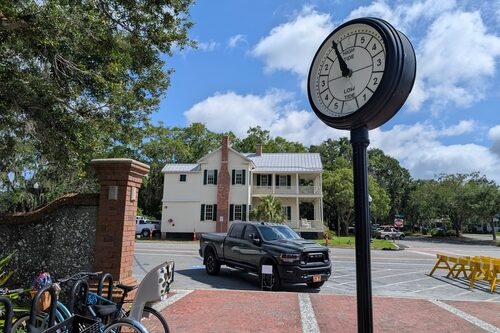
St. Marys sits on Georgia’s southeastern coast and has become a quiet retirement spot. The historic waterfront and mild climate attract older residents looking for a laid-back lifestyle near the ocean. Over time, the area’s demographics have tilted older. But medical infrastructure remains limited locally.
Residents often rely on hospitals across the state line in Jacksonville, Florida. That’s about a 40-minute drive under good conditions. While the care there is extensive, the commute can be inconvenient for routine appointments. For seniors needing regular treatment, those miles add up quickly.
14. Lake City
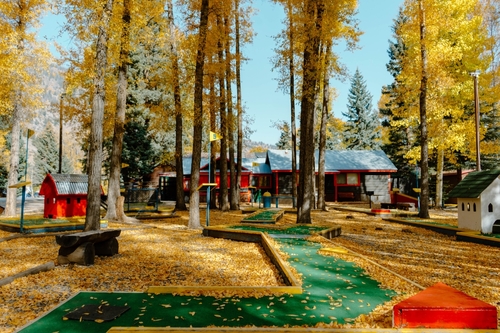
Lake City is a tiny mountain town surrounded by dramatic peaks and wilderness. It’s a dream setting for retirees who want solitude, scenery, and cool summers. Many seasonal residents and retirees have bought homes here over the years. The trade-off for that beauty is isolation.
The nearest full hospital is roughly 55 miles away in Gunnison. In winter or bad weather, that drive can take significantly longer. Local clinics provide basic care, but advanced treatment requires leaving town. For older residents in particular, the distance can be a serious consideration.
This post 14 Towns Built for Aging That Forgot About Doctors was first published on Greenhouse Black.
