
1. “Did Something Big Go Wrong Here?”
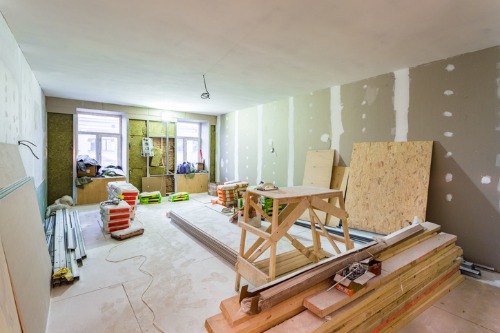
When buyers see a home where the roof, HVAC, plumbing fixtures, and appliances were all replaced at roughly the same time, one of their first thoughts is that a major issue may have forced it. Many people assume there might have been water damage, a fire, mold remediation, or a major system failure. Even if that isn’t the case, the timing can trigger curiosity or suspicion. Buyers often start mentally searching for clues about what prompted the overhaul.
This reaction happens because major home systems typically wear out on different timelines. Roofs, furnaces, water heaters, and kitchen appliances usually reach the end of their life cycles years apart. When everything looks new simultaneously, buyers may assume the upgrades were reactive rather than planned. That’s why clear documentation about renovations can ease concerns quickly.
2. “Is This a Flip?”

A freshly updated home with brand-new everything often gives buyers “house flip” vibes. Many buyers immediately wonder if an investor bought the property, renovated it quickly, and put it back on the market. Flips aren’t automatically bad, but buyers know that some are done quickly to maximize profit. That thought can make them examine the quality of the work more closely.
Buyers may look for signs of cosmetic upgrades that hide deeper problems. For example, new flooring installed over uneven subfloors or fresh paint covering water stains can raise questions. If the home feels staged and every fixture matches perfectly, the flip suspicion can grow stronger. Transparency about who did the work and when it was completed helps reduce that uncertainty.
3. “At Least I Won’t Have Immediate Maintenance Costs”
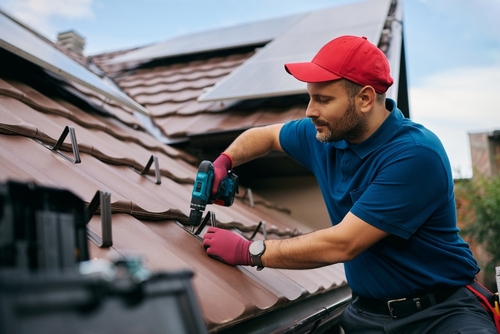
On the positive side, buyers often feel relief when they realize the big-ticket items are already replaced. A new roof, updated electrical panel, modern HVAC system, and newer appliances can mean fewer major expenses in the near future. For many buyers, especially first-time homeowners, that’s a huge advantage. It creates the feeling that the home is move-in ready.
Major systems are among the most expensive parts of owning a home. Replacing a roof or heating system shortly after purchasing a property can strain a buyer’s budget. Seeing those items already updated can make the home more attractive compared with similar listings. Buyers may even factor the reduced risk of repairs into what they’re willing to offer.
4. “Was This Done With Permits?”
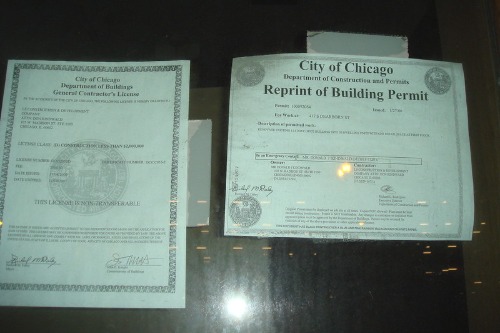
Another common thought is whether the renovations were properly permitted. Large-scale replacements—especially electrical work, plumbing changes, structural repairs, or HVAC installations—often require local permits and inspections. Buyers know that work done without permits can lead to problems later. It may affect insurance coverage, resale value, or compliance with local building codes.
Savvy buyers and their agents often check public records or ask the seller for documentation. If permits were pulled and inspections passed, that information can reassure them immediately. On the other hand, if the seller can’t provide details about who performed the work, it may raise red flags. Paperwork becomes very important when so many elements were updated at once.
5. “How Old Is Everything Exactly?”

When buyers hear that everything was replaced, their next question is usually about timing. “New” can mean a few months old, but it can also mean five years old depending on how the seller describes it. Buyers want to know the exact installation dates for the roof, water heater, furnace, appliances, and other major components. That helps them estimate how long those systems should last.
Each major home system has a typical lifespan. For example, many water heaters last around 8–12 years, and HVAC systems often last 15–20 years depending on maintenance and usage. Buyers mentally map these timelines against their own future maintenance plans. Clear dates help them understand what expenses might eventually be coming.
6. “Did the Seller Fix Everything or Just the Visible Stuff?”

Even when updates look impressive, buyers often wonder what wasn’t replaced. They may ask themselves whether the renovations addressed underlying issues or simply focused on cosmetic improvements. Fresh countertops and cabinets are nice, but buyers are often just as interested in wiring, insulation, drainage, and structural integrity. Those hidden elements matter just as much.
Home inspections frequently focus on this question. Inspectors check attics, crawl spaces, and basements to confirm the condition of the underlying structure and systems. If the inspection shows that the updates were thorough, the home can become much more appealing. If not, buyers may worry the upgrades were mainly surface-level.
7. “Will This Affect the Price?”

Buyers also think about how the renovations influence the asking price. Sellers who replaced many features at once often price the home higher to reflect those investments. Buyers try to determine whether the upgrades justify the premium compared with other homes nearby. They mentally compare the cost of doing those replacements themselves.
This calculation can work in the seller’s favor if the improvements are meaningful and well executed. For instance, replacing an aging roof, installing efficient HVAC equipment, and updating plumbing can represent tens of thousands of dollars in work. Buyers may see value in avoiding those projects themselves. But they still want the price to align with the local market.
8. “Are These Updates High Quality?”

New doesn’t always mean high quality, and buyers know that. When everything has been replaced, they often start evaluating the materials and brands used in the upgrades. For example, they might check whether appliances are entry-level models or mid-range options. The same goes for flooring materials, cabinetry construction, and plumbing fixtures.
Buyers often look closely at workmanship as well. Uneven tile lines, poorly aligned cabinets, or sloppy paint edges can signal rushed renovations. Even small details can shape how buyers perceive the overall project. Quality craftsmanship helps reinforce confidence that the improvements were done carefully.
9. “What Does This Mean for Insurance?”

Insurance considerations sometimes come to mind when buyers hear that major systems were replaced. New electrical wiring, plumbing, and roofing can actually make a home easier to insure. Many insurers view updated systems as lower risk compared with older infrastructure. That can sometimes lead to more favorable insurance options.
However, buyers still want to confirm that the upgrades were completed properly. Insurance companies may ask about the age of the roof, electrical panel, or plumbing materials. Having recently replaced systems can simplify that process. Buyers appreciate knowing those details upfront.
10. “Will the Style Feel Dated Soon?”

When a home is renovated all at once, the design choices tend to reflect a specific moment in time. Buyers sometimes wonder whether the finishes will still feel current in five or ten years. Trends in paint colors, tile patterns, cabinet styles, and lighting fixtures change regularly. A home that feels very “of the moment” can age visually faster.
That doesn’t mean buyers avoid these homes, but they think about flexibility. Neutral finishes and classic materials tend to hold up longer than highly trendy ones. Buyers may ask themselves how easy it would be to update smaller elements later. Even with new construction or renovations, long-term style matters.
11. “This Could Be a Smooth Move-In Experience”

Despite their questions, many buyers ultimately see a fully updated home as convenient. Moving is already a complex process, and the idea of tackling multiple renovations immediately afterward can feel overwhelming. A home where major systems and finishes are already replaced removes a lot of that stress. Buyers often imagine simply unpacking and settling in.
That convenience can be especially appealing to people relocating for work or managing busy schedules. Not everyone wants to coordinate contractors, permits, and renovation timelines after purchasing a property. A home that has already gone through that process can feel like a turnkey option. For the right buyer, that peace of mind carries real value.
This post What Buyers Think When They See Everything Replaced at Once was first published on Greenhouse Black.
