
1. Cookie Jars
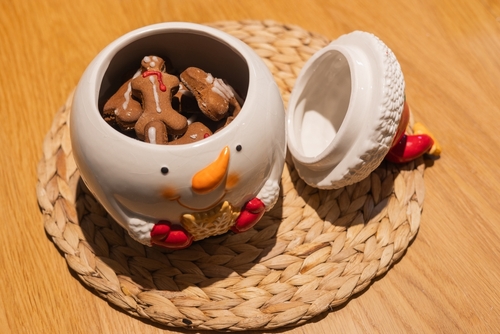
Decorative cookie jars were once a cheerful fixture on kitchen counters, especially from the 1940s through the 1970s. They came in whimsical shapes ranging from animals to cartoon characters. As kitchen design shifted toward minimalism, many households stopped displaying them. Some were boxed up during renovations or passed along to thrift stores.
Collectors now prize cookie jars because of their artistic designs and nostalgic charm. Companies like McCoy, Hull, and American Bisque produced many of the most recognizable examples. Certain character jars tied to popular culture can be particularly valuable. When a jar survives without chips or cracks, it can become a sought-after piece of vintage kitchenware.
2. Cast Iron Skillets
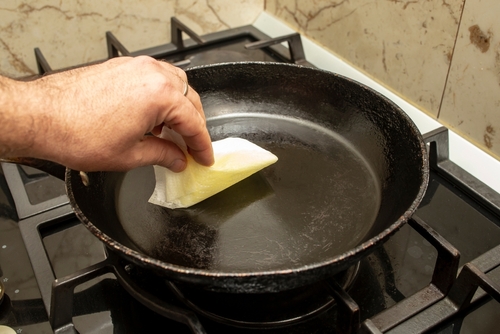
Cast iron skillets were once a daily workhorse in family kitchens, used for frying eggs, baking cornbread, and searing meat. As nonstick cookware became popular in the late 20th century, many households stopped using their heavy cast iron pans. Some were tucked away in cupboards, while others ended up at yard sales or flea markets. Today, collectors actively search for older skillets made by historic American manufacturers.
Brands like Griswold and Wagner produced cast iron pans in the late 19th and early 20th centuries that are especially desirable. These older skillets are often lighter and smoother than many modern cast iron pans. Because the companies no longer manufacture them, surviving examples have become increasingly collectible. Well-preserved pieces with clear maker marks can command impressive prices among cookware enthusiasts.
3. Vintage Tupperware

Tupperware containers were once a symbol of modern kitchen convenience in the 1950s, 60s, and 70s. Many families had cabinets filled with brightly colored plastic bowls used for leftovers, potlucks, and packed lunches. When newer storage brands entered the market and older containers became stained or mismatched, people often stopped using them. Over time, however, those once-ordinary containers began attracting interest from collectors.
Early Tupperware pieces are recognizable for their pastel colors, burping lids, and distinctive mid-century design. Some items were only sold at home parties and discontinued quickly, which makes them harder to find today. Collectors often look for pieces in colors like turquoise, avocado green, and harvest gold. Complete sets or rare serving bowls can bring surprisingly high prices at vintage markets.
4. Rotary Telephones
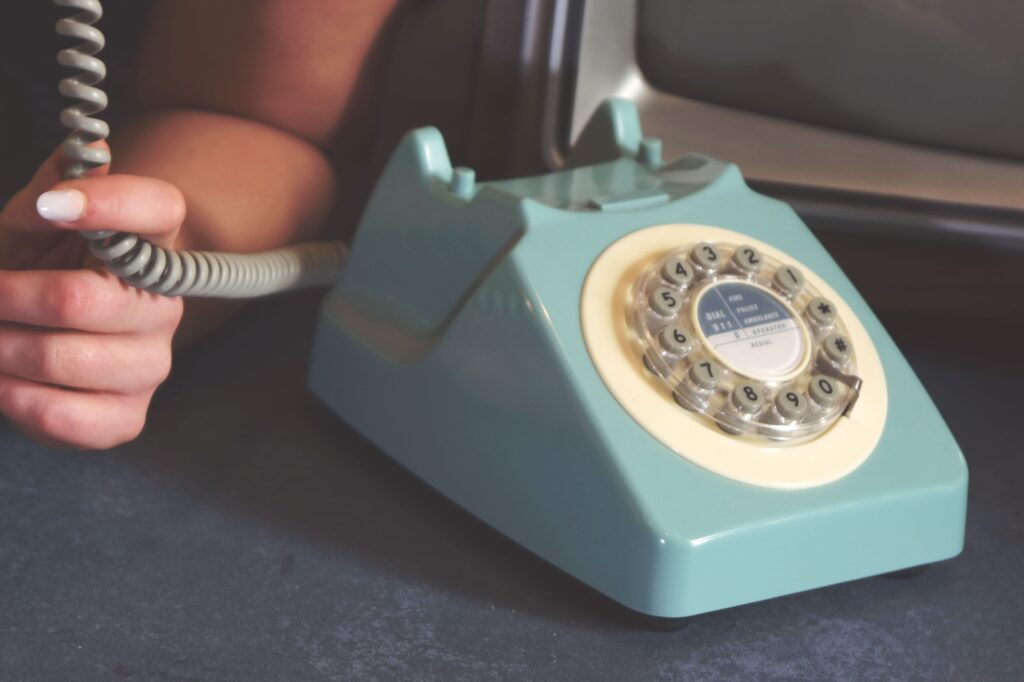
Rotary dial telephones were once the standard way families made calls at home. These sturdy devices sat on hallway tables or kitchen counters for decades before push-button phones replaced them. When touch-tone technology took over in the 1970s and 1980s, many rotary phones were retired from daily use. Some were stored in basements or attics, unknowingly preserving them for future collectors.
Today, rotary telephones appeal to collectors because of their mechanical design and nostalgic look. Models produced by Western Electric for the Bell System are especially sought after. Colors beyond the basic black—such as turquoise, pink, or bright red—are particularly collectible. Many people now display them as retro decor rather than using them for actual phone calls.
5. Mason Jars
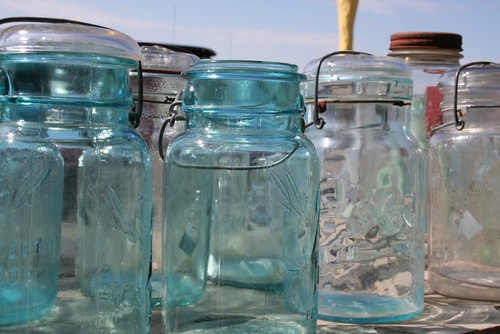
Mason jars were once a must-have household item for families that preserved fruits, vegetables, and jams at home. When home canning declined in many areas during the late 20th century, countless jars were stored away or given away. Over time, older jars—especially those with unique markings or colors—began attracting collectors. What was once pantry storage became part of a niche collecting hobby.
Jars produced by companies like Ball, Kerr, and Atlas often feature distinctive logos that help date them. Some older jars also came in unusual glass colors such as aqua blue or amber. Because many were used heavily for canning, surviving jars in excellent condition can be harder to find. Collectors appreciate them not only for their history but also for their connection to traditional home food preservation.
6. Vintage Board Games
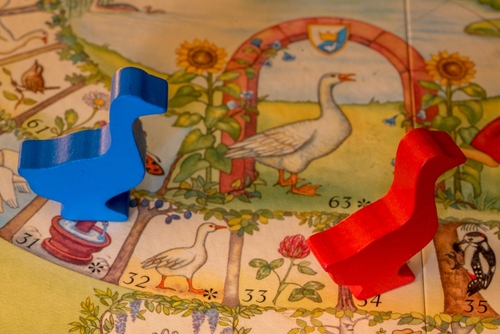
Board games were a centerpiece of family entertainment long before video games and streaming services took over. Classics like Monopoly, Scrabble, and Clue were played repeatedly during holidays and rainy weekends. Once families shifted toward digital entertainment, many of these game boxes were packed away or donated. Some of those forgotten sets have since become valuable collectibles.
Early editions of popular games can be surprisingly rare, especially if they still include all their original pieces. Packaging design also changed over the decades, making certain versions easy to identify and date. Collectors often look for first editions or unusual promotional versions released for limited periods. A well-preserved vintage board game can offer a snapshot of entertainment history.
7. Pyrex Mixing Bowls and Bakeware
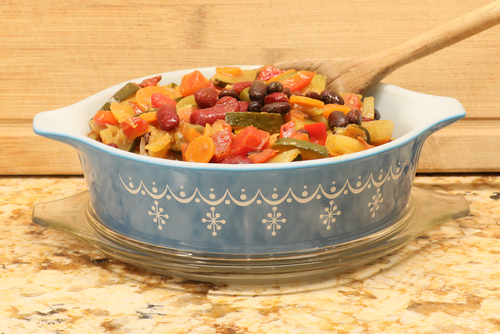
For decades, Pyrex bowls and baking dishes were a staple in family kitchens, pulled out for everything from birthday cakes to holiday casseroles. When those everyday routines stopped—often after families switched to lighter cookware or newer brands—many of the older pieces quietly ended up in cabinets or thrift stores. What makes them collectible today is that mid-20th-century pieces often featured distinctive colors and patterns like Butterprint, Gooseberry, and Snowflake. Collectors especially seek out sets made between the 1940s and 1970s because they reflect the design trends and manufacturing techniques of that era.
Another reason these became collectibles is that the older versions were made from thicker, durable glass that many enthusiasts believe outperforms modern versions. Limited production runs and discontinued patterns make certain bowls harder to find, which drives collector interest. Some rare pieces—especially complete nesting sets—can sell for hundreds of dollars. What was once just a mixing bowl for pancake batter can now be a prized vintage kitchen display piece.
8. Old Lunch Boxes
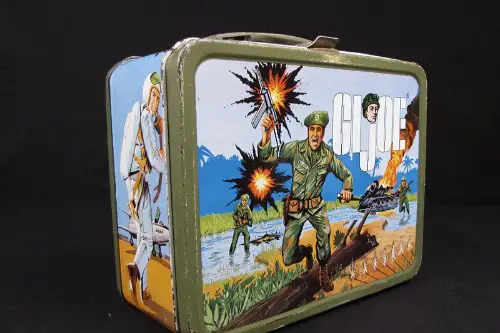
Metal lunch boxes were once a daily companion for schoolchildren, often decorated with popular television shows or movie characters. By the 1980s, many schools and manufacturers switched to soft insulated lunch bags instead. That change meant millions of metal lunch boxes were retired from everyday use. Some were thrown away, but others were kept in storage for years.
Collectors now seek out these lunch boxes because they capture a moment in pop culture history. Designs featuring shows like The Lone Ranger, Star Trek, or The Beatles can be especially desirable. The condition of the box and whether the original thermos is included greatly affects its value. What was once just a way to carry a sandwich can now be a prized collectible.
9. Vintage Sewing Machines
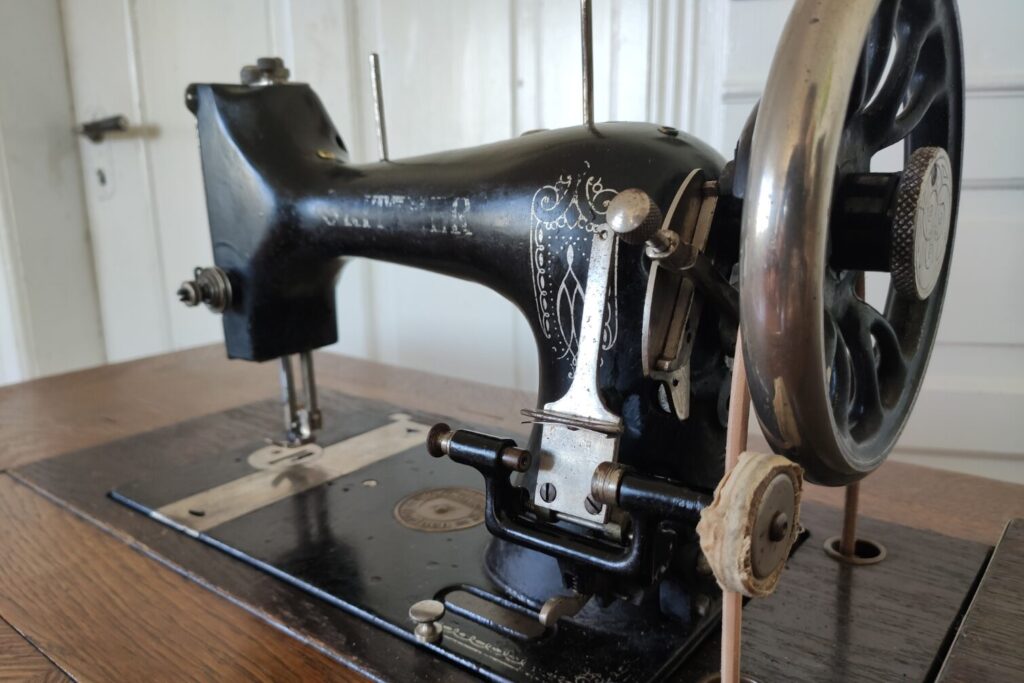
Sewing machines used to be a common household tool, especially before ready-made clothing became widely affordable. Many families owned sturdy machines that were used to repair clothes, sew curtains, or make quilts. As fewer people sewed regularly, these machines were often stored away in cabinets or basements. Some were even built into furniture that remained unused for decades.
Older machines made by companies like Singer are now popular among collectors and sewing enthusiasts. Many early 20th-century models were built with heavy metal parts that still function today. Decorative decals and ornate designs also add to their appeal. Some collectors restore them to working condition, while others display them as vintage household artifacts.
10. Record Players
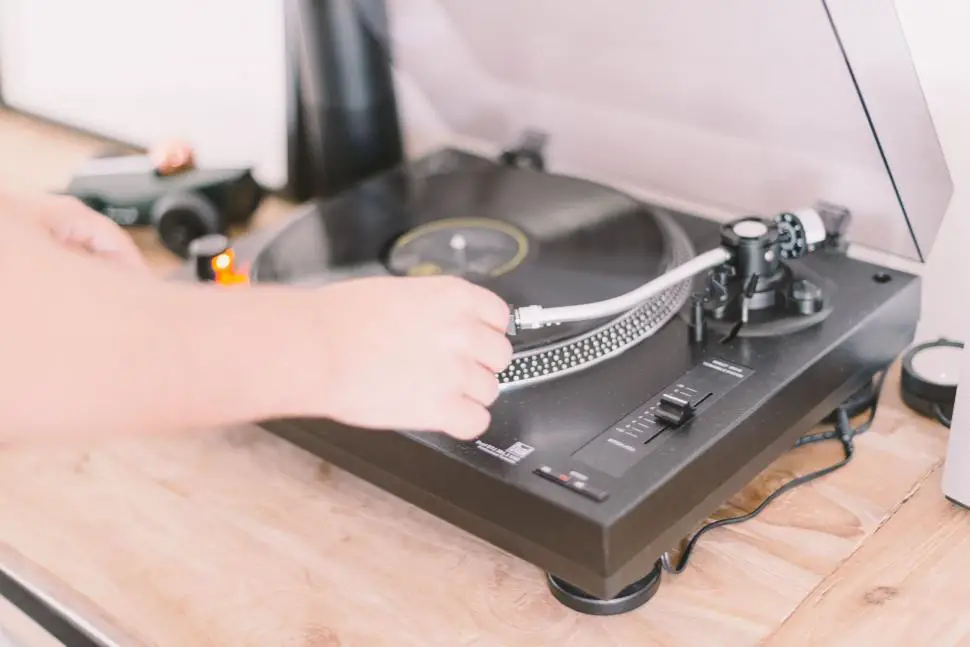
Record players were once the centerpiece of living room entertainment. Families gathered around them to listen to albums, radio shows, or dance music. As cassette tapes and later CDs became popular, many households stopped using their turntables. Those older record players were often stored away when newer audio technology arrived.
In recent years, interest in vinyl records has revived appreciation for vintage turntables. Collectors look for models made by well-known audio brands or those with distinctive mid-century design. Console record players built into wooden cabinets are especially nostalgic. Even if they are no longer used daily, they remain iconic symbols of home entertainment history.
11. Glass Milk Bottles
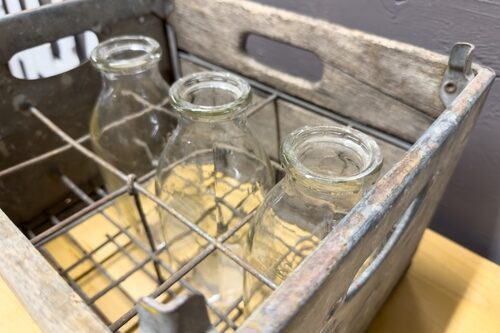
Before plastic jugs became standard, milk was often delivered in reusable glass bottles. Families would leave empty bottles on the porch for the milkman to collect and refill. As refrigerated trucking and plastic packaging became widespread, this system gradually disappeared. Many households stopped using glass milk bottles entirely.
Today, surviving bottles are collectible because they often feature embossed dairy names or logos. Local dairies frequently used custom bottles, making them tied to specific regions. Collectors enjoy tracking down bottles from dairies that no longer exist. These pieces offer a tangible connection to an earlier era of home delivery.
12. Vintage Christmas Ornaments
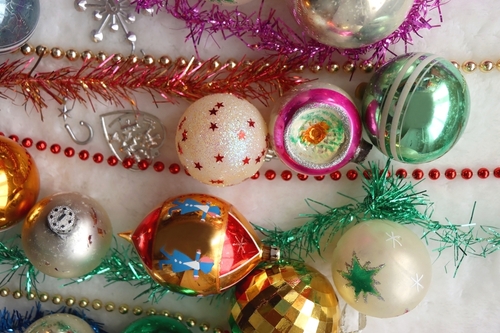
Holiday decorations were often reused year after year in family homes. Glass Christmas ornaments in particular were once handled carefully and packed away after every holiday season. Over time, many families replaced older decorations with new styles or plastic versions. Some of those older ornaments remained stored in boxes for decades.
Collectors now seek out vintage ornaments because of their craftsmanship and historical design. Mid-20th-century ornaments from companies in Germany, Poland, and the United States often feature hand-painted details. Their delicate glass construction means many did not survive years of holiday use. When a set is discovered intact, it can be a treasured find for collectors.
This post Household Items That Turn Into Collectibles When Families Stop Using Them was first published on Greenhouse Black.
