
1. Even, consistent paint lines around trim and ceilings

Straight, tidy paint lines where the wall meets the ceiling or trim are one of those quiet details that seasoned buyers notice right away. When edges are crisp instead of wavy or blotchy, it usually means the homeowner took the time to tape properly or hire careful painters. Sloppy paint lines, on the other hand, often signal rushed work or frequent quick fixes. Over decades, consistently neat paintwork suggests someone maintained the home thoughtfully rather than just covering problems.
This matters because paint jobs tend to repeat every five to ten years in most homes. If the lines are consistently clean across rooms and layers, it shows a pattern of careful upkeep. It also suggests the homeowner wasn’t constantly repainting to hide moisture stains or wall damage. That subtle consistency builds confidence that maintenance was proactive instead of reactive.
2. Doors that close smoothly without sticking

Open and close a few interior doors during a showing and you can learn a surprising amount. When doors latch easily without rubbing the frame or sticking halfway, it usually means the house has remained structurally stable. Frames that stay square over time often indicate the home hasn’t experienced major shifting, moisture swelling, or neglected repairs. It also shows that hinges have been adjusted or replaced when needed.
Doors are one of the most frequently used elements in a house, so they naturally reveal wear patterns. Homeowners who maintain them will tighten hinges, plane edges slightly, or adjust strike plates over the years. These small corrections prevent bigger issues like warped frames or broken hardware. Buyers often read smooth doors as a sign that the owner paid attention to everyday maintenance.
3. Original hardware that still works properly
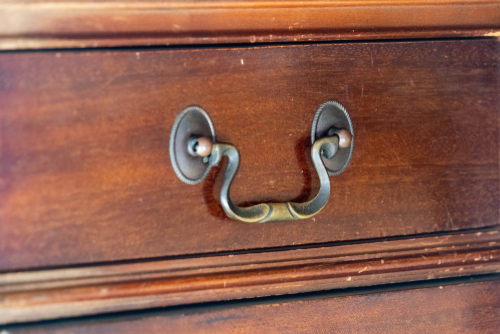
Older homes often have original knobs, latches, or cabinet pulls, and the condition of those pieces tells a story. If they turn smoothly and feel solid rather than loose or gritty, someone likely cleaned and maintained them over time. Hardware that functions well after decades suggests it wasn’t neglected or replaced with cheap shortcuts. It also hints that the home’s character was respected rather than stripped away.
Mechanical hardware tends to fail when it’s ignored for years. A simple habit of tightening screws or lubricating mechanisms keeps things working for decades. Buyers notice when drawers glide easily and knobs feel sturdy in the hand. Those tactile details quietly signal that the home received regular attention instead of occasional emergency fixes.
4. Caulking that looks deliberate rather than messy
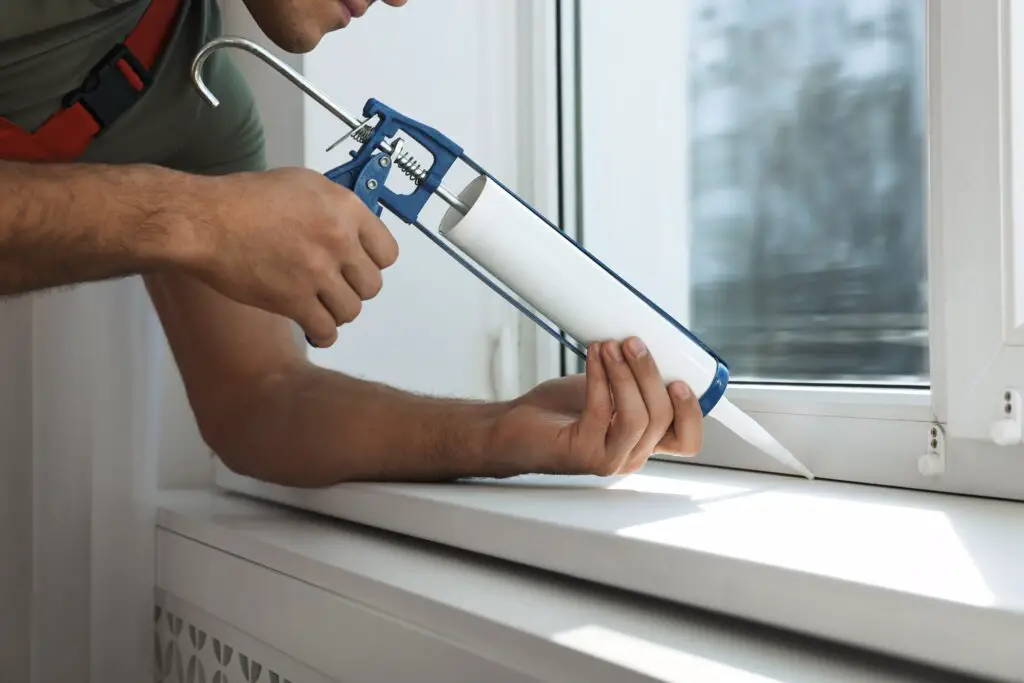
Take a look at the caulking around sinks, tubs, backsplashes, and exterior windows. Clean, narrow lines that are intact without heavy cracking usually mean the caulk has been replaced periodically. That’s important because caulking is a primary barrier against water intrusion in kitchens and bathrooms. Messy or layered caulk often signals repeated patch jobs instead of proper maintenance.
Caulking naturally deteriorates every five to ten years depending on humidity and use. A homeowner who removes and replaces it correctly helps prevent hidden moisture damage behind walls and cabinets. Buyers may not consciously think about it, but neat caulk lines feel reassuring. They hint that the owner understood how small maintenance tasks prevent expensive repairs.
5. Consistent flooring transitions between rooms
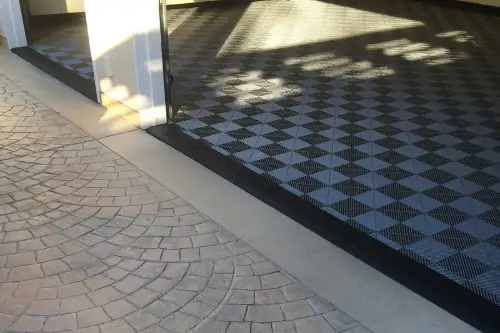
Look at the thresholds where one flooring type meets another. When transitions are clean and level rather than abrupt or patched together, it usually means renovations were planned carefully. Over decades, floors often get replaced room by room, and good transitions show those projects were done thoughtfully. It suggests the homeowner avoided quick fixes like uneven layering.
Poor transitions can indicate rushed remodeling or attempts to hide damage. A smooth threshold often means the subfloor was checked and prepared before installing new material. That extra step prevents squeaks and long-term movement. Buyers tend to read those details as evidence that upgrades were done properly rather than cheaply.
6. Windows that open and stay open
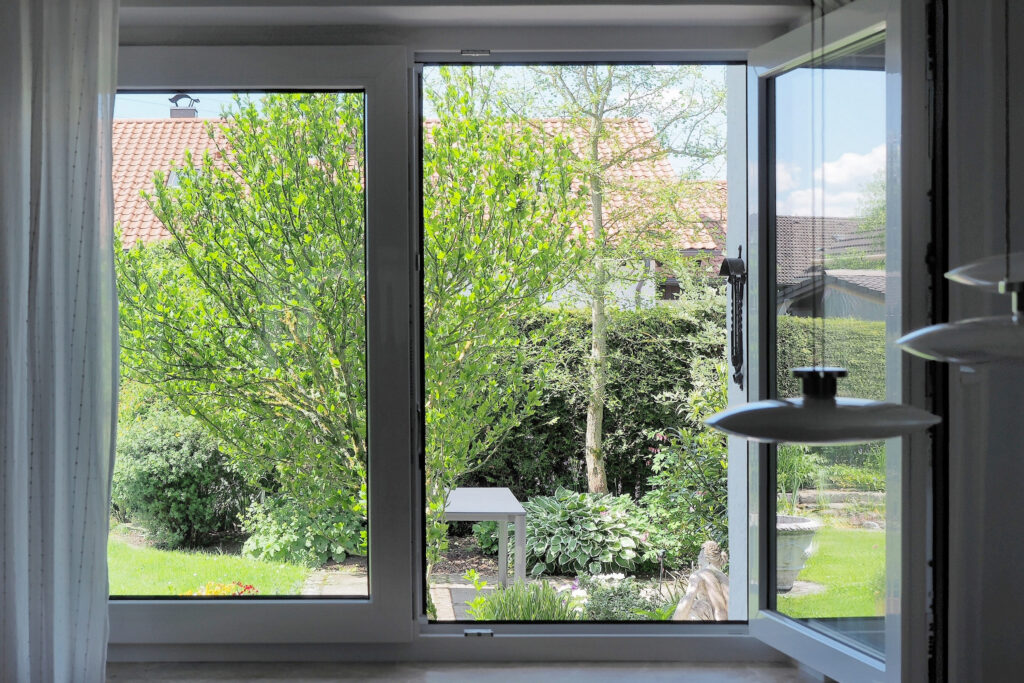
Older windows that still slide or crank open easily are a surprisingly strong signal of care. Windows accumulate dust, paint buildup, and worn hardware over time, so smooth operation means someone maintained them. Homeowners who clean tracks, lubricate parts, and occasionally repaint frames keep windows functional for decades. When they stay open without falling, the balance mechanisms are likely still in good shape.
Functional windows also suggest the home was ventilated regularly. That matters because airflow helps control moisture and prevents issues like mold or stale indoor air. A buyer who opens a few windows and finds them working properly often feels reassured about the home’s upkeep. It’s a small test that quietly reflects long-term maintenance habits.
7. An electrical panel that’s clearly labeled

A neatly labeled electrical panel is one of the most practical signals of a careful homeowner. When each breaker is clearly marked with the room or appliance it controls, it shows someone took the time to organize the system. This usually happens when homeowners update circuits or troubleshoot issues over the years. The labels create a roadmap that future owners and electricians can easily follow.
Electrical panels often become confusing when changes are made without documentation. A well-labeled panel suggests upgrades were handled methodically rather than haphazardly. It also hints that the homeowner understood the importance of electrical safety. Buyers and inspectors tend to see it as a sign that systems were managed responsibly.
8. Landscaping that looks mature but not overgrown

Outdoor spaces reveal long-term habits just as much as interiors. Mature trees, trimmed shrubs, and defined garden beds suggest ongoing care rather than a last-minute cleanup before selling. Plants that have grown in balanced shapes usually indicate regular pruning over many seasons. That kind of maintenance takes time and consistent attention.
Overgrown landscaping often hides drainage problems or neglected structures. Well-maintained yards, by contrast, allow buyers to see the home’s foundation, siding, and walkways clearly. It also suggests the homeowner monitored the property closely year after year. That regular observation often leads to earlier detection of maintenance issues.
9. Basement or crawlspace areas that feel dry and organized
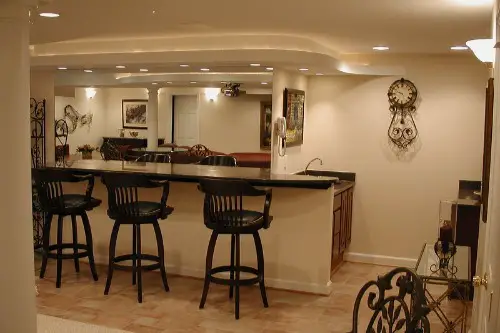
The lower levels of a house often reveal its maintenance history. A basement that smells neutral and shows no obvious moisture staining usually means water issues were managed carefully. Organized storage and clear pathways also suggest the space was used regularly instead of ignored. People tend to maintain areas they visit often.
Dry basements usually reflect good drainage, functional gutters, and attention to foundation conditions. Homeowners who monitor these spaces catch small leaks before they become major problems. Buyers often feel reassured when a basement looks orderly and dry. It signals that the home’s most vulnerable area wasn’t forgotten.
10. Gutters and downspouts that are intact and well-directed
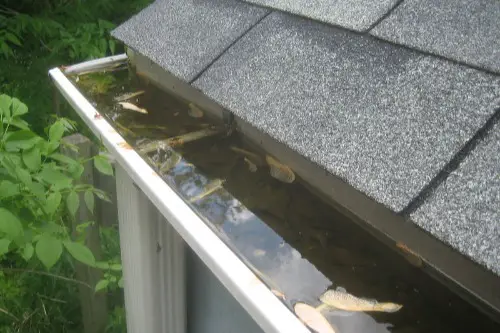
Take a moment to look at the roofline and where downspouts lead. Gutters that are securely attached and free of sagging usually indicate routine cleaning and maintenance. Downspouts that extend away from the foundation show someone paid attention to water management. Proper drainage is one of the simplest ways to protect a house long term.
Water is responsible for many structural and foundation problems in homes. A homeowner who maintains gutters helps prevent erosion, leaks, and basement moisture. Buyers often see tidy gutters as a signal that exterior maintenance wasn’t ignored. It suggests the owner understood how small systems protect the entire structure.
11. Small repairs that were handled before they became obvious

Look closely and you may notice subtle repairs that blend seamlessly into the home. Things like patched nail holes, tightened stair railings, or replaced weatherstripping show that minor issues were addressed promptly. When these fixes are done neatly, they almost disappear into the background. That kind of quiet upkeep adds up over decades.
Homes that lack these small fixes often develop bigger, more visible problems. A homeowner who handles minor maintenance regularly prevents wear from spreading. Buyers tend to feel a sense of care in houses where everything simply works as expected. It’s not one big upgrade that creates that impression, but hundreds of small ones over time.
This post The Quiet Signals That Tell Buyers a Home Was Cared For Over Decades was first published on Greenhouse Black.
