
1. Window Seats
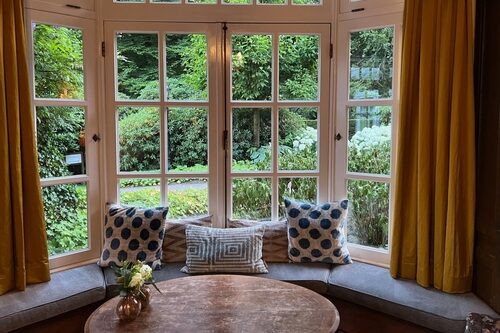
A window seat immediately sparks the imagination. People picture reading on rainy afternoons or watching snow fall through the glass. It turns an ordinary window into a small destination inside the home. That tiny bit of storytelling can make a room feel memorable.
There’s also a functional reason these stand out. Window seats are a classic built-in feature used to add seating without taking up extra floor space. They’re common in older cottages, Craftsman homes, and traditional designs. Because they’re relatively rare in newer construction, buyers often see them as charming and special.
2. A Well-Loved Front Door
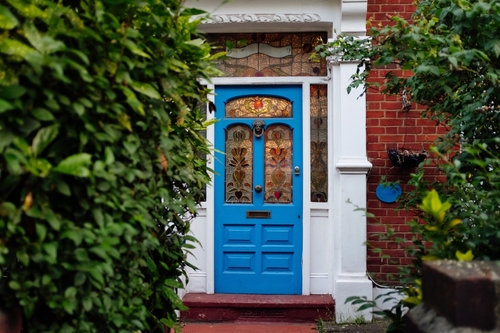
A front door that looks thoughtfully chosen or maintained instantly gives a home personality. Original wood doors, vintage hardware, or even a carefully painted color can suggest that generations of people passed through that same entrance. Buyers tend to read meaning into those small visual clues. It feels like the start of a story before they even step inside.
There’s also a practical reason this detail matters. Front doors are one of the first architectural elements people notice, so they strongly shape first impressions. When the door has character instead of looking builder-basic, it signals that the house may have been cared for over time. Buyers often assume the rest of the home might hold similar thoughtful touches.
3. Built-In Bookshelves
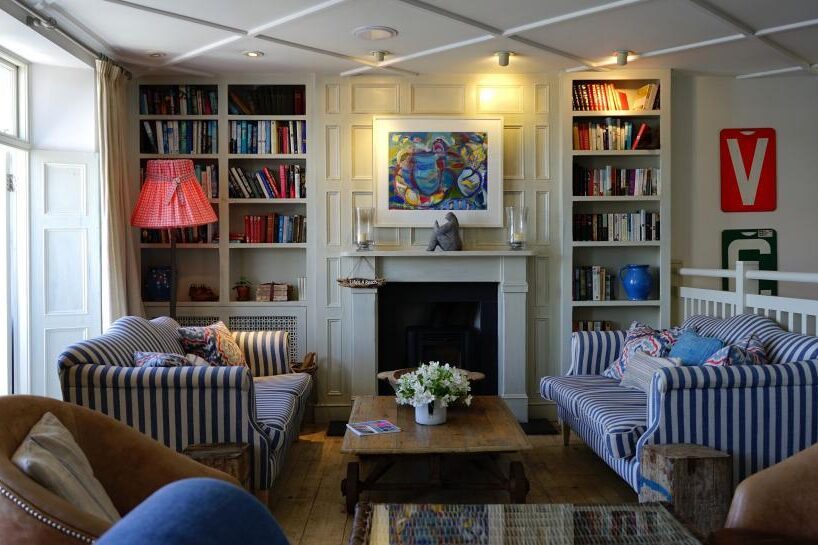
Built-in bookshelves almost always make a room feel more established. They suggest that someone once designed the space around reading, gathering, or displaying meaningful things. That sense of intention makes a home feel layered rather than temporary. Buyers can easily imagine the lives lived around those shelves.
From a design standpoint, built-ins are also a legitimate architectural feature. They’re common in older homes and custom builds because they maximize wall space while adding storage. Unlike standalone furniture, they look like they belong to the house itself. That permanence is part of what gives buyers the feeling that the home has history.
4. Original Hardwood Floors
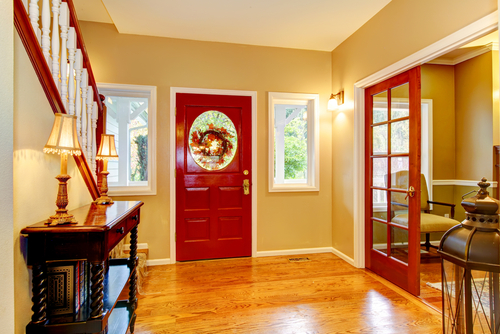
Floors that show natural variation, age, or subtle wear can make a home feel authentic. Many buyers actually prefer the look of real hardwood with some patina. It suggests the house has been lived in rather than freshly assembled. Those small imperfections often read as character instead of damage.
There’s a factual basis behind that reaction. Solid hardwood floors have been used in homes for centuries because they can be refinished multiple times. In many historic houses, the same flooring has lasted for decades or longer. Buyers often associate that durability with craftsmanship. That sense of longevity helps create the feeling of a home with a past.
5. Vintage Light Fixtures
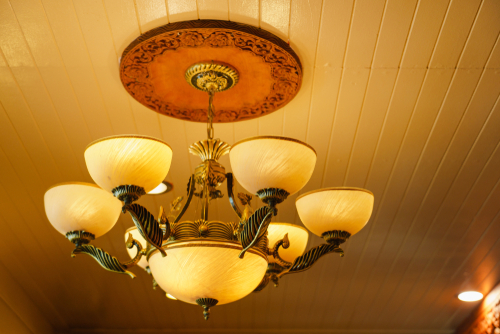
An interesting light fixture can anchor a room’s personality. Think of an old brass chandelier, a schoolhouse pendant, or a mid-century sconce. When buyers see lighting that isn’t straight from a big-box store, it hints that the home evolved over time. Those pieces can feel like artifacts from earlier chapters of the house.
Lighting is also one of the easiest features to date architecturally. Different decades favored different materials, shapes, and glass styles. Buyers may not know the exact era, but they often sense the fixture has history. That subtle time stamp contributes to the feeling that the home has a narrative.
6. Thoughtful Landscaping

Mature landscaping can make a property feel established in a way new plantings never quite do. Large trees, layered shrubs, and winding garden paths suggest years of care. Buyers often imagine the seasons unfolding in that yard. It makes the outdoor space feel like part of the home’s story.
There’s a practical reason this resonates as well. Mature trees can take decades to reach their full size, which means they literally represent time passing on the property. Landscaping that has grown naturally over years tends to look more integrated with the house. Buyers often see it as something valuable they couldn’t instantly recreate.
7. Fireplace Mantels With Character
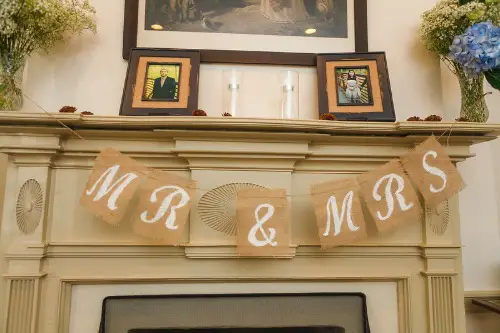
A fireplace mantel naturally becomes a focal point. When the mantel has carving, aged wood, or historic tile, it can hint at the home’s era. Buyers often imagine family gatherings, holiday decorations, or quiet evenings by the fire. That emotional picture makes the space feel lived-in.
Historically, fireplaces were the central heating source in many homes. Because of that, mantels were often designed with decorative care. Original mantels can still reflect the craftsmanship of the time when the house was built. Buyers often read that detail as proof that the home has heritage.
8. Unique Interior Doors
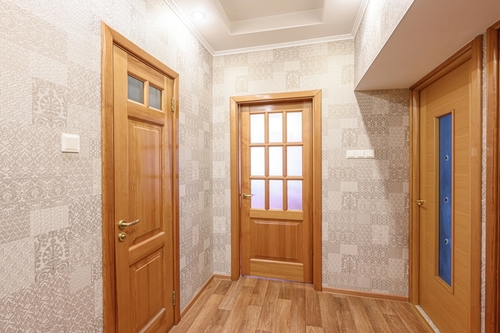
Interior doors with panels, glass inserts, or old hardware often catch buyers’ attention. These doors can quietly reveal the design language of the home’s period. Even something as simple as a crystal doorknob can feel like a small time capsule. Details like that encourage buyers to imagine the home’s past occupants.
From a construction perspective, many older homes used solid wood interior doors rather than hollow-core ones. Solid doors are heavier, more durable, and often feature distinctive panel patterns. Because they’re more expensive to produce, they’re less common in modern mass-built homes. Buyers often interpret them as a sign of quality and history.
9. A Cozy Breakfast Nook
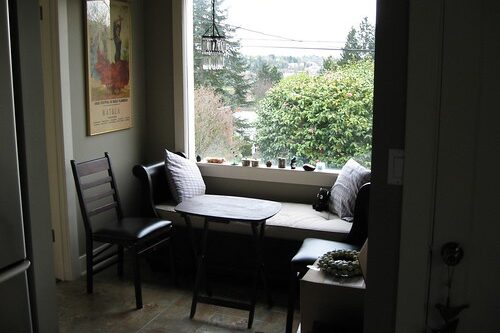
Breakfast nooks have a way of suggesting daily rituals. A small built-in table space near the kitchen feels intimate and personal. Buyers easily picture coffee, morning sunlight, and casual meals. That mental image makes the house feel warm and lived-in.
These spaces were especially popular in homes built from the 1920s through the 1950s. Architects used them to create informal dining areas separate from formal dining rooms. Because newer homes often rely on large open kitchens instead, the nook now feels nostalgic. That nostalgia can make buyers feel like the house already has stories to tell.
10. Old-Style Mail Slots or Doorbells

Tiny exterior details can have surprising emotional impact. A brass mail slot, a vintage doorbell button, or an old house number plate can hint at decades of everyday life. Buyers sometimes notice these elements subconsciously. They quietly suggest that the house existed long before the current listing.
Historically, mail slots became common in early 20th-century homes as urban mail delivery expanded. Many were built directly into front doors or walls. Vintage mechanical doorbells were also widely used before modern electronic systems. Seeing those features can make the home feel rooted in its original era.
11. Attics or Nooks With Personality
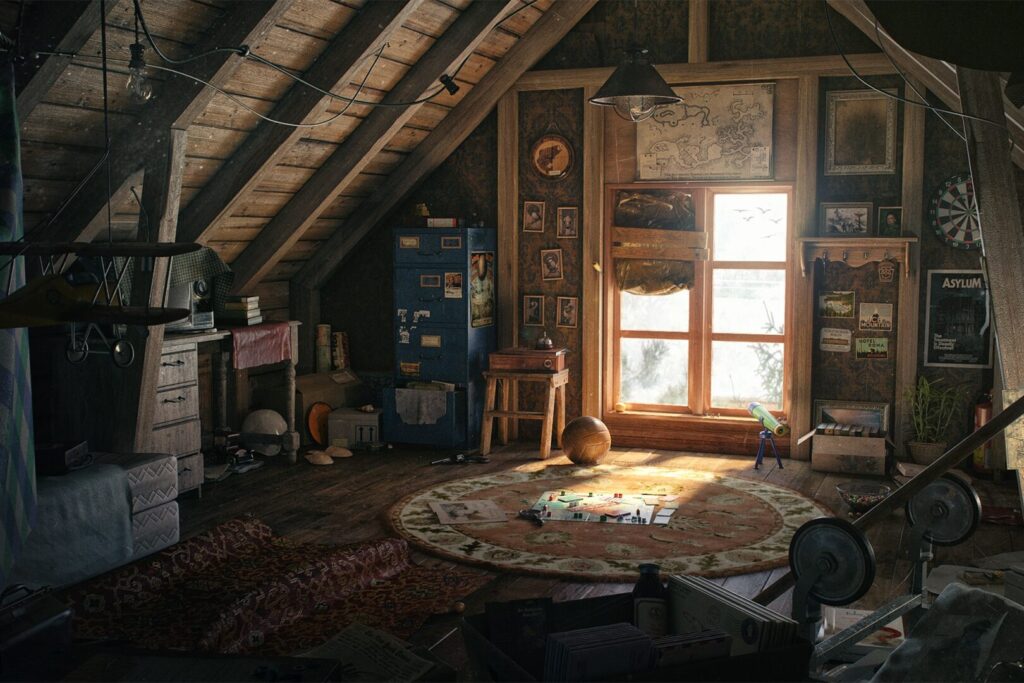
Small tucked-away spaces often spark curiosity. An attic reading corner, a tiny alcove, or a sloped-ceiling room can feel like a secret discovery. Buyers tend to imagine how those spaces were used by past residents. That sense of mystery adds emotional depth to the home.
Architecturally, these spaces often exist because of rooflines or older construction methods. Homes built before fully open floor plans frequently included small utility or storage areas. Over time, many were converted into reading nooks, offices, or playrooms. Their unusual shapes and sizes make them feel unique and memorable.
This post Home Details That Make Buyers Feel Like the House Has a Story was first published on Greenhouse Black.
