
1. Picture Rails
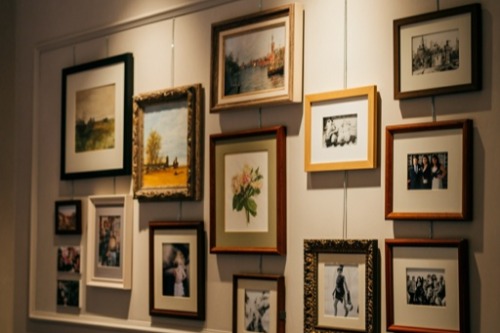
Many homes built in the late 19th and early 20th centuries include a narrow molding called a picture rail installed a foot or so below the ceiling. Its original purpose was practical: homeowners could hang artwork from wires without driving nails into plaster walls. Plaster was harder to repair than drywall, so this system saved time and damage. It also allowed art to be rearranged easily.
Beyond practicality, picture rails create a subtle horizontal line that gives walls better proportions. The rail visually separates the upper wall from the lower section, adding depth without needing elaborate trim. Designers today often recreate the look with paint or molding because it makes rooms feel more finished. It’s one of those details that adds character while serving a clear purpose.
2. Transom Windows Above Doors
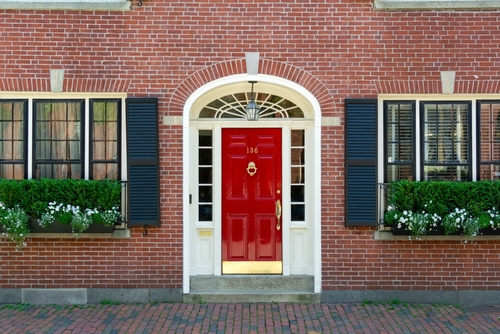
Older homes often include transom windows placed above interior or exterior doors. These small horizontal windows were especially common before air conditioning became widespread. When opened, they allow warm air to rise and move between rooms, improving natural ventilation. Even when fixed in place, they still help distribute daylight deeper into hallways.
They also add a subtle layer of architectural detail that modern construction often skips. The extra trim and glass break up tall wall spaces in a visually pleasing way. In narrow corridors or closed floor plans, the borrowed light makes the entire space feel brighter. It’s a small feature that quietly improves both comfort and atmosphere.
3. Built-In Cabinetry
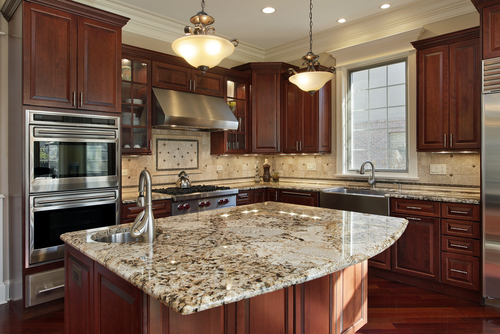
Built-ins like bookcases, window seats, and dining hutches are a hallmark of many early 20th-century homes. These features were especially common in Craftsman and bungalow-style houses. Instead of buying separate furniture, homeowners had storage integrated directly into the architecture. This made small homes more efficient and reduced clutter.
The result is a room that feels intentional rather than pieced together. Built-ins follow the proportions of the room and match the home’s woodwork. They also maximize awkward spaces, such as alcoves or areas under windows. Because they’re designed for the house itself, they create a sense that every inch was carefully considered.
4. Thick Baseboards and Trim
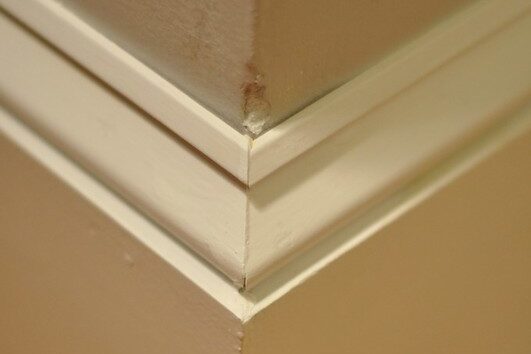
One thing people often notice in older houses is the size of the baseboards and door casings. Instead of thin, minimal trim, these homes typically use wide, layered moldings. Historically, this was partly a result of craftsmanship traditions and partly a way to protect walls from wear. The larger trim pieces also helped conceal gaps where plaster met the floor.
Visually, thicker trim frames a room like a picture. It creates strong lines that guide the eye around doors, windows, and floors. This makes the space feel more grounded and complete. Even simple rooms feel richer because the architecture provides built-in decoration.
5. Solid Wood Doors
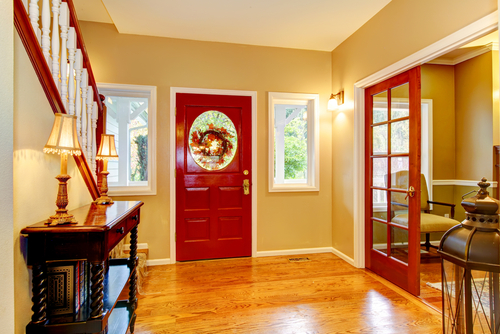
Older homes frequently feature solid wood interior doors instead of hollow-core ones. These doors are heavier and thicker because they’re made from real lumber or solid panels. Originally, this construction helped with durability and sound insulation. A solid door can last for decades with minimal maintenance.
The weight and craftsmanship also contribute to the sensory experience of a house. The deeper sound when the door closes and the carved panels give rooms a sense of substance. Visually, the panel patterns add shadow and depth. It’s a detail that quietly communicates quality.
6. Divided-Light Windows
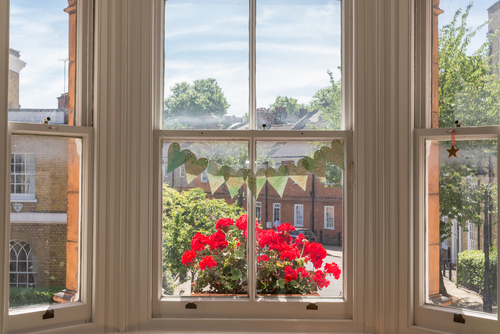
Many historic houses use windows with multiple small panes separated by muntins. This design dates back to times when large sheets of glass were difficult and expensive to produce. Builders assembled many smaller panes to create a larger window opening. As glass manufacturing improved, the style remained popular for its charm.
These windows create visual texture both inside and outside the house. Sunlight filtering through multiple panes produces softer patterns of light. From the street, the grid gives the façade rhythm and scale. It’s a detail that blends historical necessity with enduring aesthetics.
7. Pocket Doors
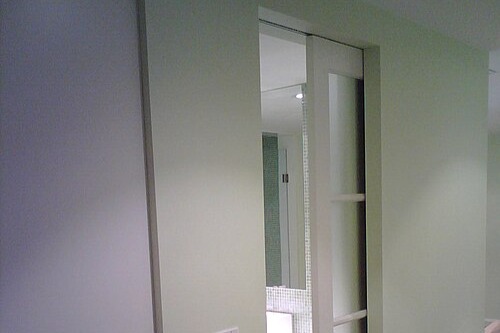
Pocket doors are sliding doors that disappear into a cavity inside the wall. They were commonly used in late Victorian and early 20th-century homes. The design allowed homeowners to separate rooms when needed without sacrificing floor space. This was especially helpful in houses with formal parlors and dining rooms.
When open, pocket doors make adjoining rooms feel connected and spacious. When closed, they provide privacy and reduce noise between spaces. The mechanism is simple but clever, relying on tracks hidden in the wall. It’s a thoughtful solution that balances openness and flexibility.
8. Window Seats
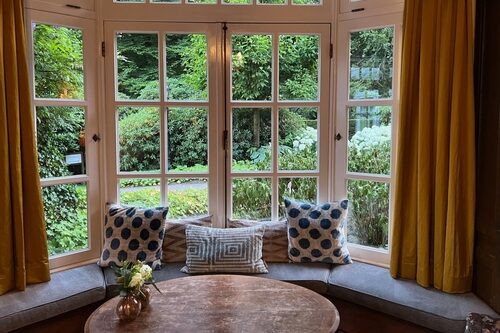
Window seats appear frequently in older homes, especially in bay or dormer windows. These built-in benches take advantage of areas that might otherwise be awkward to furnish. They often include hidden storage beneath the seat. In smaller houses, this added valuable space for blankets, books, or seasonal items.
Beyond practicality, window seats create cozy places to pause. They invite people to sit near natural light and look outside. Architecturally, they also emphasize the window as a focal point in the room. The result is a space that feels both functional and welcoming.
9. Radiator Covers and Grilles
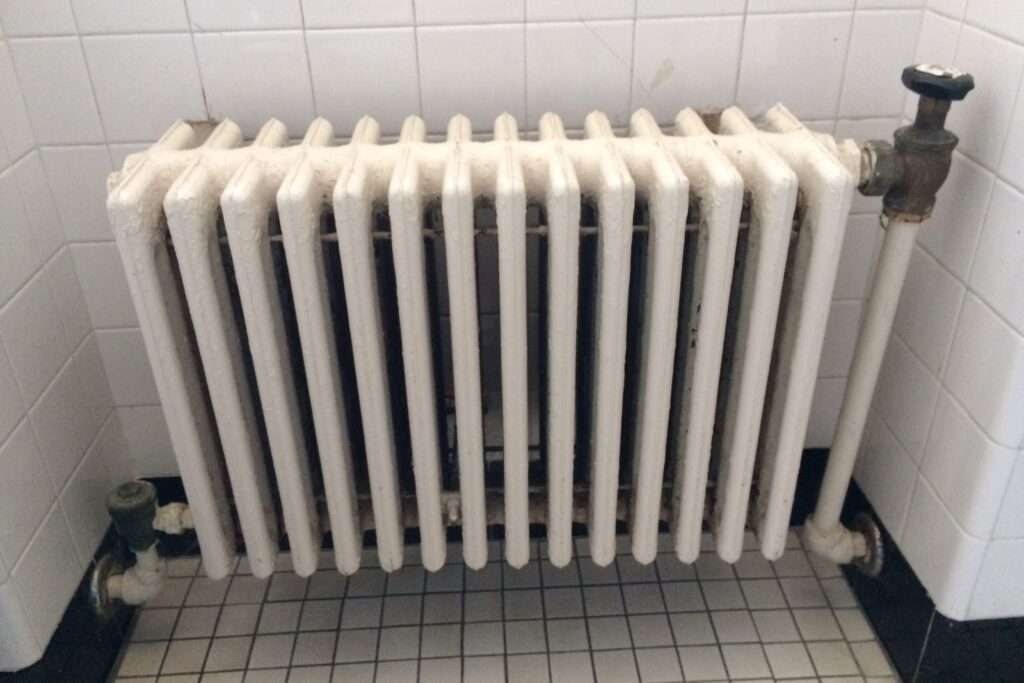
In homes built during the era of steam or hot-water heating, radiators were often integrated thoughtfully into the design. Many houses used decorative metal grilles or wooden covers to conceal the heating units. These covers allowed warm air to circulate while softening the industrial look of the radiator. Some were built into cabinetry or window ledges.
The covers also created useful surfaces in rooms that needed them. A wide radiator cover could double as a shelf, bench, or display area. Designers often added patterned metal screens for visual interest. It’s a small example of how functional systems were blended into the architecture.
10. Butler’s Pantries
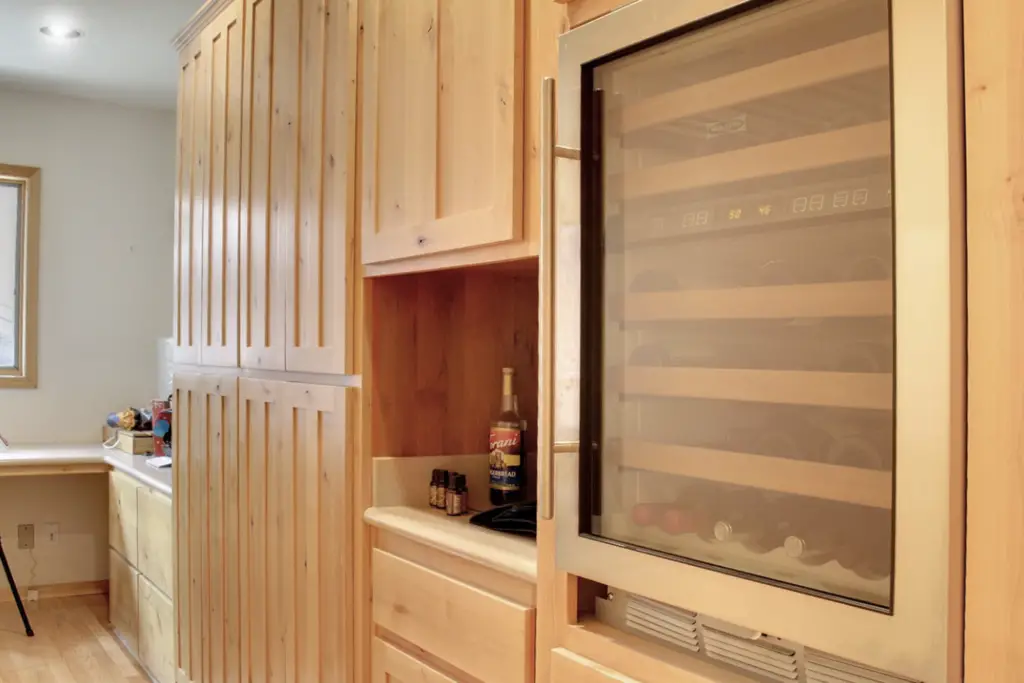
Between kitchens and dining rooms, many older homes include a small transitional space known as a butler’s pantry. Historically, it was used for storing dishes, silver, and serving pieces. It also gave hosts a place to stage meals before bringing them into the dining room. This helped keep the main kitchen mess out of sight during formal meals.
The layout creates a practical workflow that still makes sense today. Extra cabinets, counters, and sometimes a small sink add valuable storage. The space acts like a buffer between cooking and entertaining areas. Even in modern renovations, people often recreate this concept because it’s so useful.
11. Staircase Newel Posts
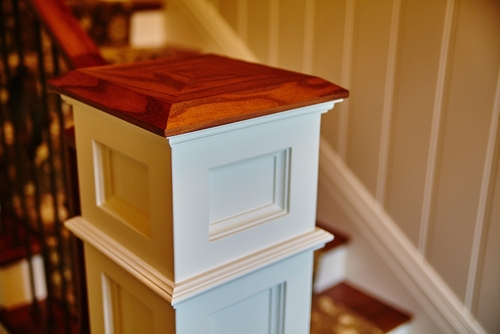
At the base of many traditional staircases sits a substantial vertical post called a newel. This structural element anchors the handrail and balustrade. In older homes, newel posts were often carved or shaped as decorative features. They signaled craftsmanship in an area everyone passed through.
These posts also give staircases a clear visual starting point. The extra mass makes the staircase feel sturdy and grounded. Many newels include details like turned wood or paneling that echo the home’s trim. It’s a small but prominent feature that adds personality to an everyday transition space.
12. Plaster Walls with Subtle Texture
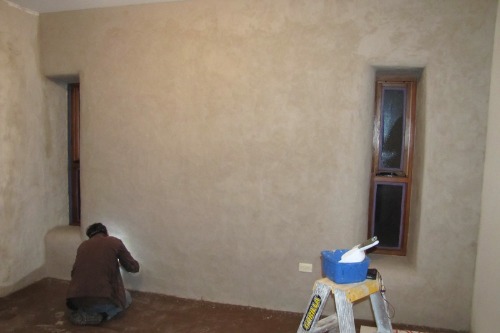
Before drywall became standard after World War II, most homes used plaster walls applied over wood or metal lath. This method created thicker walls with a slightly uneven, hand-applied surface. Skilled plasterers could create finishes ranging from smooth to lightly textured. The process took more time but produced durable results.
The subtle texture catches light differently than perfectly flat drywall. This gives walls a soft depth that changes throughout the day. Thicker plaster also helps dampen sound between rooms. It’s an understated feature that contributes to the calm, solid feeling many people notice in older homes.
This post Small Details That Make Older Houses Feel Thoughtfully Designed was first published on Greenhouse Black.
