
1. Incandescent Light Bulbs
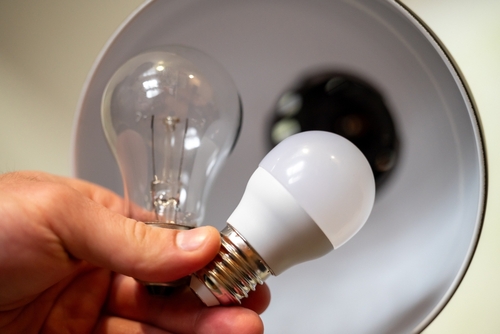
For more than a century, the classic incandescent light bulb was the standard in homes around the world. Then energy-efficiency regulations in many countries pushed manufacturers to switch production toward LEDs and compact fluorescents. As factories retooled and older assembly lines shut down, the familiar bulbs became harder to find in regular stores. You can still buy some specialty versions today, but the everyday 40-, 60-, and 100-watt bulbs people grew up with largely disappeared once large-scale manufacturing shifted.
The change happened surprisingly fast in the early 2010s. Companies realized it didn’t make financial sense to maintain old production lines when regulations and demand both favored newer technology. That meant fewer factories making them and fewer shipments to retailers. If you still prefer that warm glow, you’ve probably noticed they’re now mostly sold as specialty or “vintage” bulbs.
2. Borosilicate Pyrex Bakeware
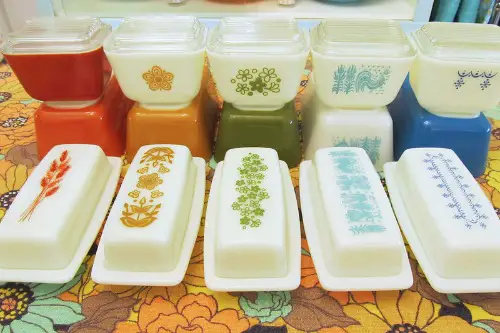
Older Pyrex baking dishes were made from borosilicate glass, a material known for handling extreme temperature changes. In the late 1990s, U.S. manufacturing shifted to soda-lime glass, which is cheaper and easier to produce at scale. Once factories changed processes, the original borosilicate versions stopped being widely made in the United States. That’s why vintage Pyrex pieces from earlier decades are now so sought after.
The manufacturing switch didn’t mean modern Pyrex is unusable, but it behaves differently under sudden temperature shifts. Because the old formula is no longer the standard in U.S. production, those older dishes became effectively scarce. Collectors and cooks often hunt for them in thrift stores or estate sales. Ironically, something that used to be ordinary kitchenware has become a prized find.
3. Metal Ice Cube Trays with Levers
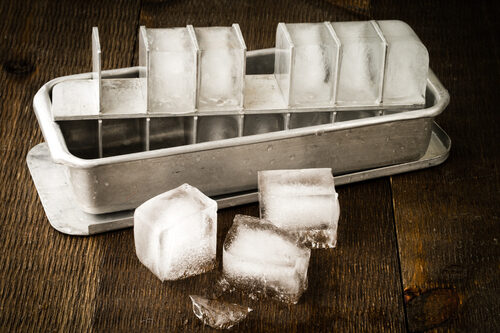
Before flexible silicone trays existed, many households used sturdy aluminum ice cube trays with a little lever. Pulling the lever cracked the ice loose so the cubes could pop right out. When plastic manufacturing became cheaper and mass-produced refrigerators started including automatic ice makers, metal tray production faded away. Factories simply stopped making them in large quantities.
Because of that shift, these trays became an odd kind of kitchen relic. They’re durable and still work beautifully, but they’re not widely manufactured anymore. Most people who want one today end up buying vintage or secondhand versions. It’s a small example of how convenience technology quietly changed everyday manufacturing.
4. Glass Milk Bottles

There was a time when milk routinely arrived at homes in thick glass bottles. Dairies collected the empties, sterilized them, and reused them many times. When plastic packaging and large-scale industrial bottling took over in the late 20th century, the entire manufacturing and distribution system changed. Glass bottle production for everyday milk delivery dropped sharply.
The shift made sense economically because plastic is lighter and cheaper to transport. But it also meant those sturdy reusable bottles became uncommon in most places. Today they’re mostly associated with niche dairy deliveries or nostalgic brands. What used to be a standard household item is now something many younger people have never seen in regular use.
5. VHS Players

VHS players were once the centerpiece of living room entertainment. When DVD technology took over in the late 1990s and early 2000s, manufacturers gradually converted factories to produce newer formats. By the mid-2010s, the last major manufacturer stopped making VHS players altogether. Once the assembly lines shut down, new units quickly became scarce.
That’s why people with old VHS tape collections often hunt for used machines today. There’s still plenty of demand from archivists and nostalgic movie fans, but no new mass production. Manufacturing simply moved on to digital media and streaming hardware. It’s a classic case of technology making a once-common device vanish from store shelves.
6. CRT Televisions
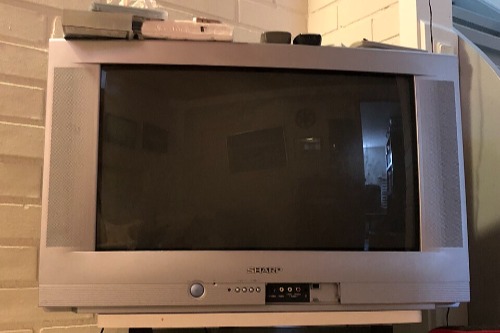
Cathode ray tube televisions dominated homes for decades before flat screens arrived. When LCD and plasma screens became commercially viable, electronics manufacturers rapidly retooled factories to produce thinner displays. CRT production required bulky glass tubes and specialized facilities, which quickly became outdated. By the late 2000s, most companies had completely stopped making them.
That sudden shift left CRT TVs surprisingly scarce despite how common they once were. Retro gamers and collectors now search for them because older consoles often look better on CRT screens. Since the manufacturing infrastructure is gone, there’s no practical way to restart mass production. What used to be the standard television is now basically a vintage item.
7. Rotary Dial Telephones

Rotary phones were once a fixture in kitchens and living rooms. As electronic touch-tone dialing became standard in the 1970s and 1980s, manufacturers gradually stopped producing the complex rotary mechanisms. Digital telecom equipment made the older design unnecessary. Eventually, factories stopped building them altogether.
That manufacturing shift turned rotary phones into collectors’ pieces. While they were once everywhere, finding a newly made one today is rare. Most you see now are refurbished originals from decades ago. The iconic spinning dial survives mostly for nostalgia.
8. 35mm Point-and-Shoot Film Cameras

In the 1990s, inexpensive 35mm point-and-shoot cameras were everywhere. When digital photography exploded in the early 2000s, camera companies shifted their manufacturing lines almost entirely to digital sensors and electronics. Production of simple film cameras dropped sharply as demand collapsed. Many factories simply closed or converted to digital models.
That shift made these once-cheap cameras unexpectedly scarce years later. Film photography has had a resurgence, but the old manufacturing capacity no longer exists at the same scale. As a result, most people buy used models from the 1990s or early 2000s. Something that was once sold in every pharmacy and supermarket is now a niche hobby tool.
9. Solid Hardwood Furniture
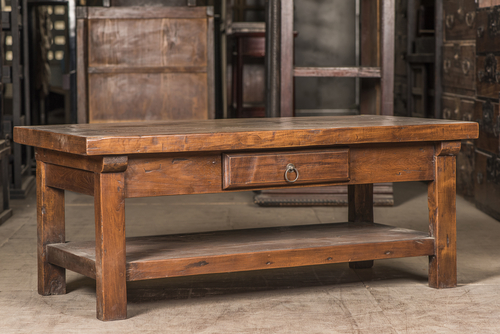
Decades ago, much household furniture was made from solid hardwood. As global manufacturing shifted toward lower costs and faster production, many companies moved to engineered wood, particleboard, or MDF. These materials are easier to mass-produce and ship in flat-pack designs. Large factories reorganized around these cheaper methods.
That means truly solid wood furniture became less common in everyday retail stores. It’s still produced, but usually at higher price points or by specialty manufacturers. Many people notice the difference when comparing vintage furniture to newer pieces. The manufacturing shift changed not just availability, but the overall feel of household furnishings.
10. Mechanical Wind-Up Alarm Clocks

Before smartphones and digital clocks, many households used mechanical alarm clocks that you wound each night. These clocks relied on small gears, springs, and precise mechanical assembly. As cheap quartz movements and digital displays took over, manufacturers stopped producing most of those intricate mechanical mechanisms. The industry moved toward electronics instead.
Because of that transition, traditional wind-up alarm clocks became much less common. They still exist, but mainly through specialty brands or vintage markets. Many of the factories that once produced mechanical movements either closed or changed to electronic production. A once-ordinary bedside item quietly faded away.
11. Manual Typewriters

Manual typewriters were once essential tools in homes, schools, and offices. When electric typewriters and then personal computers took over, manufacturers rapidly shifted production to electronic devices. The complex mechanical factories that built manual machines were gradually shut down. By the early 21st century, large-scale production had mostly ended.
That manufacturing shift turned manual typewriters into nostalgic objects. Writers and collectors still value them, but most available machines today are decades old. New models exist only in very limited production. What used to be a common household writing tool is now closer to a vintage collectible.
This post Household Items That Became Scarce When Manufacturing Changed was first published on Greenhouse Black.
