
1. Old Cookbooks
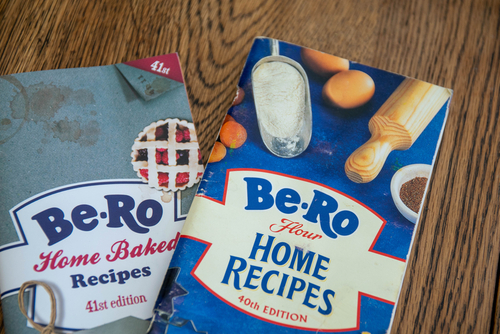
Many households accumulated cookbooks over the years without thinking much about them. They were often passed down from relatives or purchased to try new recipes. Some ended up stuffed into kitchen drawers or shelves, stained from years of cooking. Most people viewed them as practical tools rather than collectibles.
Today, certain vintage cookbooks attract collectors and food historians. Books like The Joy of Cooking have gone through many editions, and earlier printings can reveal how recipes and cooking habits evolved. Community cookbooks from churches or local groups are also valued because they document regional food traditions. What once sat quietly on a kitchen shelf can now provide a fascinating glimpse into culinary history.
2. Old Lunchboxes
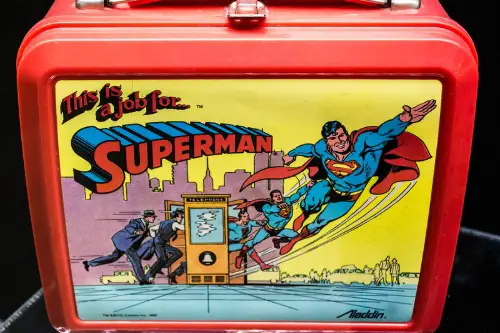
In the 1950s through the 1980s, metal lunchboxes were a standard part of a kid’s school day. They featured colorful graphics from popular TV shows, cartoons, and movies, and many were produced by companies like Thermos. At the time, they were treated like any other school supply—used daily, tossed around, and eventually replaced. Parents rarely imagined anyone would want them decades later.
Collectors now value lunchboxes because they capture specific moments in pop culture history. Designs featuring characters like Superman or shows like The Six Million Dollar Man can command surprisingly high prices. Condition matters a lot, especially whether the original thermos is still inside. These once-ordinary lunch carriers are now considered nostalgic artifacts of childhood.
3. Vinyl Records
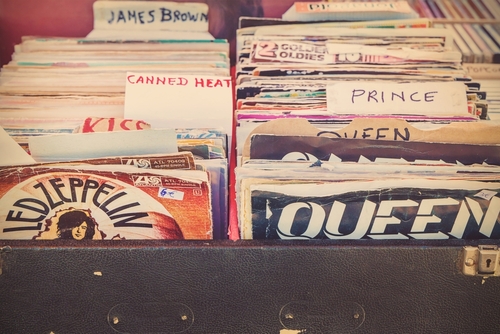
For much of the 20th century, vinyl albums were simply the standard format for listening to music. Households stacked them on shelves or in crates, often accumulating hundreds over time. When CDs became dominant in the late 1980s and 1990s, many people gave away or discarded their records without hesitation. It seemed like outdated technology.
Now vinyl has experienced a major revival among collectors and music fans. First pressings, limited releases, and albums by artists like The Beatles or David Bowie can be worth significant money. Collectors also care about details like sleeve condition, original inserts, and pressing location. What was once shoved into a basement box might now be a prized piece of music history.
4. Vintage Cameras
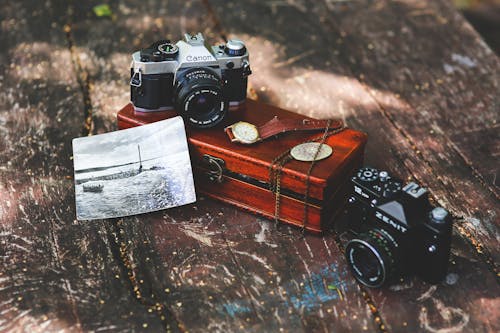
Film cameras used to be household staples, especially during the mid-20th century. Many families owned simple models from brands like Kodak or Polaroid for vacations and holidays. When digital photography took over in the late 1990s and early 2000s, countless cameras were packed away in drawers or closets. Most people assumed they were obsolete.
Collectors and photography enthusiasts now seek out these cameras again. Some want them for the mechanical craftsmanship, while others use them to shoot film for a distinct aesthetic. Instant cameras like the classic Polaroid SX‑70 are especially popular because they combine clever engineering with iconic design. What used to be everyday tech is now appreciated as both a tool and a collectible.
5. Old Comic Books
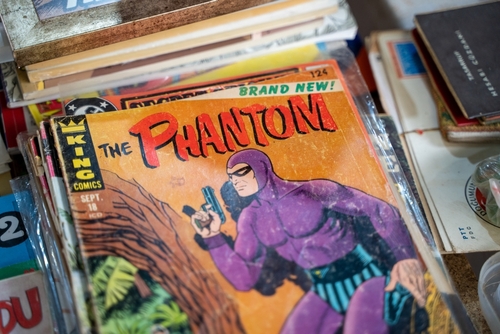
For decades, comic books were inexpensive entertainment for kids. They were sold at newsstands, drugstores, and grocery stores, often for just a few cents. Many readers folded them, traded them, or threw them away after reading. Very few people stored them carefully in the early years.
Today, vintage issues featuring characters like Spider‑Man or Batman are serious collectibles. Key issues—like first appearances or early printings—can be worth thousands depending on condition. Even less famous comics can have value if they’re rare or historically significant. The casual reading material of the 1950s through 1970s has become a cornerstone of pop culture collecting.
6. Vintage Tupperware
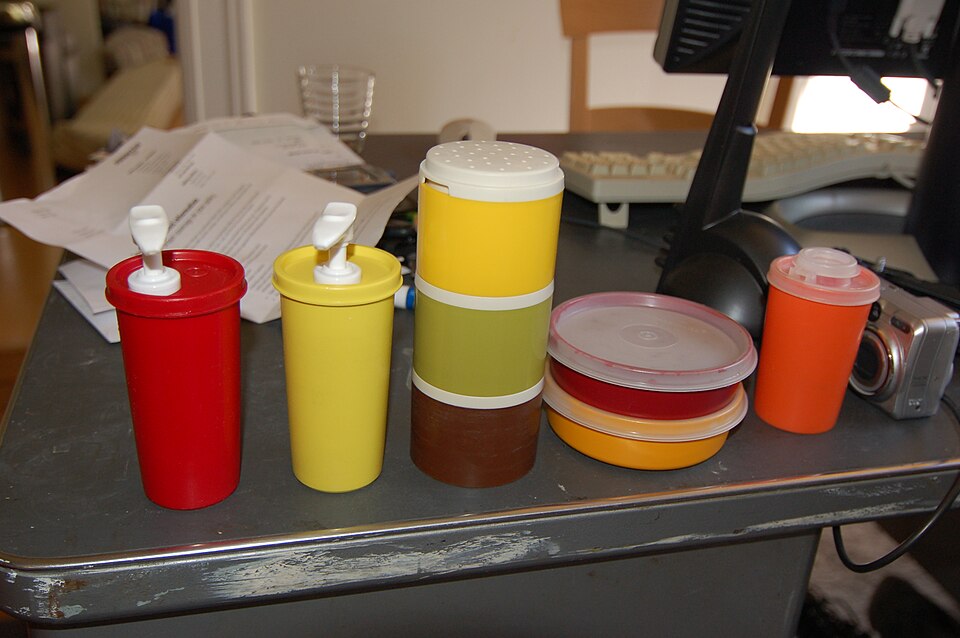
Mid-century kitchens were full of colorful plastic containers made by Tupperware. They were designed to be practical, durable, and affordable, which made them extremely common in homes across the United States and beyond. Many people bought them at the famous in-home “Tupperware parties” that became a cultural phenomenon in the 1950s and 1960s. At the time, they were simply handy storage containers.
Collectors now look for early designs and discontinued colors. Bowls in pastel shades like aqua, pink, or harvest gold often attract particular interest. Some people collect them for nostalgia, while others appreciate the mid-century industrial design. Even a simple plastic container can represent a very specific moment in domestic history.
7. Vintage Board Games
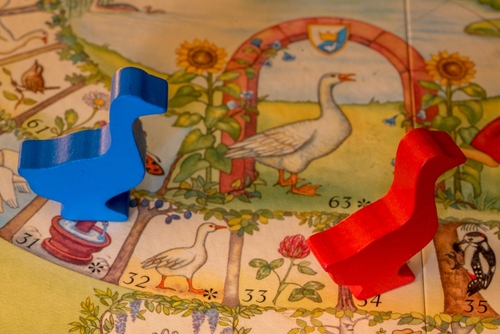
Board games have been a family staple for generations. Titles produced by companies like Parker Brothers were once played so often that pieces were lost and boxes were worn out. Families typically stored them in closets or basements with little thought about long-term value. They were meant to be played, not preserved.
Collectors today seek early editions of games such as Monopoly or Clue. The appeal often comes from vintage artwork, unique board designs, and historical packaging. Complete sets with original pieces and instructions are especially valuable. These games capture the look and feel of family entertainment from earlier decades.
8. Old Advertising Tins
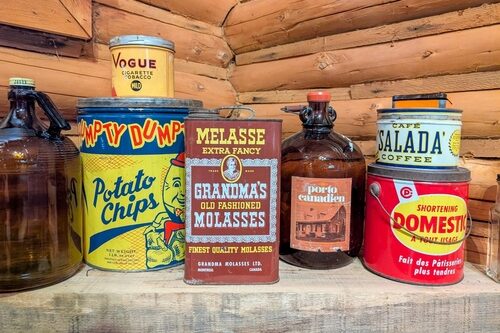
In the early 20th century, companies frequently sold food and household goods in decorative metal tins. Brands like Nabisco and Hershey’s produced containers with colorful logos and illustrations. After the contents were gone, many families reused the tins for buttons, sewing supplies, or small household items. They were practical containers, not collectibles.
Today, advertising tins are valued for their graphic design and historical branding. Collectors appreciate the typography, color schemes, and artwork from different eras. Some tins are rare because the packaging design changed frequently. What was once just a cookie container can now be a small piece of advertising history.
9. Vintage Postcards
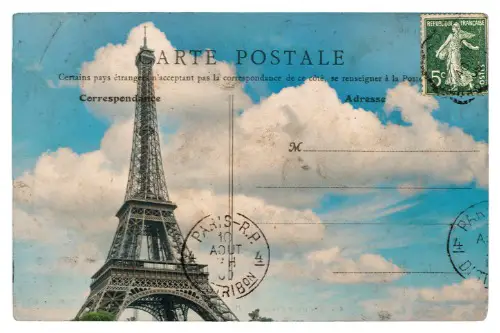
Postcards were once one of the easiest ways to send quick travel messages. Tourists bought them at souvenir shops and mailed them home with short notes about their trip. Many recipients simply tossed them in drawers or boxes. They were cheap, casual forms of communication.
Collectors now study postcards for their historical images and printing styles. Early 20th-century cards often show city landmarks, resorts, or street scenes that look very different today. Some are prized because they capture places that have since changed or disappeared. A simple vacation postcard can double as a snapshot of everyday life from another era.
10. Old Soda Bottles
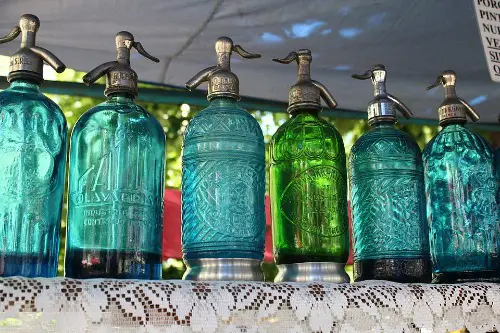
Glass soda bottles were once returned, reused, or stored casually around the house. Many people kept them in garages or basements without giving them a second thought. Bottles from companies like Coca‑Cola and Pepsi were especially common. Their shapes and logos changed frequently over the years.
Collectors now seek bottles with unusual shapes, embossed lettering, or short-lived designs. Some are tied to specific cities or bottling plants, which makes them regionally rare. The iconic contour bottle used by Coca‑Cola in particular has become a recognizable design collectible. What once held a soft drink can now tell a story about branding and manufacturing history.
11. Vintage Christmas Ornaments
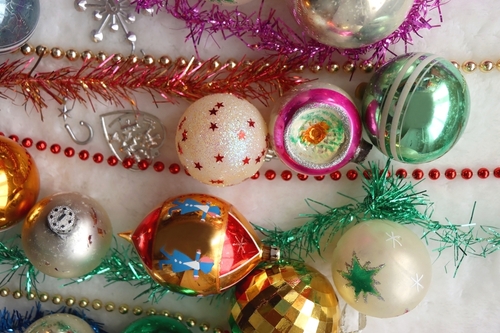
Holiday decorations were usually treated as seasonal items rather than collectibles. Families packed them into boxes each January and brought them out again the following December. Glass ornaments were especially common during the mid-20th century. If they broke, people simply replaced them.
Collectors today search for mid-century ornaments from brands like Shiny Brite. These decorations often feature bright colors, hand-painted designs, and distinctive shapes like teardrops or reflectors. Because many broke over the years, surviving examples can be surprisingly desirable. They represent both vintage craftsmanship and holiday nostalgia.
12. Vintage Pyrex Mixing Bowls
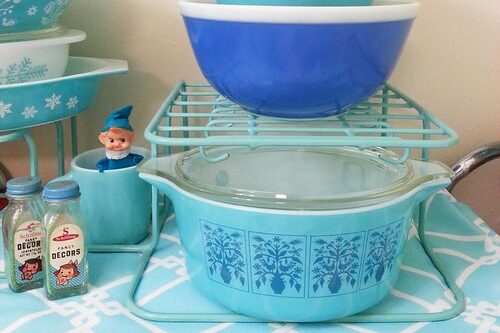
For decades, colorful glass mixing bowls from Pyrex were simply everyday kitchen gear. People stacked them in cabinets, used them for batter or leftovers, and rarely thought twice about them. Many families received them as wedding gifts or bought them cheaply at department stores. Because they were so common, plenty of households kept them around without considering them special.
Today, collectors actively hunt for specific mid-century patterns like “Gooseberry,” “Butterprint,” and “Snowflake.” These bowls were made primarily from the 1940s through the 1970s and feature distinctive pastel colors and screen-printed designs that reflect mid-century kitchen style. Certain sets can sell for hundreds of dollars, especially if the colors remain bright and the pattern hasn’t worn off. What used to be a basic mixing bowl is now a piece of vintage design history.
This post 12 Items People Once Stored Without Thinking That Now Interest Collectors was first published on Greenhouse Black.
