
1. Vintage Postcards
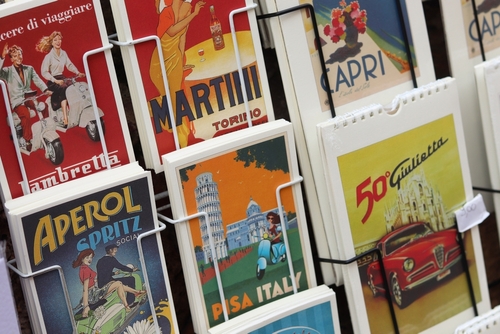
Old postcards frequently sit in boxes labeled “25 cents each,” but some are much more valuable than that. Cards from the early 1900s, especially those with unique imagery or historical scenes, can attract collectors. Real photo postcards, which are actual photographic prints rather than printed designs, are particularly sought after. The subject matter often determines value.
Location and historical relevance can raise the price significantly. Postcards showing rare buildings, early aviation, or small-town history may interest niche collectors. Even the publisher and printing method can affect value. Sellers who treat them all the same often overlook the ones collectors most want.
2. Cast Iron Cookware
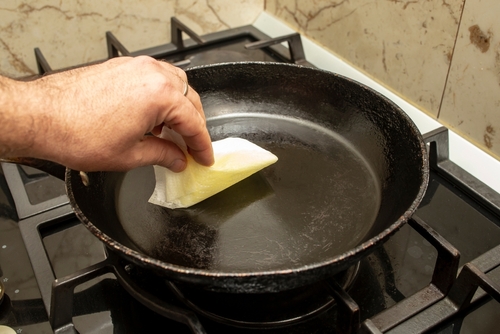
Old cast iron pans are regularly underpriced because many sellers see them as rusty or outdated cookware. In reality, vintage pieces from companies like Griswold or Wagner are prized for their smooth cooking surfaces and excellent heat retention. Even when they look rough, cast iron can often be restored with proper cleaning and seasoning. That means what appears to be a junk pan could actually be a desirable collectible.
Size and markings are the biggest clues to value. Pans with clearly stamped logos or unusual sizes can bring significantly higher prices. Older pieces made before the mid-20th century were often cast and finished more carefully than modern versions. Sellers who price them like generic kitchen tools may not realize collectors are specifically searching for those older brands.
3. Vinyl Records
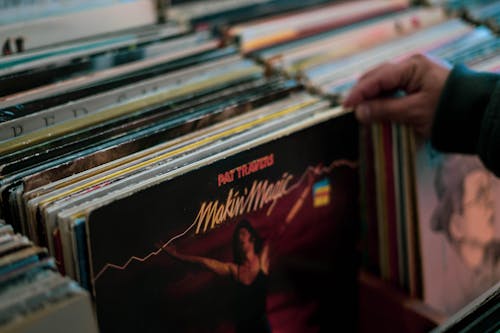
Many flea market vendors either wildly overprice records or drastically underprice them. Some assume any old vinyl record is valuable simply because it’s old. In reality, most common albums from the 1970s and 1980s are plentiful and only worth a few dollars. But rare pressings, early releases, or records in excellent condition can be much more valuable.
The key factor is the pressing and condition of both the record and sleeve. First pressings or limited editions from certain artists can attract serious collectors. Records with minimal scratches and original inserts tend to sell for more. Sellers who price everything the same often let valuable pressings slip away cheaply.
4. Costume Jewelry
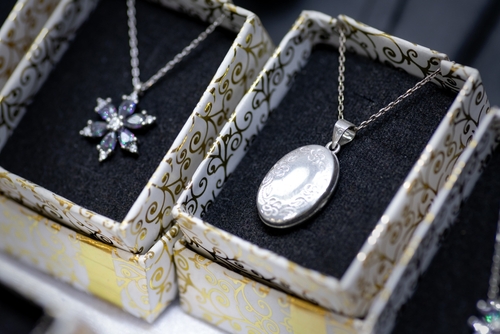
Costume jewelry frequently gets tossed into mixed bins with a low price tag. Sellers often assume that because it isn’t gold or silver, it isn’t worth much. However, vintage costume jewelry from designers like Trifari, Weiss, or Coro can have strong collector demand. Unique designs from the 1940s through the 1960s can sell for far more than modern costume pieces.
Hallmarks and craftsmanship are the details buyers look for. Well-made pieces often feature intricate metalwork, high-quality rhinestones, and durable clasps. Even without precious metals, these pieces can hold significant value because of their design history. Sellers who treat them as simple fashion accessories often miss that collector market.
5. Old Hand Tools
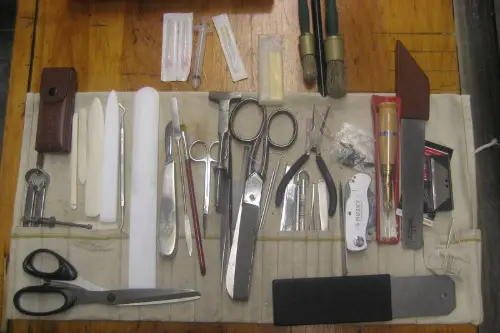
Vintage hand tools are another category that gets mispriced all the time. Sellers sometimes view them as outdated compared with modern power tools. But collectors and woodworkers often seek older tools because they were built with thicker steel and durable hardwood handles. Tools from brands like Stanley or Disston can be especially desirable.
The age and manufacturing style can affect value quite a bit. Older hand planes, saws, and chisels were often made with higher-quality materials and craftsmanship. Even tools that look worn can be restored and put back to use. Sellers who price them like basic garage leftovers may not realize skilled buyers are actively searching for them.
6. First Edition Books
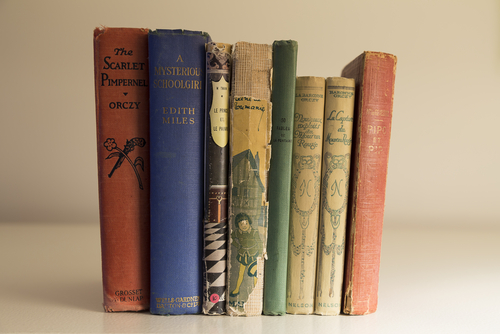
Books are tricky at flea markets because most are indeed worth very little. However, genuine first editions from notable authors can be valuable if they’re identified correctly. Sellers sometimes overlook the small details that distinguish first printings from later ones. That means a potentially collectible book might get priced like any used paperback.
Dust jackets and condition dramatically influence value. A first edition with its original jacket can be worth far more than the same book without it. Small details like publisher markings and printing numbers determine whether it’s truly a first edition. Sellers who don’t check those details may price a collectible book at just a few dollars.
7. Mid-Century Modern Furniture
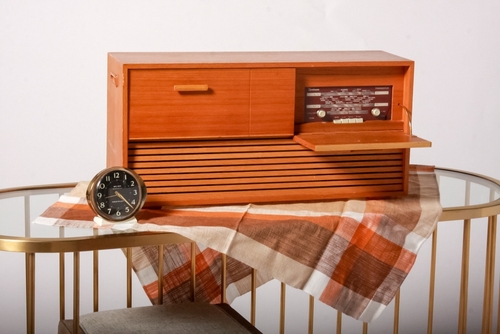
Furniture from the 1950s and 1960s is often misunderstood at flea markets. Sellers sometimes think these pieces are just old, plain furniture rather than examples of mid-century modern design. Clean lines, tapered legs, and minimalist styling are actually hallmarks of a popular design movement. That style is still highly sought after for modern interiors.
Brand names and materials can dramatically change the value. Furniture made from teak or walnut, especially by known designers, can attract strong interest. Even unbranded pieces can sell well if they represent the classic mid-century aesthetic. Sellers who price them like ordinary used furniture may miss that design enthusiasts are hunting for them.
8. Uranium Glass
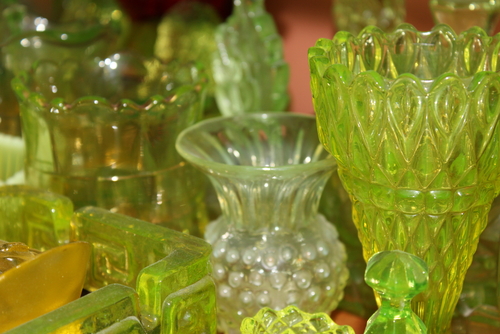
Uranium glass often looks like ordinary green glassware to the untrained eye. Sellers may price it cheaply because they don’t realize it contains small amounts of uranium that make it glow under ultraviolet light. This glow effect has made the glass collectible among antique enthusiasts. Many pieces were produced between the late 1800s and the mid-20th century.
Collectors usually check for that distinctive glow with a small UV flashlight. Bowls, plates, and decorative items made with uranium glass can command higher prices depending on rarity and pattern. Despite the name, the glass is generally considered safe because the uranium content is extremely low. Sellers unfamiliar with the category often price it as regular vintage glass.
9. Vintage Pyrex Bowls
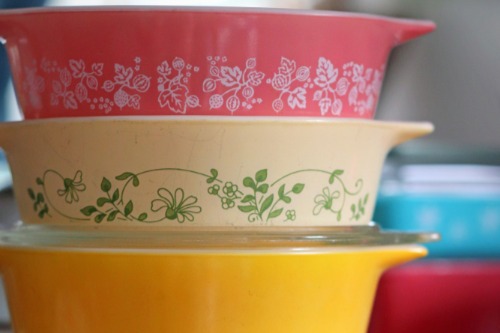
Many flea market sellers assume all old kitchenware is basically the same, so they often price vintage Pyrex bowls far below their collector value. Certain mid-century patterns like Butterprint, Gooseberry, or Pink Daisy can sell for far more than plain glass mixing bowls. Condition matters a lot, especially when the color and pattern remain vibrant and the bowl has no chips or dishwasher fading. Sellers who lump these in with ordinary used kitchenware often miss that collectors actively hunt for specific sets.
Another pricing mistake happens when sellers break up nesting sets. A full stack of matching bowls is usually worth significantly more than the individual pieces sold separately. Collectors prefer complete sets because they were originally sold that way in the 1950s and 1960s. When sellers price each bowl as random glassware, buyers who know what they’re looking at can score serious deals.
10. Military Surplus Items
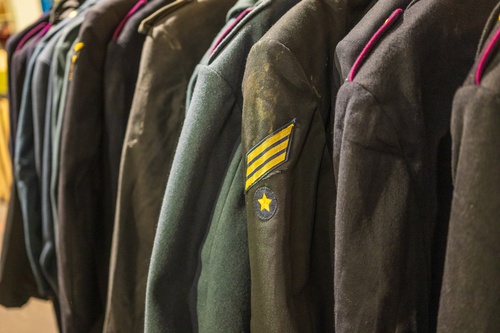
Military items regularly appear at flea markets, and they’re often priced inconsistently. Sellers sometimes assume that anything old and military-related must be valuable. In reality, common surplus items like basic uniforms may not be worth much. However, certain pieces such as rare patches, helmets, or historically significant gear can be quite collectible.
Condition, authenticity, and era are the major factors. Items from major historical periods like World War II tend to attract more interest than more recent surplus. Original markings and documentation can significantly increase value. Sellers who don’t know the difference between common and rare pieces may price them incorrectly either way.
11. Vintage Advertising Signs
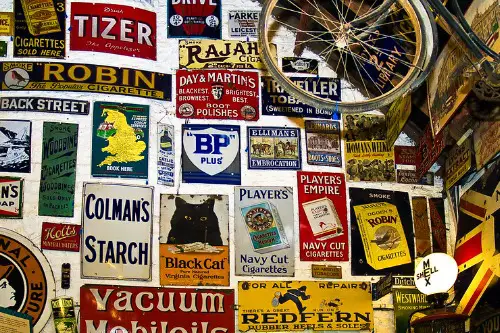
Old advertising signs are a favorite among collectors of Americana. Sellers sometimes overlook them because they appear worn, rusty, or faded. But that aging, known as patina, can actually increase the appeal to collectors. Signs advertising old soda brands, gas stations, or farm products can be particularly desirable.
Material and age are important clues to value. Porcelain enamel signs from the early 20th century are often worth more than modern tin reproductions. Original mounting holes, authentic wear, and period graphics help verify authenticity. Sellers who price them like ordinary decorations may miss their collectible status.
12. Film Cameras

Old film cameras are easy to underestimate in the digital age. Sellers sometimes assume they’re obsolete technology and price them cheaply. But many photographers still enjoy shooting film for its unique look and tactile experience. Certain vintage cameras are also valued for their mechanical design and historical significance.
Brands and models matter a great deal in this category. Cameras from companies like Leica, Nikon, or Canon can have strong resale value, especially if the lenses are included. Even if a camera isn’t working, collectors might buy it for parts or restoration. Sellers who price them like outdated electronics often underestimate their appeal.
This post Things Flea Market Sellers Rarely Price Correctly was first published on Greenhouse Black.
