
1. The Property May Contain Historical Paper Trails
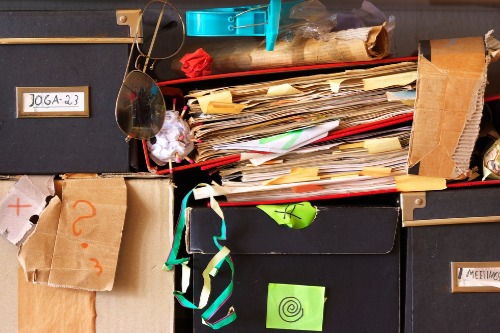
A home owned by one family for decades often comes with extensive documentation. Owners may keep records of renovations, warranties, permits, and appliance manuals. Photographs of earlier versions of the house sometimes survive in albums or boxes. These materials can provide an unusually complete property history.
Such records are useful for practical reasons as well. They help confirm when roofs were replaced, when additions were built, or when major systems were installed. This information can be important during real estate transactions or insurance evaluations. Few properties come with such detailed long-term documentation.
2. The Yard Often Becomes a Mature Landscape

A yard that has been cared for by the same family for decades often looks very different from one that has changed owners frequently. Trees planted when the family moved in may now tower over the house. Shrubs, hedges, and gardens are typically well established and adapted to the local climate. The landscape starts to feel permanent rather than newly installed.
This matters because mature landscaping can significantly affect property value and curb appeal. Large shade trees can lower cooling costs and improve comfort during warm months. Long-term plantings also indicate that the soil and growing conditions have been stable. In many neighborhoods, these yards become some of the most recognizable features on the block.
3. Maintenance Habits Become Part of the House
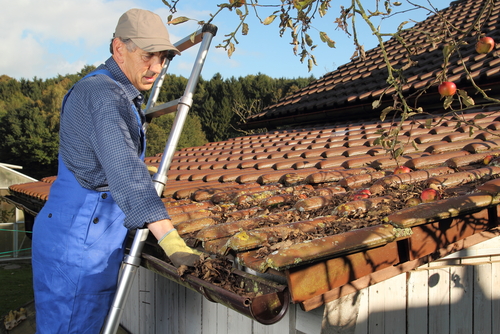
Over 50 years, families tend to develop routines for maintaining their home. They know which gutters clog first in the fall and which basement corner needs extra attention after heavy rain. Small problems are often handled quickly because the owners are familiar with the house’s quirks. That knowledge builds up over time.
Long-term familiarity can prevent minor issues from turning into major damage. For example, homeowners who know their roof’s history are more likely to repair flashing or replace shingles before leaks spread. This kind of attentive maintenance often keeps structural systems in better shape. It also means the house may have detailed records of past repairs.
4. Storage Areas Fill With Generational Clutter

Decades of ownership almost always lead to packed attics, basements, and garages. Items accumulate slowly—old furniture, holiday decorations, childhood toys, and boxes of paperwork. Many of these belongings carry sentimental value, which makes them hard to discard. Over time, storage areas can become informal archives of family history.
This buildup happens because people tend to move less frequently when they feel rooted in a home. Without the pressure of packing for a move, items can remain stored indefinitely. Some families eventually sort through everything, while others leave it for the next generation. When the house is finally sold, clearing these spaces can be a major task.
5. The House Reflects Changing Design Trends
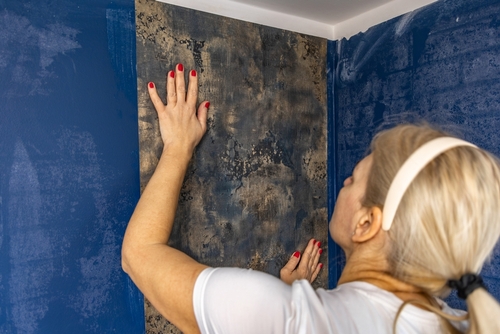
A house owned for half a century often contains visible traces of several design eras. Wallpaper from the 1970s might sit beneath newer paint, or a bathroom may still feature pastel fixtures popular in the mid-20th century. Even if rooms were updated later, some original details usually remain. These elements become visual markers of different decades.
Design trends change frequently, and homeowners don’t always replace everything at once. Because of that, a long-owned home can showcase a timeline of styles. It’s not unusual to see laminate countertops from the 1990s next to appliances from the 2010s. For historians and buyers, these details reveal how domestic tastes evolved over time.
6. Wear Patterns Reveal How the House Was Used
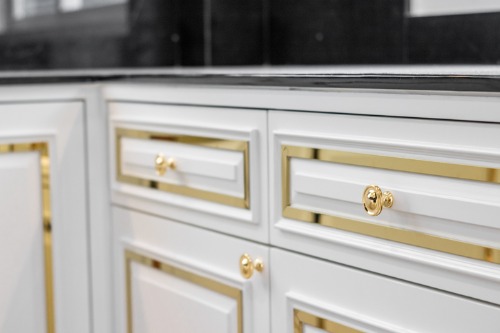
After decades, certain parts of a house show clear signs of repeated use. Floors may be more worn along common walking paths between rooms. Door handles, stair railings, and light switches often show the most wear because they’re touched daily. These subtle marks document everyday routines.
These patterns form because materials gradually respond to constant friction and pressure. Wood floors can develop smooth or slightly darker areas where people walked most often. Carpets may compress near doorways or hallways. For someone studying the home, these traces provide clues about how the family lived in the space.
7. Neighborhood Relationships Often Run Deep
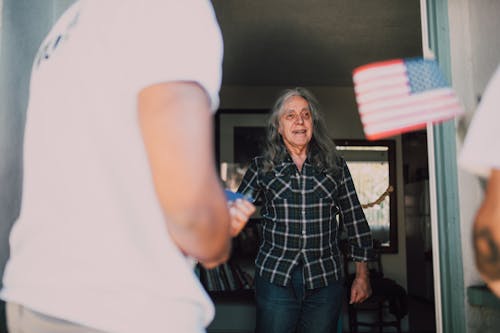
Families who stay in one house for decades usually build long-term relationships with neighbors. They may have watched other families arrive, raise children, and move away. Block traditions, neighborhood watch groups, or shared holiday events sometimes grow out of these connections. The house becomes part of a larger community story.
Longevity also means these homeowners often remember how the neighborhood changed over time. They might recall when certain homes were built or when a local park was added. That kind of firsthand knowledge can be valuable for understanding local history. It also contributes to a sense of stability on the street.
8. Utilities and Systems Reflect Multiple Generations of Technology

In a 50-year period, home systems rarely stay original. Heating units, water heaters, electrical panels, and appliances typically get replaced several times. Each upgrade reflects the technology available at the time of installation. As a result, a long-owned house often contains components from different decades.
This matters because building technology evolves steadily. Newer HVAC systems are usually more energy-efficient than older ones. Electrical upgrades may also reflect updated safety standards or increased power needs from modern devices. Looking at the systems inside the home can reveal a timeline of these improvements.
9. Personal Customizations Are Everywhere
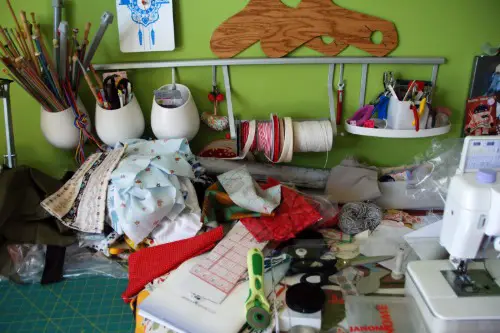
Over half a century, homeowners often tailor their space to fit their routines and hobbies. They might add built-in shelving, convert a spare room into an office, or install a workshop in the garage. These changes usually reflect practical needs rather than resale value. The house becomes uniquely suited to the people living there.
Personal modifications accumulate slowly as life circumstances change. A playroom may become a study area, and later a guest room. Some upgrades might seem unusual to outsiders, but they made sense for the family at the time. When new buyers arrive, these custom features often stand out.
10. Layers of Renovations Tell a Story
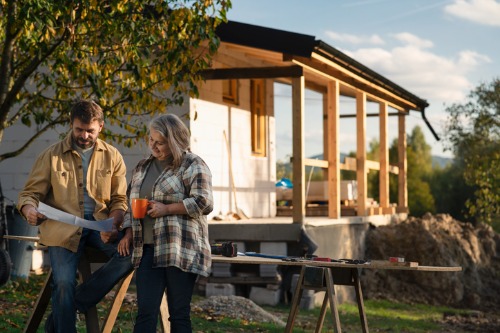
When the same family owns a house for 50 years, renovations rarely happen all at once. Instead, they arrive in waves that reflect changing needs, budgets, and trends. A kitchen might show cabinetry from the 1980s next to a backsplash installed in the 2000s. Each layer becomes a time capsule of a different moment in the family’s life.
These layered upgrades are common because most homeowners renovate gradually rather than doing full overhauls. Mortgage payments, college tuition, and other expenses tend to spread improvements out over decades. As a result, a long-owned home often contains a mix of building materials, appliances, and styles from several eras. That patchwork can make the house feel deeply personal.
11. Emotional Attachment Runs Deep
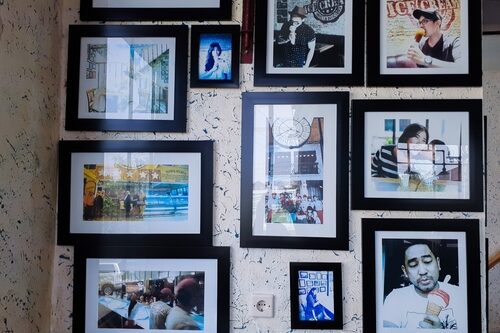
After 50 years, a house often holds powerful memories for the family who lived there. Birthdays, holidays, graduations, and everyday routines all unfolded within those walls. Certain rooms may remind people of specific moments or life stages. The building becomes closely tied to family identity.
This emotional connection explains why some families keep homes for multiple generations. Even when moving eventually becomes necessary, leaving can be difficult. The house represents decades of shared experience and stability. For many long-term owners, it feels less like a property and more like a repository of family history.
This post What Happens When a House Has Been Owned by the Same Family for 50 Years was first published on Greenhouse Black.
