
1. Quality materials that age gracefully

One of the biggest differences between “updated” and “timeless” homes is the material palette. Timeless houses tend to rely on materials that have proven themselves over decades, like solid wood, natural stone, brick, and plaster. These materials develop character as they age instead of looking worn out. When something chips, scratches, or fades slightly, it often adds to the story rather than detracting from it.
Homes that are simply updated often lean heavily on trend-driven finishes. Think thin laminate flooring, painted particleboard cabinets, or synthetic surfaces designed to imitate natural materials. These options can look great in the moment but often reveal wear quickly. Timeless homes prioritize durability because long-lasting materials keep a space relevant long after trends fade.
2. Proportion and scale that feel balanced
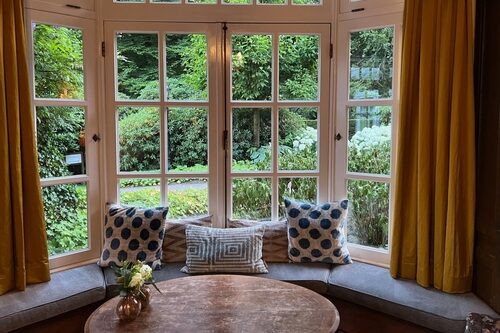
Timeless homes usually get the proportions right. Windows are sized to match the height of ceilings, doorways have comfortable clearances, and rooms flow in a way that feels intuitive. These decisions are often subtle, but they shape how comfortable and natural a home feels.
An updated home might add fashionable features without considering how they fit the existing structure. For example, oversized pendant lights in a low-ceiling kitchen or bulky furniture in a narrow living room can make a space feel off. Good proportion is a design principle used in architecture for centuries, and it quietly anchors timeless interiors. When scale is right, the room rarely feels dated.
3. Neutral foundations with room to evolve
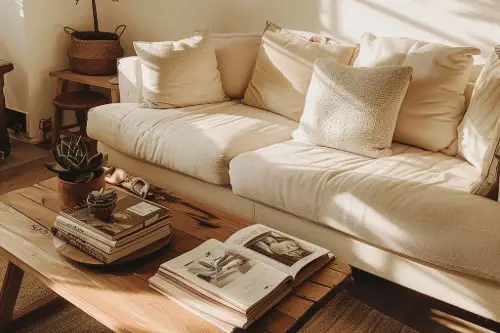
Timeless homes usually start with a calm, neutral base. Walls, flooring, and large built-in elements tend to stay within a restrained palette like whites, warm neutrals, or muted earth tones. This approach allows furnishings and décor to change over time without requiring a full renovation.
Updated homes sometimes chase color trends more aggressively. A bold tile pattern or trendy wall color may look current today but can quickly signal a specific design era. Neutral foundations don’t mean boring; they simply give the home flexibility. Over time, that flexibility keeps the space feeling fresh without constant overhauls.
4. Architectural details instead of decorative shortcuts
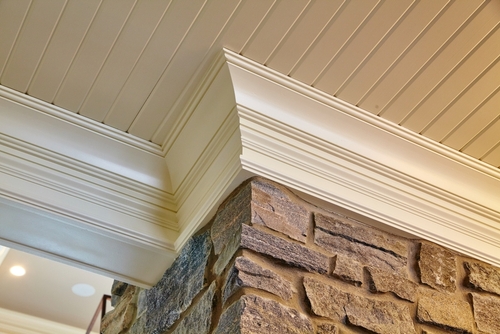
Details like crown molding, paneled doors, deep baseboards, and built-in shelving often appear in homes that feel timeless. These elements are integrated into the architecture rather than layered on as decoration. Because they’ve been used for centuries, they rarely feel tied to a specific decade.
Updated homes sometimes rely on quick visual upgrades instead. Peel-and-stick wall treatments, trendy geometric trims, or decorative accents meant to mimic architectural features can look appealing at first. The difference is that authentic architectural details are designed to last for generations. They also add depth and craftsmanship that quick updates usually lack.
5. Functional layouts that prioritize daily living

Timeless homes are often designed around how people actually live. Kitchens connect naturally to dining areas, hallways allow comfortable movement, and rooms have clear purposes. These layouts make daily routines easier, which keeps the house feeling practical even as styles change.
An updated house might improve finishes without fixing an awkward floor plan. You might see a beautifully renovated kitchen that still traps people in tight walkways or separates cooks from the rest of the household. Function-first layouts have been valued in architecture for centuries. When the flow works well, the home remains appealing long after the latest design trend passes.
6. Lighting that’s layered and intentional

Timeless homes rely on layered lighting rather than a single statement fixture. This usually includes a mix of ambient lighting, task lighting, and accent lighting throughout the space. The result is a home that feels comfortable at any time of day.
Updated homes often emphasize one eye-catching light fixture as the centerpiece. While dramatic fixtures can be beautiful, relying on them alone can leave rooms poorly lit or visually dated. Layered lighting is a long-standing design strategy used in both residential and commercial architecture. It keeps a home functional while allowing individual fixtures to change over time.
7. Cabinetry and built-ins that prioritize craftsmanship
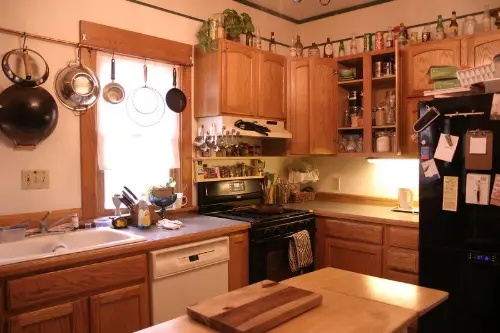
Well-built cabinetry is a hallmark of timeless homes. Solid wood doors, strong joinery, and thoughtful storage solutions tend to hold up for decades. Even when styles evolve, quality cabinets can often be refinished rather than replaced.
In many updated homes, cabinets are swapped out for quick cosmetic upgrades. Lower-cost options made with thin veneers or particleboard may look stylish initially but can wear out faster. Timeless homes treat cabinetry as long-term furniture built into the house. That mindset favors durability and thoughtful design over quick visual impact.
8. Flooring choices with a long track record
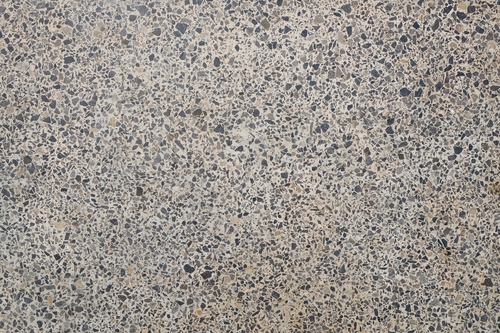
Timeless homes often feature flooring materials that have been used successfully for generations. Hardwood floors, natural stone, and high-quality ceramic or porcelain tile are common choices. These materials are known for durability and the ability to be restored.
Updated homes sometimes lean on newer materials that imitate classic ones. Luxury vinyl planks or printed laminate can resemble wood or stone but usually have a shorter lifespan. While these materials can be practical, they rarely gain character as they age. Flooring with a long track record tends to keep a home feeling relevant longer.
9. Storage that’s built into the design

A timeless home usually handles storage quietly and efficiently. Built-in closets, pantry spaces, and integrated shelving keep clutter out of sight without disrupting the visual flow of the home. This makes the space feel calmer and more intentional.
Updated homes sometimes address storage as an afterthought. Freestanding shelving units or trendy open storage solutions can look good in photos but may become impractical over time. Built-in storage has been a core feature of well-designed homes for decades. It supports daily life while maintaining a clean, cohesive look.
10. Outdoor connections that feel natural
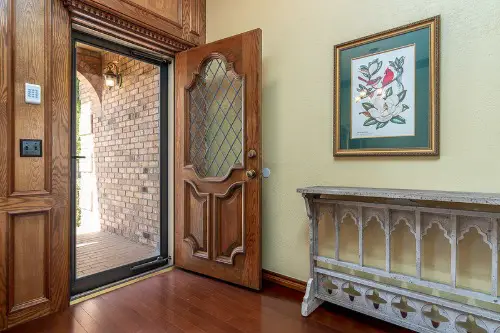
Timeless homes tend to create a strong relationship between indoor and outdoor spaces. This might include large windows, patios aligned with living areas, or gardens that feel like an extension of the house. These features improve both livability and long-term appeal.
Updated homes sometimes focus only on interior finishes. A beautifully renovated interior can still feel disconnected if outdoor spaces are neglected or poorly integrated. Historically, good residential design has always considered the surrounding environment. Homes that embrace natural light and outdoor views tend to stay appealing longer.
11. Restraint in following trends
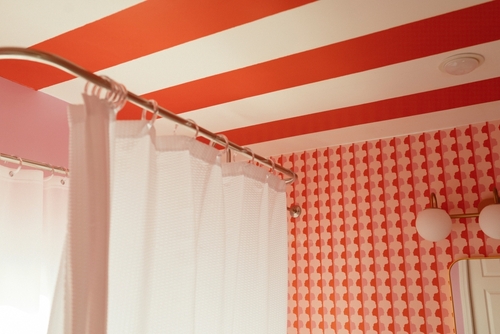
Perhaps the quietest difference is restraint. Timeless homes often incorporate trends slowly and selectively rather than embracing every new design movement. This keeps the overall aesthetic grounded and adaptable.
Updated homes sometimes lean heavily into what’s popular right now. While that can make a house feel fresh in the moment, it also makes the style easier to date. Designers often note that classic spaces evolve gradually instead of changing dramatically. That steady approach helps a home remain relevant for decades rather than just a few years.
This post The Quiet Difference Between a House That’s “Updated” and One That’s Timeless was first published on Greenhouse Black.
