
1. Oil Paintings on Canvas

Original oil paintings tend to gain visual depth over time. As the paint cures fully, subtle shifts in surface texture can become more noticeable. The natural aging of varnish can slightly warm the colors, giving the artwork a richer tone. This mellowing effect is part of what people associate with classic gallery pieces.
Canvas itself also relaxes slightly as it ages. That can give the painting a softer, more integrated look within its frame. Minor surface craquelure—those fine hairline cracks seen in older paintings—can add to the sense of authenticity. Instead of looking outdated, an oil painting often ends up feeling more valuable and storied with time.
2. Solid Wood Furniture
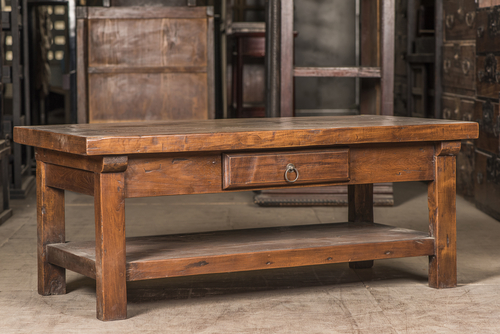
There’s a reason people get excited about old wooden tables and dressers at estate sales. Solid wood—especially oak, walnut, cherry, or maple—develops a richer color and deeper grain contrast as it ages. Exposure to light and oxygen slowly darkens many woods, which creates that warm, lived-in tone people associate with antique furniture. Instead of looking worn out, the material often ends up looking more refined.
Another factor is how solid wood handles wear. Small dents, subtle scratches, and softened edges tend to add character rather than damage the look. Over time, oils from hands and regular polishing can also give the surface a natural sheen. That’s why a decades-old wooden dining table often looks more expensive than when it was brand new.
3. Leather Furniture and Accessories
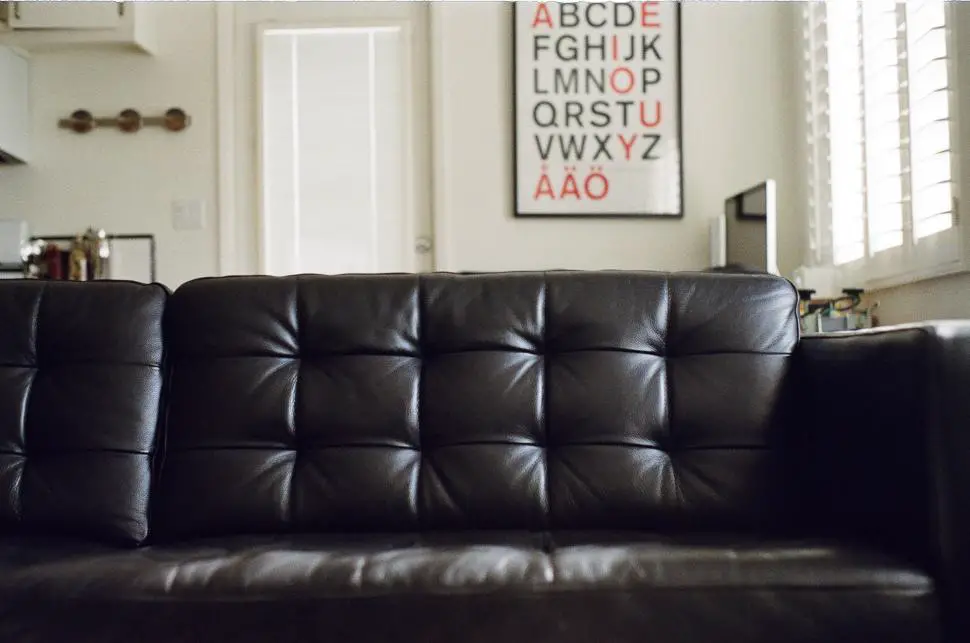
Good leather ages like a well-loved jacket. Full-grain and top-grain leather develop a patina over time, which means the surface becomes richer in color and softer in texture. Instead of cracking quickly like synthetic materials, quality leather adapts to use. The result is a depth and warmth that brand-new pieces simply don’t have.
Daily life actually improves the look of leather. Natural oils from skin and gentle friction polish the surface slightly and deepen its tone. Creases and subtle marks give it a relaxed, broken-in feel that many people associate with luxury libraries and classic clubs. A leather armchair that’s been used for years often looks far more expensive than a stiff, newly purchased one.
4. Wool Rugs

A high-quality wool rug tends to look better after it’s lived with for a while. Wool fibers are resilient and naturally springy, which means they bounce back even after years of foot traffic. As the fibers settle, the rug often develops a softer, more cohesive appearance. The colors can mellow slightly, creating that coveted vintage look.
Another reason wool rugs age well is their natural lanolin content. This waxy substance helps repel dirt and maintain the fiber’s structure over time. With regular cleaning, wool rugs can last for decades without losing their integrity. That durability is why many antique rugs are still used today and often look even more luxurious with age.
5. Marble Surfaces
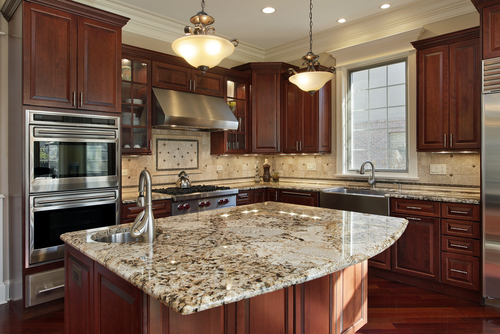
Marble is famous for its dramatic veining when it’s first installed, but its aging process adds another layer of charm. Over time, marble develops subtle etching and soft surface changes from everyday use. While some people worry about this at first, those marks can actually create a more relaxed, high-end feel. Think of it as the difference between a pristine showroom and a well-lived home.
In older homes and historic buildings, marble often looks even more beautiful after decades of use. The stone’s surface can take on a slightly softened finish that diffuses light differently. This gives it a quiet elegance rather than a glossy, brand-new look. Many designers intentionally embrace this “lived-in marble” effect because it reads as authentic and timeless.
6. Persian and Hand-Knotted Rugs
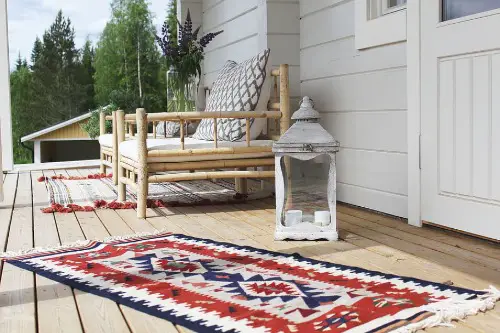
Hand-knotted rugs, especially traditional Persian styles, often increase in visual appeal as they age. The vegetable dyes used in many traditional rugs can soften and harmonize over time. This gradual mellowing gives the rug a more complex, layered color palette. That’s why older rugs are frequently prized by collectors.
Wear patterns can also enhance their character. Areas with slightly lower pile can highlight the rug’s design in interesting ways. Because these rugs are individually knotted, they’re incredibly durable and built to last generations. A rug that’s been around for decades can look more refined than a brand-new one fresh off the loom.
7. Ceramic and Stoneware Pottery
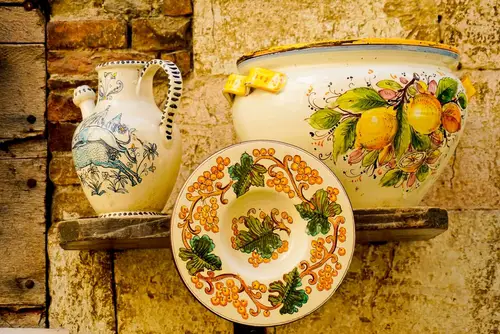
Handmade ceramic pieces often develop personality with time. Small glaze variations become more noticeable as the piece is used and handled. In certain finishes, especially matte or semi-matte glazes, subtle wear can reveal deeper tonal variation. That layered look gives pottery a handcrafted richness.
Stoneware and high-fired ceramics are also incredibly durable. They resist chipping better than many delicate decorative materials. Over years of use, they can develop a gentle softness in their finish from washing and handling. The result is a piece that feels collected and meaningful rather than newly purchased.
8. Cast Iron Decor
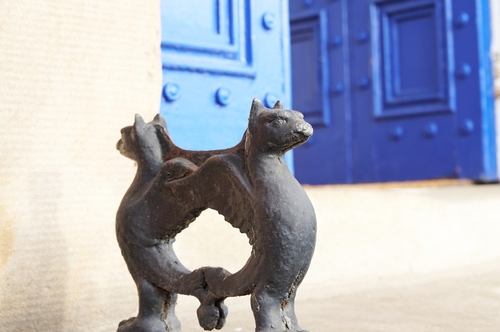
Cast iron has a quiet strength that ages beautifully. When exposed to air, it forms a dark, stable surface layer that can deepen its color. This natural oxidation often enhances its texture, highlighting details in decorative objects like candleholders or wall hooks. The result is a more sculptural look over time.
Unlike many modern alloys, cast iron’s aging process tends to add character rather than deterioration when properly cared for. Light oiling or seasoning can help maintain the finish and deepen its tone. That slightly weathered appearance is exactly what gives antique iron pieces their charm. New cast iron decor often looks more expensive after years of use.
9. Linen Textiles
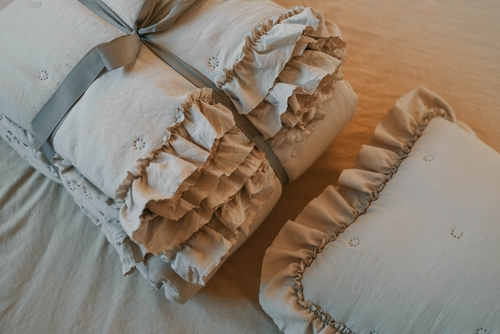
Linen softens dramatically the more it’s used and washed. When brand new, linen can feel a bit stiff and structured. Over time, the fibers relax and become smoother and more fluid. This softness makes linen curtains, tablecloths, and bedding feel more luxurious.
The fabric also develops a subtle drape that’s hard to replicate in newer pieces. As the fibers settle, linen tends to hang more elegantly and move naturally in a room. Slight variations in texture give it a casual, high-end look. That’s why vintage linen often feels more special than freshly purchased fabric.
10. Copper Kitchen and Decor Pieces
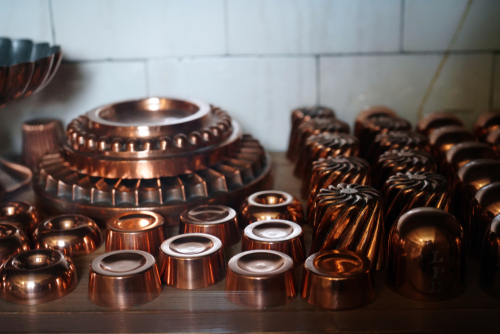
Copper is famous for its dramatic aging process. When first polished, it has a bright reddish glow. With time and exposure to air, it develops deeper browns and sometimes greenish patina depending on the environment. These color changes create a layered, antique look.
Many designers intentionally avoid polishing copper for this reason. The evolving finish gives each piece a one-of-a-kind character. Even small scratches blend into the surface rather than standing out. That evolving patina is exactly what makes older copper cookware and decor feel so luxurious.
11. Brass Hardware and Decor
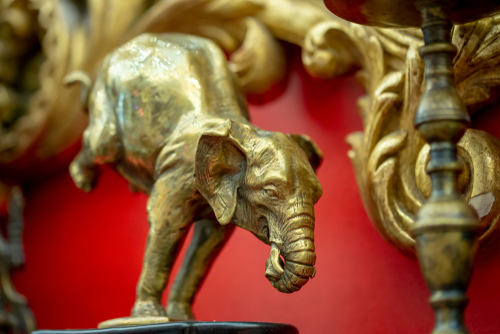
Brass is one of those materials that truly comes into its own with age. When it’s new, it can look a bit shiny or even brassy in the literal sense. But over time, real brass develops a natural patina—a slightly darker, warmer tone that designers love. This aging process gives knobs, candlesticks, trays, and lamp bases a vintage feel that’s hard to fake.
Unlike plated metals, solid brass changes gradually with exposure to air and touch. The surface oxidizes, creating subtle variations in color that make each piece look unique. Many high-end interiors actually avoid polishing brass so this patina can develop. That soft, aged glow tends to read as expensive and intentional rather than worn.
This post Decor Pieces That Only Look More Expensive As Time Passes was first published on Greenhouse Black.
