
1. Natural Light (and How It Changes Throughout the Day)
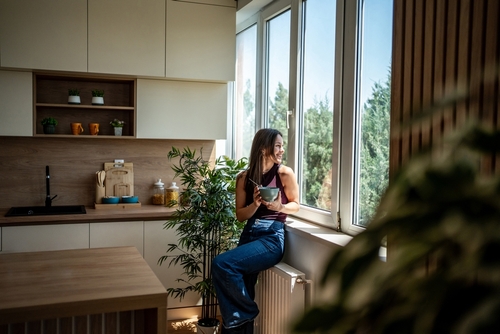
Buyers almost always remember how a home felt in terms of light. Rooms filled with natural light tend to feel larger, more welcoming, and easier to live in day-to-day. People often mentally picture themselves drinking morning coffee or relaxing in the evening, and lighting plays a big role in that visualization. A dim space can stick in their memory just as strongly as a bright one.
Natural light also affects practical things like energy use and comfort. Homes with good daylight exposure may require less artificial lighting during the day, which can reduce electricity use. South-facing windows in many regions tend to receive more consistent sunlight, which buyers often notice. Even small details like skylights or large sliding doors can become memorable features.
2. The Kitchen Layout
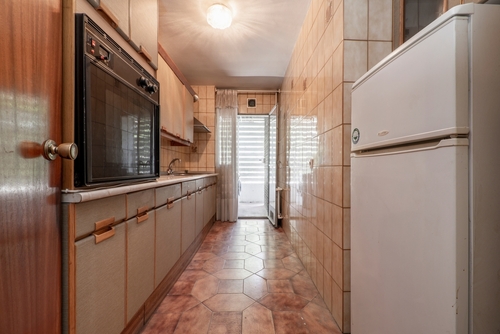
Buyers might not remember every appliance brand, but they almost always remember whether the kitchen felt functional. A layout that makes cooking, cleaning, and moving around easy tends to leave a lasting impression. The classic “work triangle” between the sink, stove, and refrigerator is something many people subconsciously notice. When those elements feel too far apart or awkwardly placed, it sticks in their minds.
Storage and counter space also influence how buyers remember the kitchen. If there’s enough room for food prep, small appliances, and everyday clutter, people can picture themselves using the space. Walk-in pantries, deep drawers, and well-placed cabinets tend to stand out during a showing. Even something simple like a wide island with seating can become the feature buyers talk about afterward.
3. Closet Space and Storage
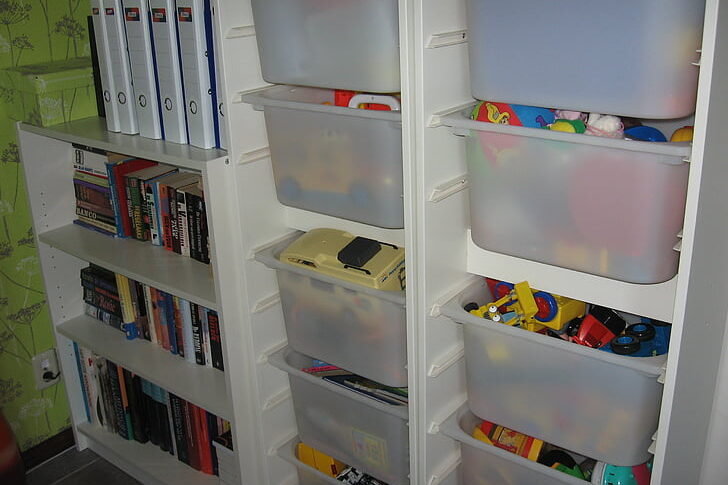
A home can look beautiful during a showing, but buyers will remember quickly if storage seems limited. Closets are where the practical side of homeownership becomes real. People mentally compare the available space with everything they own, from winter coats to luggage. If the storage feels tight, it can become a lingering concern.
On the other hand, generous storage can become a major selling memory. Walk-in closets, linen cabinets, and built-in shelving help buyers imagine a clutter-free home. Organized storage systems also signal that the home has been thoughtfully designed. Buyers often recall these details later when comparing multiple homes they’ve toured.
4. Bathroom Condition and Fixtures
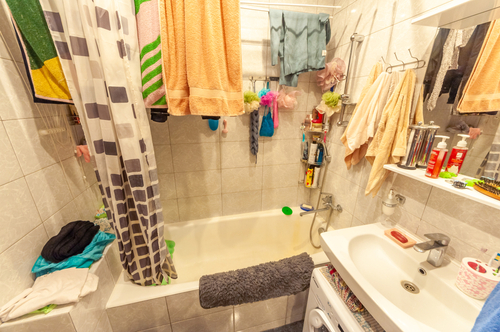
Bathrooms tend to leave a strong impression because buyers associate them with cleanliness and maintenance. Even if the rest of the house looks great, outdated or worn bathrooms can stand out. Things like stained grout, aging faucets, or poor lighting often stick in people’s memories. These details can make buyers wonder about overall upkeep.
Modern or well-maintained bathrooms, on the other hand, can become a highlight of the showing. Features like double sinks, good ventilation, and strong water pressure tend to be memorable. Walk-in showers or soaking tubs can also create a sense of comfort and luxury. Buyers often remember how easy the bathroom looked to maintain.
5. The Smell of the Home

Scent is one of the strongest triggers for memory, so buyers frequently remember how a home smelled. A fresh, neutral scent can make a space feel clean and well cared for. Conversely, lingering odors from pets, smoke, or cooking can stay in someone’s mind long after the showing. Even subtle smells can influence how buyers perceive the property.
This matters because scent often signals hidden issues to buyers. Musty smells may make people think about moisture or ventilation problems. Strong air fresheners can sometimes raise suspicion that odors are being covered up. A naturally clean smell, usually from good ventilation and regular cleaning, tends to leave the best impression.
6. Noise Levels Inside and Outside

Buyers usually remember whether a home felt quiet or noisy. Traffic sounds, nearby train lines, or barking dogs can quickly stand out during a showing. Even interior noise, like loud HVAC systems or creaky floors, can become part of their mental picture of the home. Once noticed, it’s hard for buyers to ignore.
Noise matters because it affects daily comfort. A quiet neighborhood can make the home feel like a retreat after a busy day. On the other hand, constant background noise may raise concerns about sleep or privacy. Buyers often recall these details later when comparing properties in similar price ranges.
7. The Condition of Floors
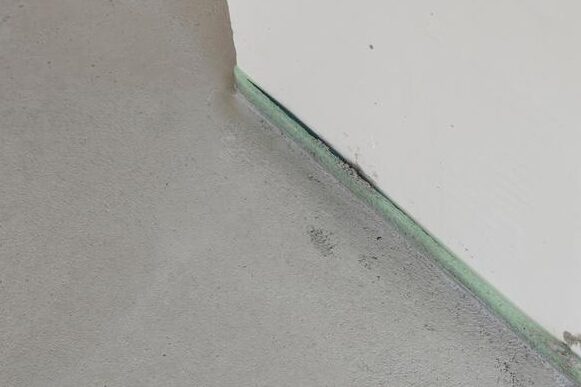
Floors cover a large portion of the home, so buyers notice them almost immediately. Scratches, stains, or uneven areas can draw attention during a walkthrough. Because flooring replacement can be expensive, people tend to mentally factor it into their decision. That’s why worn flooring often sticks in memory.
Well-maintained floors can have the opposite effect. Hardwood, tile, or quality laminate that looks clean and consistent gives the home a polished feel. Continuous flooring across main living areas can also make a space feel larger and more cohesive. Buyers often recall these visual details when reviewing photos later.
8. The Flow Between Rooms

How easily someone can move from room to room makes a big impression during a showing. Buyers tend to remember whether the home felt open and intuitive or cramped and confusing. Awkward transitions, narrow hallways, or blocked sightlines can stand out quickly. These details affect how comfortable daily living might feel.
A good layout, on the other hand, makes a home memorable in a positive way. Living rooms that connect naturally to dining areas or kitchens often feel practical for entertaining. Clear pathways and thoughtful room placement help buyers imagine daily routines. When the flow feels right, people often mention it afterward.
9. Outdoor Space and Privacy

Even buyers focused on interior features tend to remember the outdoor areas. Yards, patios, balconies, and gardens often trigger lifestyle ideas in buyers’ minds. People imagine barbecues, pets playing outside, or simply relaxing in fresh air. If the outdoor space feels usable, it tends to stick in memory.
Privacy also plays a big role in how outdoor spaces are perceived. Fences, landscaping, or distance from neighboring homes can make a yard feel more comfortable. On the flip side, direct views into neighbors’ windows may stand out to buyers. These impressions often resurface later when comparing multiple homes.
10. Signs of Maintenance (or Neglect)

Buyers tend to notice small clues about how well the home has been maintained. Peeling paint, dripping faucets, or cracked caulking can leave a lasting impression. These issues may seem minor, but they sometimes make buyers worry about larger hidden problems. As a result, these details are often remembered later.
Well-maintained homes usually communicate care and consistency. Clean gutters, fresh paint, and working fixtures signal that the property has been looked after. Buyers often interpret these signs as evidence that major systems have likely been maintained as well. This perception can influence their confidence in making an offer.
11. The Overall Feeling of the Home
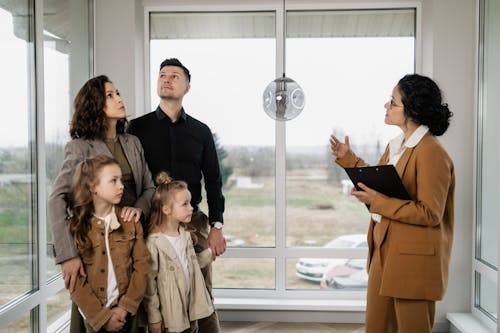
Beyond individual features, buyers almost always remember the overall vibe of a property. Some homes feel warm, comfortable, and easy to imagine living in. Others may feel sterile, cluttered, or difficult to connect with emotionally. That emotional reaction can linger long after the showing ends.
This overall feeling often comes from a combination of small details. Lighting, layout, cleanliness, and staging all contribute to the impression buyers take away. When everything works together, the home becomes easier to remember among many listings. That emotional memory can sometimes influence the final decision more than any single feature.
This post Property Details That Buyers Remember After the Showing Ends was first published on Greenhouse Black.
