
1. Los Angeles, California

Los Angeles sells the dream better than almost anywhere. Sunshine, beaches, palm trees, and a creative economy make it look like possibility itself. Social media makes every brunch and sunset hike look cinematic. It feels like the place where things happen.
The reality often includes crushing traffic and long commutes across a sprawling metro area. Housing is expensive, with median home prices typically well above the national average and rents that strain even solid incomes. Air quality can be an issue, especially during wildfire season, when smoke settles over the basin. The entertainment industry is also notoriously competitive and unstable, which can make steady work hard to find.
2. San Francisco, California
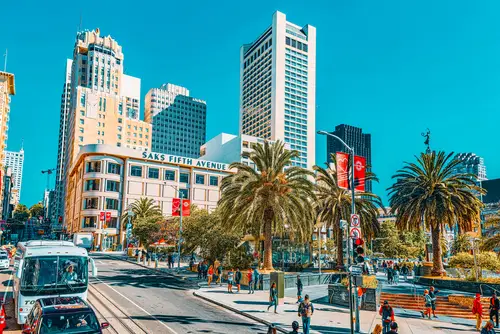
From a distance, San Francisco looks like a postcard that came to life. The Golden Gate Bridge glows, the Painted Ladies line up perfectly, and the tech money gives everything a shiny, ambitious edge. It’s easy to assume that everyone here is thriving. On paper, it can feel like the capital of opportunity.
Living there, though, often means grappling with one of the highest costs of living in the country. Median home prices hover well above $1 million, and even modest rentals can top $3,000 a month. The city also struggles with visible homelessness and open-air drug use in certain neighborhoods, which can be jarring for newcomers. Add in car break-ins and steep everyday costs, and the shine can wear off fast.
3. Seattle, Washington
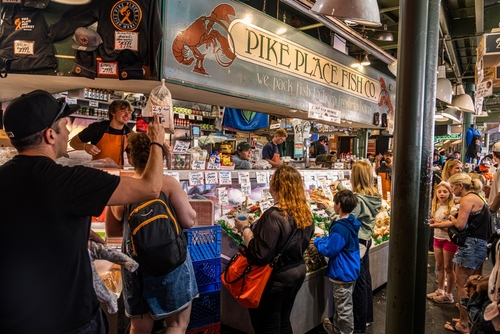
Seattle’s skyline against Puget Sound is undeniably striking. The city is home to global companies like Amazon and Microsoft, and it carries a reputation for innovation and high salaries. Coffee shops, ferries, and mountain views give it a polished, outdoorsy charm. On the surface, it feels prosperous and progressive.
But the cost of living has climbed sharply over the past decade. Median home prices are high, and rents have risen alongside the tech boom. The region’s long, gray winters can take a toll on mental health, especially for those sensitive to limited daylight. Seattle also faces ongoing challenges with homelessness and housing affordability that are hard to ignore when you live there.
4. Austin, Texas

Austin markets itself as weird, creative, and booming. Tech companies have poured into the area, bringing jobs and a steady influx of new residents. Music festivals, food trucks, and a lively downtown make it seem endlessly fun. It looks like a smaller, friendlier Silicon Valley.
Rapid growth has strained infrastructure and driven up housing costs dramatically. Home prices and property taxes have surged compared to what longtime residents once paid. Traffic congestion has worsened as population growth outpaces road expansion. The intense summer heat, with weeks of triple-digit temperatures, can also be exhausting.
5. Denver, Colorado
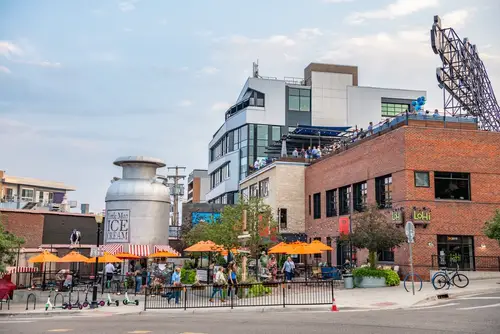
Denver’s mountain backdrop makes it look like an outdoor lover’s paradise. The city has a strong job market and a reputation for healthy, active living. Breweries, bike lanes, and sunny days give it an energetic feel. It often lands on “best places to live” lists.
The flip side is rising housing costs that have outpaced wages for many residents. Median home prices have climbed significantly over the past decade. Traffic congestion has grown as more people move in, and air quality can suffer due to wildfire smoke and ozone issues. Winters can also be harsh, with snowstorms that disrupt daily life more than brochures suggest.
6. Miami, Florida
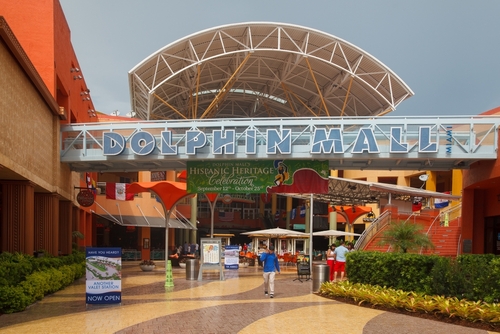
Miami dazzles with turquoise water, high-rise condos, and a nonstop nightlife scene. It’s an international city with strong ties to Latin America and a steady flow of tourism. From the outside, it looks glamorous and economically vibrant. The beaches alone can make it seem like a permanent vacation.
Living there means facing high housing costs and rapidly rising rents. Florida’s property insurance rates have climbed steeply in recent years, especially in coastal areas prone to hurricanes. Flooding and sea-level rise are real concerns, particularly during king tides and storm season. Wages in many industries lag behind housing costs, which can create financial strain.
7. Honolulu, Hawaii
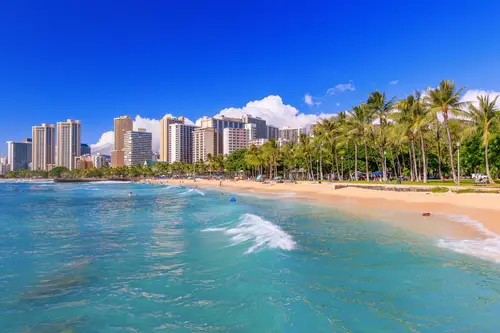
Honolulu appears almost impossibly beautiful. The beaches, volcanic landscapes, and warm weather create a postcard setting year-round. Tourism keeps the economy busy, and the lifestyle seems relaxed and healthy. It feels like paradise.
But Hawaii consistently ranks among the most expensive states for groceries, utilities, and housing. Median home prices in Honolulu are typically far above the national average. Many goods must be imported, which drives up everyday costs. Geographic isolation can also make travel to the mainland costly and limit certain job opportunities.
8. New York City, New York
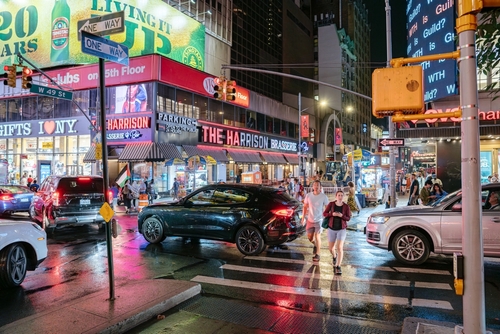
New York City looks like the center of the universe. It’s packed with cultural institutions, global finance, fashion, media, and endless dining options. The energy is contagious, and opportunity feels constant. For ambitious people, it’s magnetic.
The cost of living is one of the highest in the United States. Median rents in Manhattan and parts of Brooklyn can easily exceed $3,000 a month for small apartments. Space is limited, commutes can be long and crowded, and competition for jobs is intense. The fast pace and financial pressure can be exhilarating at first but draining over time.
9. Portland, Oregon
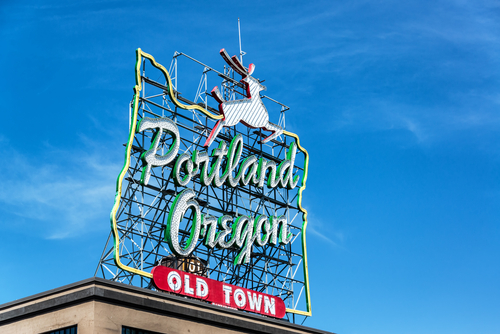
Portland’s image is all about creativity and sustainability. It’s known for craft breweries, indie bookstores, and a strong local food culture. The city’s greenery and proximity to forests and coastline make it look idyllic. It often appeals to people seeking a more laid-back, alternative lifestyle.
In recent years, Portland has struggled with visible homelessness and public safety concerns in certain areas. Housing costs have risen substantially compared to historical norms in the region. Some residents have expressed frustration with slow responses to infrastructure and policing challenges. The cloudy, rainy winters can also feel long for newcomers expecting constant charm.
10. Nashville, Tennessee
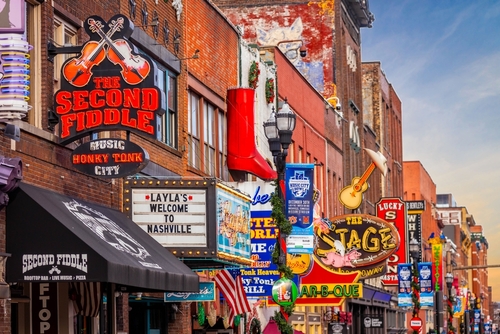
Nashville’s music scene gives it instant credibility. Tourism is booming, and the downtown area feels lively almost every night of the week. Major employers in healthcare and education add to its economic profile. It can seem like a city on an unstoppable rise.
Growth has driven up housing prices and rent, especially in desirable neighborhoods. Infrastructure has struggled to keep pace, leading to increased traffic congestion. Wages in service and creative industries don’t always match rising costs. The party-focused downtown atmosphere can also feel overwhelming if you actually live nearby.
11. Phoenix, Arizona
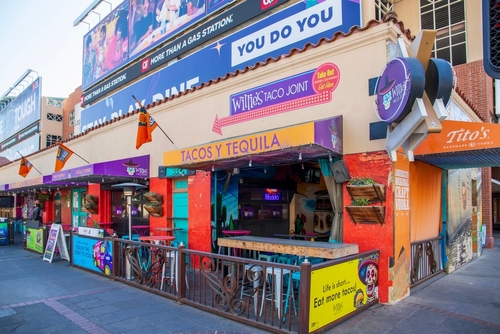
Phoenix offers sunshine nearly year-round and relatively affordable housing compared to some coastal cities. Its sprawling suburbs and job growth have attracted transplants from across the country. From afar, it looks like a practical, growing metro with room to breathe. The desert scenery adds a dramatic backdrop.
Summers regularly bring temperatures above 110 degrees Fahrenheit. That extreme heat can limit outdoor activity for months and drive up electricity bills due to constant air conditioning. Water supply is an ongoing concern in the arid Southwest, especially with Colorado River shortages. Urban sprawl also means long drives and heavy reliance on cars.
12. Las Vegas, Nevada
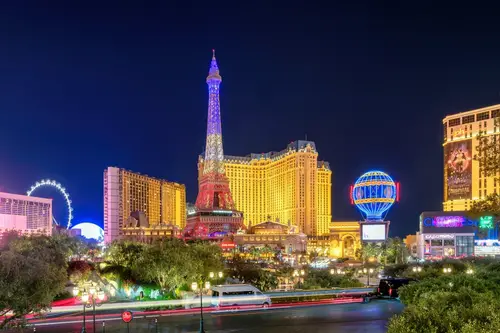
Las Vegas sparkles with neon lights and 24-hour energy. The hospitality and entertainment industries create a sense of constant motion. Tourism fuels the economy, and there’s no state income tax. It can look like a place where opportunity never sleeps.
The job market is heavily tied to tourism, making it vulnerable during economic downturns, as seen during the COVID-19 pandemic. Summers are extremely hot, with temperatures often exceeding 100 degrees for extended periods. Housing costs have risen in recent years as more people move in. The nonstop party environment can also feel isolating when you’re just trying to live a normal, everyday life.
13. Washington, D.C.
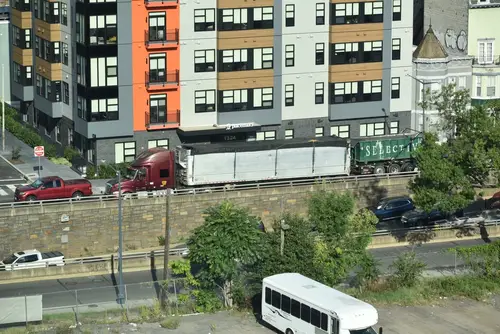
Washington, D.C., feels powerful and polished. The monuments, museums, and historic neighborhoods create an impressive backdrop. It has a highly educated workforce and a strong job market tied to the federal government. On the surface, it looks stable and influential.
The cost of living is high, especially for housing in central neighborhoods. Median home prices are well above the national average, and rents can rival other major East Coast cities. The local economy is closely linked to federal spending, which can create uncertainty during government shutdowns. Traffic congestion and a competitive, high-pressure work culture can also wear residents down over time.
This post The Places That Look Thriving—Until You Live There was first published on Greenhouse Black.
