
1. The Big House in the Right Zip Code

For decades, a large home in a prestigious neighborhood was shorthand for having made it. It suggested stability, upward mobility, and the ability to provide. Today, that same house often comes with crushing property taxes, constant maintenance, and long commutes. What once felt like security can feel like being physically and financially anchored.
Bigger homes also tend to lock people into higher utility costs and renovation cycles that never really end. Many owners admit they regularly use only a fraction of the space they pay for. Downsizing or relocating can be emotionally and financially complicated, especially when markets shift. The status symbol becomes a fixed cost you plan your life around.
2. The Luxury Car

Driving a high-end car used to signal arrival and taste. It implied you could afford not just the purchase, but the lifestyle around it. Now, luxury cars often mean higher insurance premiums, expensive repairs, and rapid depreciation. In congested cities, they spend more time parked than admired.
Modern awareness has also shifted how these cars are perceived. Flashy vehicles can feel out of step with conversations about sustainability and practicality. Features that once felt indulgent now require constant software updates and dealer visits. The car becomes another asset you worry about protecting instead of enjoying.
3. The Impressive Job Title

A lofty title once clearly communicated success and authority. It told people you had climbed the ladder and earned influence. Today, titles are often inflated, inconsistent across industries, and loosely tied to real autonomy. The prestige doesn’t always match the stress or responsibility attached.
Many high-level titles now come with blurred boundaries and constant accountability. You may be responsible for outcomes without control over resources or strategy. Layoffs and reorganizations can strip titles overnight. What looked like status can feel fragile and exposed.
4. Working Extremely Long Hours

Putting in endless hours used to be worn like a badge of honor. It signaled ambition, grit, and commitment to the grind. Now, it’s increasingly associated with burnout, health issues, and diminishing returns. Productivity research consistently shows that output drops after a certain number of hours.
Culturally, long hours can also indicate poor systems rather than excellence. Many workplaces now recognize that constant overwork masks inefficiency or understaffing. Relationships and personal well-being often pay the price. The “hustle” starts to feel like a trap instead of a pathway.
5. Elite Frequent Flyer Status
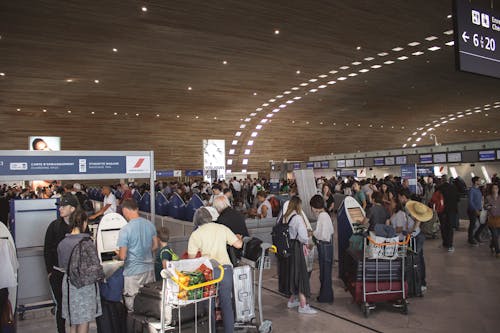
Airline status once symbolized importance and a life in demand. Priority boarding and lounge access felt like proof you were going places. Today, constant travel often means exhaustion, disrupted routines, and time away from home. Delays and crowded airports have eroded much of the glamour.
Frequent travel also comes with growing awareness of its physical and environmental costs. Jet lag, poor sleep, and irregular meals add up quickly. Virtual meetings have reduced the necessity of many trips. The perks no longer fully offset the toll.
6. Owning a Second Home

A vacation property used to represent true financial comfort. It implied you had surplus income and control over your time. In reality, second homes often require ongoing maintenance, local taxes, and management headaches. They can feel more like obligations than escapes.
Travel preferences also change faster than real estate. Being tied to one getaway spot can limit spontaneity and variety. Rental platforms have made flexibility easier without long-term commitment. What once felt indulgent can become another calendar responsibility.
7. Private School Tuition

Sending kids to private school has long been seen as an investment and a status marker. It suggested you could provide exclusive opportunities and networks. Tuition costs, however, have risen steadily, often faster than inflation. Many families feel locked into payments that rival a second mortgage.
The pressure doesn’t stop with tuition alone. Additional fees, fundraising expectations, and social comparisons add stress. Outcomes are not guaranteed, despite the cost. What started as a choice can feel like a financial obligation with no easy exit.
8. Being Constantly Reachable

Always answering emails and messages once signaled dedication and importance. It showed that people needed you and relied on your input. Now, constant availability is widely linked to anxiety and inability to disconnect. Work bleeds into nights, weekends, and vacations.
Technology has erased natural stopping points. Notifications create the sense that everything is urgent, even when it isn’t. Many companies now encourage boundaries because burnout has become so common. What felt like relevance starts to feel like erosion of personal time.
9. A Closet Full of Designer Clothes

A wardrobe packed with high-end labels used to project taste and success. It implied disposable income and access to exclusive spaces. Today, fast-changing trends and resale markets reveal how quickly clothing loses value. Storage, upkeep, and dry cleaning add ongoing costs.
There’s also growing scrutiny around consumption and waste. Many people realize they wear a small percentage of what they own. Capsule wardrobes and repeat outfits are increasingly normalized. The excess begins to feel unnecessary rather than impressive.
10. A Jam-Packed Social Calendar

Being booked solid once suggested popularity and relevance. It meant you were in demand and socially connected. Now, constant social obligations can feel draining rather than validating. Free time has become its own form of luxury.
As people grow more aware of emotional bandwidth, selective plans feel healthier. Saying yes to everything often leads to shallow interactions. A full calendar can crowd out rest and reflection. What looked like a rich life can feel like overcommitment.
11. Accumulating Lots of Stuff

Owning many things used to signal abundance and success. Full garages and storage units implied you could afford extras. Today, clutter is often associated with stress and decision fatigue. Entire industries now exist to help people get rid of excess possessions.
Stuff also ties you down physically and mentally. Moving becomes harder, and maintenance never stops. Minimalism has gained traction precisely because accumulation feels heavy. What once showed prosperity can feel like inertia.
12. An Expensive, All-Access Gym Membership

Belonging to a premium gym once suggested discipline and status. It implied you invested in health and had time to use it. Many members now pay high fees while rarely going. At-home workouts and outdoor fitness have lowered barriers to exercise.
The guilt of not using the membership can outweigh its benefits. Scheduling classes around work and life can feel restrictive. Cheaper or more flexible options often deliver similar results. The symbol of self-care becomes a recurring expense you question every month.
This post Things That Used to Signal Success — Now Feel Like Burdens was first published on Greenhouse Black.
