
1. The light makes sense the moment you step inside.
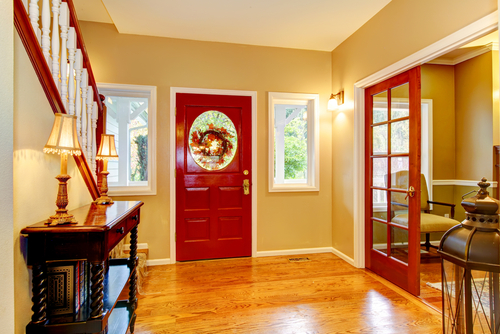
Our brains read light as a safety signal, so balanced, even lighting immediately lowers our guard. Homes that feel trustworthy usually avoid harsh glare or dark pockets where details disappear. Natural light coming from windows or skylights helps us quickly understand the space. When artificial lighting fills gaps instead of fighting daylight, it feels intentional rather than defensive.
Good lighting also lets you see people’s faces clearly, which is a basic human trust cue. Warm color temperatures signal comfort, while still being bright enough to orient yourself. You don’t have to hunt for switches or squint to read the room. That ease tells you the home was designed for people, not just appearances.
2. You can tell the house is well maintained without looking hard.
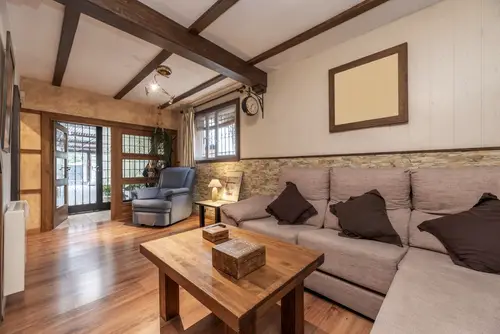
Trustworthy homes quietly show that someone pays attention. Doors close smoothly, paint isn’t peeling, and nothing looks like it was patched in a rush. These small details signal reliability more than expensive finishes ever could. Our brains associate consistent upkeep with predictability and care.
Maintenance is also a proxy for honesty because neglect often hides problems. When gutters are clean and fixtures work as expected, there’s no sense of something being covered up. You don’t feel the need to inspect every corner defensively. The house feels like it’s being straightforward with you.
3. The layout is easy to understand at a glance.
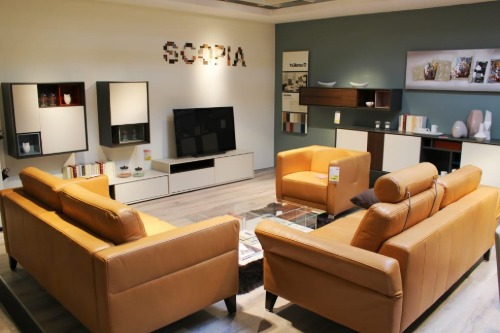
If you can tell where to go within a few seconds, your stress level drops. Clear sightlines and logical room connections reduce cognitive load. Homes that feel trustworthy don’t force you to guess where the bathroom or kitchen might be. They respect your need to orient yourself quickly.
This kind of clarity is rooted in basic wayfinding principles used in hospitals and public buildings. When circulation paths are obvious, people feel more in control. That sense of control builds trust almost instantly. Confusing layouts do the opposite by making you feel tested or trapped.
4. It smells neutral or lightly pleasant, never overwhelming.
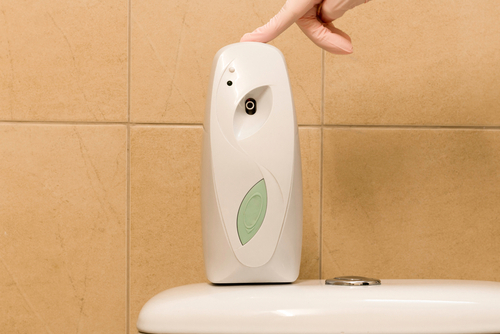
Smell is one of our fastest trust filters because it’s tied directly to memory and threat detection. A trustworthy home doesn’t rely on heavy fragrances to mask something else. Instead, it smells clean, aired out, or faintly of natural materials. That absence of sensory manipulation matters.
Overpowering scents often trigger suspicion because they feel like a cover. Neutral smells suggest transparency and normal daily living. Even subtle cues like fresh air from open windows help. Your body relaxes when it doesn’t have to question what it’s sensing.
5. The materials age honestly instead of pretending to be new.

Natural materials like wood, stone, and metal tend to show wear in understandable ways. Scratches, patina, and soft edges tell a coherent story of use. Homes that feel trustworthy don’t try to hide every sign of age. They let materials be what they are.
This honesty matters because fake finishes often break trust when they reveal themselves. Peeling laminates or plastic pretending to be stone feel deceptive. Authentic materials may cost more upfront, but they signal long-term thinking. That long-term mindset reads as dependable.
6. The sound environment feels calm and controlled.

You notice trustworthy homes because they aren’t acoustically chaotic. Footsteps don’t echo harshly, and outside noise is reasonably buffered. Soft surfaces like rugs, curtains, and upholstered furniture help absorb sound. The result is a space where voices feel comfortable at normal volume.
Sound affects our nervous system even when we’re not aware of it. Excessive echo or sudden noise spikes can trigger unease. When acoustics are balanced, your body stays regulated. That physical calm translates into emotional trust.
7. There’s evidence of real life, but not chaos.

A few personal items signal that people genuinely live there. Books, plants, or a jacket by the door add credibility. At the same time, surfaces aren’t buried under clutter. That balance suggests stability rather than performance.
Extreme minimalism can feel staged, while mess can feel unpredictable. Trustworthy homes land in the middle. They show routines without overwhelming you with them. This moderation feels honest and relatable.
8. Transitions between spaces are gentle, not jarring.
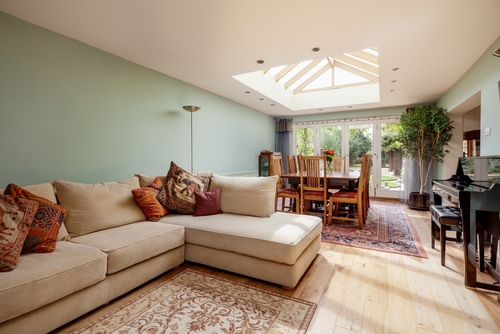
Moving from room to room feels smooth in a trustworthy home. Changes in flooring, ceiling height, or lighting are gradual and logical. Nothing suddenly shocks your senses. That continuity helps your brain stay relaxed.
Abrupt transitions can feel like mistakes or afterthoughts. When spaces flow, it suggests planning and foresight. Your body doesn’t brace itself as you move around. That lack of tension reinforces trust without you noticing.
9. The front entry clearly communicates welcome and boundaries.

A good entryway tells you exactly where to go and where not to go. There’s usually a clear door, visible hardware, and enough space to pause. This clarity reduces social uncertainty. You don’t feel like you’re intruding or guessing.
Psychologically, defined thresholds help people feel safe. They establish consent between inside and outside. A confusing or hidden entry does the opposite. Trust grows when boundaries are clear and respectful.
10. Things work the way you expect them to.
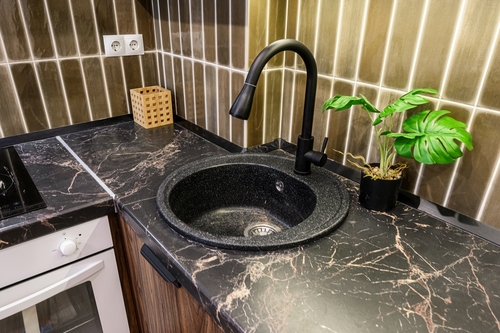
When you turn a knob, it turns smoothly and does what it should. Faucets don’t sputter, and light switches are where you assume they’ll be. These small confirmations add up quickly. Reliability builds trust faster than aesthetics.
Malfunctioning basics create low-level anxiety. You start wondering what else might fail. In contrast, predictable performance signals competence. The house feels like it’s on your side.
11. The home doesn’t try too hard to impress you.
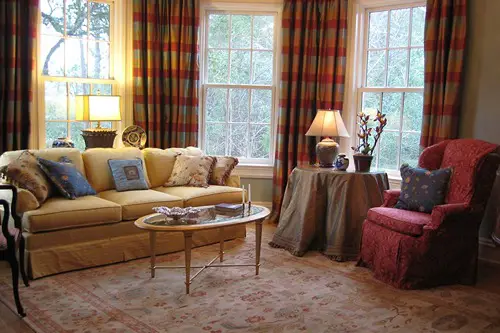
Trustworthy homes feel confident without being showy. They don’t rely on gimmicks, exaggerated features, or visual tricks. Instead, they feel comfortable in their own skin. That restraint reads as sincerity.
Overdesigned spaces can feel like they’re selling something. When a home lets its function speak first, it feels more believable. You sense that it was built to last, not just to wow. That quiet confidence is easy to trust.
This post Why Certain Homes Instantly Feel Trustworthy was first published on Greenhouse Black.
