
1. Hanging laundry outside to dry
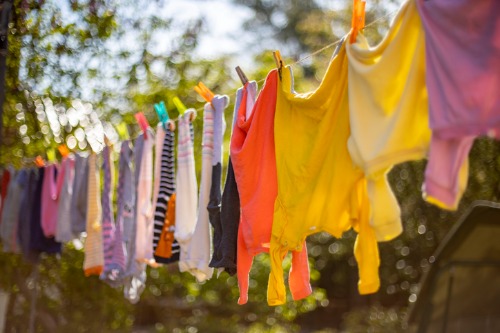
For decades, clotheslines were seen as something you upgraded from once you owned a dryer. Now they feel quietly smart as energy costs rise and dryers remain one of the biggest electricity users in a home. Line drying significantly reduces wear on fabrics, which helps clothes last longer. Sunlight can also naturally reduce odor-causing bacteria on many textiles.
There’s a quality-of-life benefit people often forget until they do it again. Clothes dried outdoors tend to smell fresher because airflow, not heat, does the work. Less heat means fewer shrunken sweaters and damaged elastic. It’s a simple habit that saves money, protects clothing, and uses zero electricity.
2. Opening windows for cross-ventilation
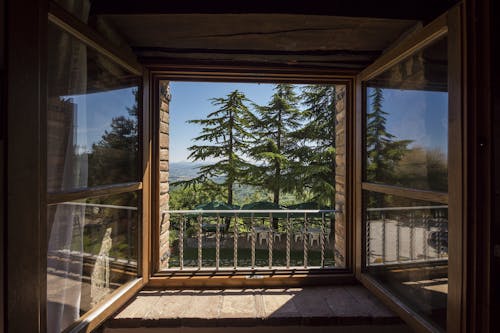
Before central air conditioning, people relied on airflow to manage indoor comfort. Opening windows on opposite sides of a home creates cross-ventilation that can noticeably cool a space. This works especially well in the early morning and evening when outdoor air is cooler. It can meaningfully reduce how often air conditioning is needed.
Fresh airflow also improves indoor air quality by diluting pollutants trapped inside. Modern homes are often sealed tightly for efficiency, which can limit air exchange. Cross-ventilation gives HVAC systems a break while refreshing the space. What once felt basic now feels like practical energy management.
3. Cooking with cast iron
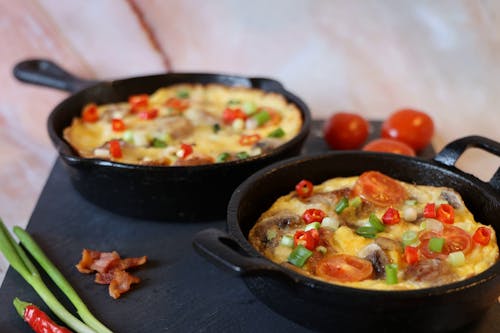
Cast iron cookware was standard before nonstick pans became common. It fell out of favor because it’s heavy and requires maintenance, not because it performs poorly. A well-seasoned cast iron pan can last generations without degrading. It also works on stovetops, in ovens, and over open flames.
Cast iron retains heat extremely well, making it ideal for searing and baking. With proper seasoning, it develops a naturally nonstick surface without chemical coatings. Unlike disposable cookware, it improves with use rather than wearing out. That durability is why it has regained popularity.
4. Keeping a handwritten household calendar
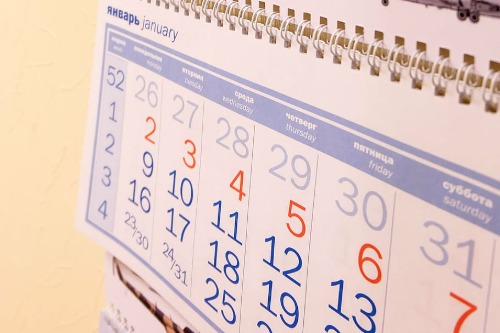
Paper calendars once dominated kitchen walls before digital scheduling took over. Many households are rediscovering how useful a shared physical calendar can be. It allows everyone to see plans at a glance without unlocking a phone. This reduces missed appointments and scheduling confusion.
Writing things down also improves memory and awareness. A visible calendar becomes part of daily routines rather than another ignored notification. It’s especially helpful for coordinating school events, meals, and family obligations. The simplicity is exactly what makes it effective.
5. Sweeping floors with a broom

Before vacuums became standard, brooms handled most daily cleaning. Sweeping is still highly effective for hard floors and small messes. It uses no electricity and can be done quickly and quietly. For routine upkeep, it’s often more practical than vacuuming.
Regular sweeping prevents dirt from building up and becoming harder to remove later. It’s gentler on floors that don’t respond well to strong suction. Many people find it faster for everyday maintenance. That efficiency is why brooms never truly disappeared.
6. Using cloth towels and napkins
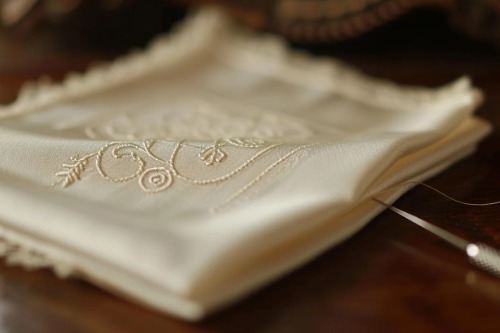
Cloth towels and napkins were once the norm in most households. Disposable paper products replaced them largely for convenience. Reusable cloth options are sturdier and far more absorbent. Over time, they also reduce household waste and recurring expenses.
Cloth items hold up well to repeated washing when properly cared for. They often look better over time instead of deteriorating quickly. Many households find they actually use fewer towels overall. What once seemed old-fashioned now feels resource-conscious.
7. Cooking seasonally and freezing extras
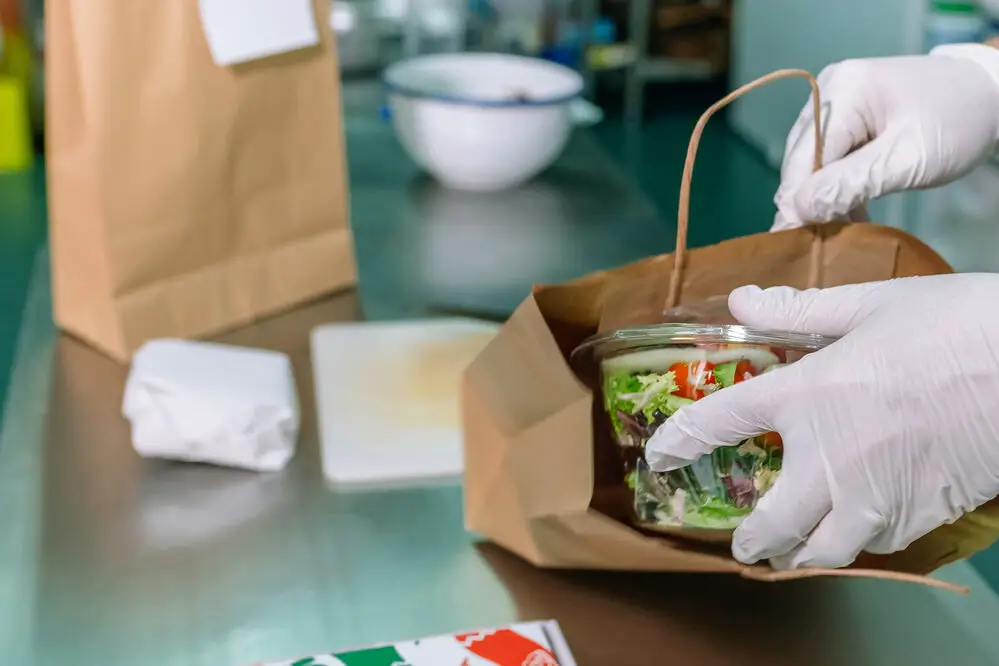
Older households planned meals around what was fresh and available locally. Seasonal produce is usually more affordable and flavorful. Freezing surplus fruits and vegetables preserves nutrients without additives. This approach also reduces food waste significantly.
Modern freezers make this practice easier and safer than in the past. Proper freezing techniques maintain texture and quality for months. Having frozen seasonal food on hand reduces last-minute grocery trips. It’s an old habit that fits modern efficiency perfectly.
8. Pressure cooking
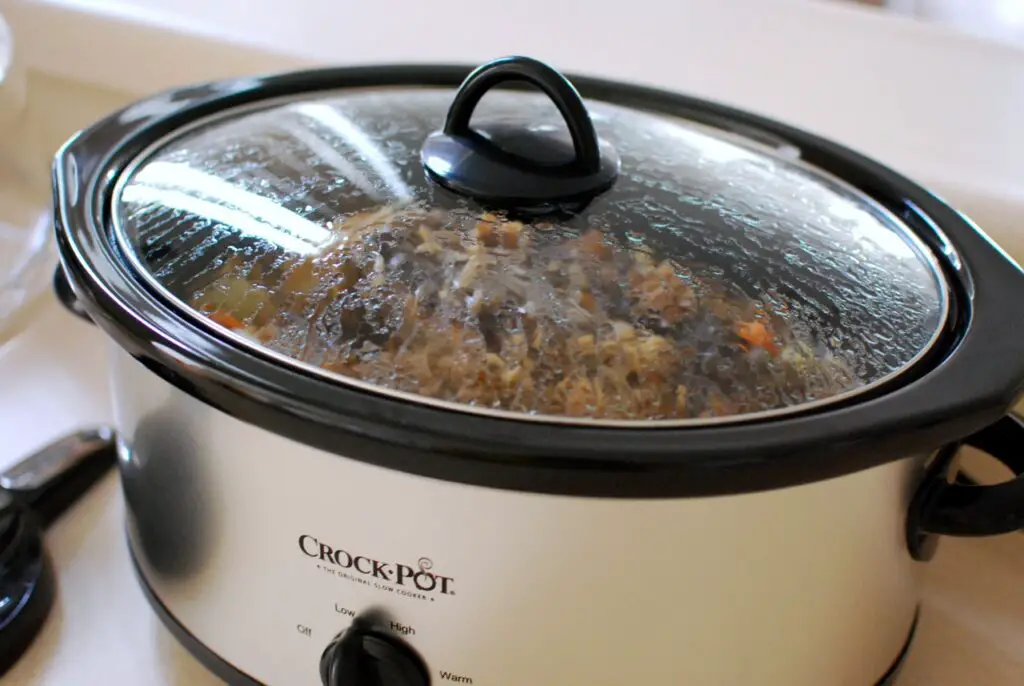
Pressure cookers have existed for over a century, long before modern countertop versions. They were once viewed as intimidating and outdated. Pressure cooking dramatically shortens cooking time while retaining moisture. This makes it ideal for beans, stews, and tougher cuts of meat.
Shorter cooking times also mean lower energy use. Modern designs include improved safety features that reduce earlier risks. The method itself hasn’t changed, only the technology around it. It’s a classic approach that aligns with today’s efficiency goals.
9. Using task lighting instead of whole-room lighting
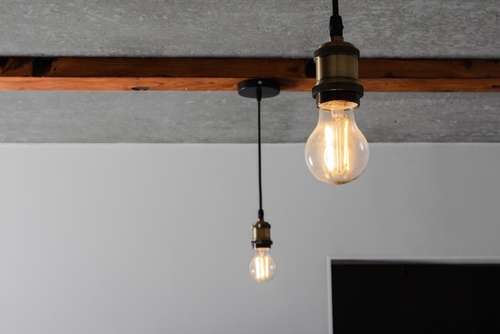
Homes once relied on lamps and focused lighting rather than brightly lighting entire rooms. Task lighting directs light only where it’s needed, such as reading or food prep. This reduces electricity use without sacrificing visibility. It also creates a more comfortable, flexible environment.
Using smaller lights instead of overhead fixtures can significantly cut energy consumption. It allows better control over brightness and ambiance. Many people find it easier on the eyes, especially in the evening. This old approach fits well with modern energy awareness.
10. Repairing instead of replacing household items
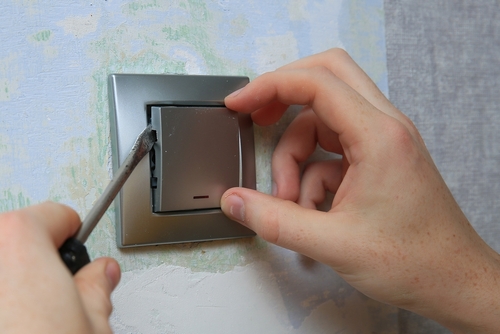
Fixing household items used to be standard practice out of necessity. As goods became cheaper, replacement replaced repair. Many items are still easily fixable with basic tools or parts. Repairing extends the life of products and reduces waste.
Small repairs also save money over time. Learning basic maintenance builds self-reliance and understanding of how things work. It prevents functional items from ending up in landfills. What once felt frugal now feels environmentally responsible.
11. Letting rooms serve multiple purposes
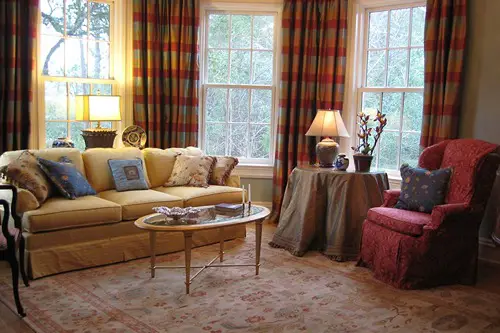
Older homes often had rooms that changed function throughout the day. A dining table doubled as a workspace or homework area. This flexibility made better use of limited square footage. It reduced the need for extra rooms and furniture.
Multi-purpose spaces are increasingly relevant as homes get smaller. Flexible layouts reduce clutter and improve usability. Furniture that adapts supports this approach even more. What once felt informal now feels like smart design.
This post “Outdated” Home Practices That Now Feel Smarter Than Ever was first published on Greenhouse Black.
