
1. Original Movie Posters That Weren’t Restored
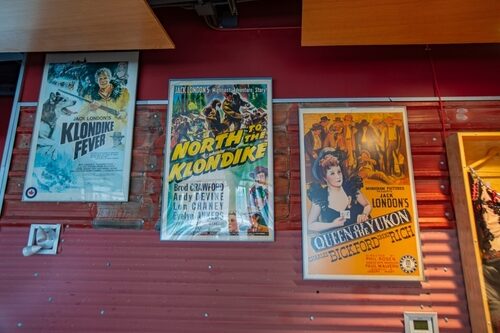
Vintage movie posters were disposable advertising, not art. The posters that survived untouched are now highly collectible. Restoration can flatten folds or repaint colors, but it lowers value. Collectors prefer original paper and inks, flaws included.
Printing methods, paper stock, and aging patterns matter greatly. Restored posters lose those original characteristics. Even professional conservation is carefully scrutinized. The posters nobody “fixed” are the ones museums want.
2. First-Edition Books With Their Original Dust Jackets

Early first editions of famous novels were once just reading material, so most dust jackets were tossed. The copies that survived untouched, especially from the early 20th century, became extraordinarily rare. A first edition of The Great Gatsby, for example, is valuable largely because the original jacket still exists. Replacing or restoring that jacket would destroy what collectors care about most.
The jacket isn’t just packaging, it’s part of the historical artifact. Original typography, colors, and even printing errors are studied closely. Professional restoration may make a book look nicer, but it almost always lowers market value. The books that were left alone are now museum-grade objects.
3. Unrestored Classic Cars With Original Paint
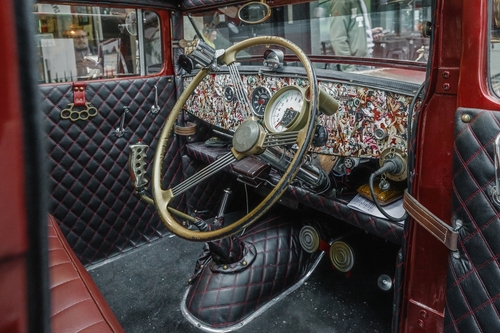
Classic cars that avoided full restorations have surged in value over the past few decades. Original paint, interior materials, and factory welds tell a story restorations erase. A car that still wears its factory finish, even with scratches, is often worth more than a perfectly repainted example. Collectors refer to these as “survivors,” and they’re increasingly rare.
Restoration replaces history with interpretation, no matter how skilled the work. Factory paint formulas, assembly quirks, and aging patterns can’t be duplicated. Buyers want proof the car hasn’t been heavily altered or modernized. The cars no one tried to fix up are now the most sought after.
4. The Apple I Computer That Stayed Stock
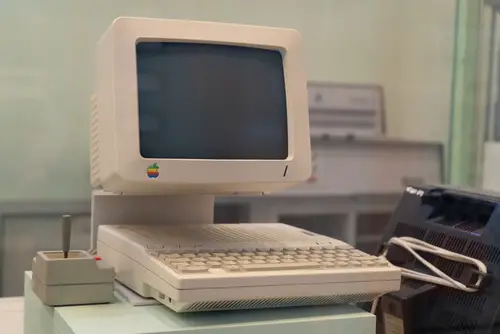
The Apple I was sold as a bare circuit board in the 1970s, and many owners modified theirs. Some were recased, rewired, or updated as technology advanced. The few that remained close to their original configuration became immensely valuable. Today, untouched Apple I units sell for hundreds of thousands of dollars.
What makes them special is their authenticity as early personal computers. Original components, soldering, and even period-correct accessories matter deeply. Later improvements erase the evidence of how these machines actually existed in their era. The computers left alone became historic artifacts rather than obsolete electronics.
5. Vintage Rolex Watches With Original Patina
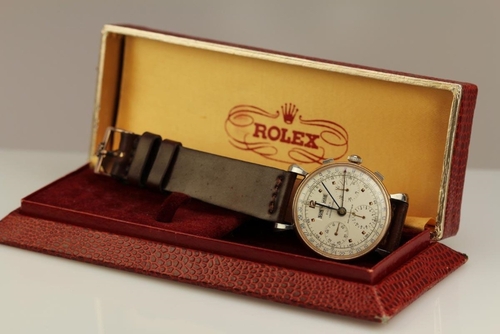
Collectors now prize older Rolex watches that haven’t been polished or rebuilt. Original dials, hands, and fading lume tell collectors the watch hasn’t been tampered with. Polishing a case removes metal and softens edges, which permanently lowers value. Watches that skipped servicing “upgrades” often sell for far more.
Natural patina develops slowly and can’t be recreated convincingly. Even replacement parts from Rolex itself can hurt collectibility. Buyers want the watch as it aged, not as it was refreshed. The watches that weren’t improved became far more desirable.
6. Sealed Early Video Games That Were Never Opened
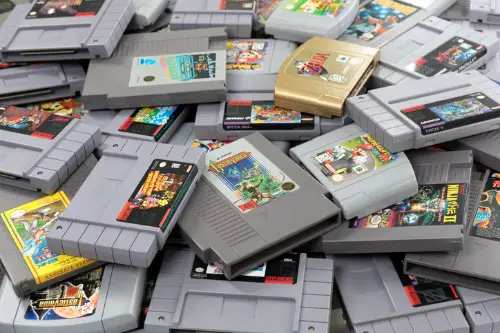
Early video games were meant to be played, so sealed copies are extremely rare. Games like Super Mario Bros. for the NES skyrocketed in value precisely because nobody opened them. Once a seal is broken, the historical condition is gone forever. Even careful handling after opening can’t undo that loss.
Collectors value factory seals, original packaging, and untouched cartridges. Grading companies verify that the game hasn’t been altered or resealed. Improvements like battery replacements or box repairs kill the appeal. The games no one played are now cultural artifacts.
7. Antique Furniture With Its Original Finish
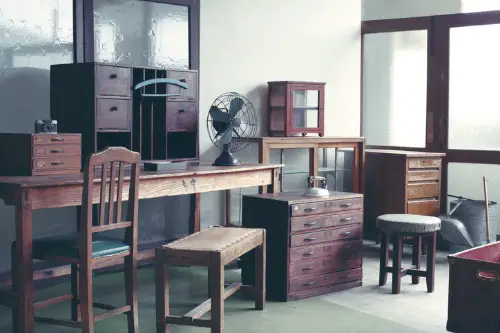
Antique furniture often lost value when owners stripped and refinished it. Original finishes reveal age, craftsmanship, and materials from the period. Once sanded, that surface history is permanently destroyed. Pieces that kept their original finish became more valuable over time.
Collectors can distinguish between aged varnish and modern coatings. Wear patterns show how the furniture was actually used. Refinishing may make a piece prettier, but it removes evidence of authenticity. The untouched pieces command the highest prices.
8. Coins That Were Never Cleaned
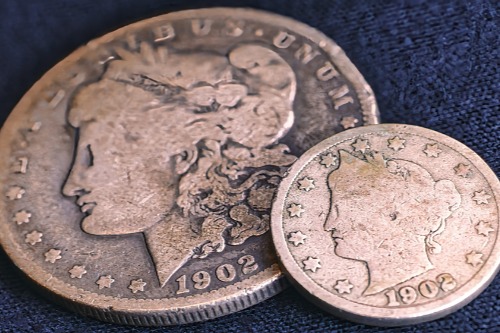
Cleaning coins was once common, but it’s now known to reduce value significantly. Original surfaces, even when tarnished, are critical to collectors. Cleaning removes microscopic details and alters the metal’s appearance. Coins that avoided polishing are worth far more today.
Professional graders can spot cleaned coins immediately. Natural toning develops in ways chemicals can’t replicate. Even gentle cleaning permanently changes the surface. The coins left alone are now the most collectible.
9. Vintage Levi’s 501 Jeans With Original Details
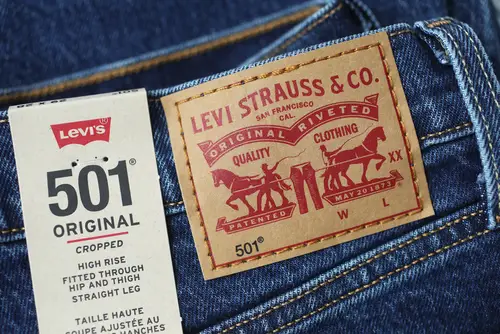
Early Levi’s jeans were workwear, not collectibles, so many were repaired or altered. Original stitching, rivets, patches, and fabric are now extremely valuable. Jeans that were never modified preserve manufacturing details from specific eras. Those details are what collectors pay for today.
Replacing a patch or re-stitching seams ruins authenticity. Even historically accurate repairs reduce value. The wear, fading, and construction tell a verifiable story. Jeans no one tried to fix or update became fashion artifacts.
10. The 1960s Fender Stratocaster That Never Got “Upgraded”
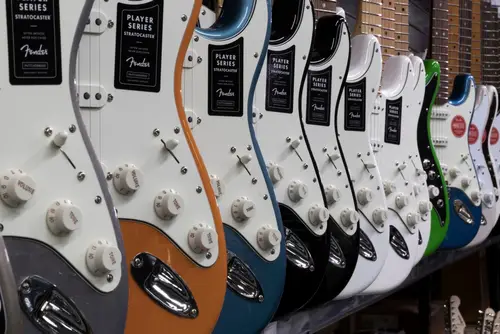
Vintage Stratocasters from the pre-CBS era are prized specifically because their original parts and finishes remain intact. Once players started swapping pickups, refinishing bodies, or replacing tuners, values dropped fast. The guitars that sat quietly in cases kept the exact tonewoods, wiring, and nitrocellulose finishes collectors want today. Their value comes from being time capsules, not from playing better than modern guitars.
Collectors can tell immediately when a Strat has been altered, right down to screw holes and solder joints. Original sunburst finishes fade in recognizable ways that can’t be convincingly recreated. Even wear patterns matter, because they show honest use rather than later tampering. The ones nobody tried to “improve” are now worth hundreds of thousands of dollars.
11. Comic Books That Avoided Restoration
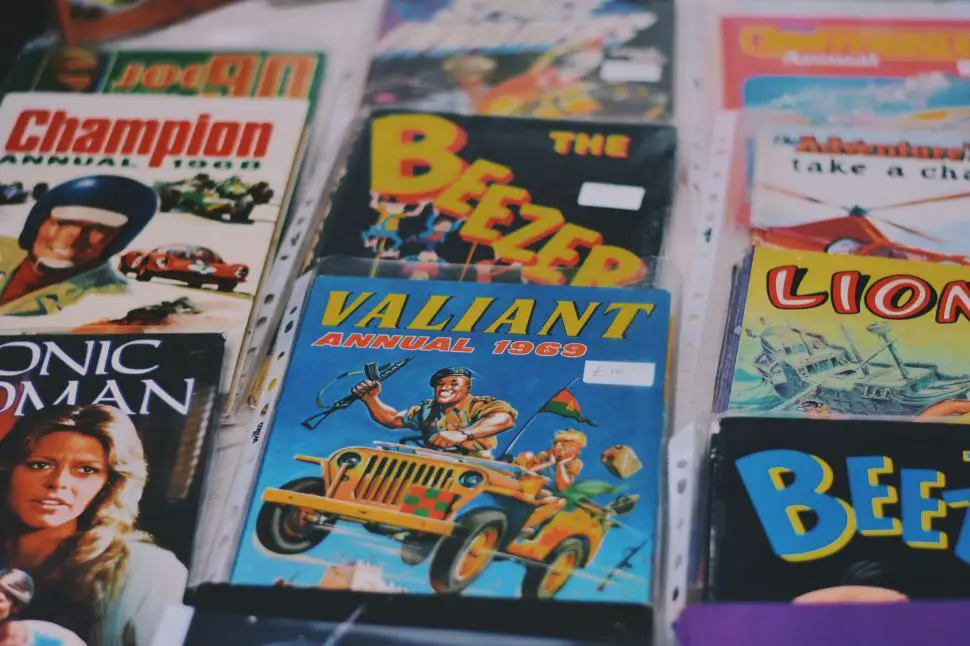
Early comic books were cheaply made and heavily used. Copies that avoided trimming, recoloring, or repairs became extraordinarily rare. Restoration may improve appearance, but it lowers market value. High-grade, unrestored comics sell for the most.
Grading services clearly label restored books, which affects price dramatically. Original paper quality, staples, and inks are closely examined. Once altered, the book loses credibility as a historical object. The comics no one touched are now worth millions.
12. Deadstock 1980s Sneakers Still in the Box
Early sneakers were worn hard and replaced often. Pairs that stayed unworn in their original boxes became extremely rare. Re-gluing soles or replacing laces counts as alteration and reduces value. Collectors want proof the shoes were never improved or repaired.
Original packaging, tissue paper, and factory smell even matter. Aging materials are expected and accepted. Restoration removes evidence of true condition. The sneakers no one wore became museum-level collectibles.
This post 12 Items That Became Valuable Because No One “Improved” Them was first published on Greenhouse Black.
