
1. Natural light shapes how your body feels at home
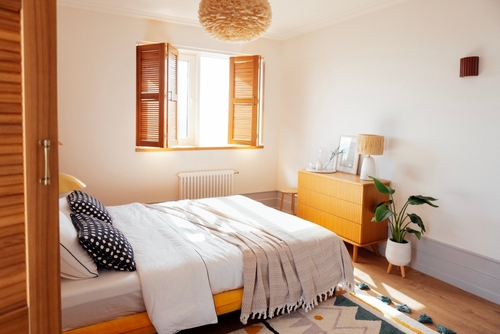
Homes that feel restful usually get ample natural light throughout the day. Exposure to daylight helps regulate circadian rhythms, which directly affect sleep quality, mood, and energy levels. Spaces that are consistently dim or rely on harsh overhead lighting can subtly drain people. Over time, that drain registers emotionally as heaviness.
This matters because light is one of the strongest environmental signals your brain receives. The changing intensity and color of daylight help your nervous system understand time and pace. Even small changes, like opening blinds or placing mirrors to reflect light, can make a difference. A home that aligns with natural light patterns feels easier to exist in.
2. Clutter increases mental workload
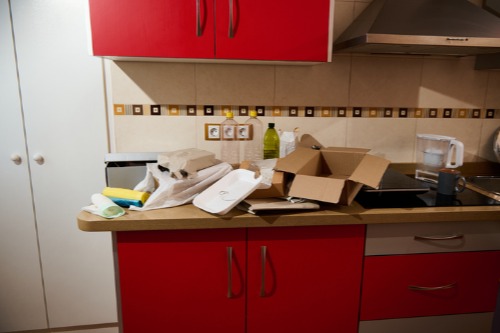
Cluttered homes often feel exhausting without anyone being able to explain why. When many objects are visible, the brain is forced to process more information at once. That constant low-level processing can create tension and fatigue. The space ends up feeling mentally heavy rather than comforting.
There’s a clear reason for including this: visual clutter increases cognitive load. The brain has a harder time filtering what matters and what doesn’t. Restful homes usually limit what’s in sight to items that are functional or emotionally meaningful. This gives the mind fewer decisions to make while at rest.
3. Sound quality affects your nervous system
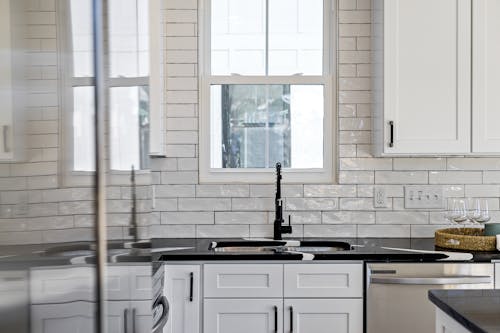
Some homes amplify noise while others soften it. Hard surfaces like tile, glass, and bare walls cause sound to bounce, making even small noises feel sharp. That constant echoing can keep the nervous system slightly on edge. Over time, this contributes to a feeling of unease.
This matters because humans are wired to respond to sound as a safety cue. Restful homes often include soft materials like rugs, curtains, or upholstered furniture that absorb sound. These elements reduce auditory stress without anyone consciously noticing. The result is a space that feels calmer and less demanding.
4. Air quality and ventilation influence comfort

Stale or poorly ventilated air can make a home feel oppressive. High levels of indoor pollutants, humidity, or lingering odors affect breathing and concentration. People may feel tired or irritable without realizing air quality is the cause. That discomfort can translate into a sense of heaviness.
The reason this belongs here is that air quality directly affects physical well-being. Proper ventilation helps regulate temperature, moisture, and oxygen levels. Homes that feel restful often allow fresh air to circulate regularly. Even brief daily ventilation can noticeably change how a space feels.
5. Color choices impact emotional response

Colors influence mood more than most people expect. Dark, muddy, or overly saturated colors can make spaces feel smaller and more intense. Lighter or more balanced tones tend to feel open and calming. The emotional effect builds gradually over time.
This is included because color perception is tied to psychological associations. Certain hues are linked to relaxation, while others stimulate alertness or tension. Restful homes usually use color intentionally rather than accidentally. The goal isn’t trendiness, but emotional balance.
6. Furniture layout affects how your body moves
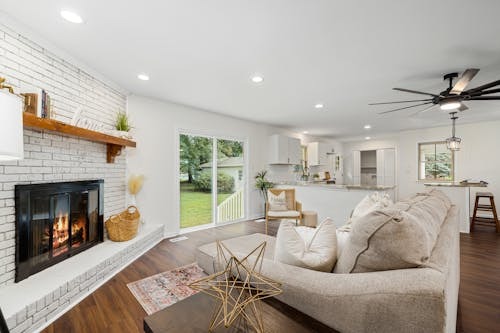
Homes that feel heavy often have awkward or cramped layouts. When furniture blocks natural walking paths, the body has to constantly adjust. That subtle physical effort adds up throughout the day. Movement through the space starts to feel frustrating.
This matters because humans respond strongly to spatial flow. Restful homes usually allow easy, intuitive movement from one area to another. Clear pathways reduce friction and stress. When the body moves comfortably, the mind tends to follow.
7. Personal meaning changes how a space feels

A home filled with impersonal décor can feel oddly empty. Without items that reflect memory or identity, spaces lack emotional warmth. That absence can register as heaviness or disconnection. People may feel like guests in their own homes.
The reason this matters is that emotional attachment affects comfort. Restful homes often include objects with personal stories, like photos or meaningful art. These items create a sense of belonging and safety. The space feels lived-in rather than staged.
8. Temperature consistency affects relaxation

Inconsistent temperatures can keep the body slightly stressed. Rooms that are too cold or too warm disrupt physical comfort. When the body is busy regulating temperature, it’s harder to relax. That discomfort can quietly dominate the experience of a space.
This belongs here because thermal comfort is foundational to rest. Homes that feel calm usually maintain stable, moderate temperatures. This allows the body to stay relaxed without constant adjustment. Comfort becomes the background instead of the problem.
9. Visual noise competes for attention
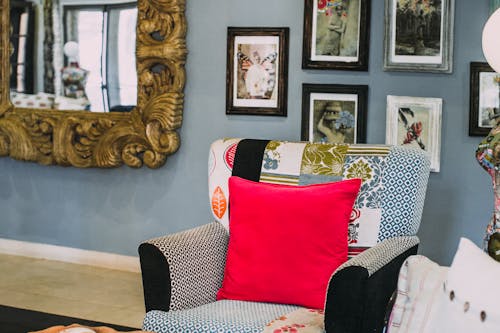
Too many patterns, screens, or competing design elements can overwhelm the senses. Even attractive objects can become exhausting when there are too many of them. The eyes never get a place to rest. Over time, the space feels busy rather than peaceful.
The reason for including this is that the brain craves moments of visual rest. Restful homes tend to balance interest with simplicity. They give the eyes clear focal points and open areas. This visual breathing room supports mental calm.
10. Maintenance level affects subconscious stress

Homes that constantly need fixing can feel draining. Peeling paint, broken fixtures, or unfinished projects act as visual reminders of tasks undone. Even if ignored consciously, they register as background stress. The home starts to feel like work instead of refuge.
This matters because unresolved maintenance creates mental noise. Restful homes don’t need to be perfect, but they feel cared for. Addressing small issues reduces subconscious pressure. The space communicates safety and stability.
11. How a home supports rest determines its emotional weight

Some homes are designed entirely around productivity. There’s nowhere that clearly signals rest or restoration. Without cues for downtime, the nervous system never fully relaxes. The space ends up feeling heavy and relentless.
This is included because rest requires environmental permission. Restful homes intentionally include areas meant for slowing down. Comfortable seating, softer lighting, and reduced stimulation make a difference. When a home supports rest, people feel it almost immediately.
This post Why Some Homes Feel Restful — and Others Feel Heavy was first published on Greenhouse Black.
