
1. Washington, D.C.
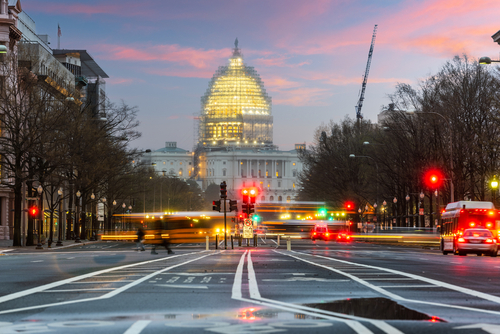
Washington, D.C. appeals to retirees who enjoy culture and walkability. Many underestimate the ongoing cost of living in desirable neighborhoods. Housing prices and rents remain high even for smaller spaces. Everyday expenses mirror those of other major coastal cities.
The pace of the city can also surprise retirees. Tourism and political activity create constant crowds. Public transit is reliable but busy. Some retirees find it harder to fully disengage from work-oriented energy.
2. Los Angeles
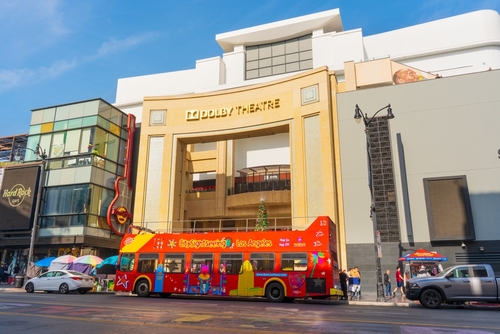
Los Angeles often appeals to retirees because of its weather, but many underestimate how car-dependent life really is. Even short trips can require long drives, and traffic doesn’t ease up after retirement hours. Gas, insurance, and car maintenance costs tend to stay high. Giving up driving later in life can significantly limit independence.
Housing is another underestimated factor. Downsizing doesn’t always mean saving money, especially near the coast or medical centers. Wildfire risk and air quality can affect insurance costs and health planning. Retirees are often surprised by how fragmented the city feels without a strong neighborhood hub.
3. San Francisco
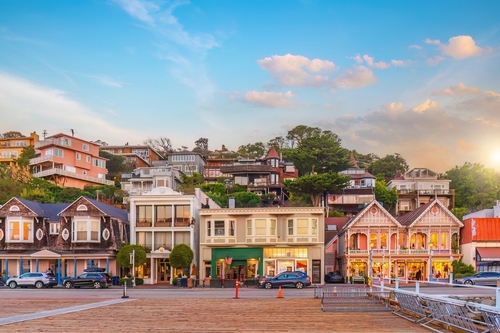
San Francisco’s walkability attracts retirees, but the cost of housing remains a major shock. Even smaller condos come with high prices and substantial HOA fees. Property taxes may be capped for long-term owners, but new buyers face steep assessments. Everyday services like home repairs and caregiving are also costly.
The city’s climate is milder than expected, which some retirees find uncomfortable year-round. Fog and cool temperatures dominate many neighborhoods. Hills that feel charming at first can become physically challenging. Public transit helps, but accessibility varies by area.
4. Seattle

Seattle draws retirees with its natural beauty, but many underestimate the long, gray winters. Short daylight hours can affect mood and daily routines. The climate encourages indoor living for much of the year. This can feel isolating for newcomers without an established social network.
Housing prices and property taxes also catch people off guard. Even suburban areas have seen sustained price growth. While Washington has no state income tax, sales taxes are high. Healthcare is strong, but demand can lead to longer wait times for specialists.
5. Austin

Austin is often seen as affordable, but retirees are surprised by how quickly costs have risen. Property taxes are notably high and increase with home values. Rent and home prices reflect the city’s popularity with younger workers. Fixed incomes can feel stretched faster than expected.
The heat is another underestimated factor. Summers are long and intense, limiting outdoor activity during the day. Air conditioning costs can be significant. Traffic congestion has also grown, making the city feel less manageable over time.
6. Denver

Denver appeals to active retirees, but the altitude is a real adjustment. Some people experience ongoing breathing or sleep issues. Winters can be sunny yet cold, with sudden snowstorms. Weather swings require flexibility and preparation.
Housing affordability is another surprise. Prices have risen sharply, even outside the city core. Property taxes are moderate, but insurance costs can be higher due to hail risk. Access to outdoor recreation is excellent, though crowds have increased.
7. Phoenix
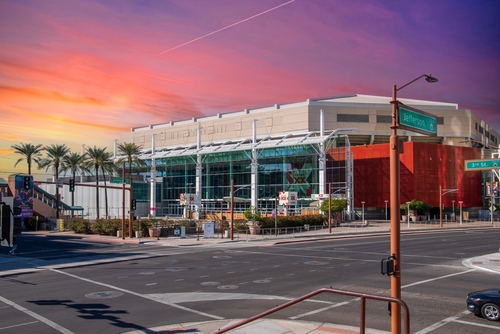
Phoenix attracts retirees with its warm climate, but extreme heat is often underestimated. Summer temperatures can limit outdoor activity for months. Heat-related health concerns become more important with age. Utility bills for cooling can be substantial.
The city’s sprawl is another factor. Many neighborhoods require long drives for medical care and shopping. Public transit options are limited compared to older cities. New retirees are often surprised by how car-centric daily life remains.
8. Miami

Miami’s lifestyle appeals to many retirees, but the cost of living can be unexpectedly high. Housing prices and rents have increased significantly in recent years. Insurance, especially for condos and homeowners, is a major expense. Everyday services often cost more than newcomers expect.
Climate risks are also underestimated. Hurricanes and flooding affect insurance availability and long-term planning. Humidity can be physically draining year-round. Seasonal population swings can strain healthcare access.
9. Chicago
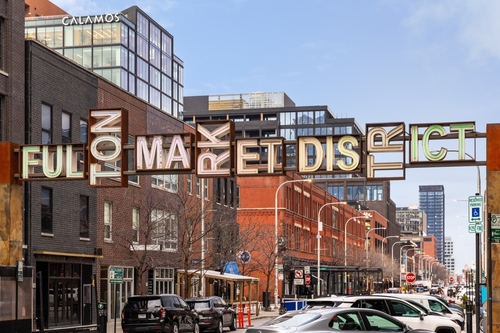
Chicago offers cultural amenities, but retirees often underestimate property taxes. Taxes can rise even when home values stagnate. Utilities and winter heating costs add to annual expenses. These costs can challenge fixed retirement budgets.
Winter weather is another adjustment. Cold temperatures and snow can limit mobility. While public transit is extensive, accessibility varies by neighborhood. Healthcare options are strong, but navigating large systems takes effort.
10. Boston
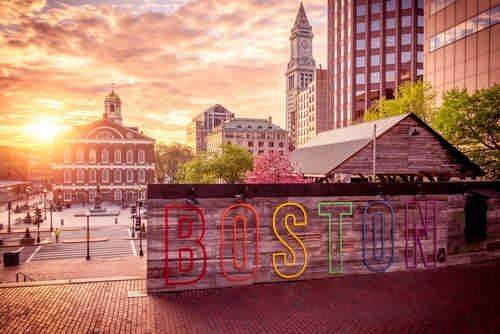
Boston attracts retirees with history and healthcare, but housing costs remain high. Even modest homes or condos command premium prices. Property taxes are reasonable, yet maintenance on older buildings adds up. Downsizing doesn’t always reduce expenses.
The city’s layout can also be demanding. Narrow streets and limited parking complicate driving. Winters are cold and can be icy. Walkability is great, but hills and uneven sidewalks require care.
11. New York City

Many new retirees underestimate just how expensive everyday convenience can be in New York City. Even with senior discounts, groceries, dining out, and building fees add up fast. Rent-stabilized units exist, but they’re rare and highly competitive. Property taxes outside Manhattan can still surprise people moving from lower-cost states.
Another common surprise is how physically demanding the city can be over time. Walking and stairs are part of daily life, especially in older buildings without elevators. Public transportation is extensive, but delays and crowds can wear on people who value predictability. Healthcare access is excellent, yet navigating large hospital systems takes patience.
12. San Diego
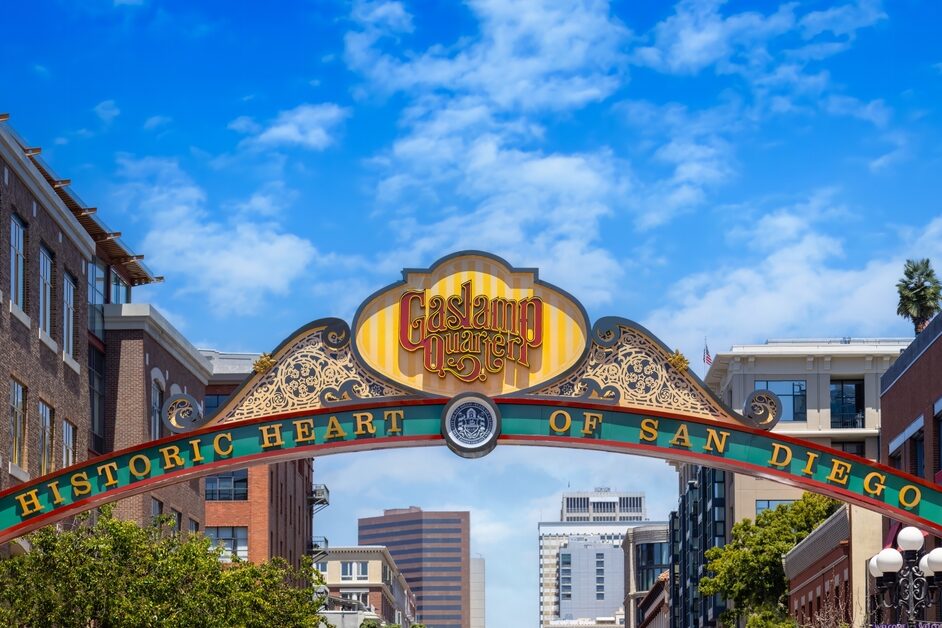
San Diego’s climate is appealing, but housing costs are often underestimated. Coastal proximity drives prices up across the region. Downsizing still means paying a premium. Property taxes are moderate, but overall affordability remains a challenge.
Water costs and environmental restrictions can also surprise newcomers. Drought conditions affect landscaping and utilities. Traffic has increased as the population grows. Retirees may find certain neighborhoods less relaxed than expected.
13. Portland
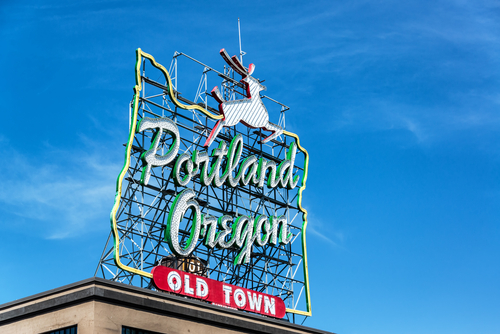
Portland draws retirees with its culture, but gray winters can be challenging. Persistent rain limits outdoor plans for months. Seasonal affective issues are common among newcomers. Adjusting expectations is important for long-term comfort.
Housing affordability has shifted in recent years. Prices rose quickly, catching many retirees off guard. Property taxes are moderate, but income taxes are high. Access to healthcare is good, though demand has increased.
14. Nashville
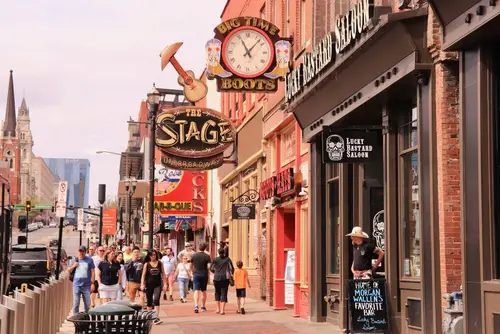
Nashville is often seen as affordable, but retirees underestimate rising housing costs. Demand has pushed prices up across the metro area. Property taxes are reasonable, yet insurance and maintenance costs add up. Living close to amenities often costs more than expected.
The city’s growth affects daily life. Traffic congestion has increased significantly. Public transportation options remain limited. Retirees are sometimes surprised by how car-dependent the city feels.
This post What New Retirees Underestimate About Living in These 14 Cities was first published on Greenhouse Black.
