
1. Residential-Size Refrigerators
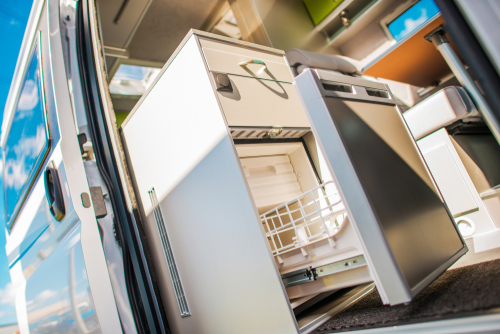
A full-size fridge feels like a luxury upgrade, especially if you’re coming from a tiny RV absorption unit. The catch is that residential refrigerators are power-hungry and rely on inverters and batteries to run off-grid. If you’re not plugged in, they can drain your battery bank faster than expected. That’s a rude surprise if you planned on boondocking for a few days.
They’re also heavier and more sensitive to road conditions. Bumpy travel can stress components that were never designed for constant vibration. Repairs aren’t always RV-specific, which means longer wait times and fewer techs who want the job. What felt like a homey upgrade can quietly complicate your electrical system and travel plans.
2. Massive Slide-Outs Everywhere
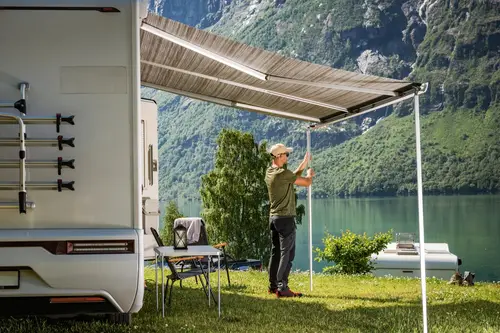
Big slide-outs look incredible on the showroom floor because they make a compact RV feel like a downtown loft. The problem is that every slide adds weight, complexity, and more moving parts that can fail on the road. Seals can leak, motors can burn out, and misalignment happens more often than brochures admit. When a slide fails, you’re not just uncomfortable—you might not be able to travel at all.
They also limit where you can camp, which isn’t obvious at first. Tight forest sites, older campgrounds, and uneven terrain suddenly become off-limits. You may find yourself jockeying for oversized pull-through sites just to extend your living space. That “open concept” starts to feel a lot less freeing when it dictates your entire trip.
3. All-Electric RV Setups

All-electric RVs sound futuristic and eco-friendly, especially with induction cooktops and electric water heaters. In reality, they demand a serious battery and inverter setup to function properly. Without shore power, you’re constantly doing mental math about what you can and can’t run. One cold morning or cooking-heavy evening can blow your energy budget.
Cold weather makes this trend even trickier. Lithium batteries lose efficiency in low temperatures unless they’re heated, which adds cost and complexity. Electric heating pulls massive amounts of power compared to propane. The concept is impressive, but execution still requires careful planning and deep pockets.
4. App-Controlled “Smart RV” Systems
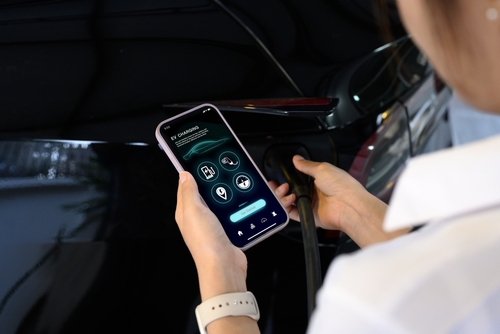
Controlling lights, slides, and climate from your phone sounds slick and modern. The issue is that these systems often rely on proprietary software that isn’t always stable. When the app glitches, basic functions can become frustratingly inaccessible. Sometimes a light switch is just more reliable than a touchscreen.
Updates and compatibility can also be a headache. Older phones, weak Wi-Fi signals, or software bugs can knock systems offline. If something fails, troubleshooting usually means waiting for a dealer instead of fixing it yourself. The tech feels cutting-edge until you’re stuck rebooting your RV like a laptop.
5. Ultra-Lightweight Construction
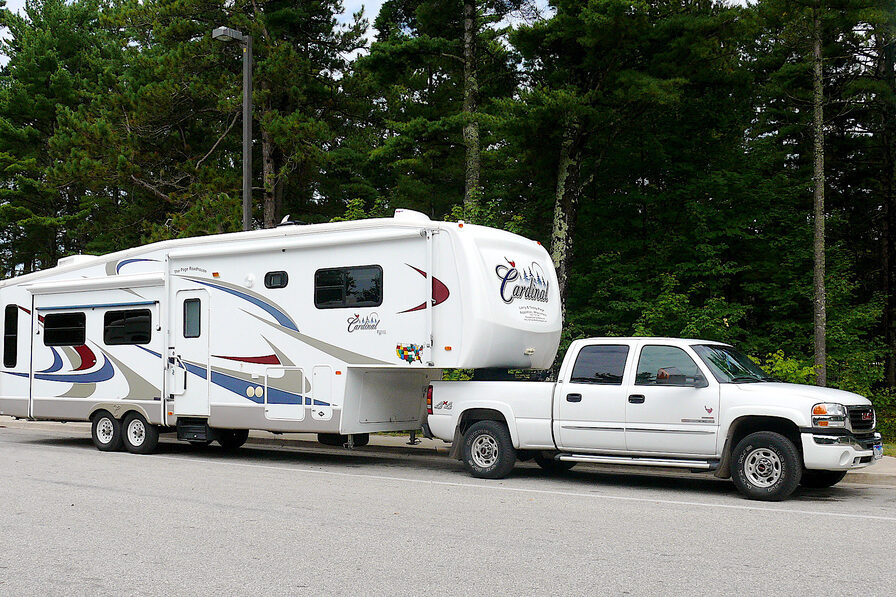
Lightweight RVs promise better fuel economy and easier towing, which is genuinely appealing. To achieve that weight savings, manufacturers often use thinner materials and lighter framing. Over time, that can translate into more flex, squeaks, and wear. What you save at the pump may cost you in longevity.
These rigs can also feel less solid in bad weather. Strong winds, heavy rain, or rough roads tend to expose the compromises made to cut weight. Cabinets loosen, walls feel softer, and insulation is often minimal. It’s a trade-off that’s rarely obvious during a quick walkthrough.
6. Huge Touchscreen Control Panels
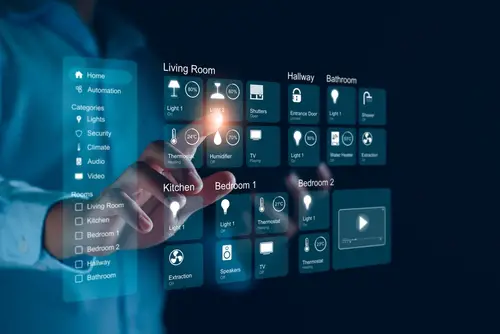
Centralized touchscreen panels look sleek and reduce visual clutter. The downside is that they create a single point of failure for multiple systems. If the screen goes down, you may lose access to lights, tanks, or climate controls all at once. That’s a lot of power riding on one piece of hardware.
They’re also not always intuitive to use while traveling. Glare, lag, and small icons can make simple tasks annoying. In contrast, physical switches work in any lighting and don’t need boot-up time. High-tech control feels great until you just want to turn something on quickly.
7. Outdoor Kitchens
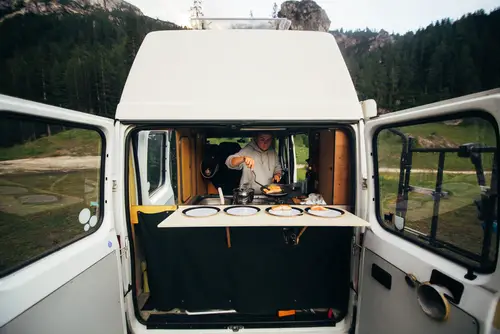
Outdoor kitchens photograph beautifully and sell the idea of effortless campsite entertaining. In practice, many owners realize they rarely use them beyond the first few trips. Weather, bugs, and limited counter space often push cooking back indoors. After a while, the feature becomes expensive storage.
They also add plumbing and appliances exposed to the elements. That means more winterizing, more maintenance, and more things that can leak or break. The space they occupy could have been used for interior storage instead. What looks like a lifestyle upgrade often ends up as a novelty.
8. Tankless Water Heaters

Tankless water heaters promise endless hot water, which sounds perfect for RV living. The reality is that many RV-sized units struggle with consistent temperature control. Water pressure changes can cause sudden bursts of cold or hot water. That’s especially noticeable when someone else turns on a faucet.
They also require higher gas flow and specific maintenance. In colder climates, performance can drop significantly. Repairs are more specialized than traditional tank heaters. Endless hot water is great in theory, but the experience can be less smooth than expected.
9. Toy Hauler Patio Decks

Rear patio decks on toy haulers look like the ultimate outdoor lounge. They do work well in certain settings, especially wide-open campgrounds or events. The downside is added weight, mechanical complexity, and setup time. You’re hauling around a feature you might only use occasionally.
They can also limit where you park and how you balance weight. Deploying the patio isn’t always possible on uneven ground. Weather can shut it down entirely. It’s an impressive feature that demands the right conditions to shine.
10. Full-Body Paint Jobs
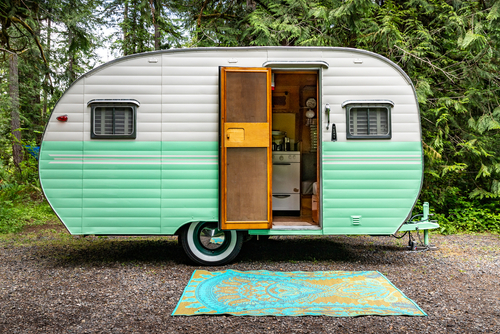
Full-body paint makes an RV look high-end and polished. Unfortunately, it also raises repair and maintenance costs significantly. Scratches, chips, or sun fading are more expensive to fix than decals. You may find yourself worrying more about appearances than enjoying the trip.
Paint also adds weight and can trap heat. In hot climates, darker paint schemes contribute to higher interior temperatures. Long-term exposure to sun requires diligent care to avoid oxidation. The visual wow factor comes with ongoing responsibility.
11. Lithium Battery Banks for Everyone
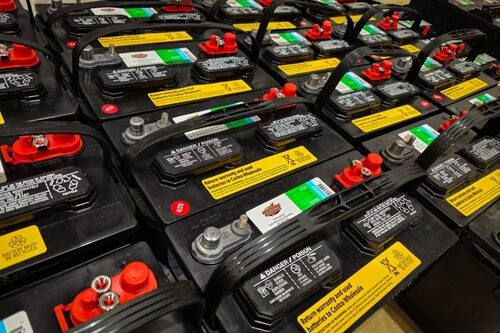
Lithium batteries are a real upgrade in many cases, offering faster charging and deeper usable capacity. They’re not a universal solution, though, especially for casual campers. The upfront cost is high, and supporting components like chargers and controllers often need upgrades too. It’s easy to overspend for benefits you won’t fully use.
Cold weather performance is another consideration. Many lithium batteries can’t charge below freezing without built-in heaters. That adds complexity and power draw. The technology is impressive, but it shines most when matched to the right travel style.
This post RV Trends That Look Impressive — Until They Don’t was first published on Greenhouse Black.
