
1. Vintage costume jewelry
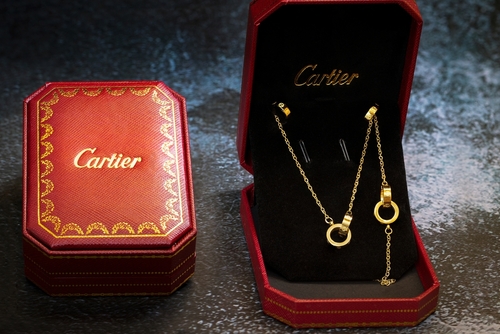
Costume jewelry is frequently mistaken for worthless because it isn’t solid gold or silver. Pieces from mid-century designers like Trifari, Monet, and Coro are actively collected. Signed clasps, unusual stones, and intact sets can raise the value significantly. Older manufacturing techniques often make these items more durable than modern fast fashion jewelry.
Even unsigned pieces can be valuable if the style matches a known era or trend. Art Deco, retro, and early plastic designs like Bakelite are especially sought after. People often toss tangled jewelry without realizing it can be sorted and sold individually. A quick inspection under good light can reveal maker marks that change everything.
2. Old smartphones
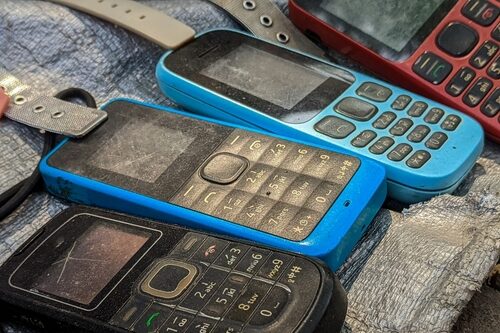
That drawer full of outdated phones looks useless, but it can quietly hold real value. Even broken smartphones can be resold for parts like screens, cameras, and logic boards. Models from Apple and Samsung in particular retain resale demand longer than people expect. Collectors and refurbishers often want specific storage sizes or discontinued colors.
Phones also contain recoverable precious metals, including small amounts of gold and palladium. Trade-in programs and electronics recyclers will often pay cash or credit for them. Before tossing one, wipe the data and check current buyback prices online. What feels obsolete to you may still be profitable to someone restoring devices.
3. Hardcover books with early printings
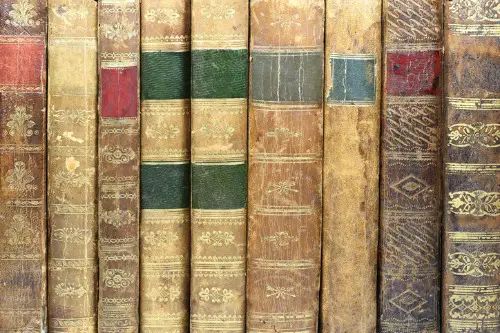
Many people donate or toss hardcover books assuming only rare novels are worth money. First printings, book club editions, and out-of-print nonfiction can all have resale value. Dust jackets matter more than most people realize and can double a book’s price. Even cookbooks and manuals become collectible when tied to a known author or era.
Condition plays a huge role, but lightly worn books can still sell. Topics like regional history, crafts, and discontinued textbooks often attract niche buyers. Checking the copyright page reveals printing details that affect value. What seems like shelf clutter may be valuable to a specialized collector.
4. Vinyl records
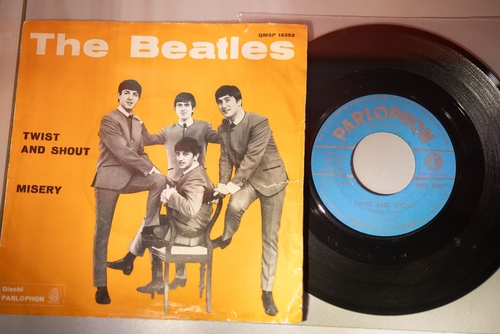
Vinyl records are often discarded when people switch to streaming or digital formats. Original pressings, limited runs, and certain genres hold steady collector demand. Jazz, classic rock, punk, and early hip-hop records are especially desirable. Labels, matrix numbers, and cover art all factor into a record’s worth.
Even scratched records can sell if the title is rare. Sleeves and inserts matter almost as much as the vinyl itself. People commonly underestimate how many collectors buy records to display, not play. A small stack of the right albums can be worth far more than expected.
5. Old video game cartridges and consoles
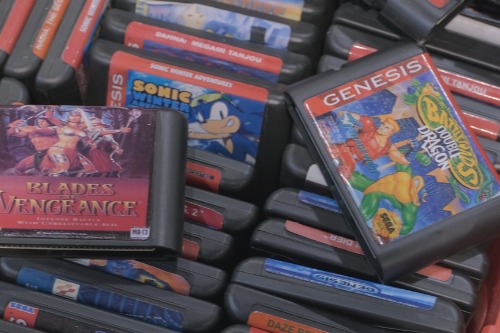
Outdated video games often get tossed once newer systems arrive. Cartridges and consoles from Nintendo, Sega, and Sony are heavily collected. Original packaging, manuals, and working condition increase value. Some discontinued games sell for hundreds due to limited production.
Even nonworking consoles can be sold for parts or repair. Certain games spike in value due to speedrunning or nostalgia trends. People often throw these away without checking current resale markets. A childhood box in the attic can quietly become a collector’s item.
6. Sterling silver flatware
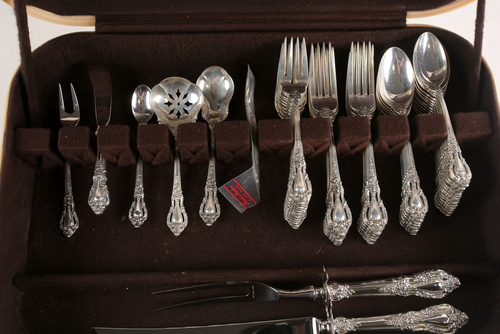
Silverware is frequently discarded because it looks tarnished or mismatched. Sterling silver pieces are valuable for both resale and melt value. Hallmarks like “925” or brand names indicate real silver content. Older patterns from known makers are often collectible.
Even bent or damaged pieces still hold intrinsic value. Silver prices fluctuate, but sterling consistently retains worth. Many people confuse silver-plated items with solid silver. A simple magnet test and hallmark check can prevent an expensive mistake.
7. Vintage Pyrex and Fire-King dishes
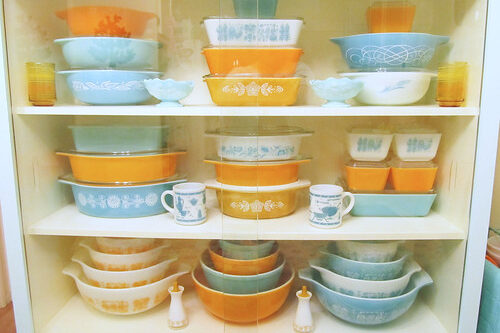
Colorful glass bowls and casseroles often get donated during kitchen cleanouts. Certain Pyrex and Fire-King patterns are highly collectible. Mid-century designs like Butterprint and Gooseberry attract strong demand. Condition and pattern rarity matter more than age alone.
These items were built for durability, which helps them survive decades. Collectors use them for both display and daily cooking. People frequently underestimate their value because they were once common household items. A single patterned bowl can sell for more than a full modern set.
8. Old hand tools
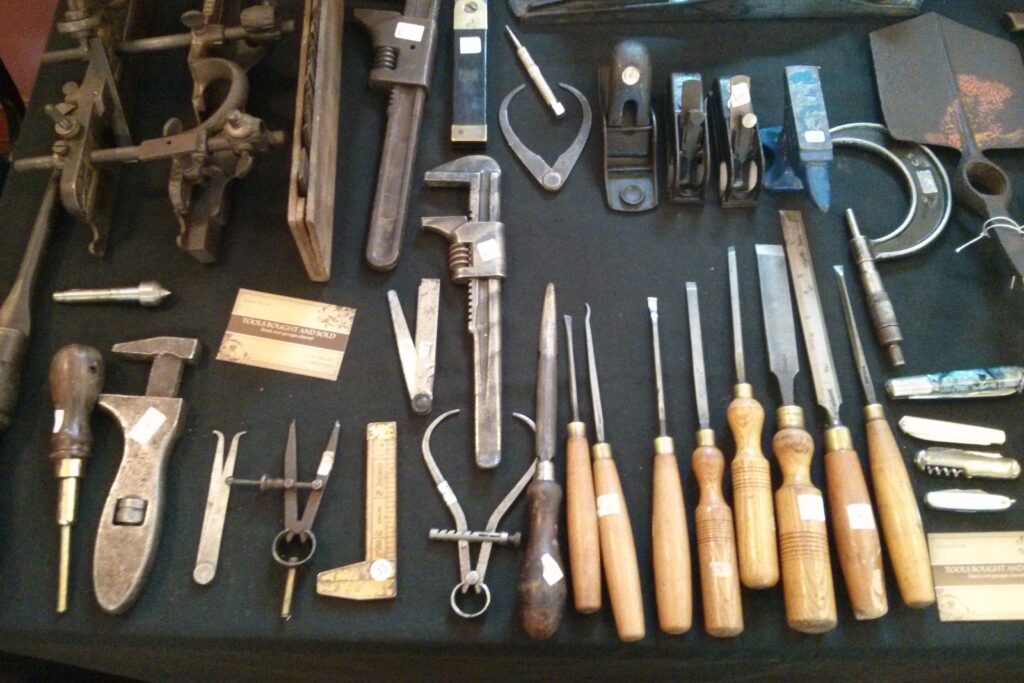
Older hand tools are often tossed once they show rust or wear. Many vintage tools were made with higher-quality steel than modern versions. Brands stamped with “Made in USA” are especially desirable. Wooden handles and unique shapes help date and identify valuable pieces.
Collectors and tradespeople actively seek tools that can be restored. Planes, wrenches, and chisels are particularly popular. Surface rust rarely affects usability or value. What looks worn may actually signal age and craftsmanship.
9. Film cameras and vintage lenses

Film cameras are often discarded because digital photography dominates. Certain camera bodies and lenses are still used by professionals and hobbyists. Brands like Nikon, Canon, Leica, and Pentax retain strong resale value. Manual lenses can be adapted for use on modern digital cameras.
Condition and lens clarity matter more than cosmetic wear. Even broken cameras can sell for parts. Film photography has experienced a steady resurgence. A dusty camera bag may contain equipment worth hundreds.
10. Vintage holiday decorations
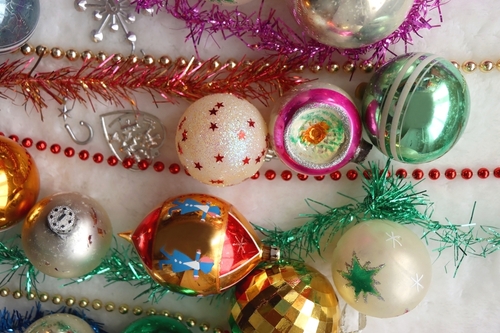
Old holiday décor is commonly purged to make room for new styles. Glass ornaments, ceramic trees, and paper decorations are widely collected. Mid-century Christmas items are especially popular. Original boxes increase desirability and value.
These items often reflect craftsmanship no longer mass-produced. Collectors look for specific manufacturers and color variations. People frequently toss them due to minor wear or fading. What feels outdated to one person can feel nostalgic to another.
11. Old coins and loose change
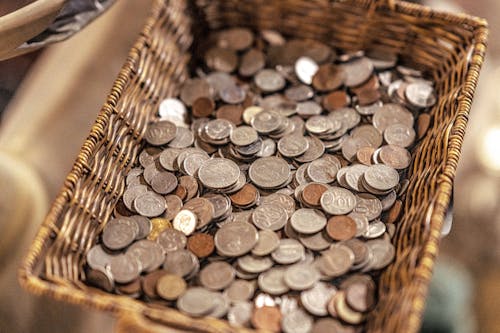
Loose change often gets ignored or dumped during cleanouts. Older coins may contain silver or have collectible value. U.S. coins minted before certain years have precious metal content. Errors and limited mint runs increase desirability.
Condition matters, but even worn coins can be valuable. Foreign coins also attract collectors. Many people assume only rare coins are worth keeping. A small jar of change can quietly add up.
12. Vintage band and graphic T-shirts
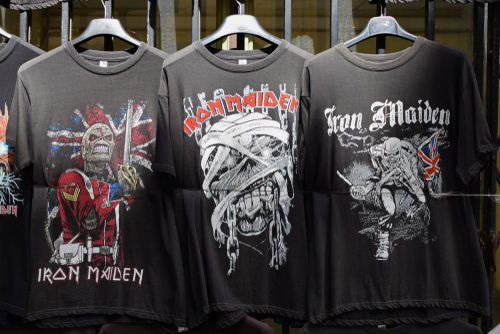
Old T-shirts are often tossed once they fade or show wear. Original concert and promotional tees are highly collectible. Single-stitch construction helps identify older shirts. Bands, movies, and brands from the 1980s and 1990s are especially popular.
Wear and fading can actually increase appeal. Authenticity matters more than perfect condition. People frequently mistake reproductions for originals and vice versa. A soft, worn shirt can sell for far more than expected.
13. China and porcelain sets
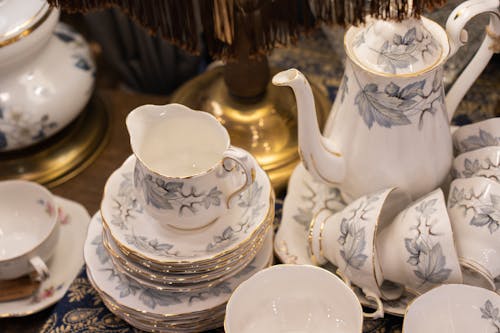
Formal dish sets are commonly discarded because they feel impractical. Bone china and porcelain from known makers retain resale value. Patterns that are discontinued are often in demand. Even partial sets can sell to people replacing broken pieces.
Marks on the bottom identify manufacturer and age. Hand-painted details increase desirability. People often toss these due to space concerns. Collectors value craftsmanship and history over daily use.
14. Old postcards and paper ephemera
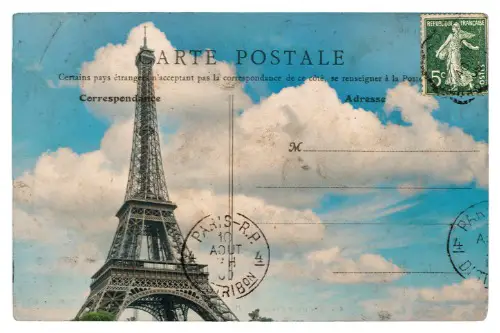
Paper items are often thrown away because they seem fragile or cluttered. Postcards, pamphlets, and tickets document local and cultural history. Certain locations, events, or artwork raise value. Condition matters, but age and subject matter matter more.
Collectors organize these by theme or region. Even written postcards can be more desirable than blank ones. People underestimate how niche collectors drive demand. A small stack can represent decades of preserved history.
15. Original artwork and prints
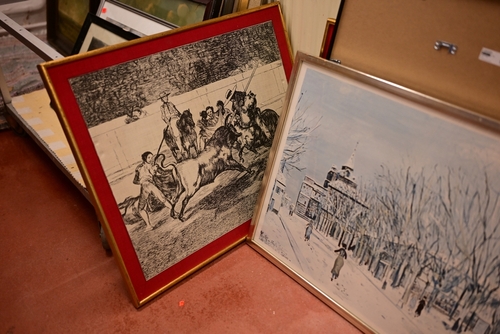
Framed art often gets tossed if the artist is unfamiliar. Signed prints, lithographs, and local artwork can hold value. Limited edition numbers and signatures are key details. Regional artists often develop followings over time.
Condition of the paper and frame affects price. People frequently discard art without checking the artist. Even modest pieces can appeal to decorators and collectors. What doesn’t match your taste may still have a market.
This post 15 Items People Toss During Cleanouts Without Realizing Their Value was first published on Greenhouse Black.
