
1. Rubber Gloves (Household Cleaning)
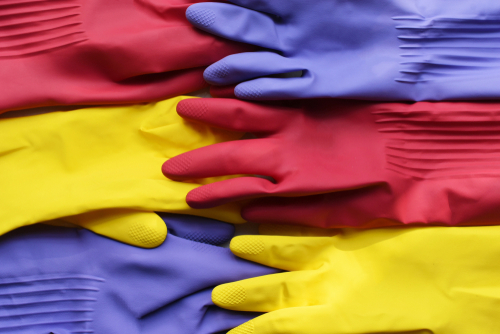
Often stuck in the cleaning section, rubber and nitrile gloves vanished from shelves in early pandemic waves. Healthcare demand skyrocketed, and general‑purpose gloves were diverted or bought up quickly. Households trying to maintain sanitation standards found limited options.
Shoppers resorted to garden gloves or even double‑layering dish gloves for protection. Some stores rationed the remaining stock. It was a small item with a big impact on everyday cleaning routines. And it taught many that sometimes the simplest tools are the most essential.
2. AA and AAA Batteries
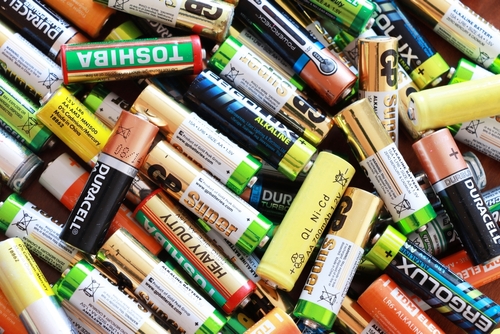
For something so small, batteries have become surprisingly elusive. With the rise of wireless devices, demand surged — and then pandemic‑related production slowdowns hit factories overseas. There were weeks where store shelves were half-empty, and suddenly every TV remote and toy felt like a treasure hunt.
It turned a simple errand into a mini quest, especially for specific brands or multipacks. Rechargeable options helped some, but even those were under pressure. When you finally spot that last pack in a bin, you know the satisfaction is real. Folks started buying extras “just in case” — which only made things tighter.
3. Flour
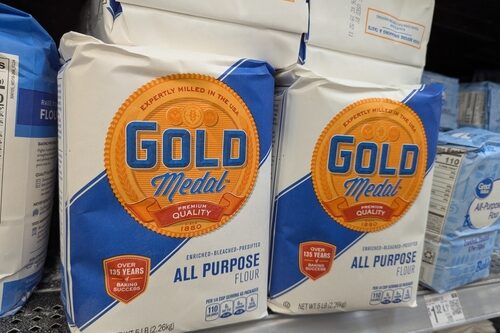
If you bake, you know the feeling: you reach for flour and… nothing. Early in the pandemic, flour disappeared faster than you could say “sourdough starter.” With everyone home and experimenting in the kitchen, demand shot up while mill operations struggled with labor and distribution issues.
It wasn’t a permanent famine, but for months some stores limited purchases. Home bakers traded tips on alternative flours, and many discovered gluten‑free or whole grain options. The shortage highlighted how much we take basic staples for granted — until they’re gone.
4. Canned Tomatoes
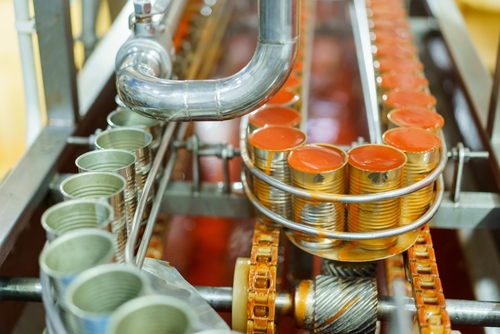
Yes, the humble can of crushed tomatoes became harder to find. Heat waves in key growing regions affected crop yields, and that squeezed supply for manufacturers who can and ship them. By the time jars and cans hit shelves, quantities were often reduced or sizes altered without much notice.
For people who rely on tomato sauce as a dinner foundation, it was a real inconvenience. You’d end up grabbing whatever variant was left — fire‑roasted, petite diced, or seasoned — just to fill the pantry. It made simple spaghetti night feel like a strategic shopping mission. And it reminded everyone that even canned goods can depend on weather and agriculture.
5. Shipping Boxes
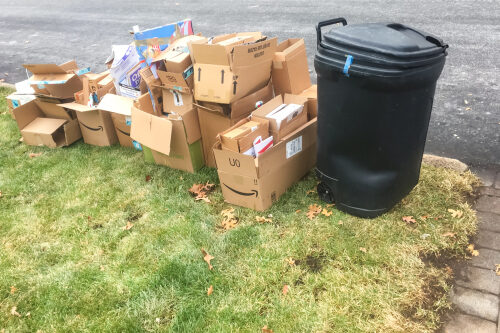
Not kitchenware, but absolutely a household item during moves and online selling seasons. With supply chain disruptions and fluctuating demand from e‑commerce, corrugated boxes weren’t always easy to source. Brick‑and‑mortar stores that once gave them away free had fewer to spare, and prices for new boxes went up.
People started reusing and repurposing every box they had, turning living rooms into cardboard forts. Some bought heavy honeycomb panels or rigid containers instead. The shortage taught many to stash boxes when they had them — a habit that’s stuck around. It’s one of those things you don’t think about until you really need one.
6. Wood Screws and Fasteners
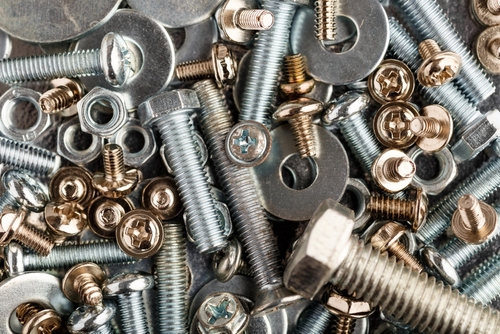
Home improvement projects slowed when the little bits that hold everything together became scarce. Global lumber and metal price swings affected manufacturers, and supply bottlenecks meant deliveries were delayed. Suddenly the simple pack of screws you always grabbed was out of stock.
DIYers learned creative workarounds, like trading with neighbors or substituting screw types. Hardware stores started limiting how many you could buy at once. It wasn’t a headline item, but if you’ve ever tried to assemble furniture without the right screw? You feel it. It emphasized how even tiny components are critical to everyday tasks.
7. Printer Ink Cartridges
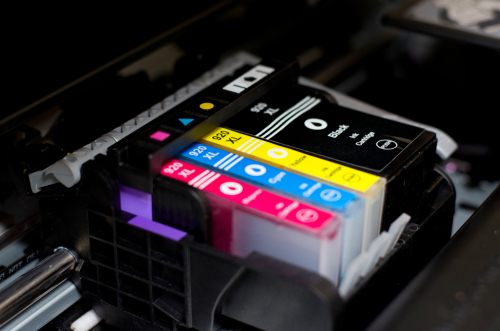
More people working from home meant printers got a workout — and ink ran out faster than expected. Coupled with chip shortages that slowed electronics production, replacement cartridges were hard to find. Shelves that once held rows of options had random, mismatched packages.
Consumers hunted for compatible third‑party inks or switched to refillable models. Offices and students alike felt the pinch. Suddenly a color cartridge was as coveted as concert tickets. It was a reminder that consumables matter just as much as the devices themselves.
8. Light Bulbs
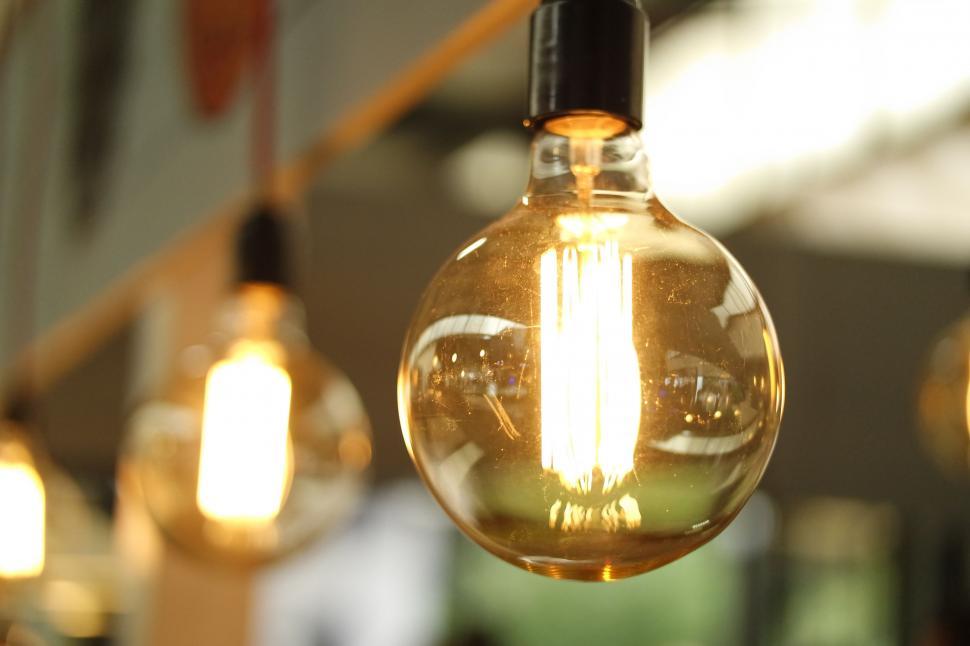
Not all light bulbs, but specific types — especially specialty sizes and smart bulbs. Factory closures and raw material shortages made certain shapes and technologies less available. Retailers would have general A‑19 bulbs but run out of candelabra or GU10 options quickly.
Home decorators had to rethink fixtures or wait weeks for restocks. Smart lighting systems faced delays too, as semiconductor shortages impacted production. This made even simple lighting upgrades a planning exercise. It proved that even basic household illumination depends on complex supply chains.
9. Laundry Detergent
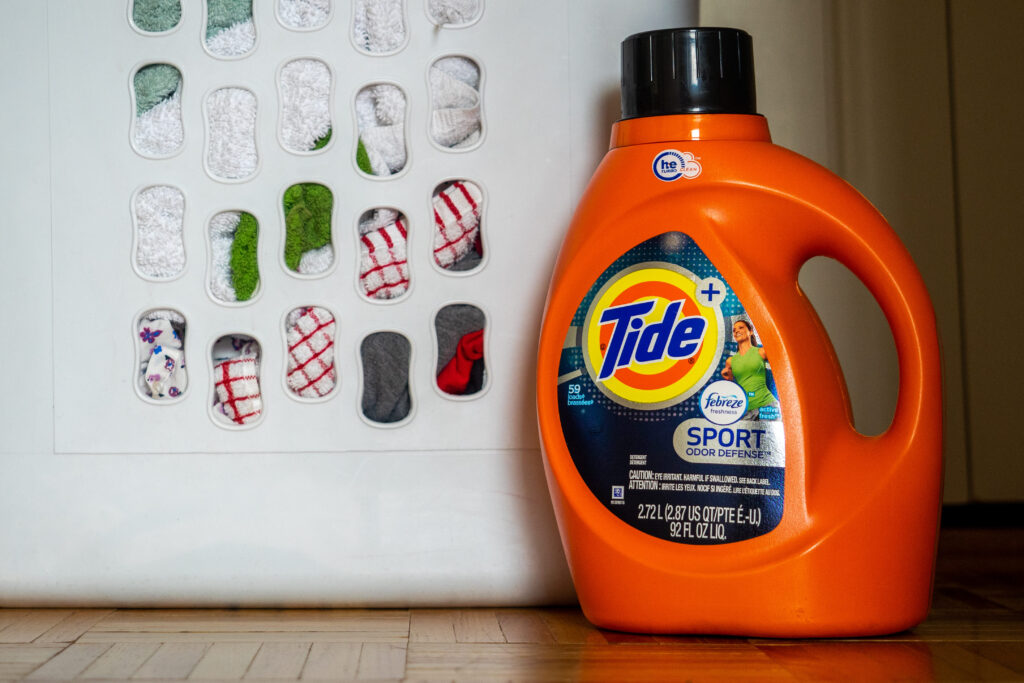
You might not expect it, but specific detergent sizes and scents became scarce. Higher demand during lockdowns, combined with logistics slowdowns, meant some formulas sold out faster than they could be restocked. Stores sometimes substituted larger sizes or different brands just to fill shelves.
Consumers who were loyal to a scent or sensitive‑skin formula felt stuck. Some bought online at inflated prices or stocked up when they could. It forced people to try alternatives they’d never considered. The shortage underscored how everyday routines rely on a steady flow of products.
10. Pasta
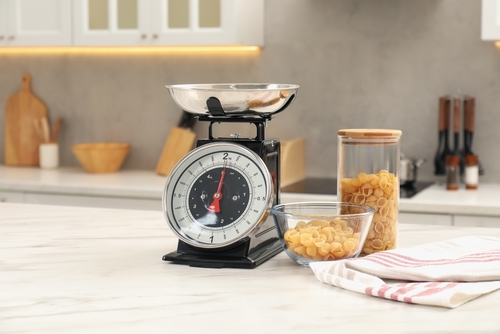
Especially particular shapes like penne or fusilli — apparently those die cutters matter. Increased demand during home cooking booms and supply chain snags in wheat exporting regions tightened availability. Some supermarkets implemented limits on how many boxes a person could buy.
Pantry staples became tactical decisions: do you stock spaghetti or hope for rigatoni next week? Home cooks improvised with whatever was on hand. It brought back memories of rationing and resourcefulness. And it reinforced how global agricultural markets impact your cupboard.
11. Paint (Certain Colors and Finishes)
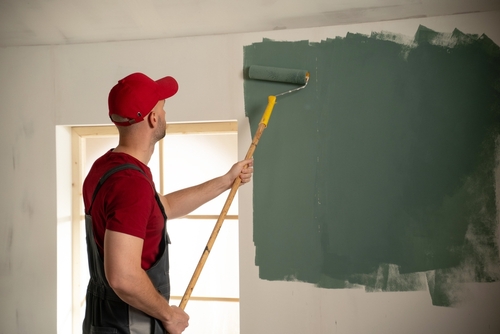
Not all paint was hard to find, but niche colors and specialty finishes definitely were. With manufacturing slowdowns and raw materials like titanium dioxide in tight supply, many brands focused on their best‑selling basics. That left designers and DIY painters waiting for custom or trend‑driven hues.
Home projects got delayed or redesigned around what was available. People started experimenting more with wallpaper and decals out of frustration. It showed that even design choices can be at the mercy of wider market forces. Getting that perfect accent wall became an exercise in patience.
12. Toilet Paper
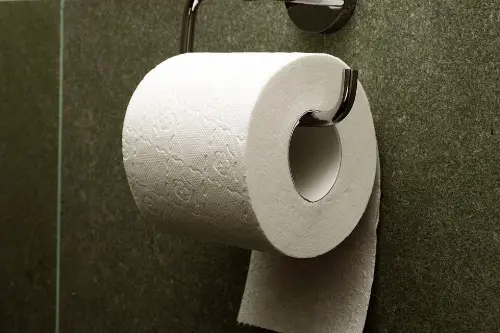
Remember the great toilet paper shortage of 2020? Stores that used to stock aisles full suddenly had bare shelves, and people were literally trading packs like baseball cards. It wasn’t that paper mills stopped making it — demand spiked so fast and unpredictable that supply chains couldn’t keep up. Even years later, some brands or bulk sizes are harder to spot consistently.
This became a household anecdote but also a real logistics problem. People started trying different ply counts or switching to alternative brands they’d never considered. It shifted how households plan pantry supplies and revealed just how fragile “everyday essentials” can be. Now, those jumbo packs aren’t always in stock when you’re in a hurry.
This post 12 Household Items That Quietly Became Hard to Find was first published on Greenhouse Black.
