
1. Calling Before You Came Over

There was a time when showing up unannounced was considered rude rather than charming. People typically called ahead, sometimes even days in advance, to make sure a visit worked for everyone. This norm mattered because homes weren’t always “company-ready,” and privacy was treated as something to be actively protected. The call was a small courtesy that acknowledged the household’s rhythms and limits.
That practice faded as mobile phones and constant texting made availability feel assumed. Quick messages like “I’m nearby” replaced genuine permission to drop in. The shift reflects a broader expectation that people should always be reachable and flexible. What slipped away was the idea that a home had a gatekeeper, not just an address.
2. Writing and Mailing Thank-You Notes

Handwritten thank-you notes used to be a standard follow-up for gifts, dinners, and favors. They weren’t optional or “extra,” but an expected part of closing the social loop. This mattered because it confirmed that effort was noticed and appreciated, not just received. The physical note served as a lasting record of gratitude.
As communication sped up, texts and quick emails took their place. While faster, these messages are often brief and easily forgotten. The decline isn’t about manners disappearing, but about how permanence lost value. What went with the note was the ritual of slowing down to reflect on someone else’s generosity.
3. Dressing Up at Home for Guests

It used to be normal to change clothes when company was coming over, even close friends. “House clothes” and “company clothes” were understood categories, not jokes. This norm existed because hosting was seen as a performance of care and respect. Your appearance signaled that your guests mattered.
Over time, casualwear blurred those lines almost completely. Athleisure and work-from-home culture made comfort the default standard. The shift is accurate to broader fashion trends toward informality in all settings. What slipped away was the idea that the home temporarily changed roles when guests arrived.
4. The Sunday Family Dinner

Weekly family dinners, especially on Sundays, were once common across many households. They created a predictable time for everyone to be in the same place without distractions. This mattered because it reinforced shared routines and intergenerational connection. Even simple meals carried symbolic weight.
As work schedules, kids’ activities, and gig-based labor expanded, fixed mealtimes became harder to keep. Eating together turned into an occasional achievement instead of a baseline habit. The change tracks with documented increases in irregular work hours and extracurricular demands. What quietly faded was the expectation that one meal a week was protected time.
5. Repairing Things Instead of Replacing Them
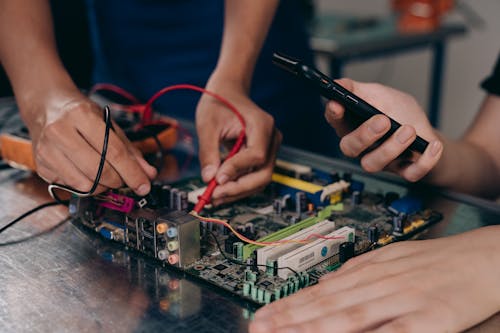
Domestic life once included routine mending, fixing, and patching. Clothes were sewn, appliances were serviced, and furniture was maintained for decades. This norm existed because goods were more expensive relative to income and designed to be repairable. Knowing how to fix things was a basic household skill.
Mass production and cheaper imports changed that equation. Many items now cost less to replace than to repair, and are built accordingly. The decline of local repair shops is well documented and easy to observe. What slipped away was a household mindset centered on longevity rather than convenience.
6. Keeping a Landline for the Household

Landline phones were once a standard feature of domestic life. They anchored communication to a physical place and were shared by everyone in the home. This mattered because it reinforced the idea of the household as a unit, not just individuals. Answering the phone meant representing the home.
As mobile phones became ubiquitous, landlines quickly disappeared. Today, many younger households have never installed one at all. This shift is easy to fact-check through telecom usage data. What faded was the sense that communication belonged to the house, not just the person.
7. Designated “Guest” Items

Many homes used to keep specific towels, dishes, or soaps only for visitors. These items were often tucked away and brought out on special occasions. The practice mattered because it marked hospitality as a distinct mode of living. Guests were meant to feel set apart from daily routines.
Minimalism and smaller living spaces made this less practical. People now tend to use the same items for everyone, all the time. The change aligns with broader trends toward efficiency and reduced storage. What slipped away was a subtle ritual that elevated the act of hosting.
8. Teaching Kids to Entertain Themselves at Home

Children were once expected to occupy themselves with whatever was available in the house or yard. Boredom was treated as normal, even useful. This norm mattered because it encouraged creativity and independence within domestic space. Parents were not expected to curate constant stimulation.
With increased screen access and structured activities, unstructured home time shrank. Safety concerns and changing parenting norms also played a role. The shift is well documented in studies of childhood play and screen use. What faded was the belief that the home itself was enough entertainment.
9. Keeping Paper Household Records

Homes once maintained files of manuals, receipts, warranties, and bills in drawers or folders. These records mattered because they made the household administratively self-sufficient. Knowing where documents were was a shared responsibility. The system was tangible and visible.
Digital accounts and cloud storage replaced most of this paper. While more efficient, they’re often fragmented across platforms and passwords. The change mirrors broader digitization of personal administration. What slipped away was a single, physical “house memory” anyone could access.
10. Neighborhood Babysitting Exchanges

Informal babysitting swaps were common in many communities. Parents traded time rather than money, relying on trust and proximity. This mattered because it strengthened neighborhood ties and mutual accountability. Childcare was a shared problem with shared solutions.
As neighborhoods became more transient and work hours less predictable, these arrangements declined. Professionalized childcare and liability concerns also contributed. The shift reflects broader social fragmentation rather than a single cause. What faded was a domestic norm rooted in collective support.
11. Clear Boundaries Between Work and Home
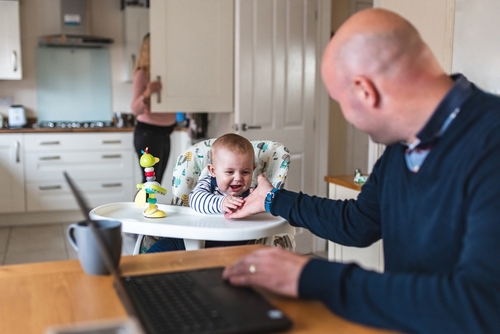
Work used to stay at the workplace, with home acting as a clear boundary. Evenings and weekends were more reliably protected. This norm mattered because domestic life was structured as recovery and private time. The physical separation supported mental separation.
Remote work and constant connectivity blurred that line. Laptops at kitchen tables and emails after dinner are now routine. This shift accelerated with digital technology and recent global events. What slipped away was the assumption that the home was not a workplace by default.
This post Domestic Norms That Quietly Slipped Away was first published on Greenhouse Black.
